and then there was Ecuador
I have had the Galapagos Islands on my todo list for a long time, but the time never seemed quite right. Now is the time. I wanted to combine time cruising the islands on a boat with a self-drive tour on the mainland, but after reading up a bit, I decided it was too dangerous. The Swiss Department for Foreign Affairs currently discourages travelling on the Ecuadorian mainland purely for tourism.
I am quite looking forward to the Galapagos, which although very touristy (I assume) still has a bit of mystique. For instance, on Fernandina island they found a male tortoise in 1906 and assumed that with his death that type was extinct. In 2019 they found a female of the same species (113 years later!). Hopes are up that there may be more to be found on Fernandina.
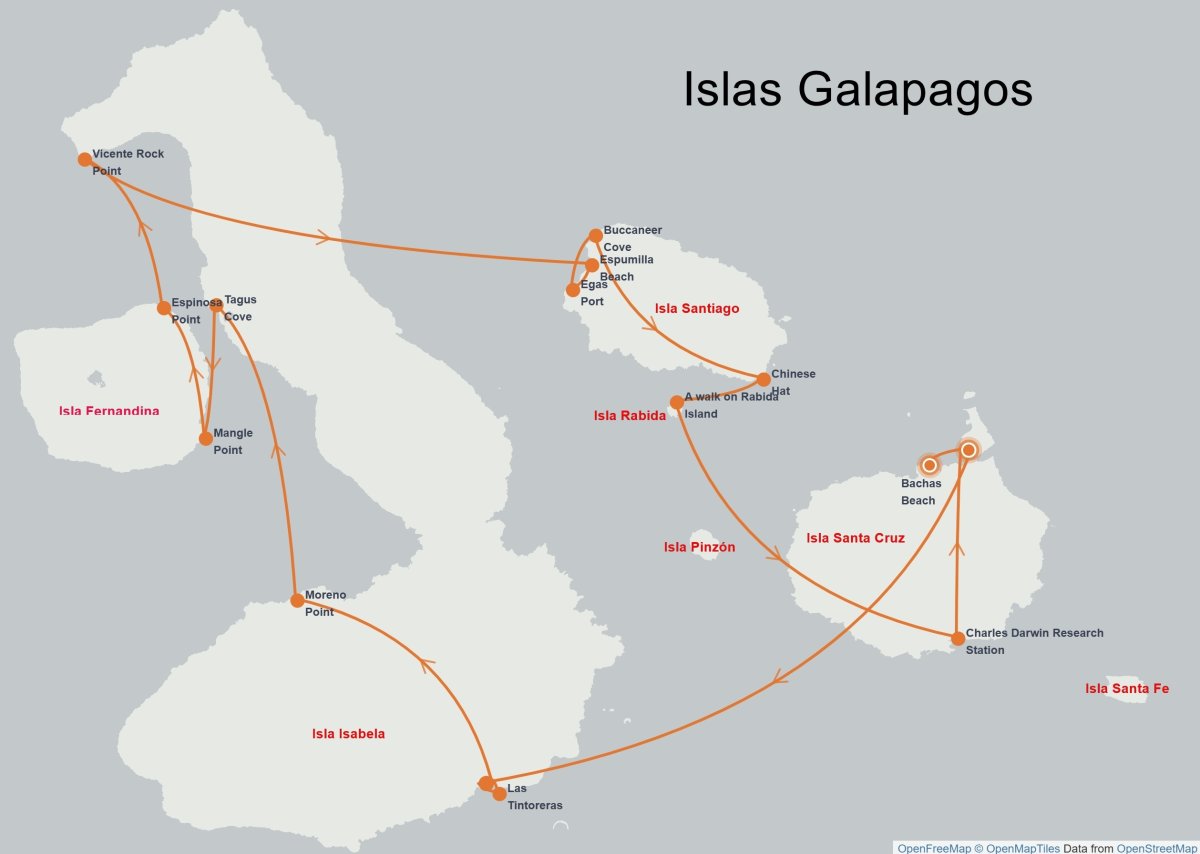
Here is the route we will take with the boat "Solaris".
I am quite looking forward to the Galapagos, which although very touristy (I assume) still has a bit of mystique. For instance, on Fernandina island they found a male tortoise in 1906 and assumed that with his death that type was extinct. In 2019 they found a female of the same species (113 years later!). Hopes are up that there may be more to be found on Fernandina.
Here is the route we will take with the boat "Solaris".
I was not expecting to have reliable internet access on the boat, but it turns out that the connection was quite good, via Starlink (Elon Musk). Nonetheless, we have been so active, that I just did not find the time to think about updating my page.
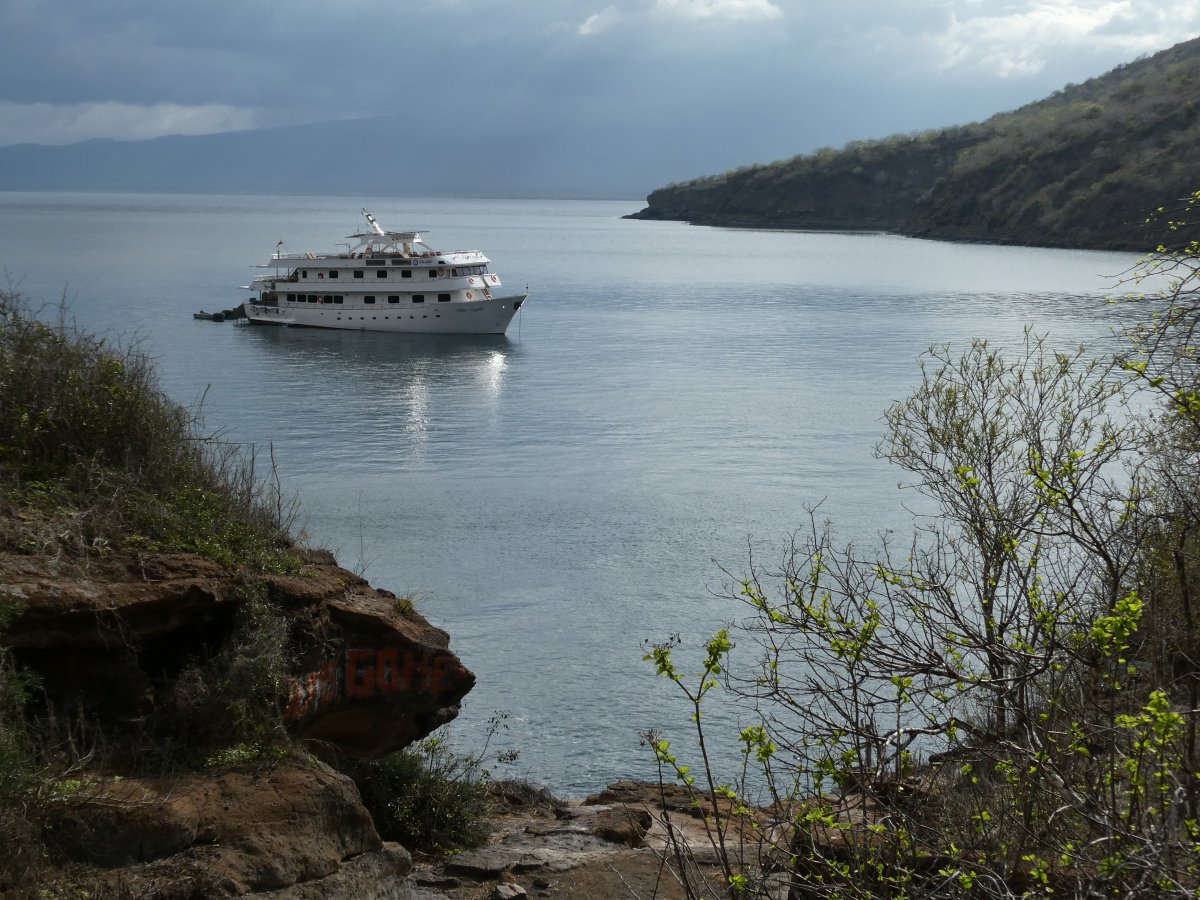
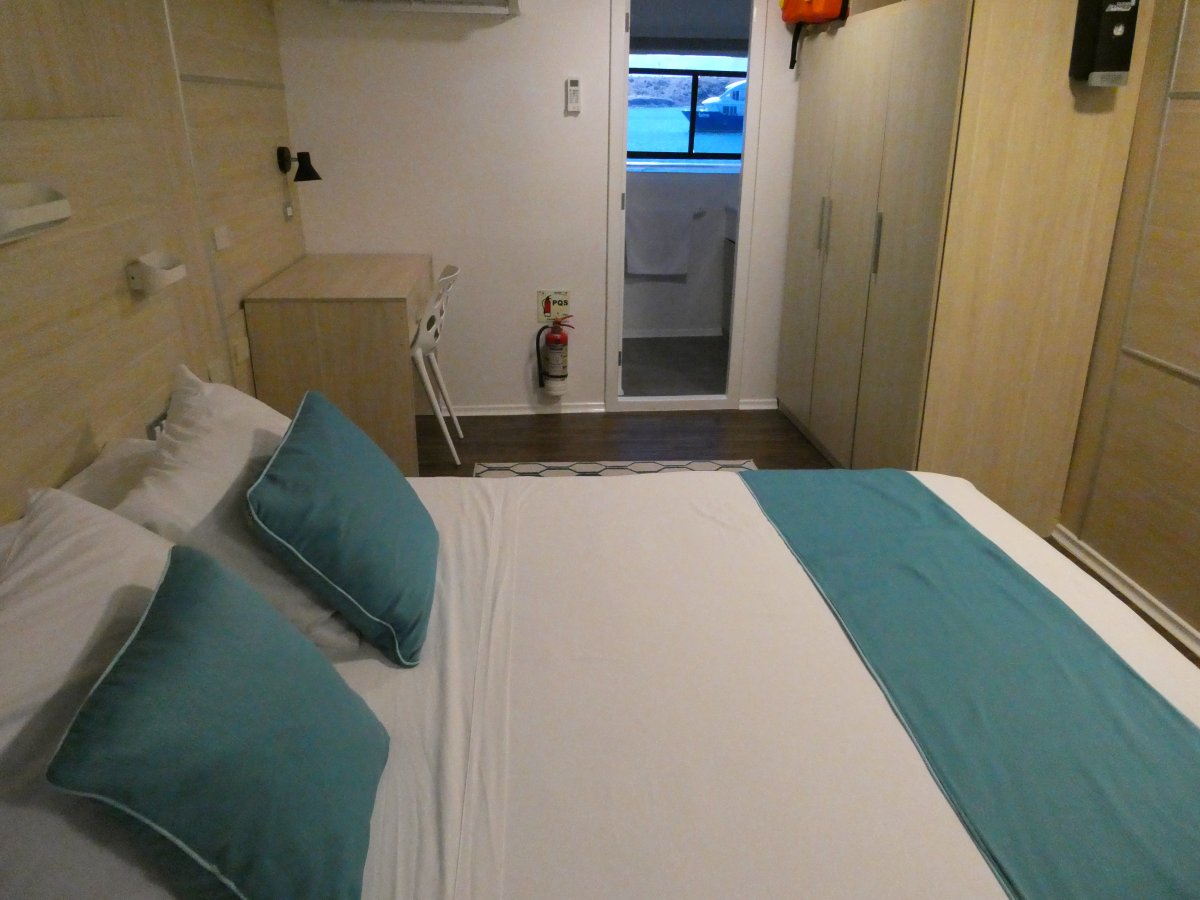
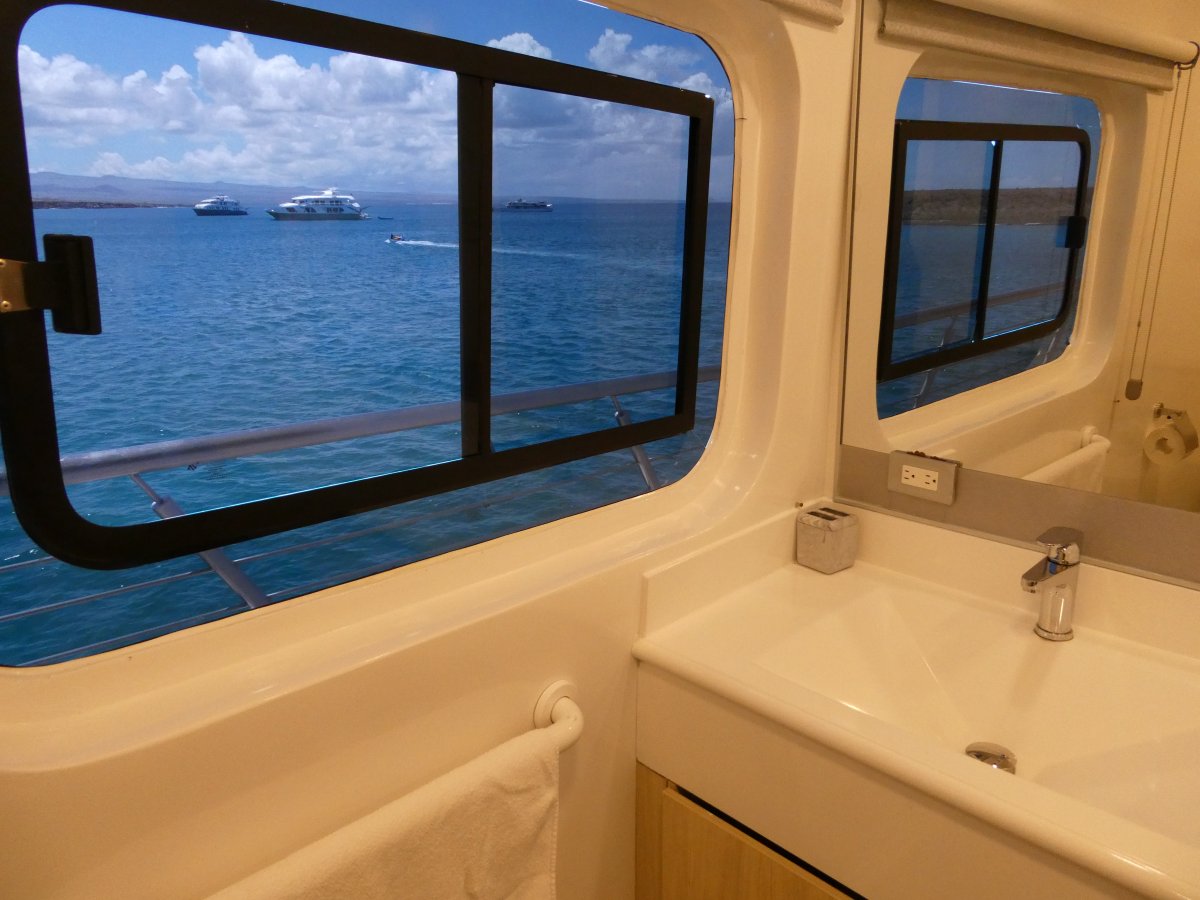
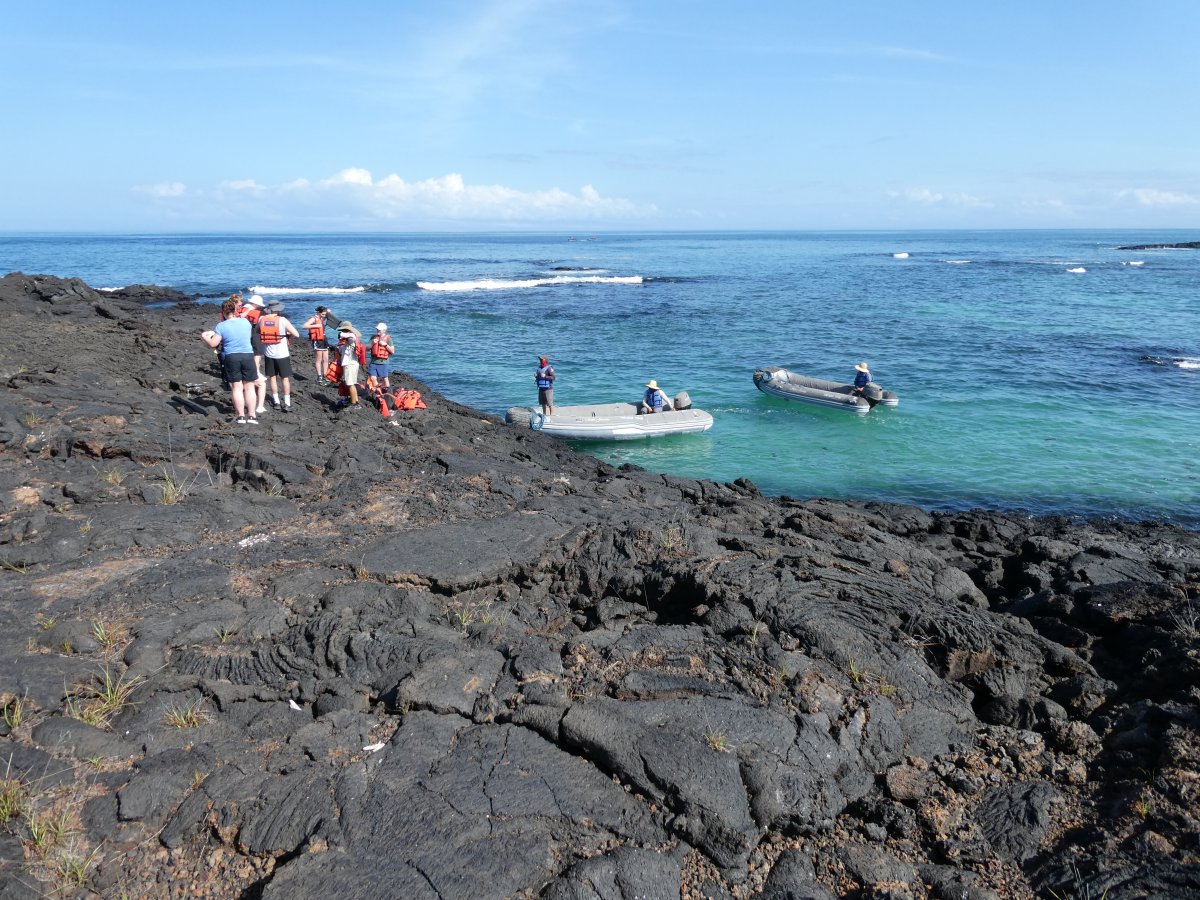
I ended up having a three bed room even though I paid for only one person. The whole boat was only 16 tourists, which was great. A couple from Luxemburg, a lady from Belgium, a family of three from near Cairns, Australia with the youngest participant who I believe was 8 years old, a lady from England who was a direct descendant of one of the men on the HMS Beagle (together with Charles Darwin), Steve from Guernsey and 7 Americans. All quite nice people.
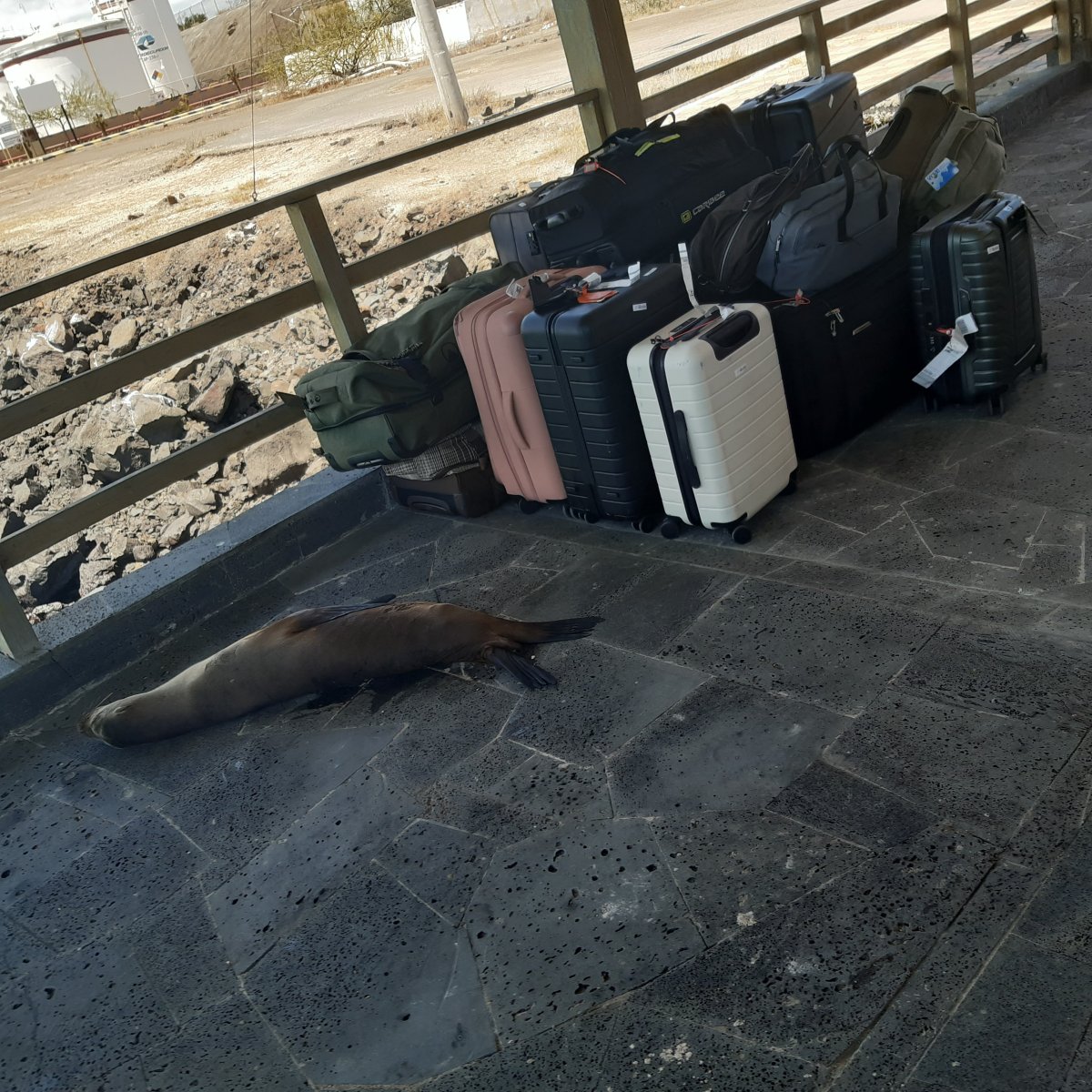
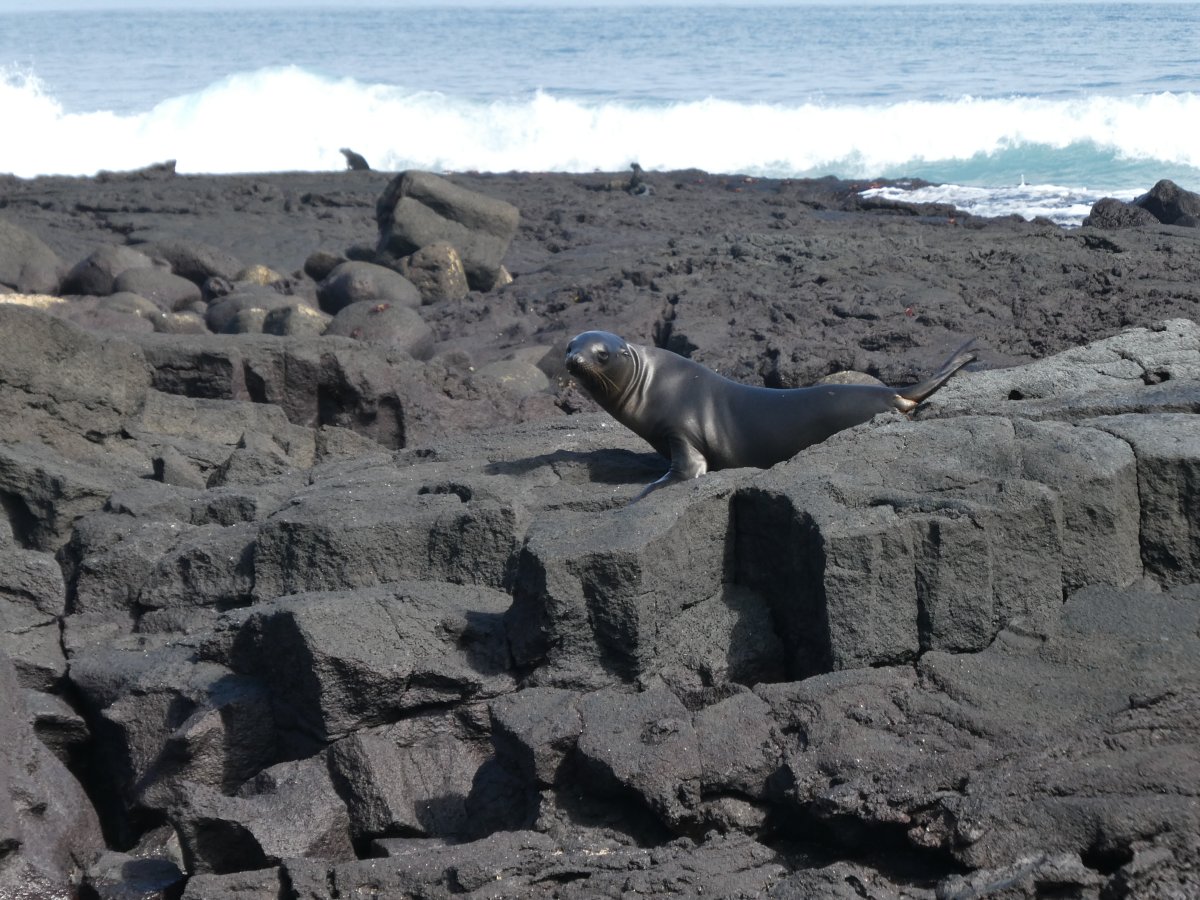
Saw the first sealion soon after landing in Baltra. They really are not impressed by people, but don't bother you either.
We wasted no time and hit the first beach, making the acquaintance of the first of many marine iguanas. You can see one swimming by.
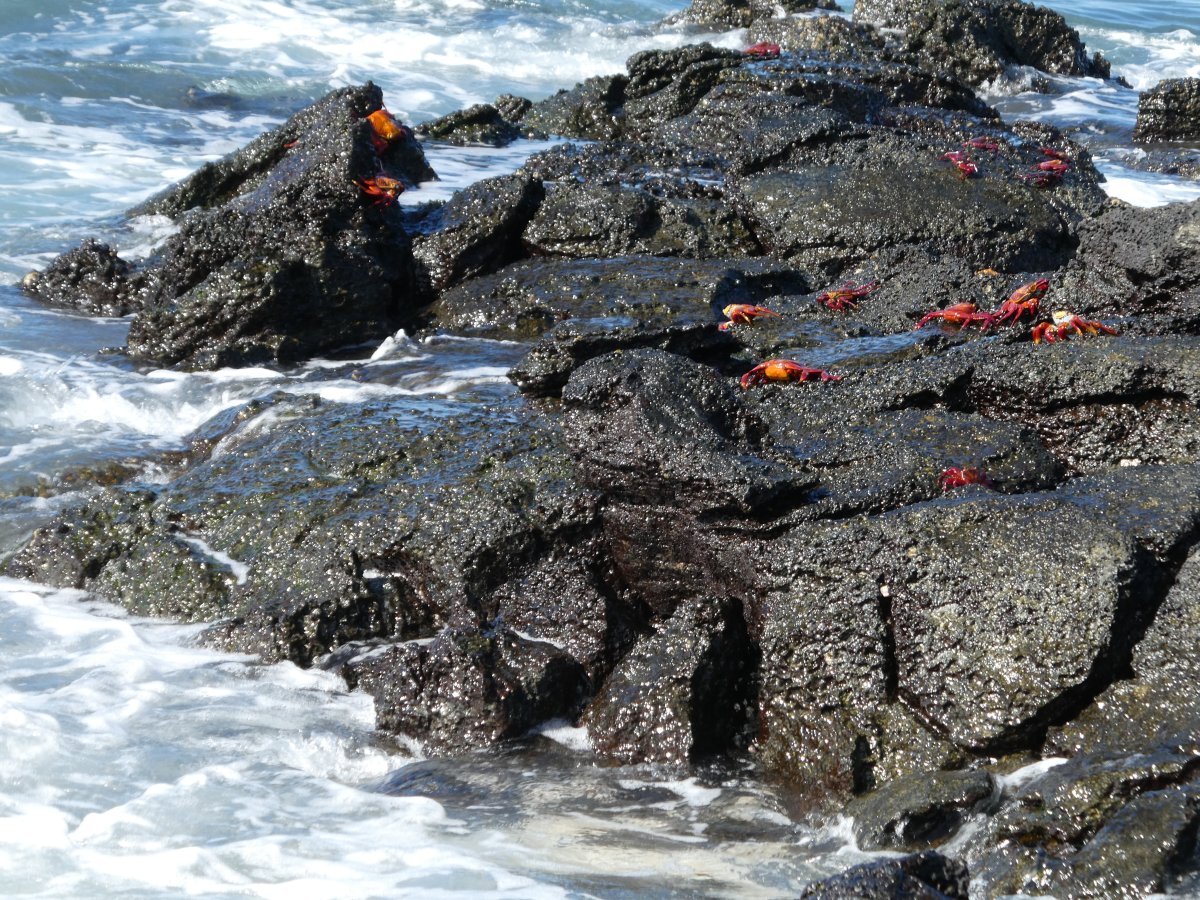
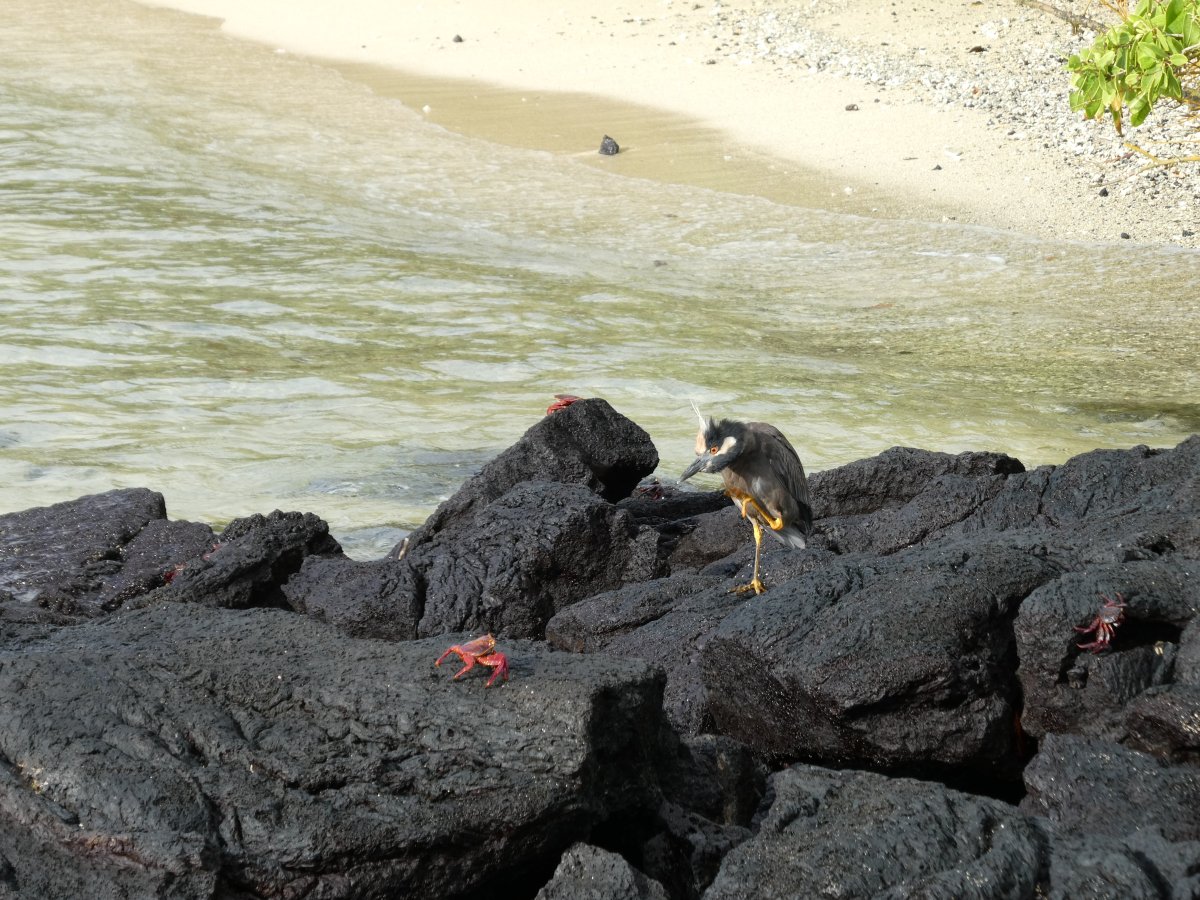
Lots of crabs and they are a delicacy for the Yellow crowned night heron sneaking up for a snack.
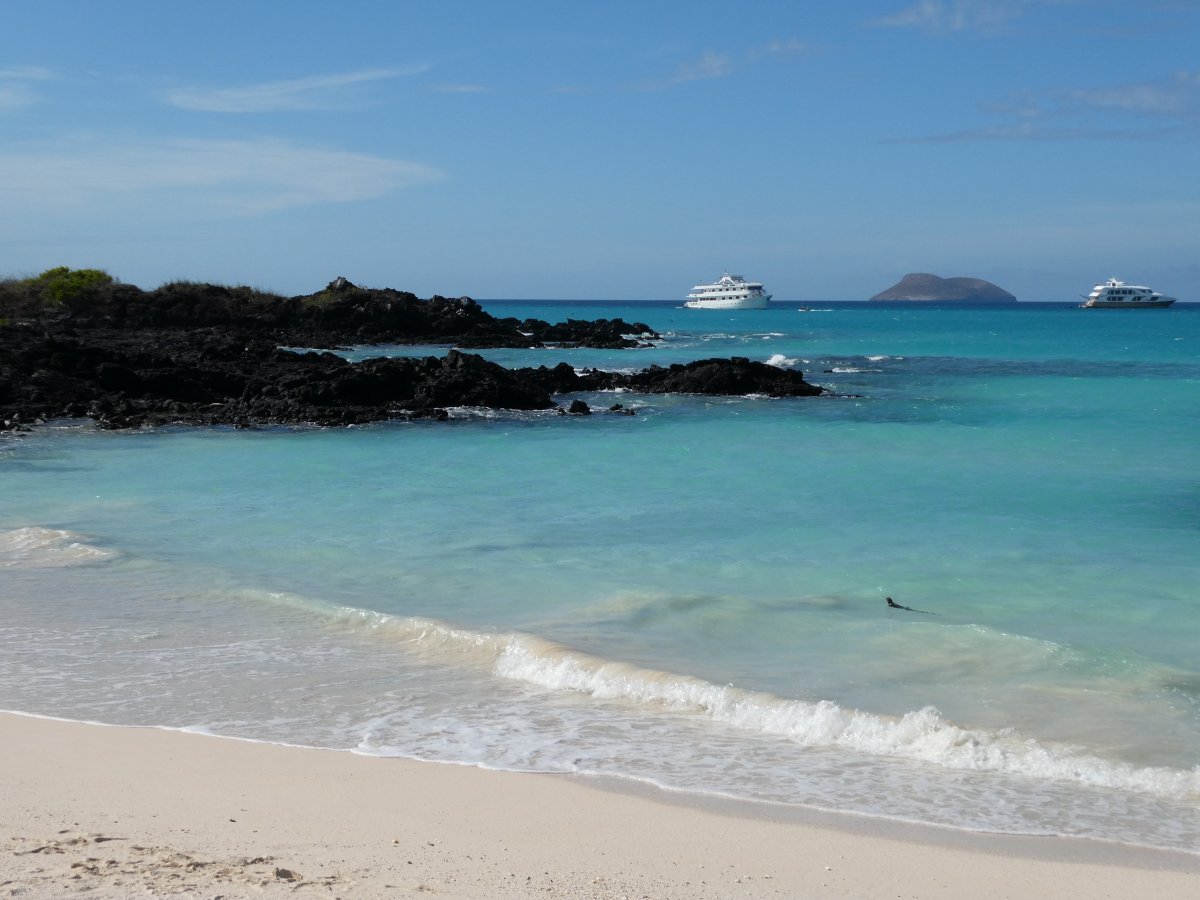
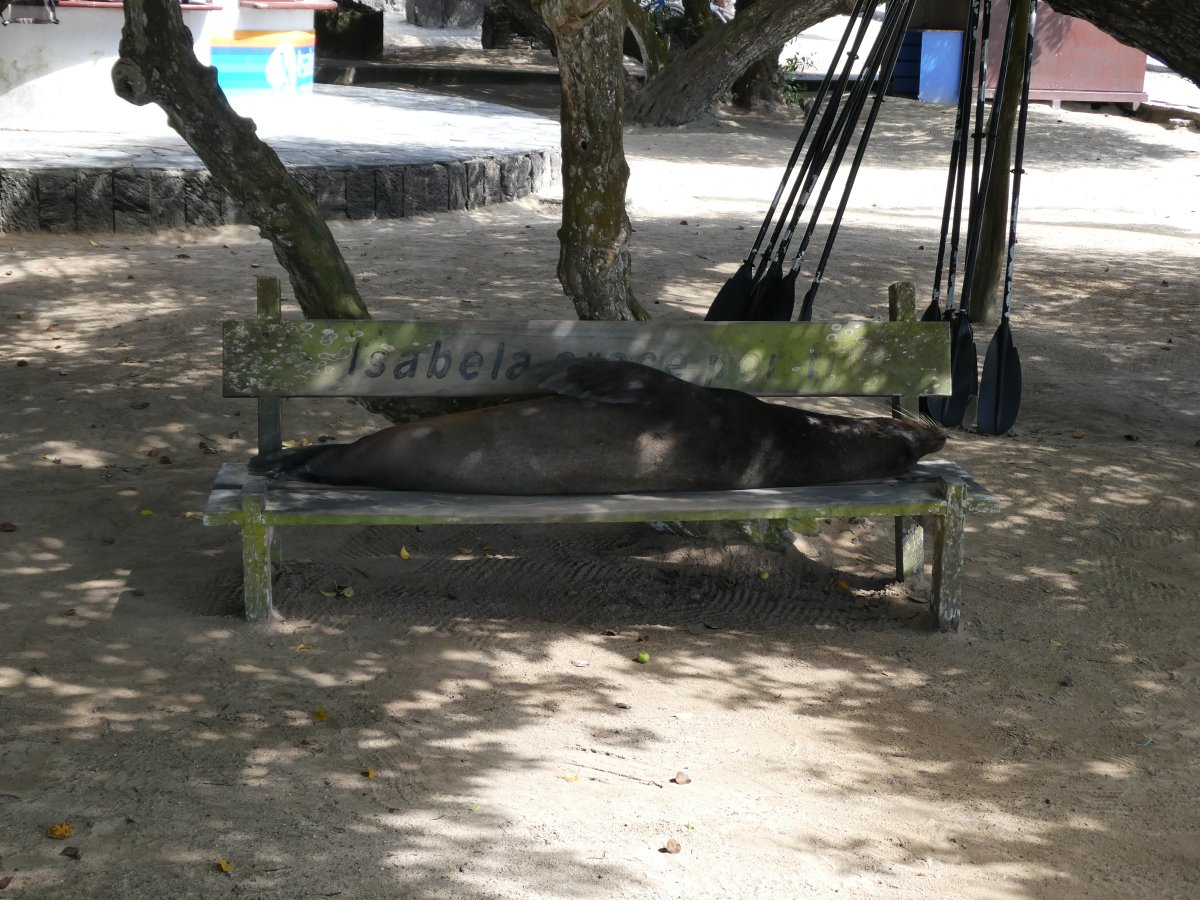
Not everyone was very motivated to challenge the day, and tended to just let time pass. Very calming.
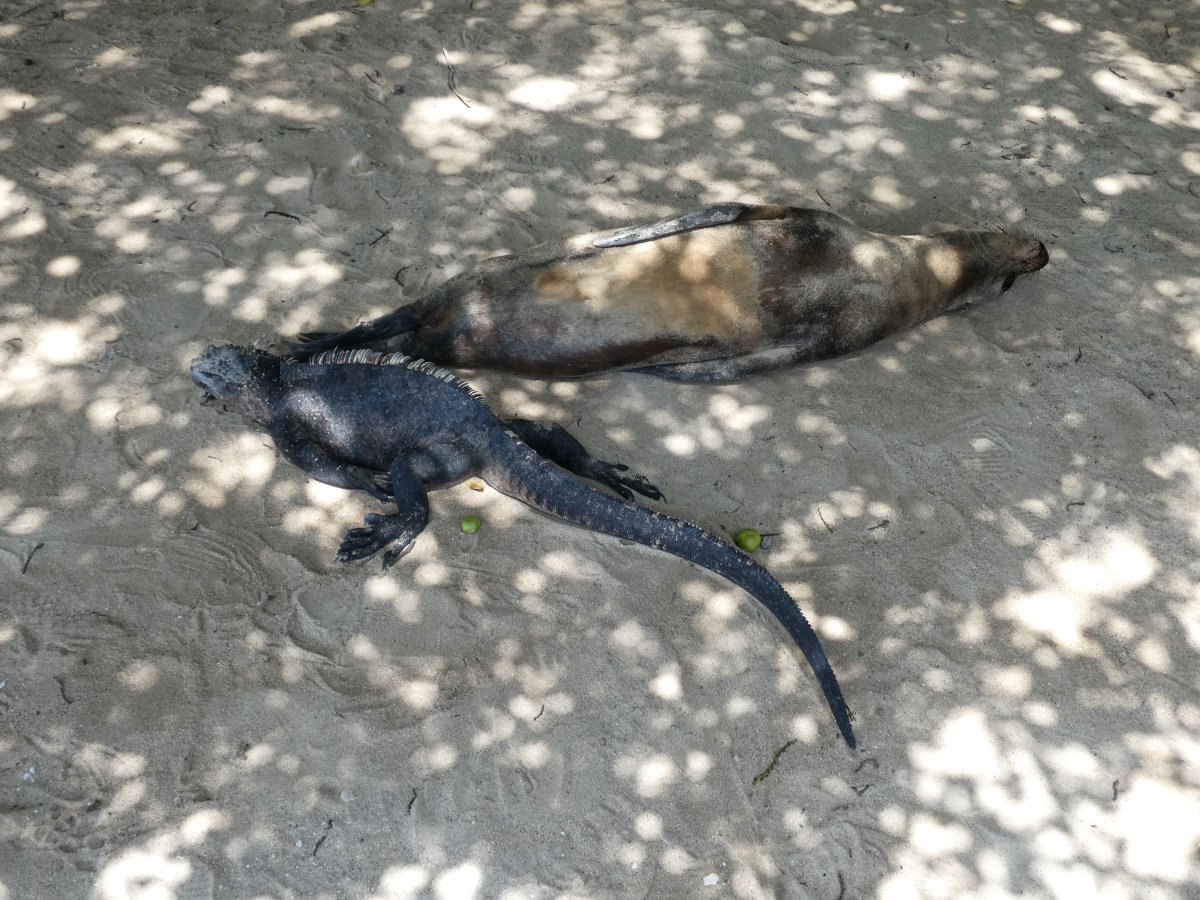
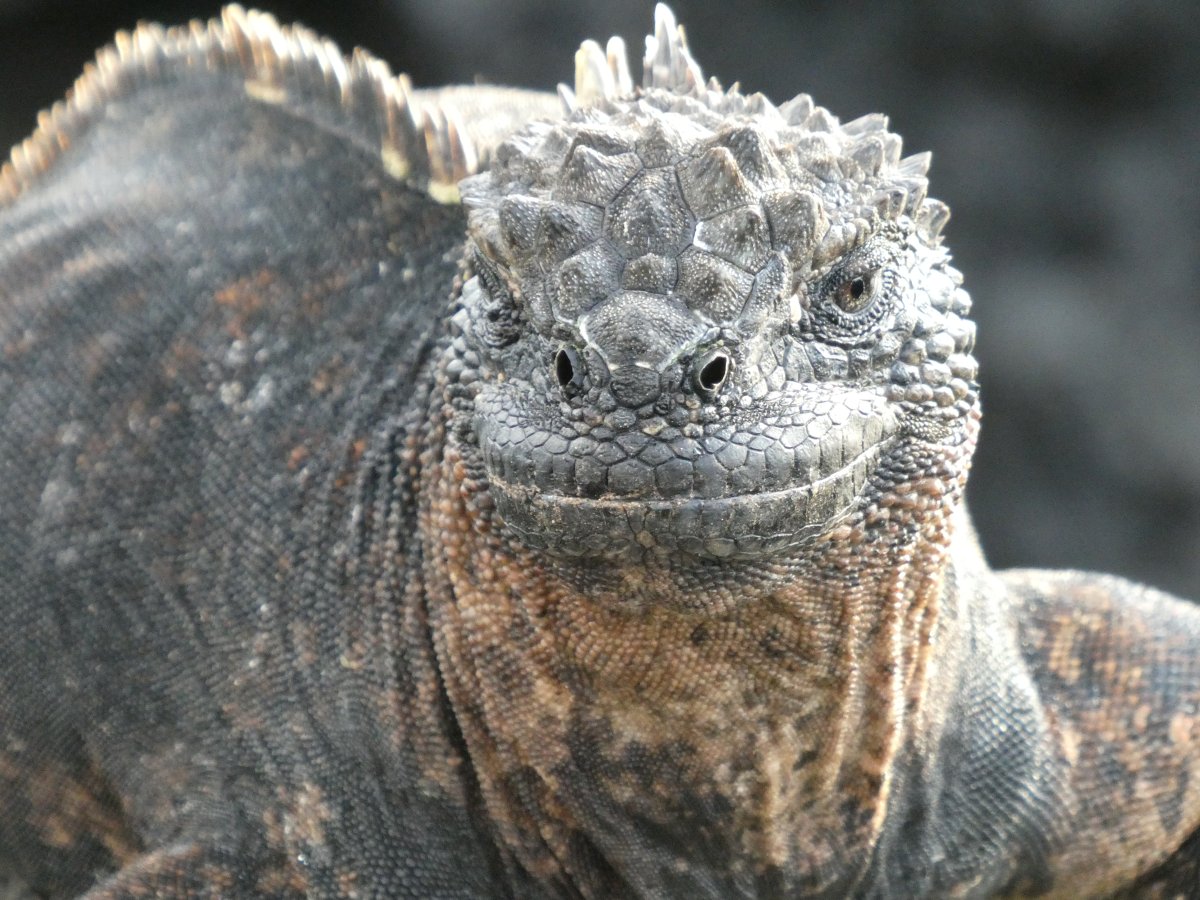
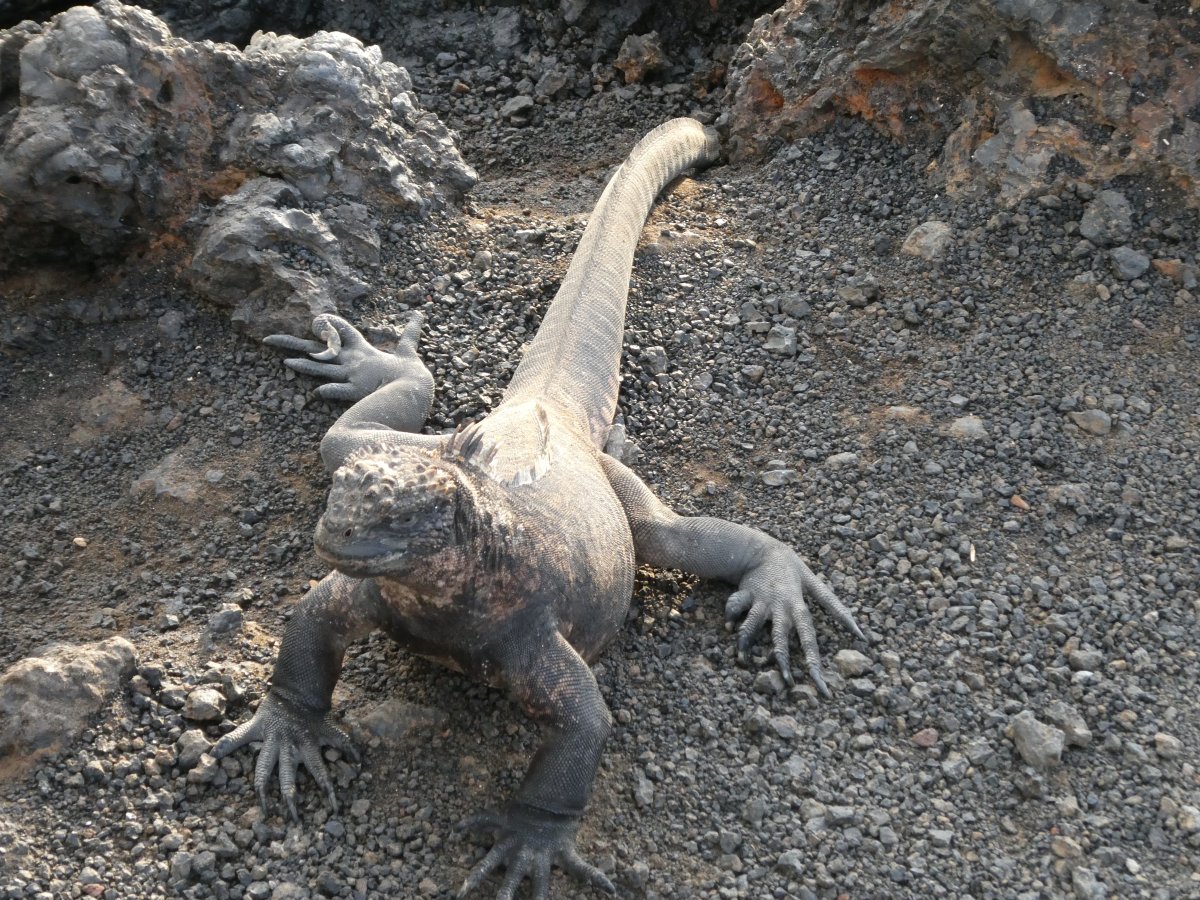
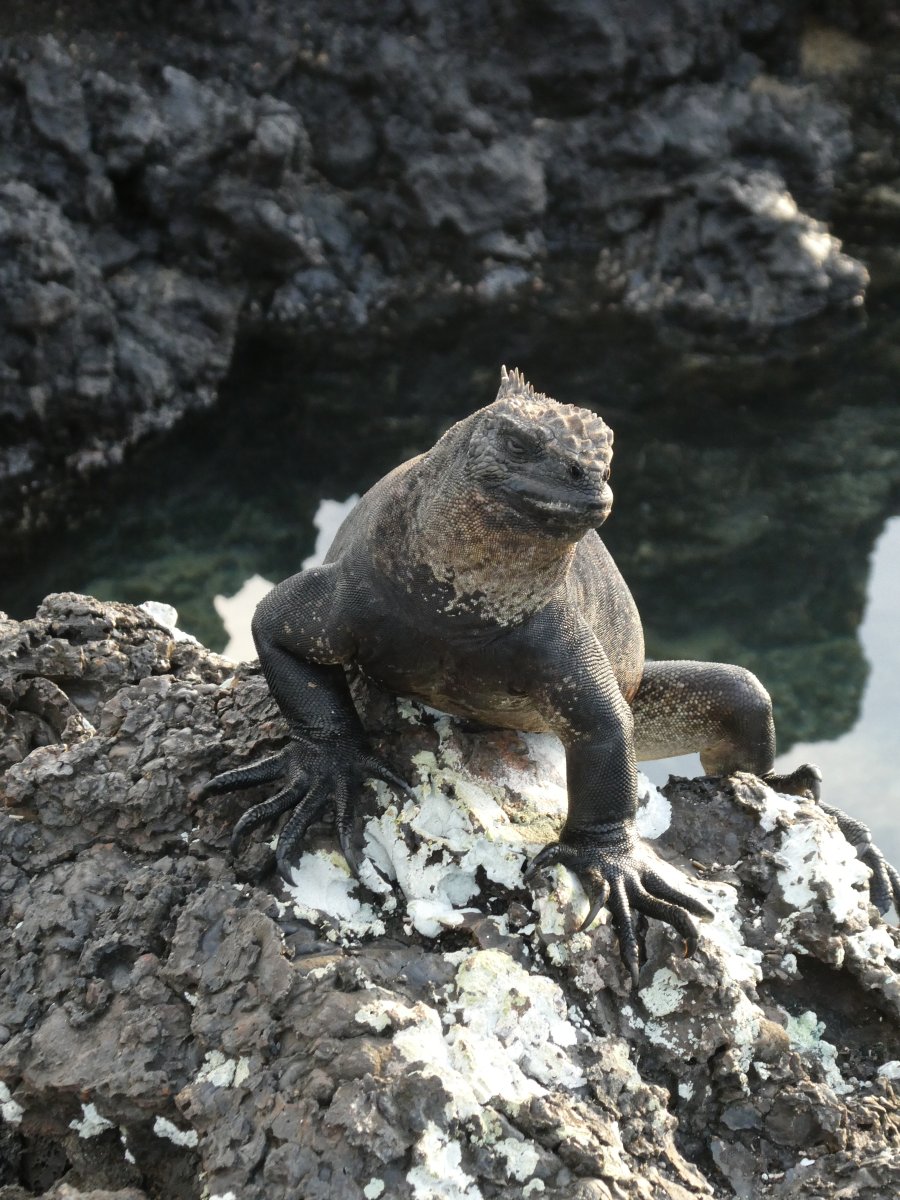
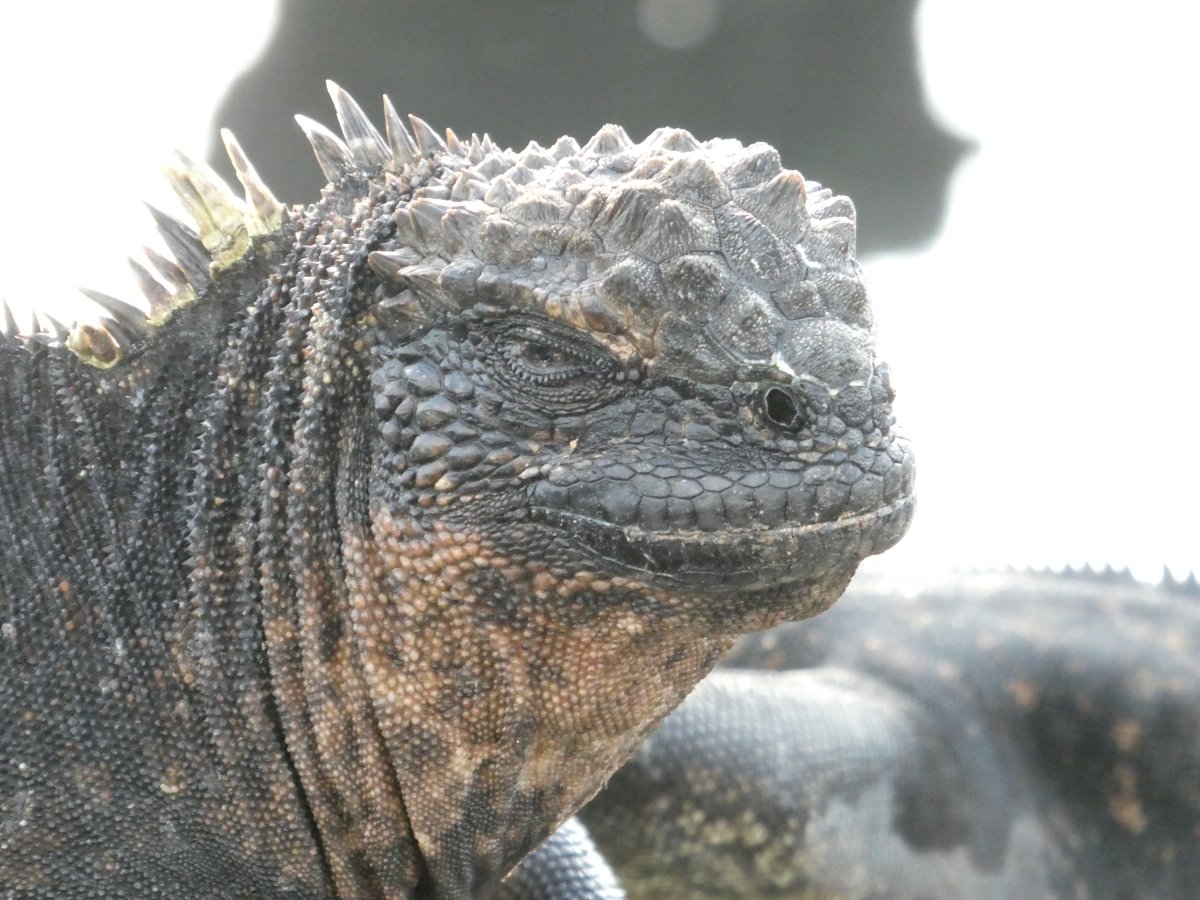
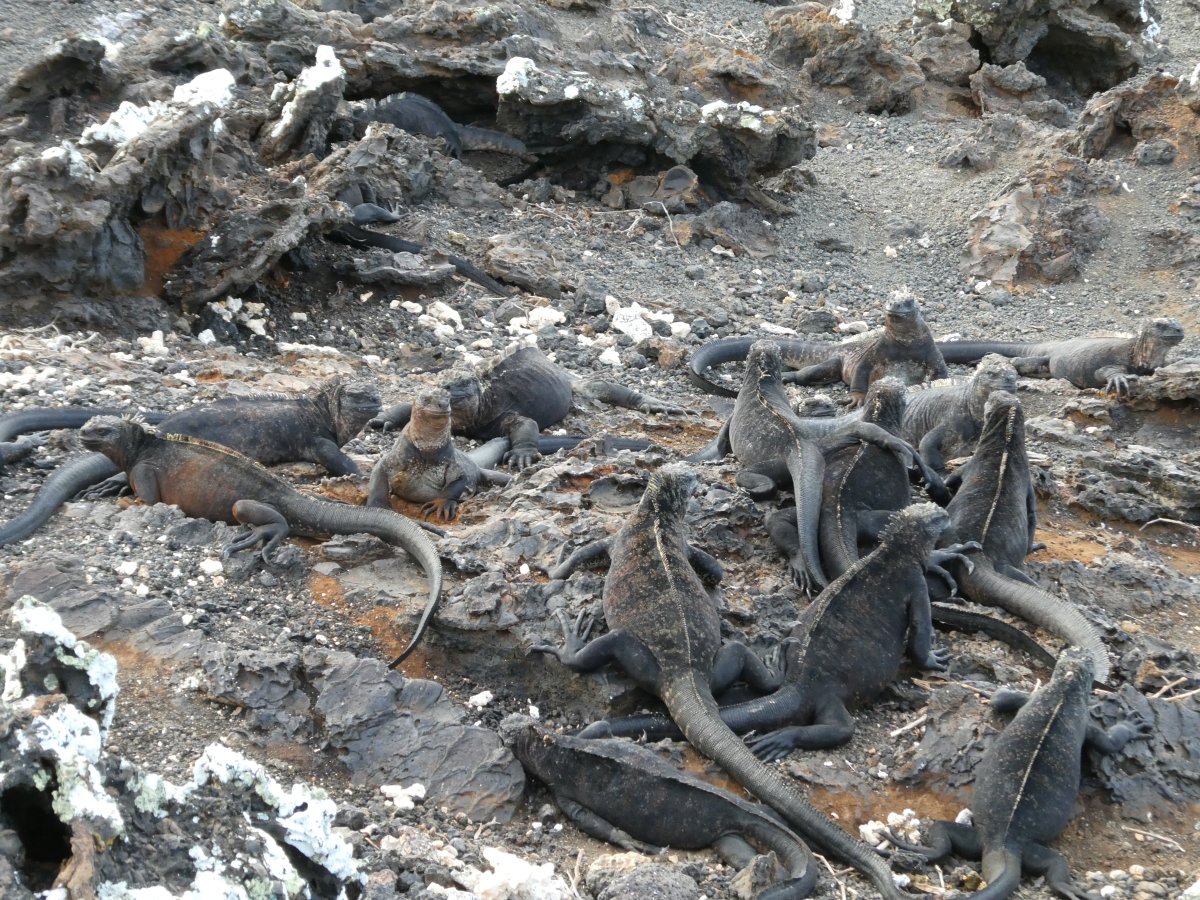
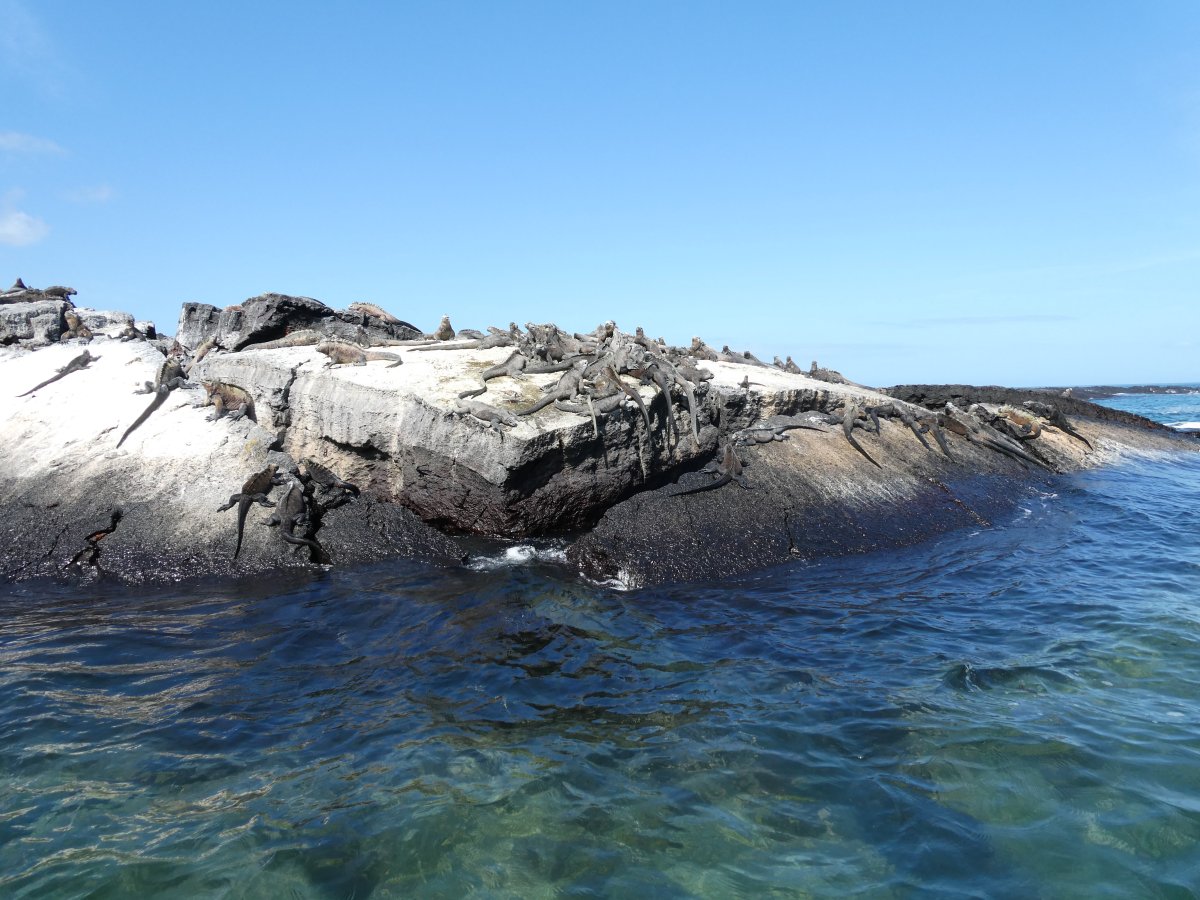
Marine Iguanas are everywhere in the Galapagos. They exist only here and get their food in the ocean, mostly algae. They are not in the least impressed by our presence, so you have to watch out to not step on one.
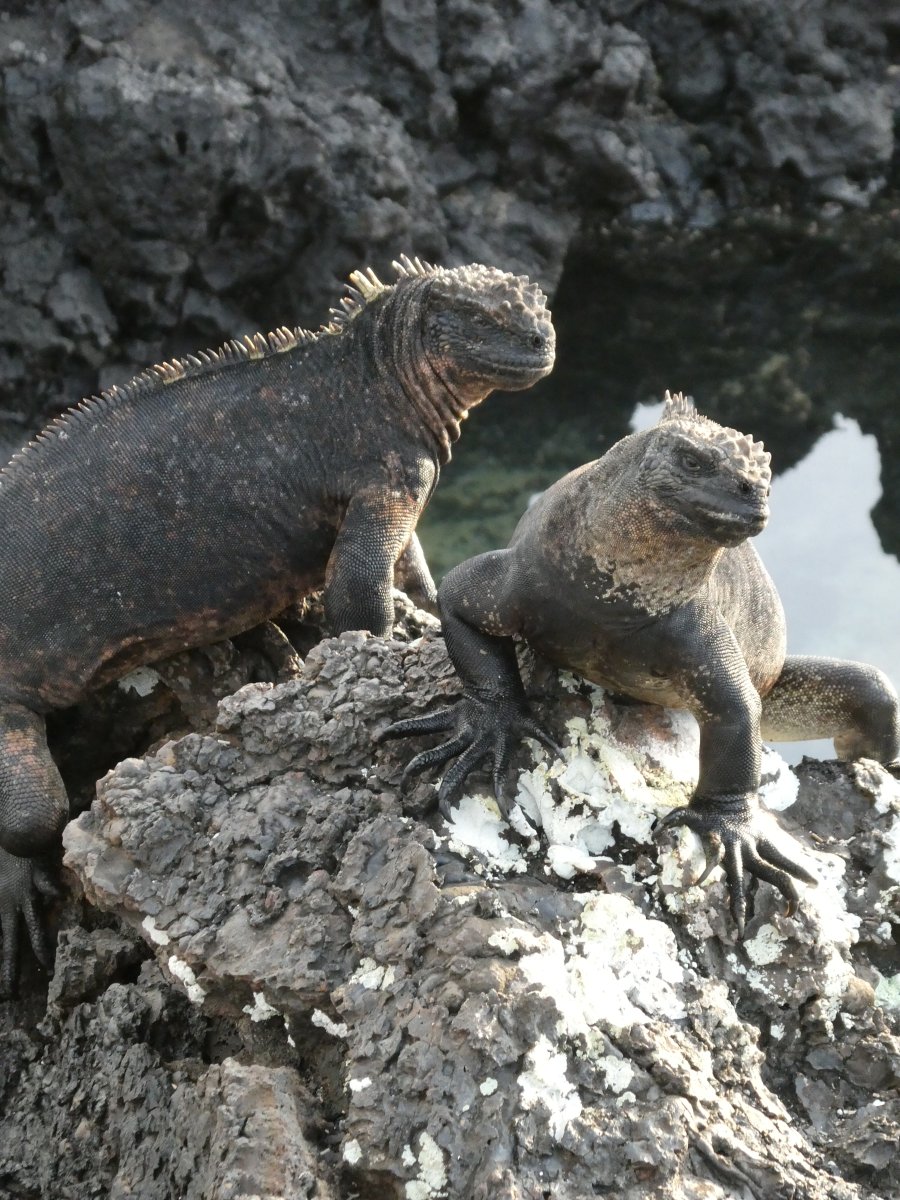
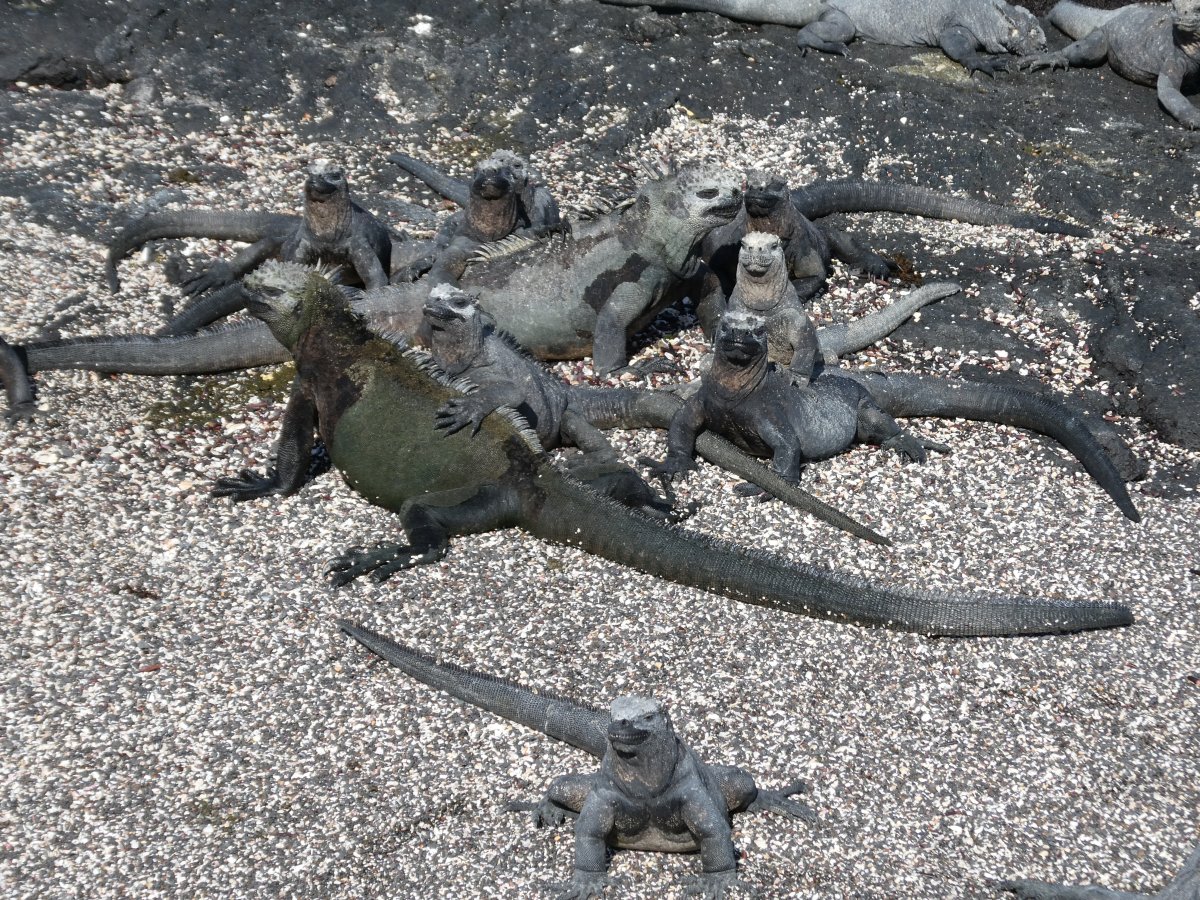
There is no end to the number of marine iguanas. They hang around everywhere and often have a cheeky, self-satisfied smile.
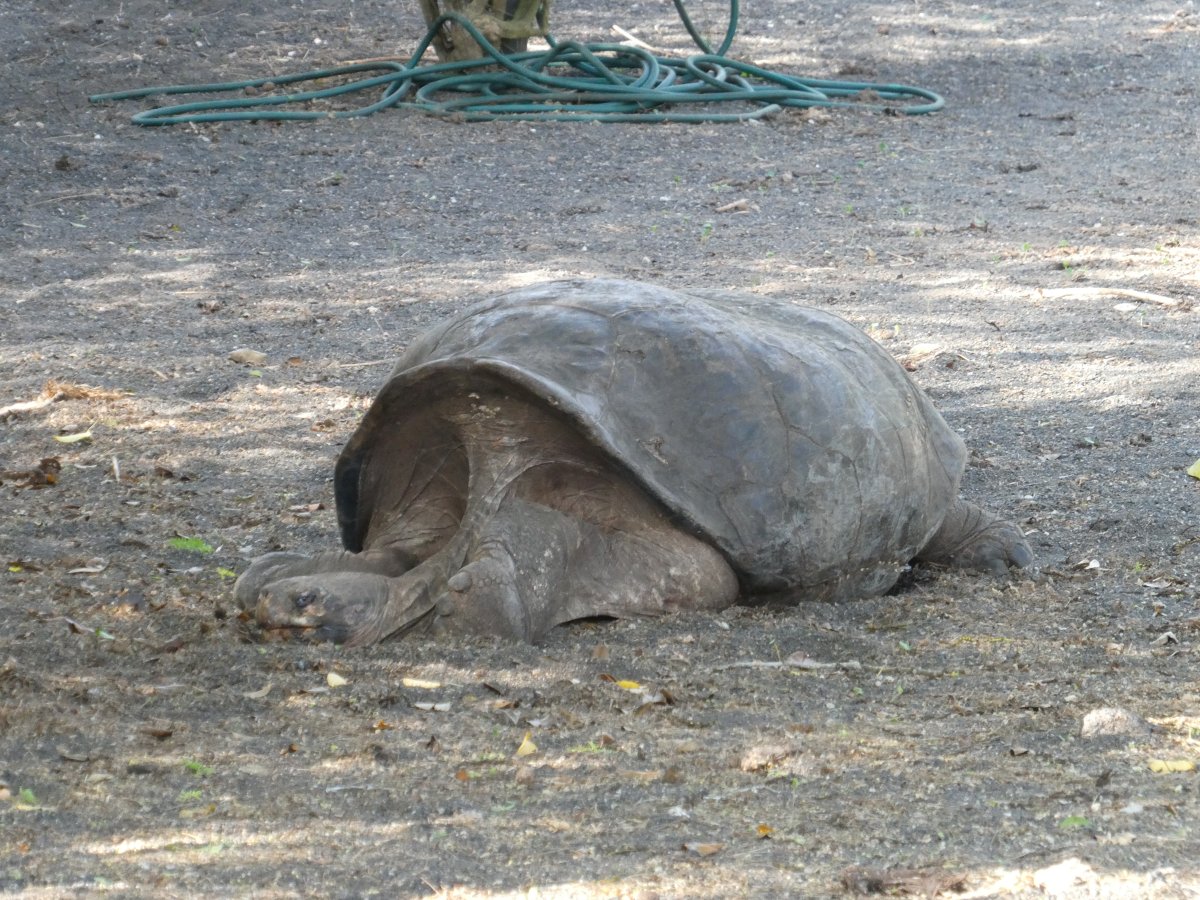
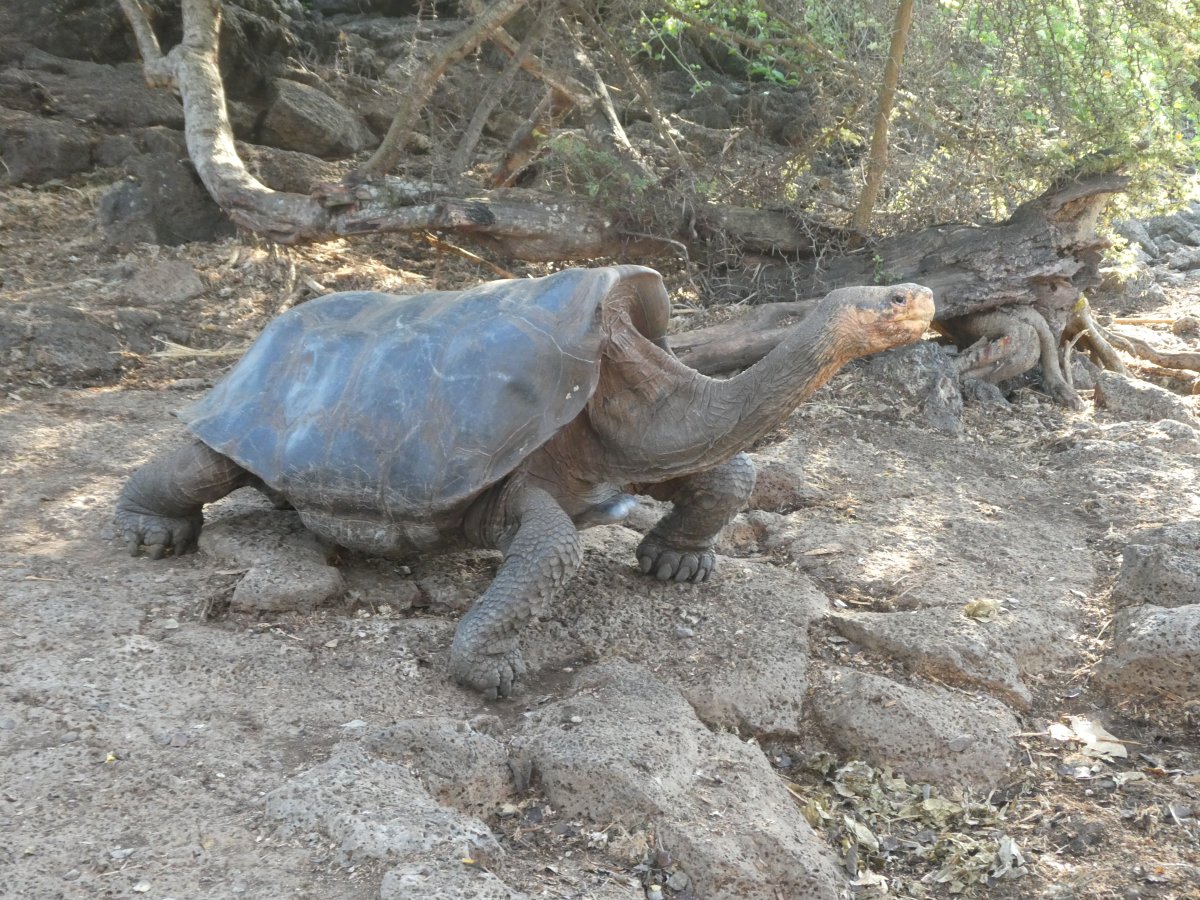
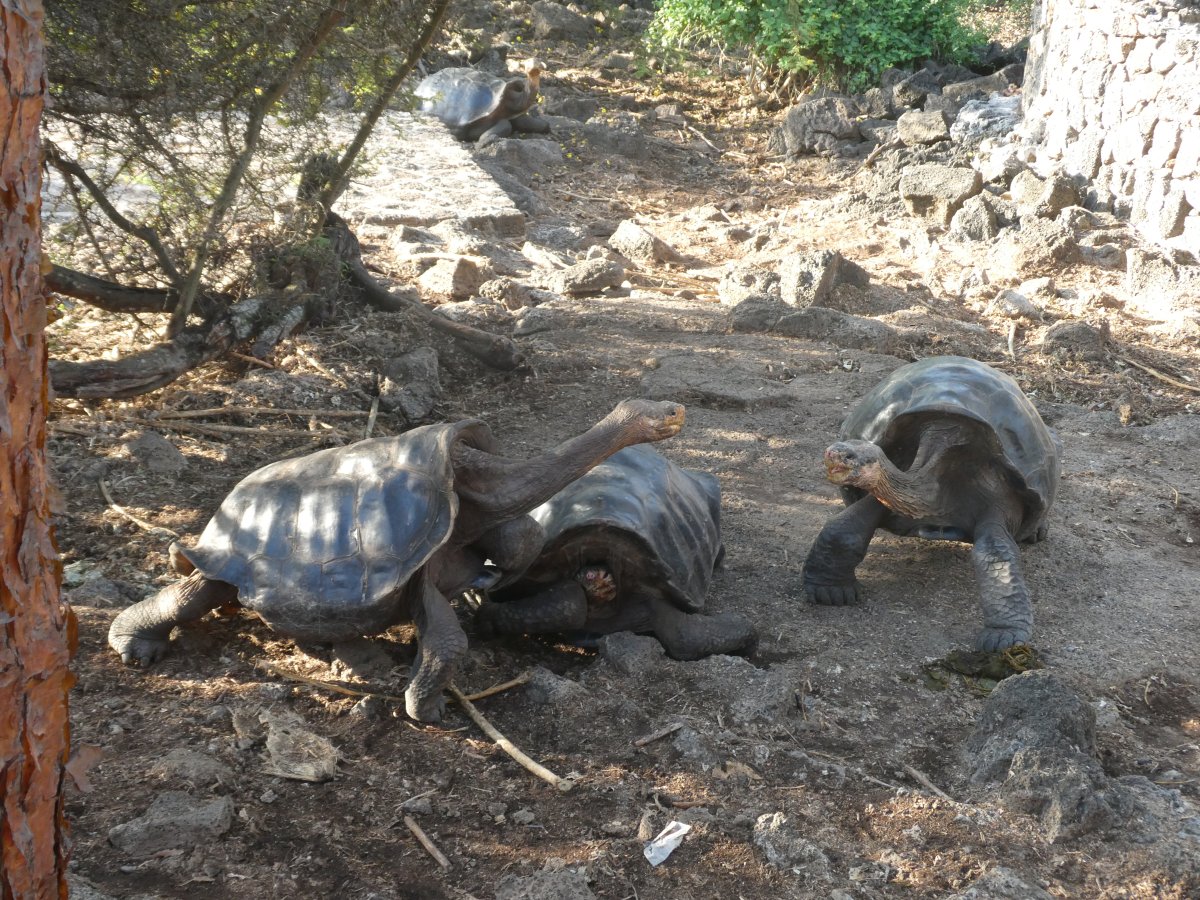
Galapagos Tortoise
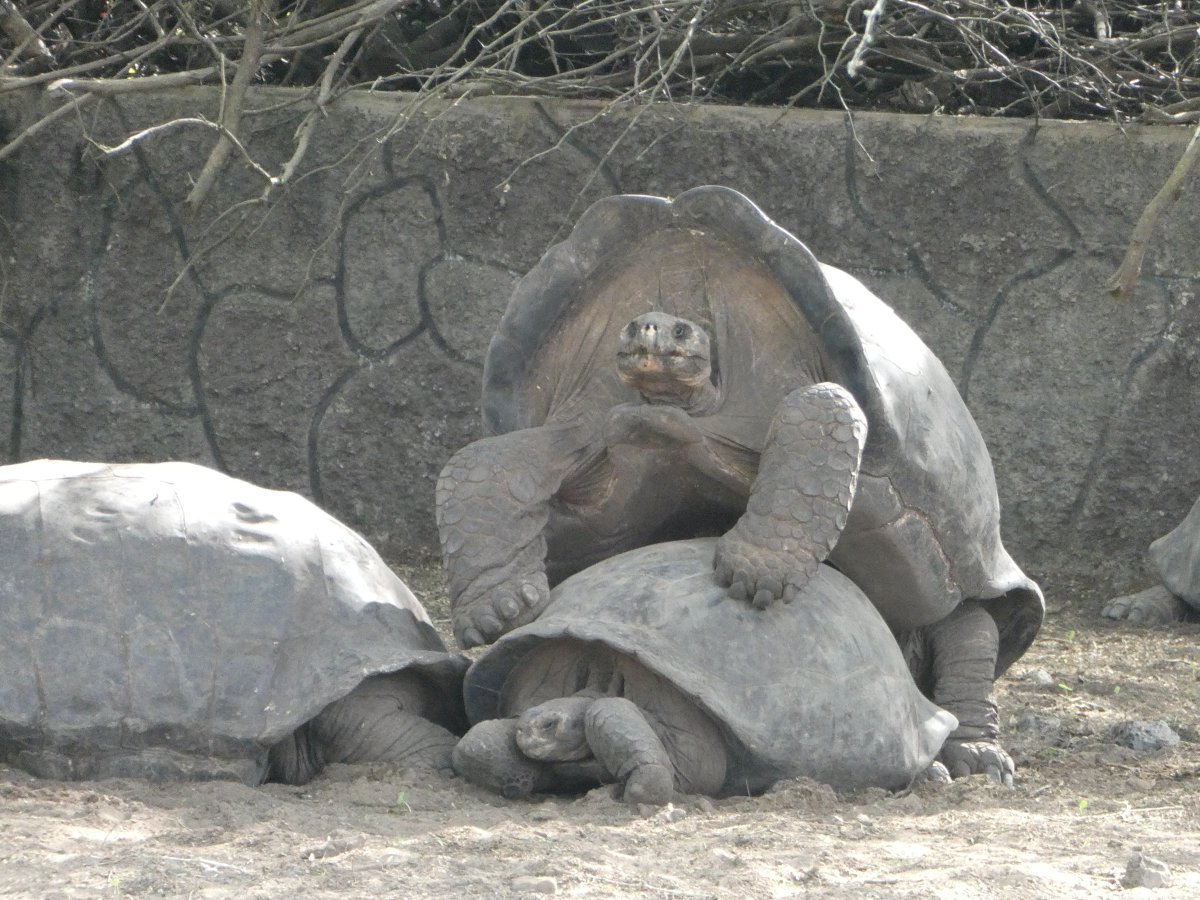
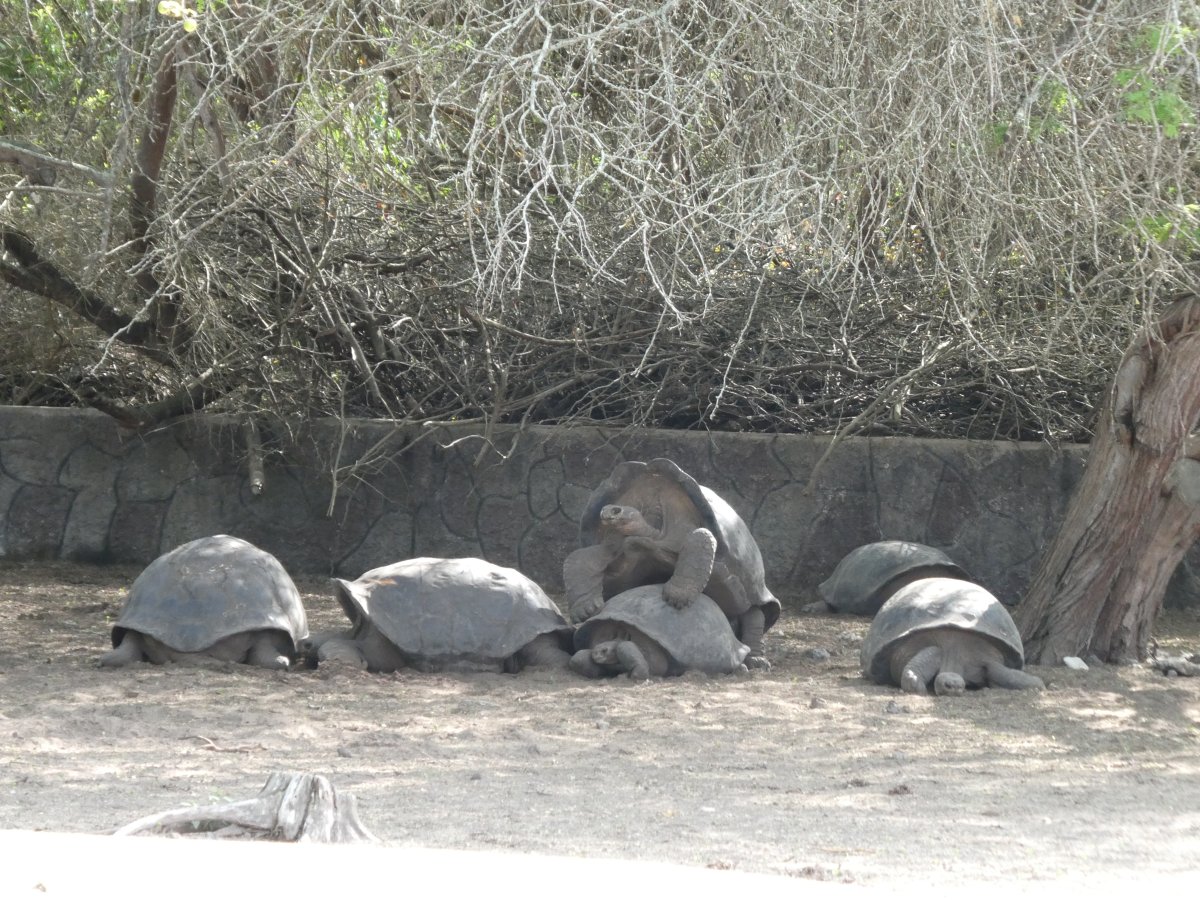
One of the tortoises at the breeding center seemed to understand what his job was. and took care of business. The others discreetly looked away.
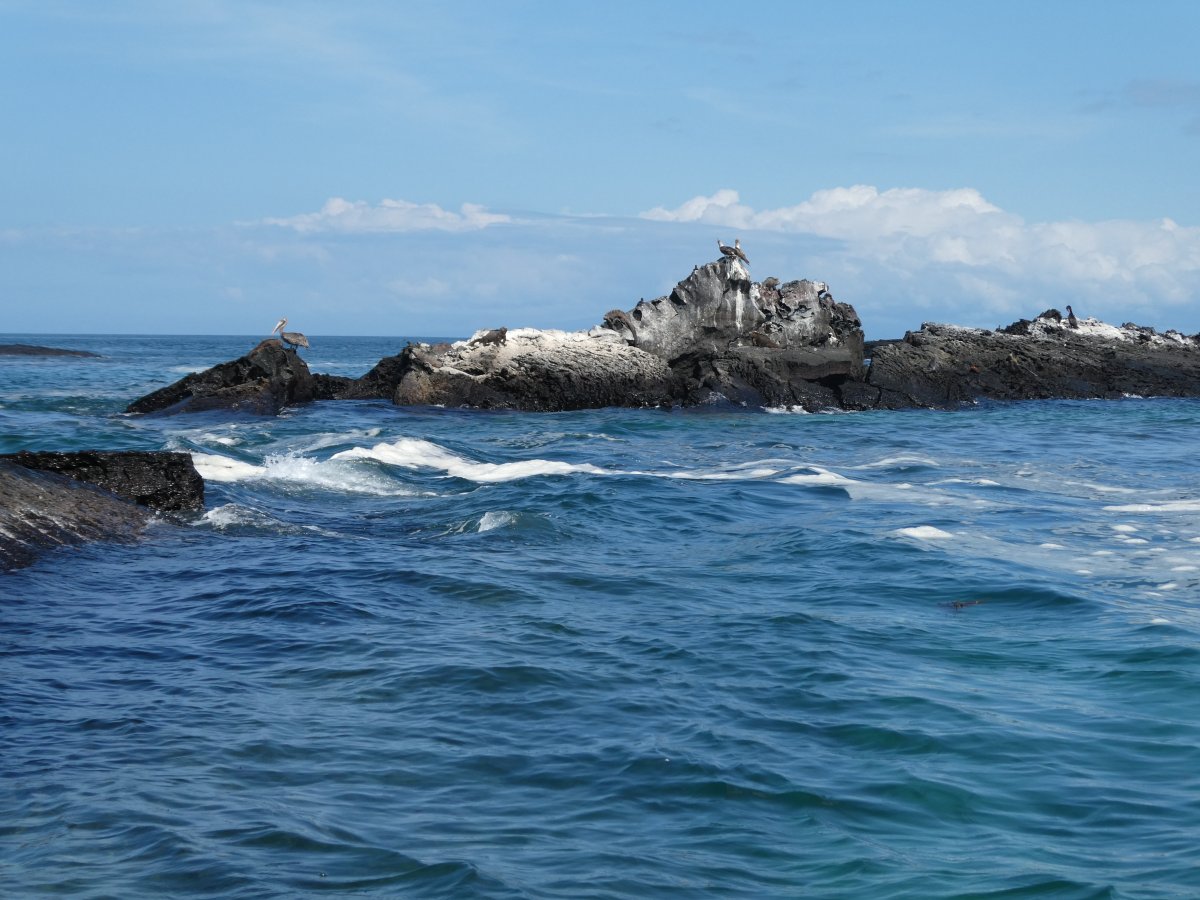
This picture shows how the various birds and animals don't get in each other's way. From left to right we have a pelican, iguana, blue-footed boobies (I'll get to them later) and a flightless cormoran.
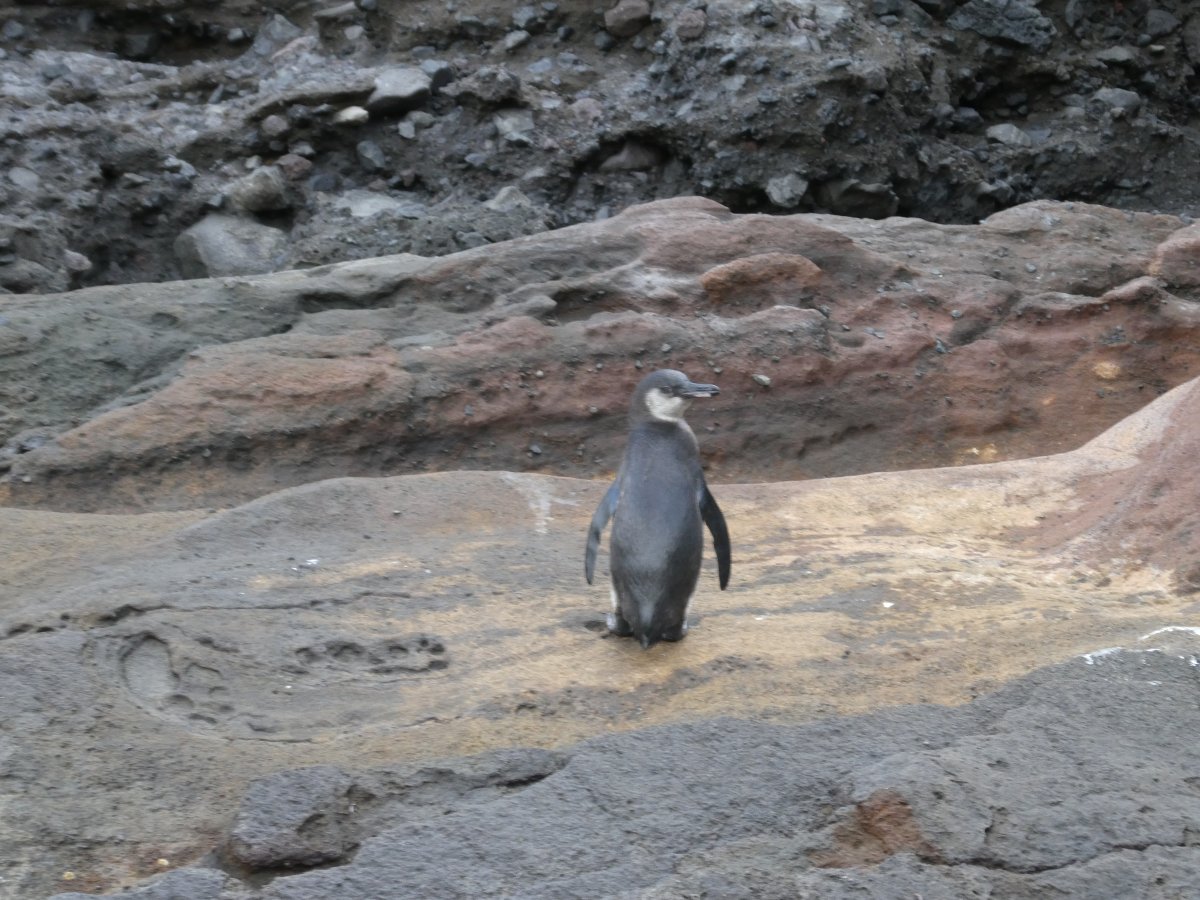
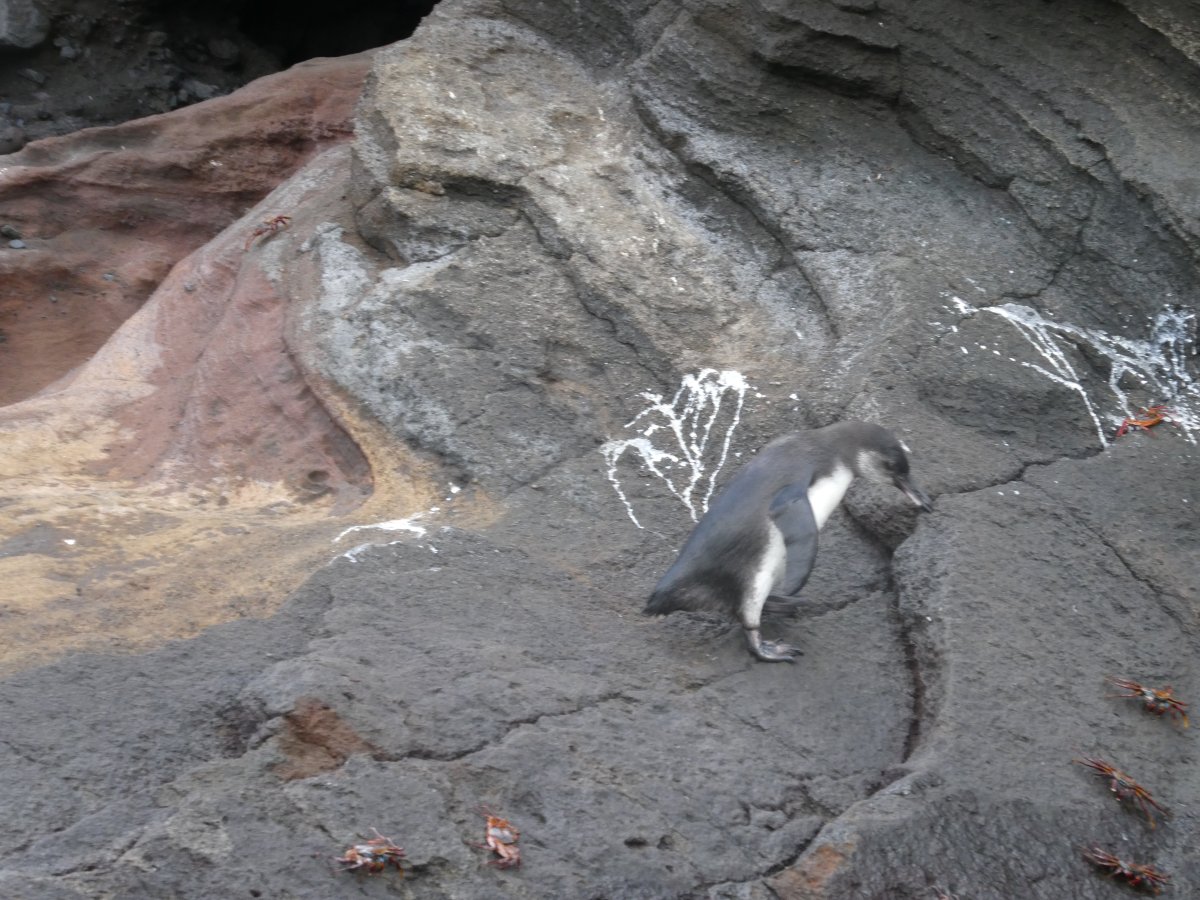
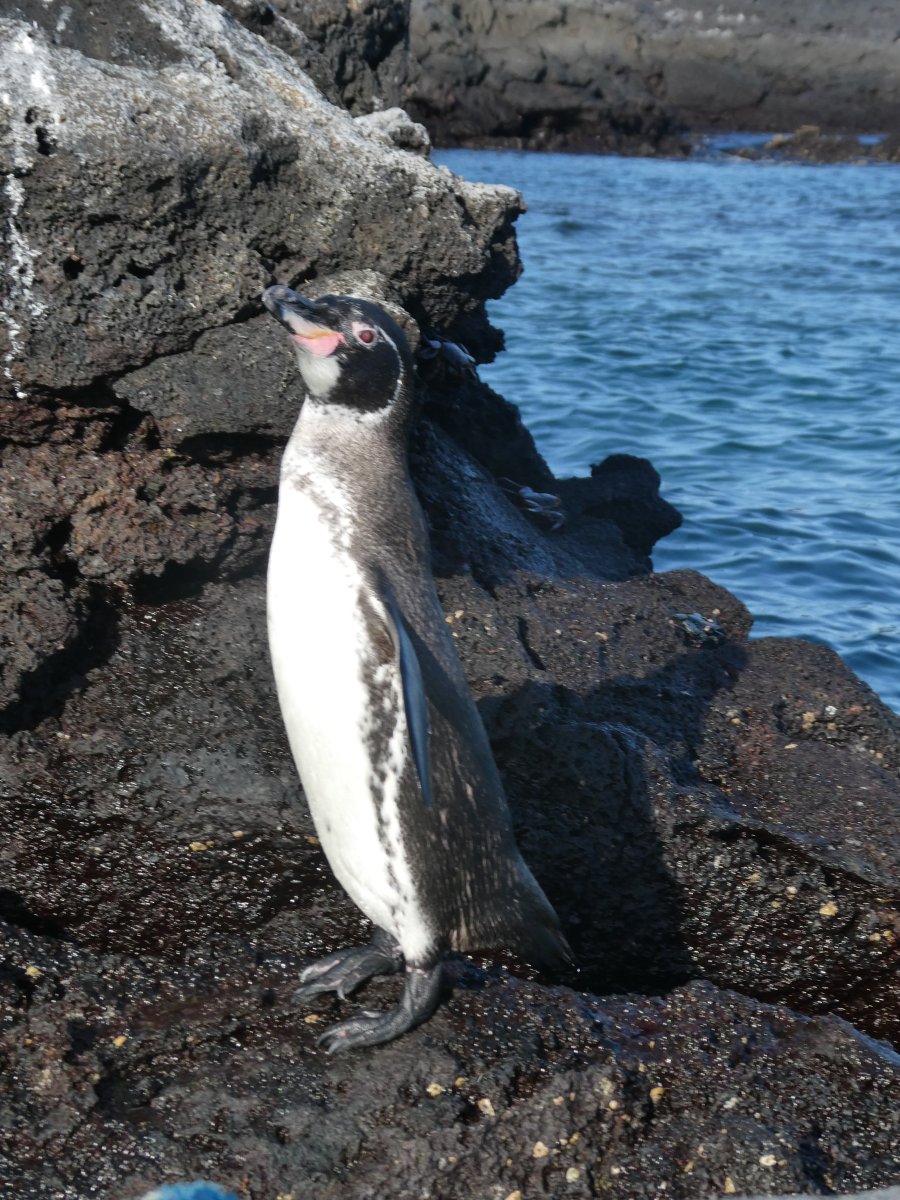
The penguins are also around and about.
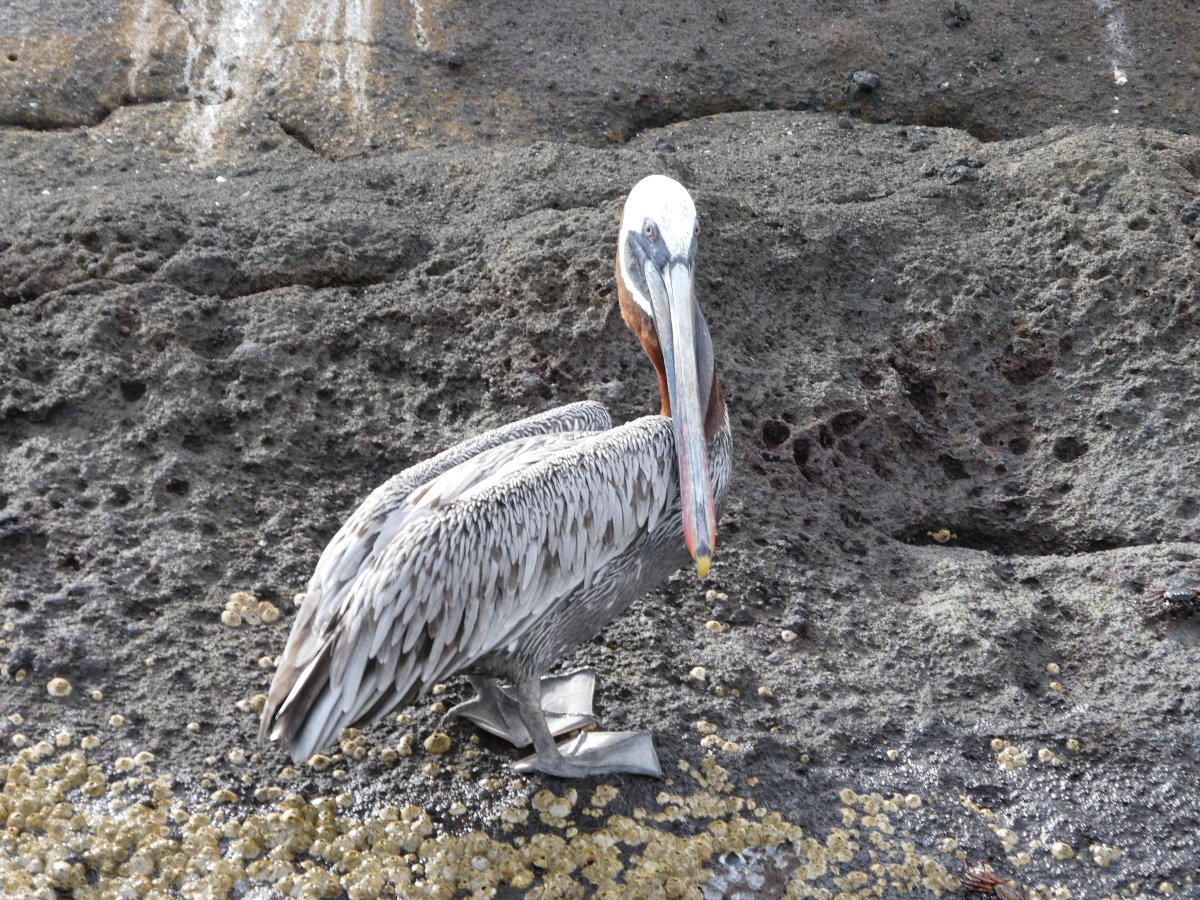
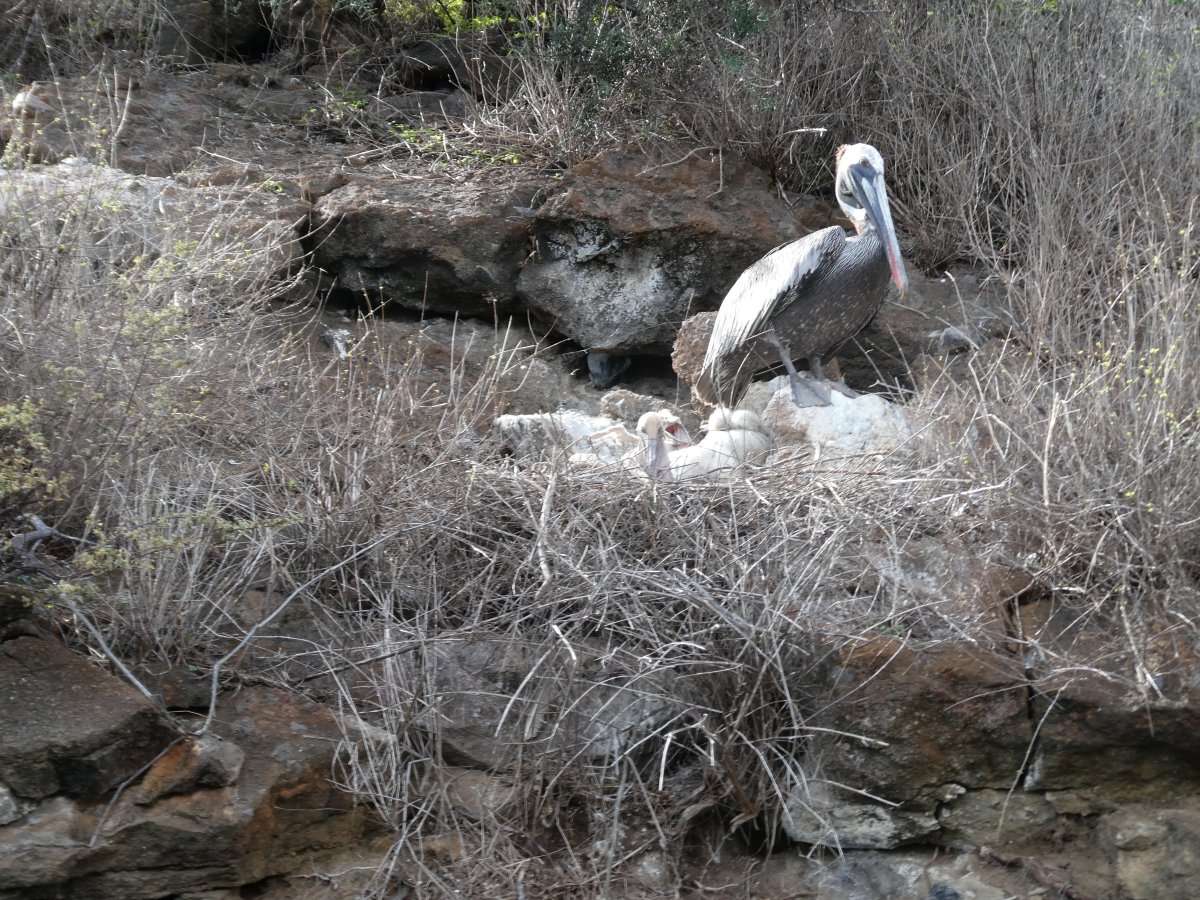
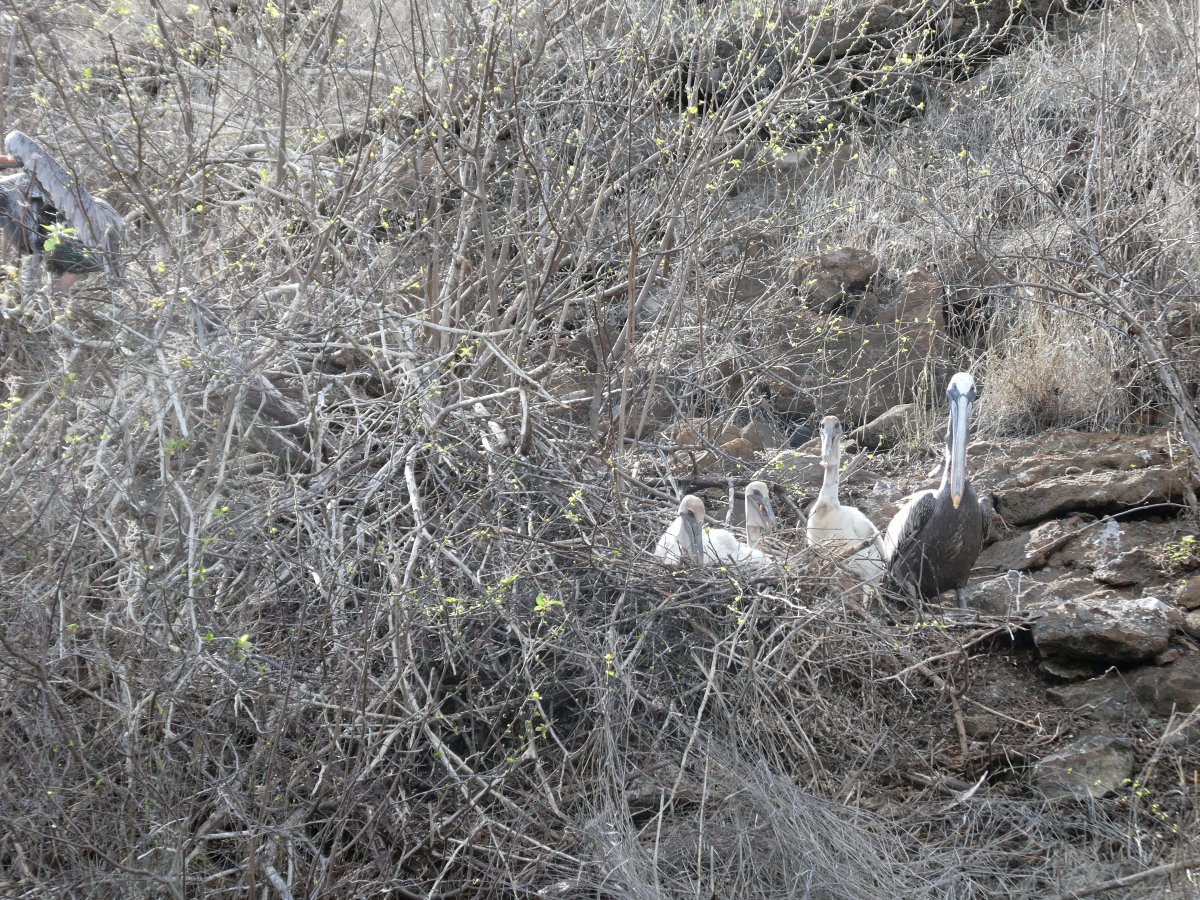
Pelicans
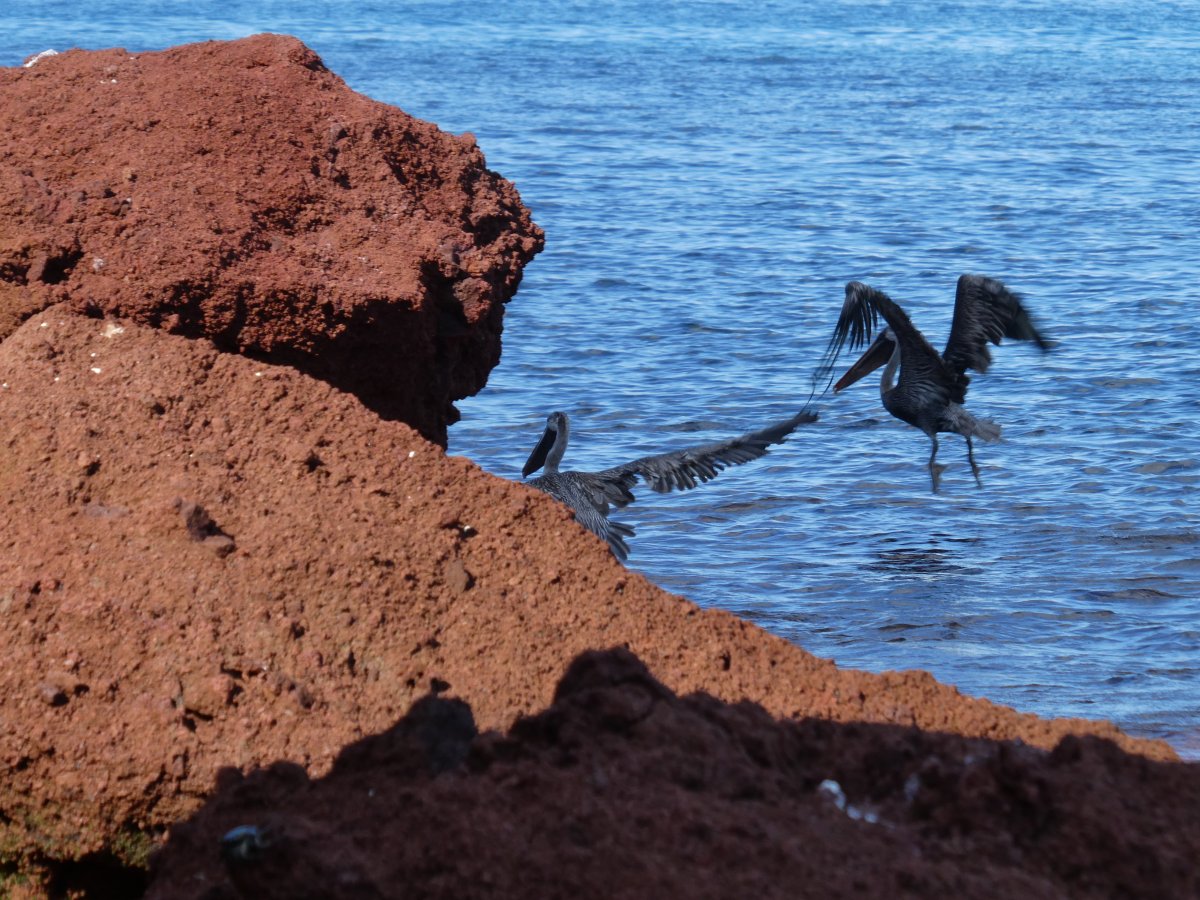
There were quite a lot of pelicans around and the two nests, one with much younger chicks and the other with older ones, were no more than 2-3 meters away from each other.
Blue footed boobies
The blue-footed boobies of course steal the show every time. They can only be found in the Galapagos and get the brilliant color from carotenoids found in the fish they eat.
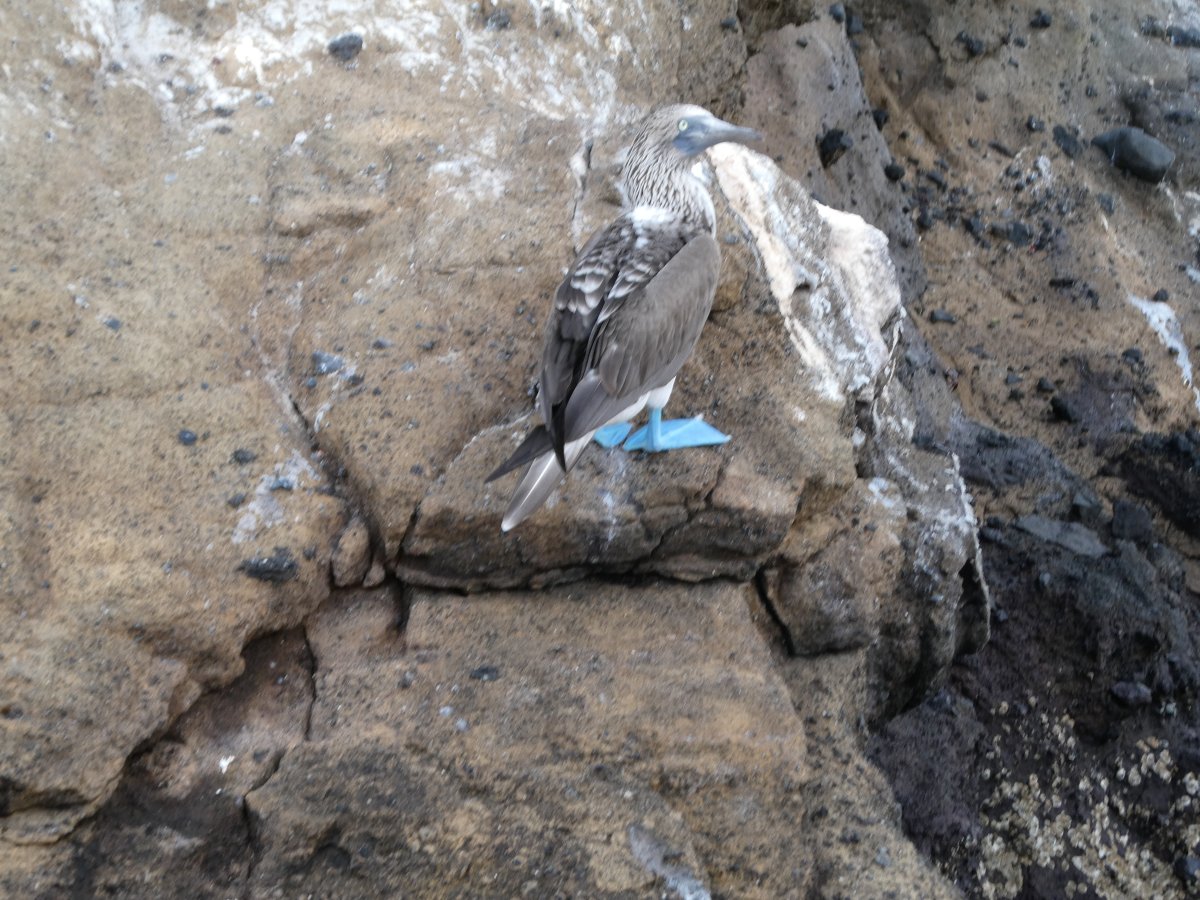
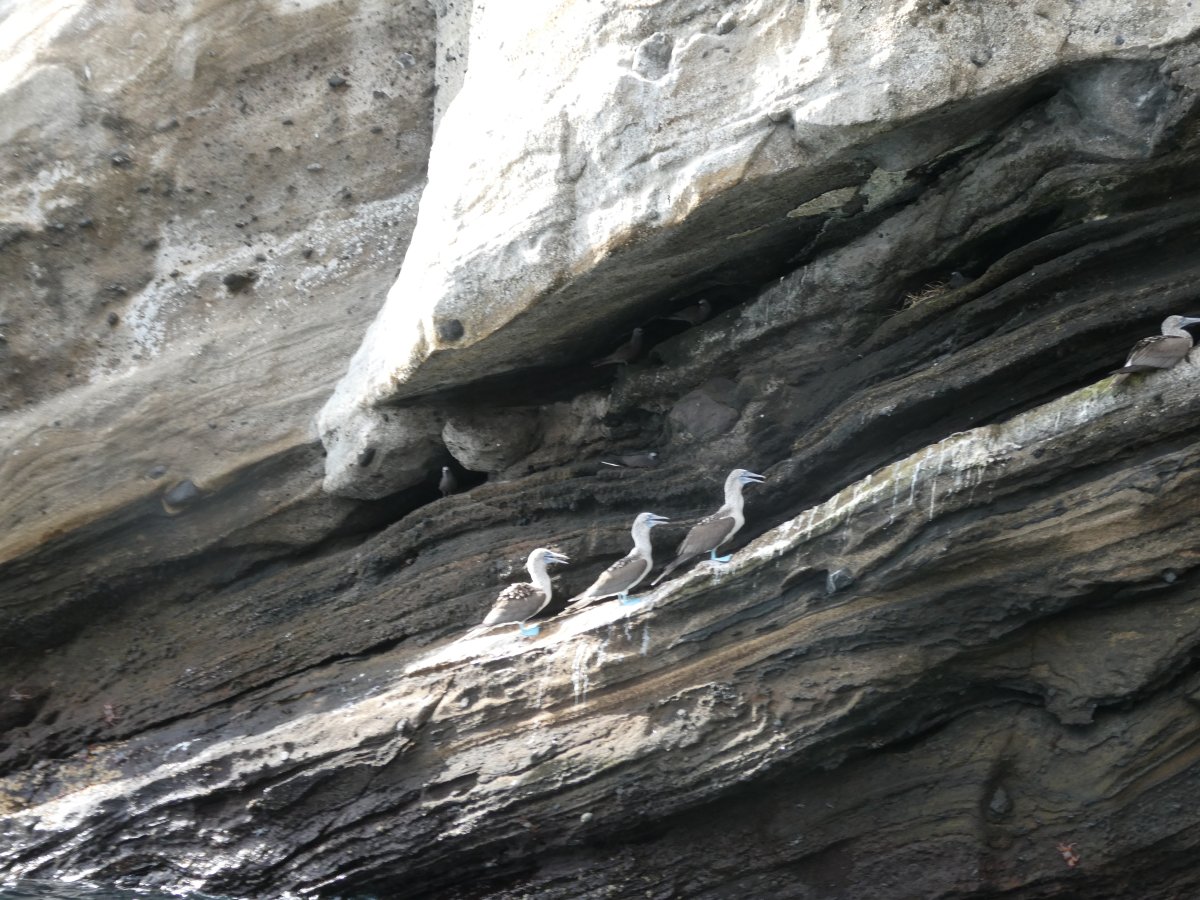
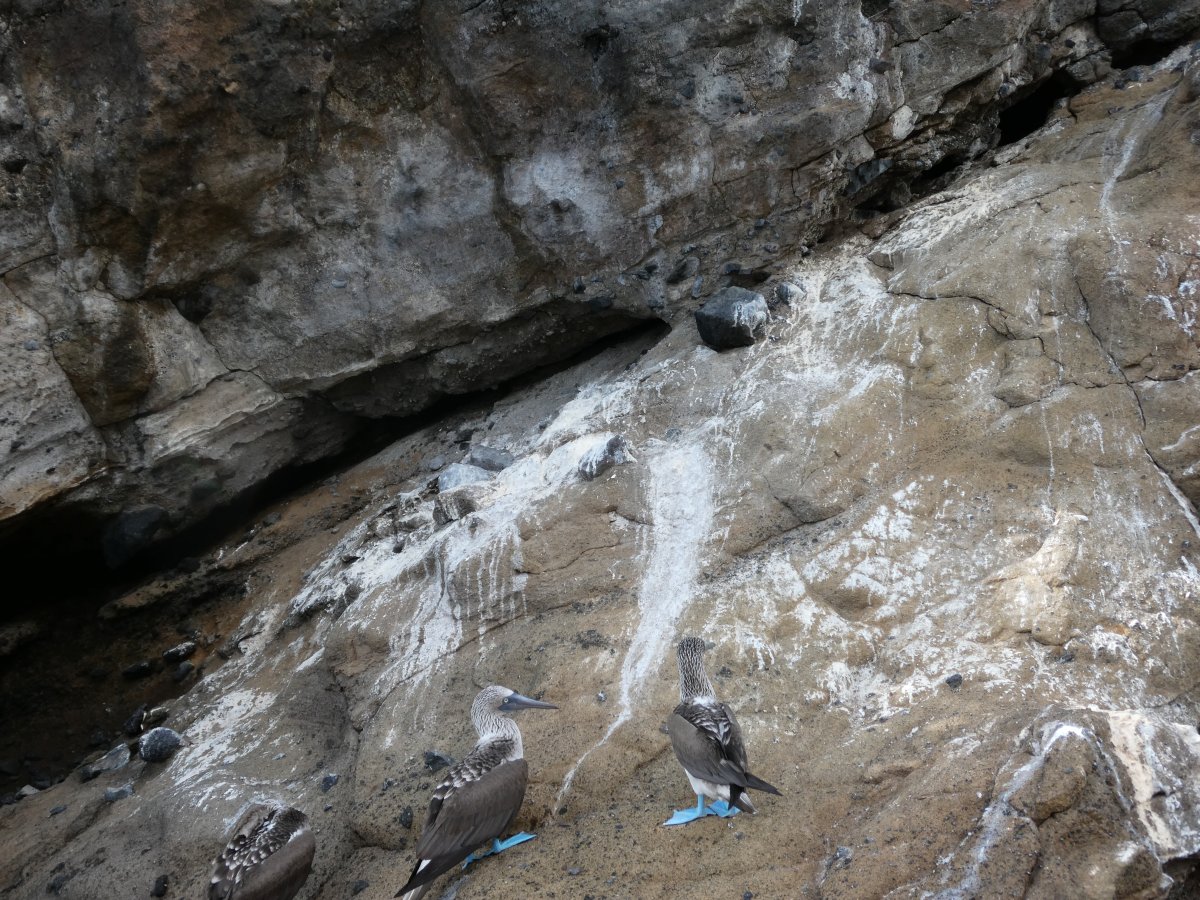
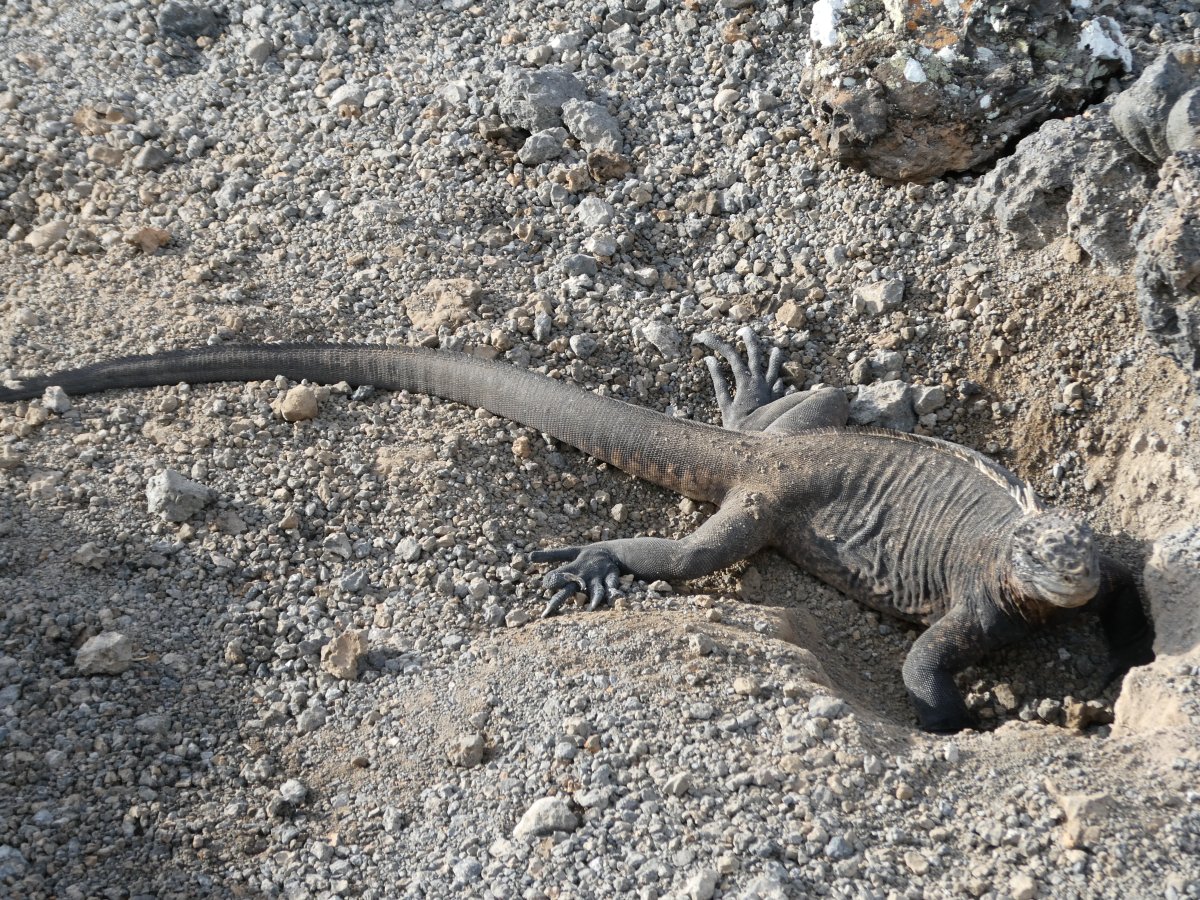
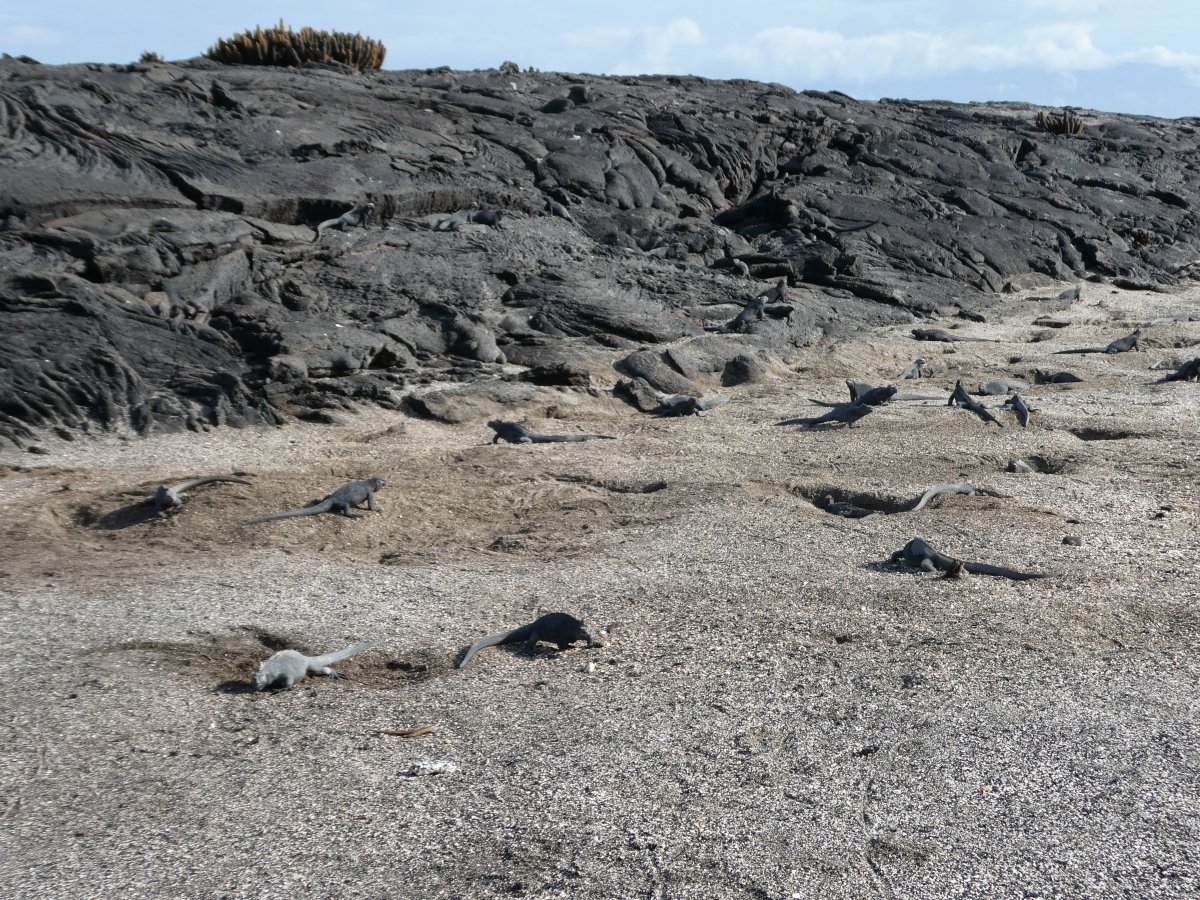
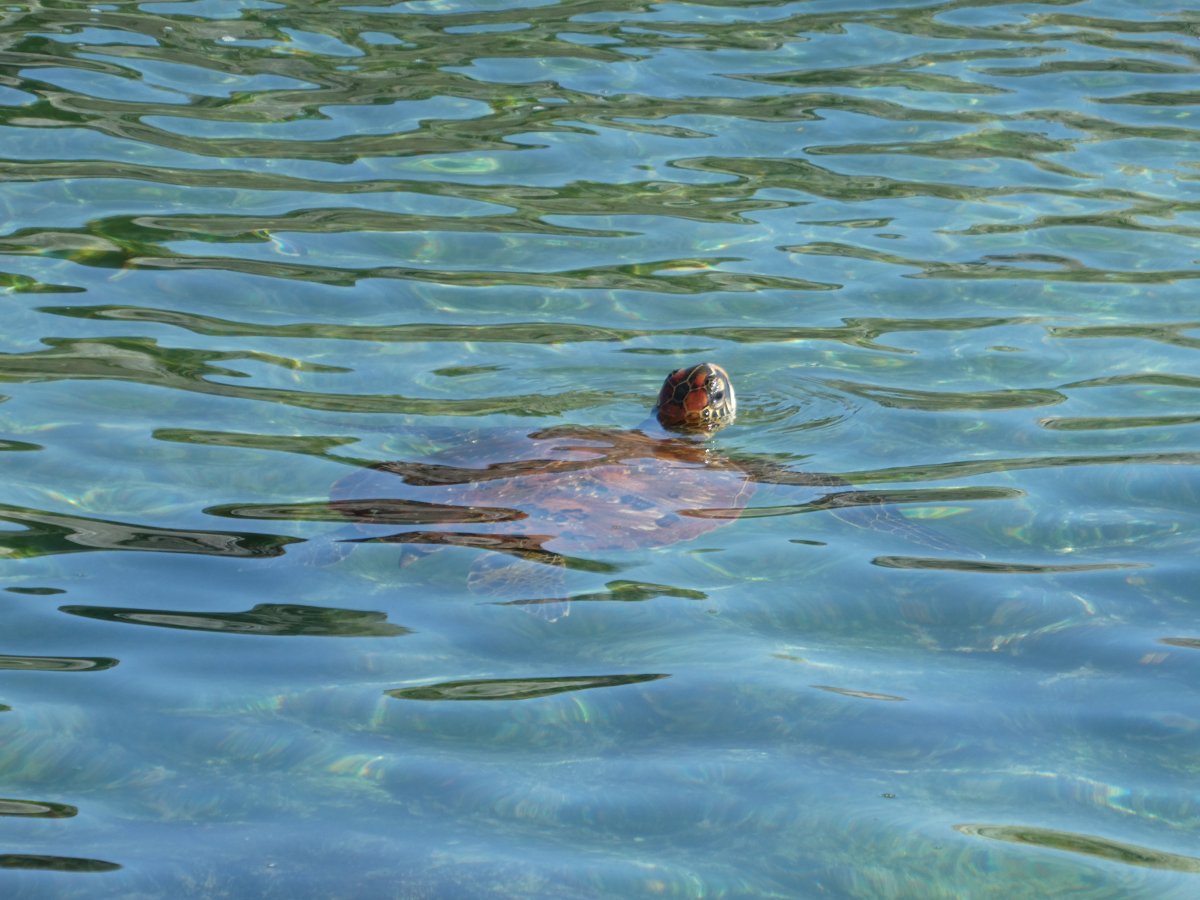
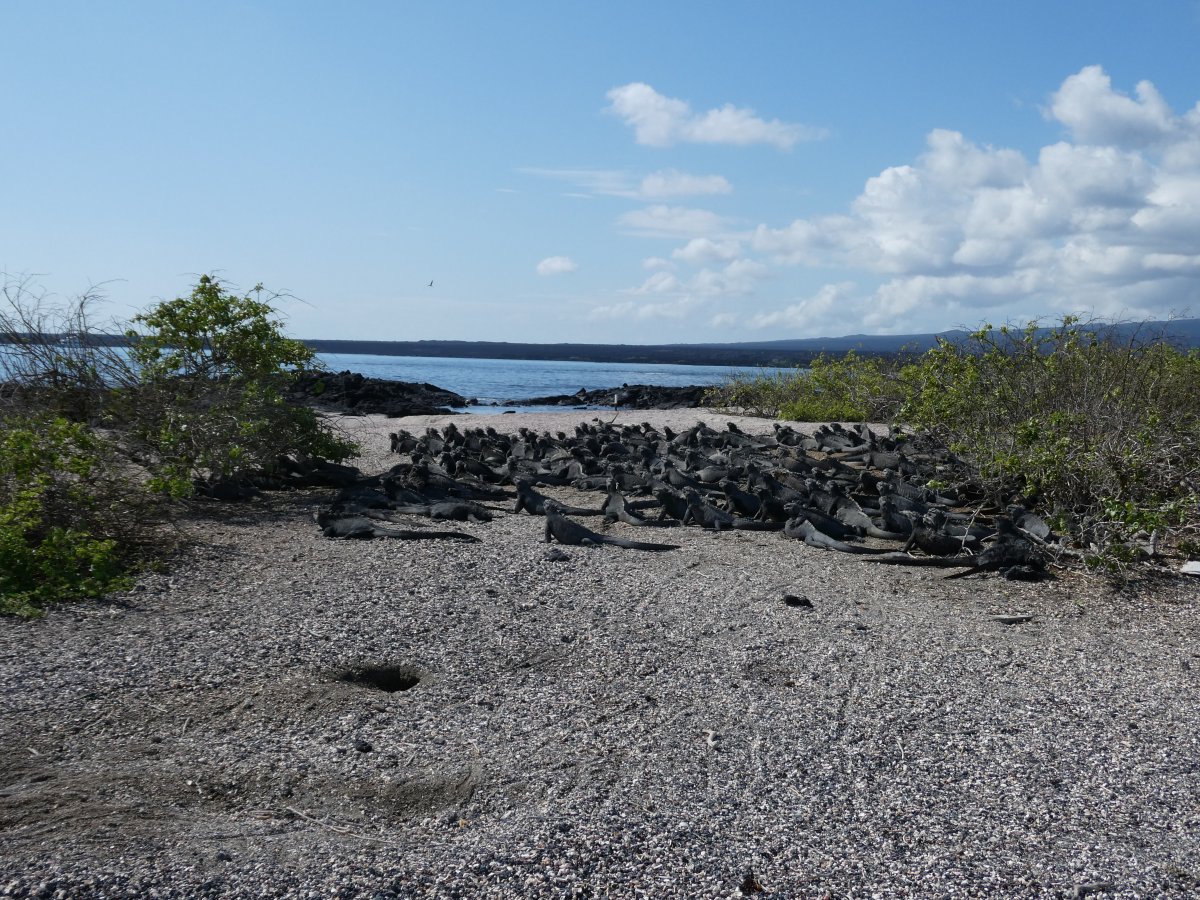
Another day, more iguanas and a lot of nest-digging going on, plus seemingly random large-scale reunions. A fairly rare turtle swam by ; they say its shell has been trafficked for quite high prices.
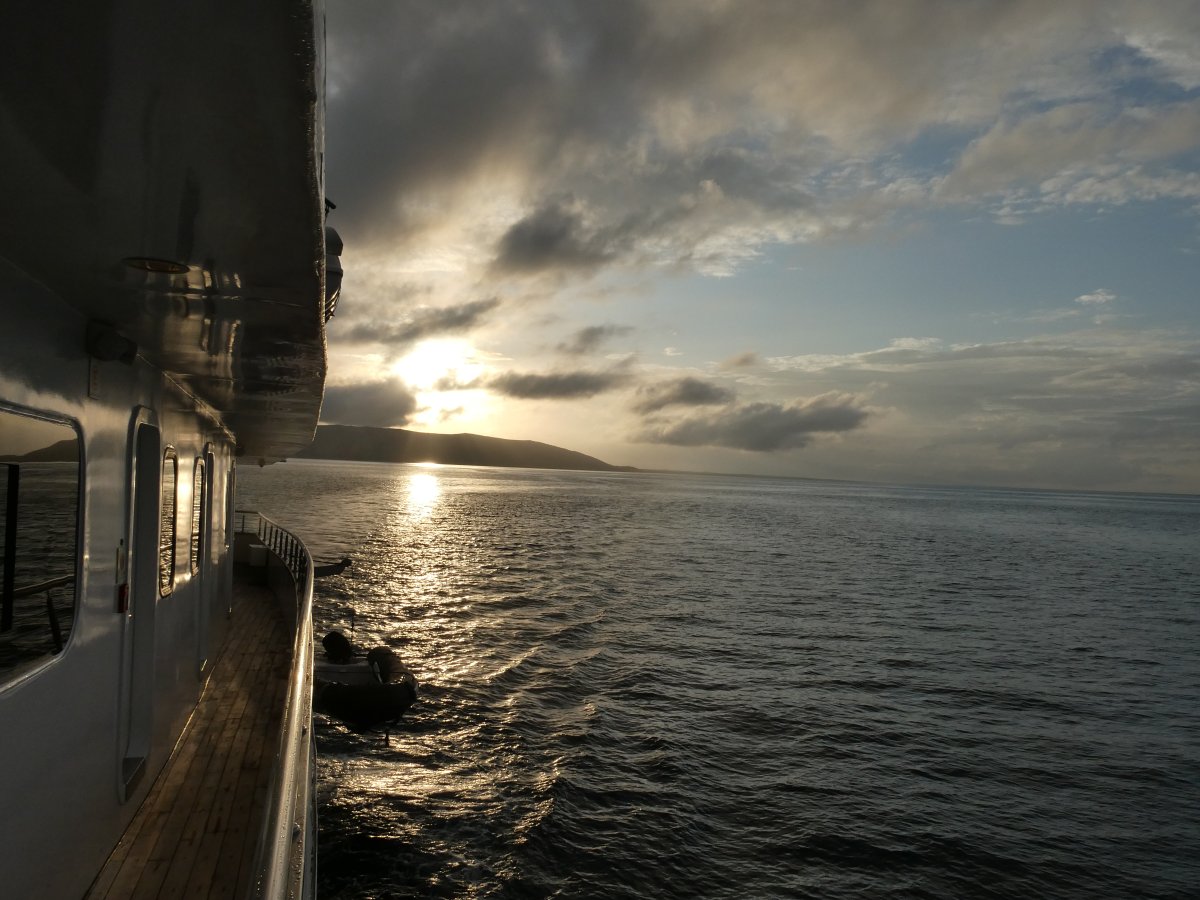
Lava fields
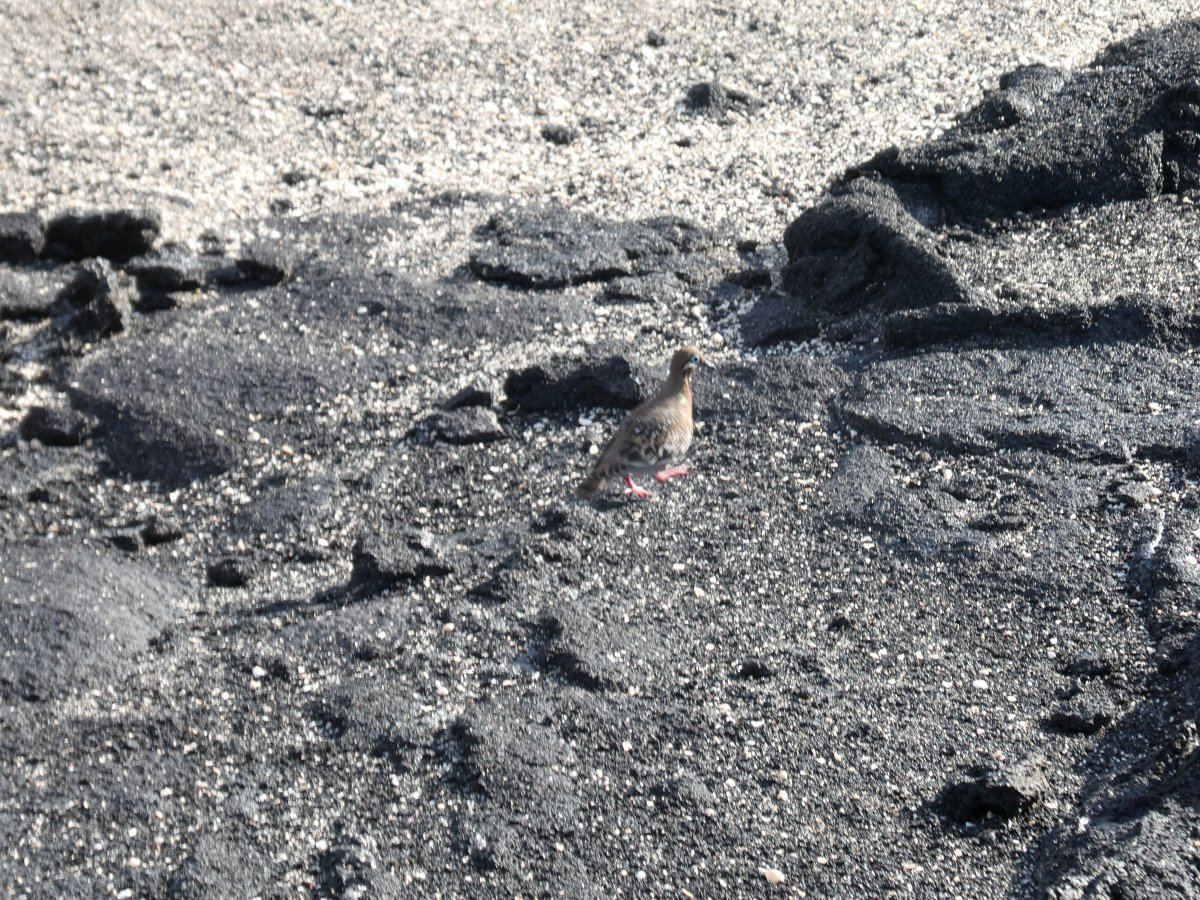
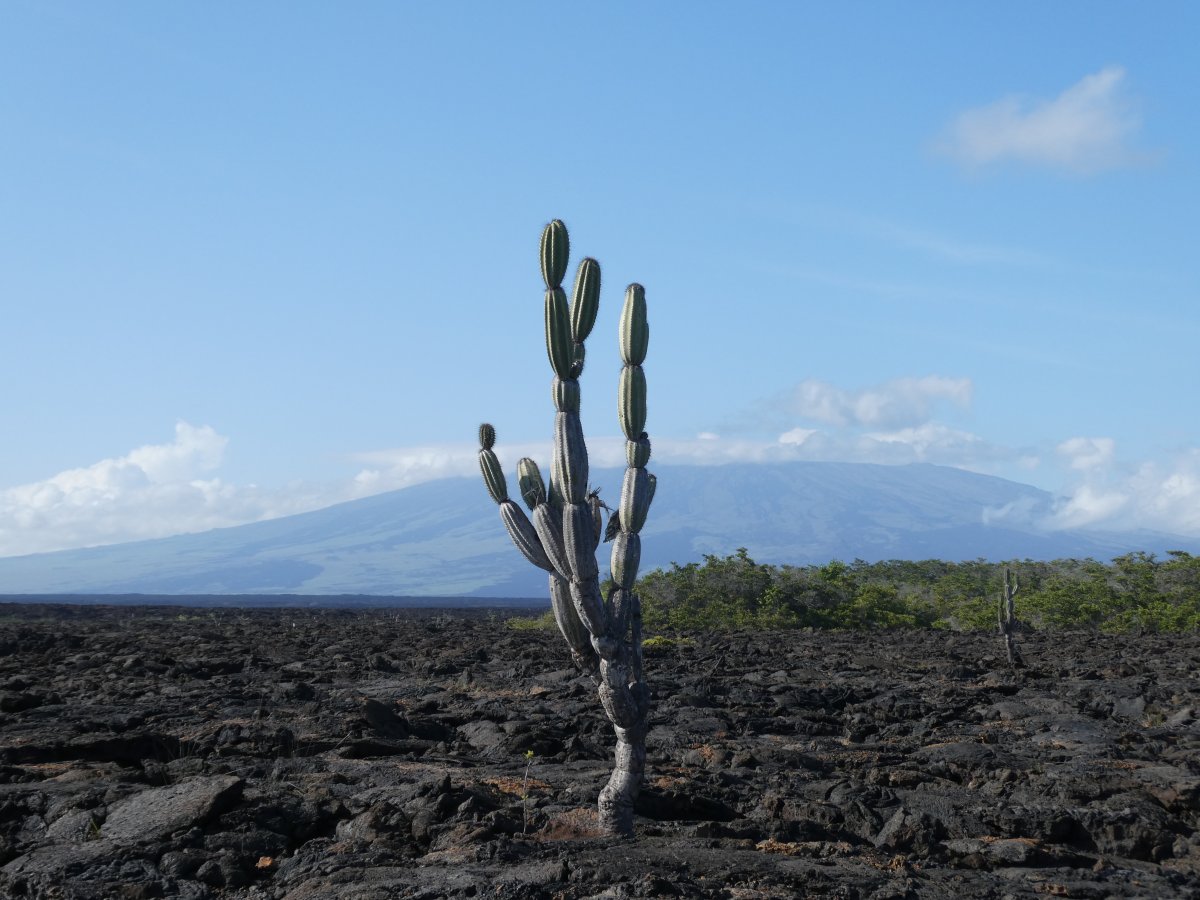
We saw quite a few lava fields on which pretty much only cactus grew, but which many animals seemed to like. The marine iguanas seemed to just be hanging around in the water. The hawk surveyed the surroundings for a suitable snack.
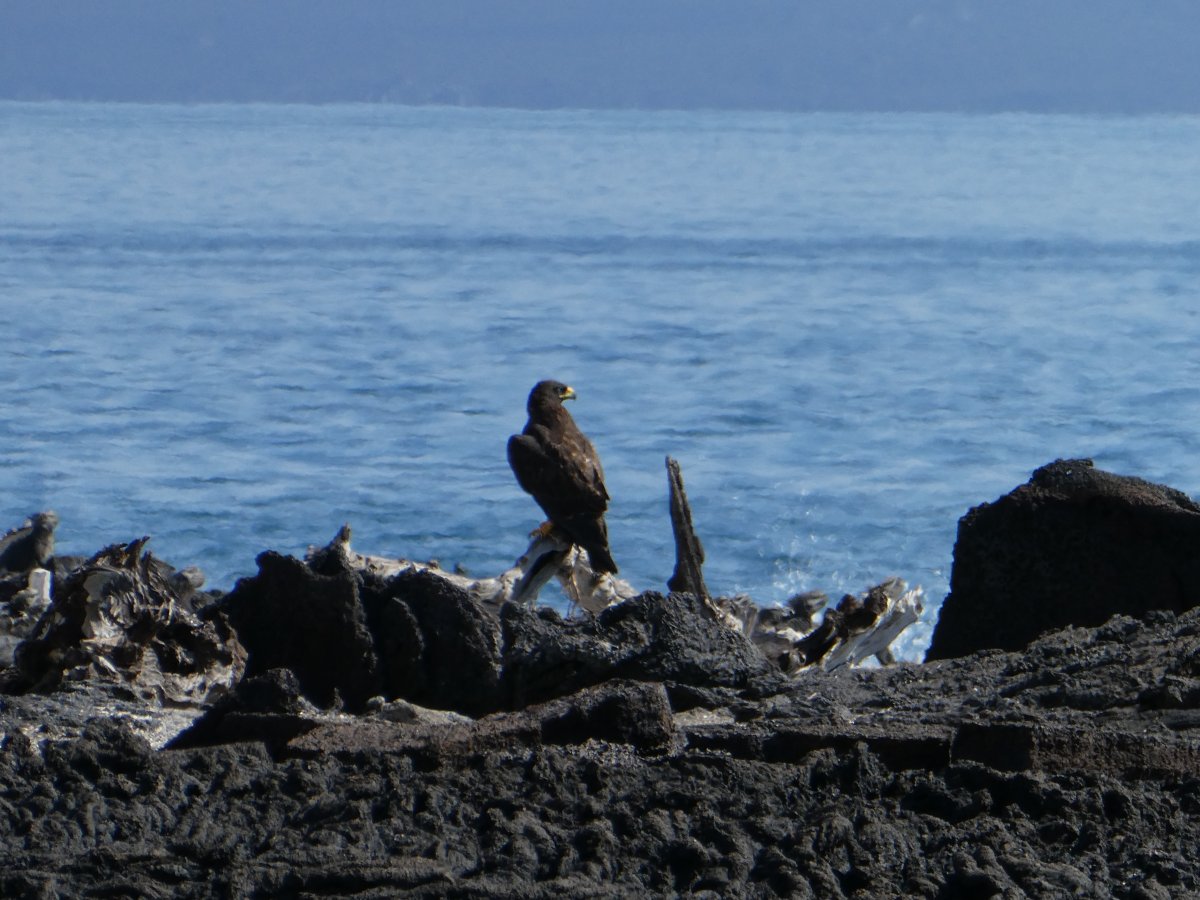
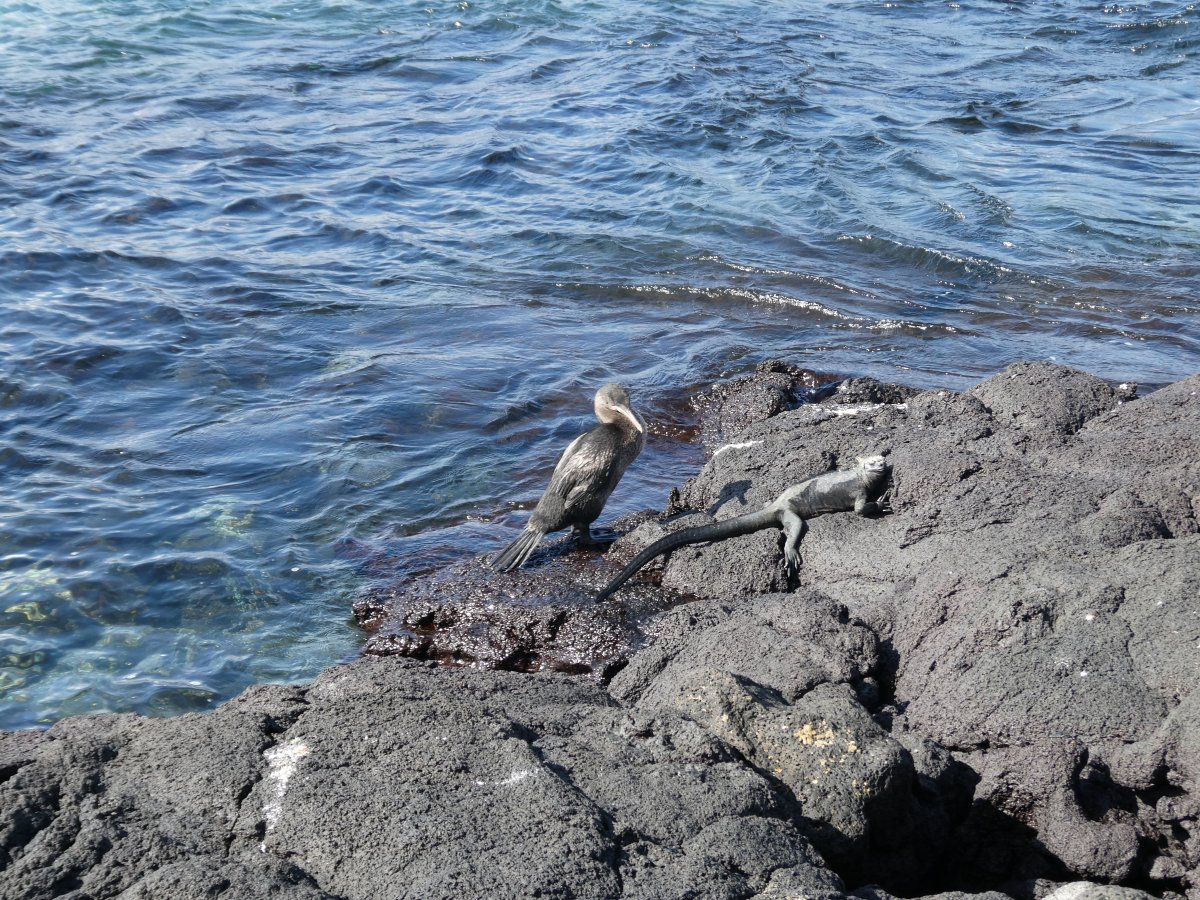
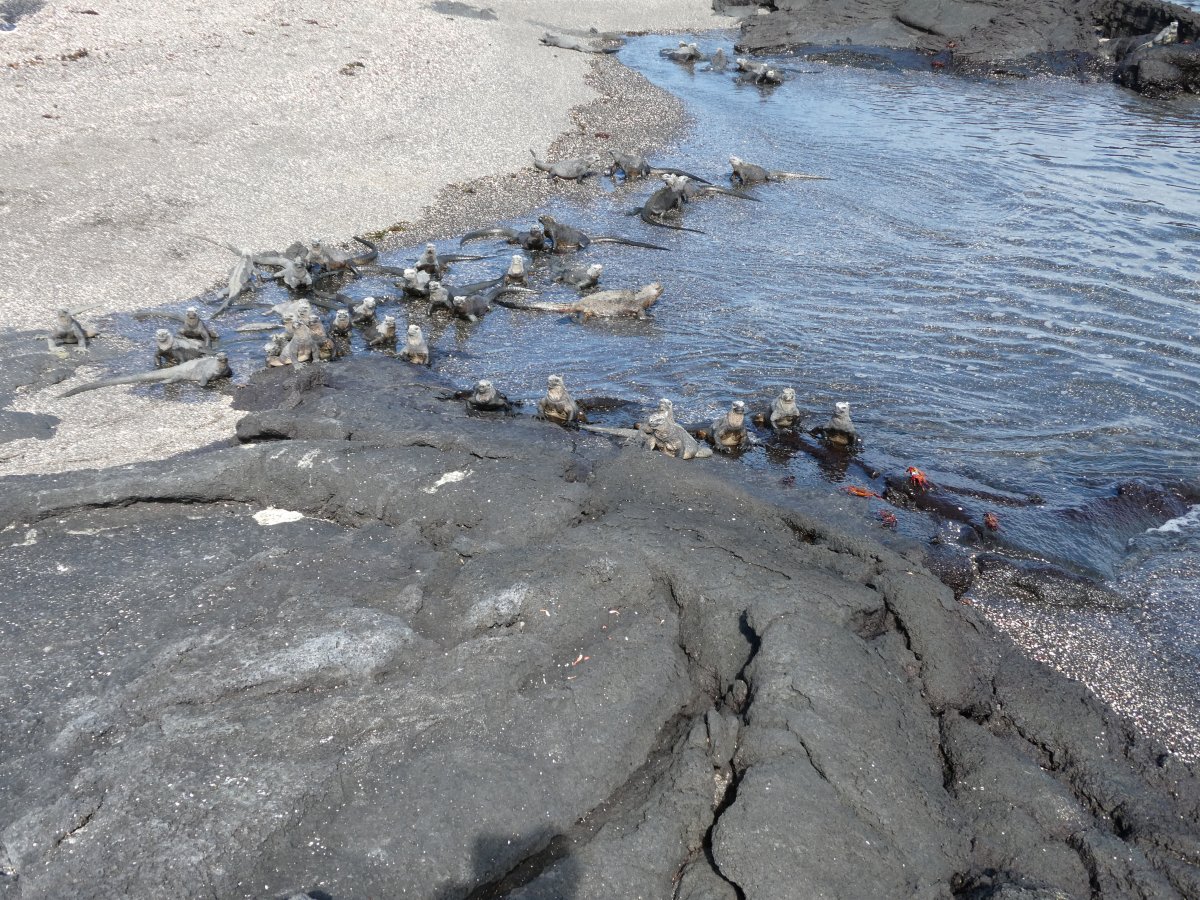
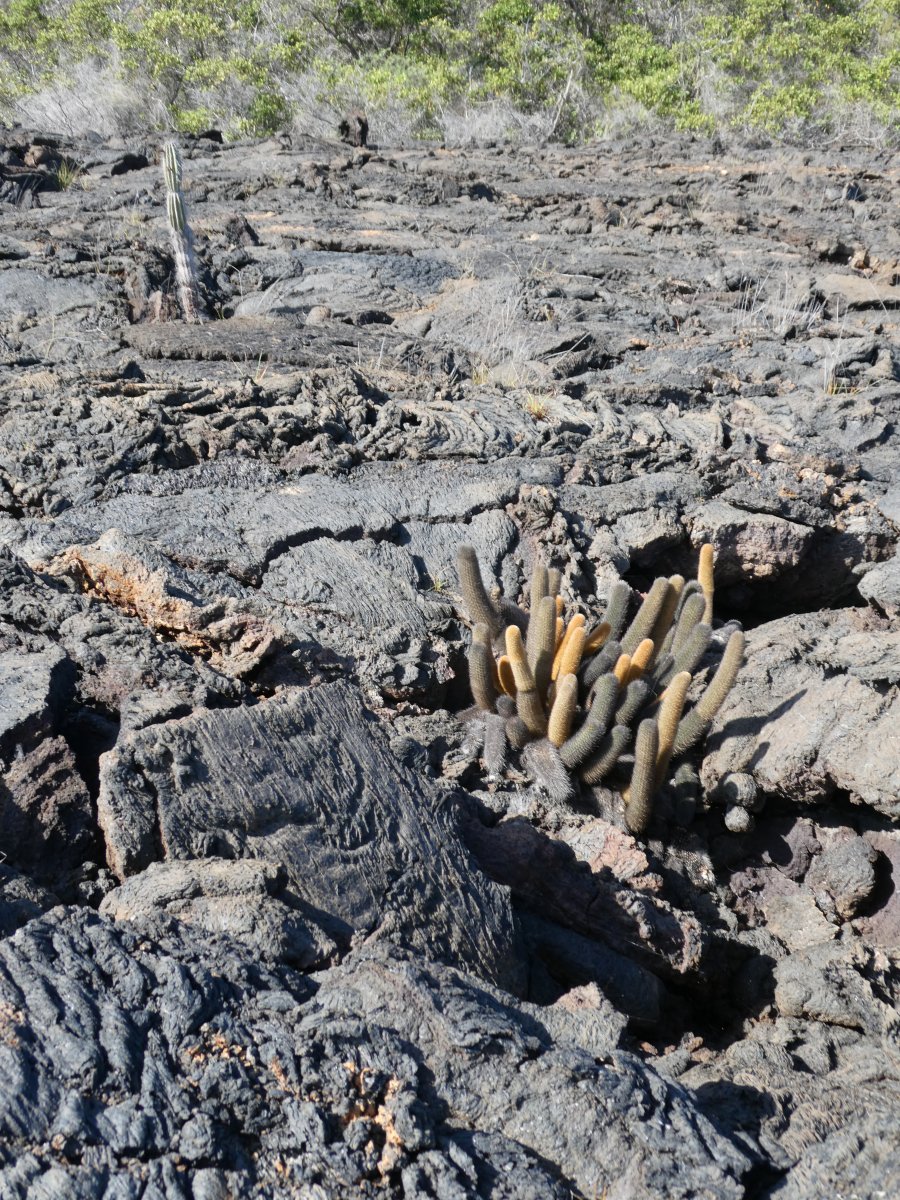
between Fernandina and Isabela islands
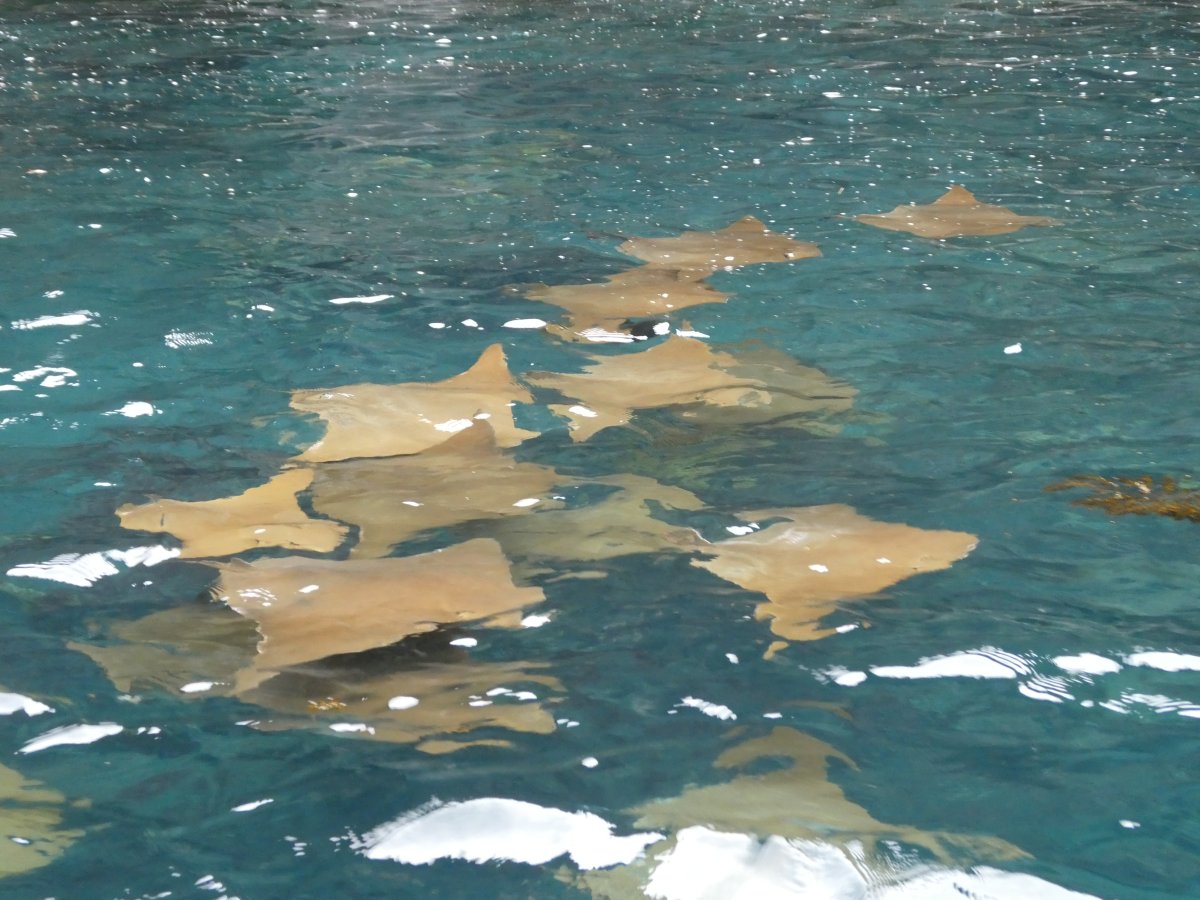
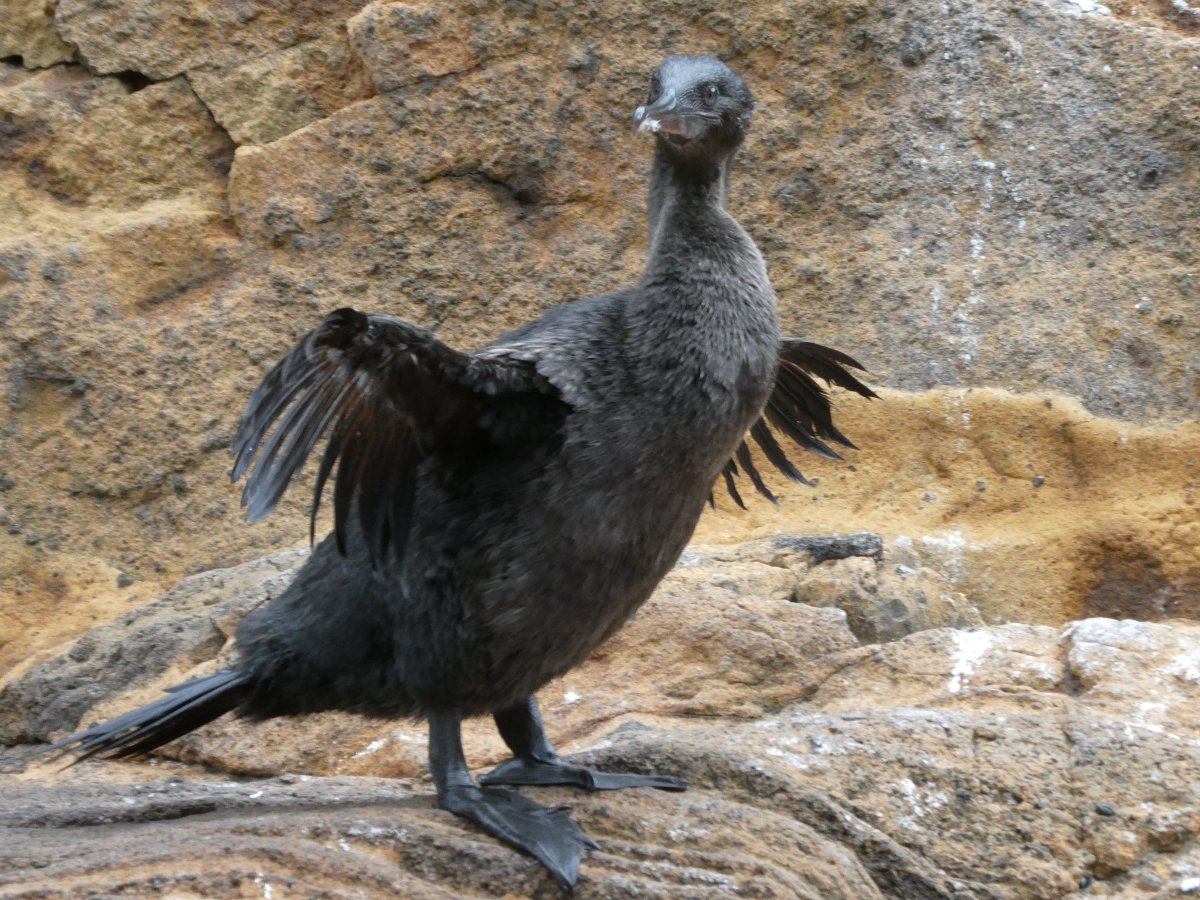
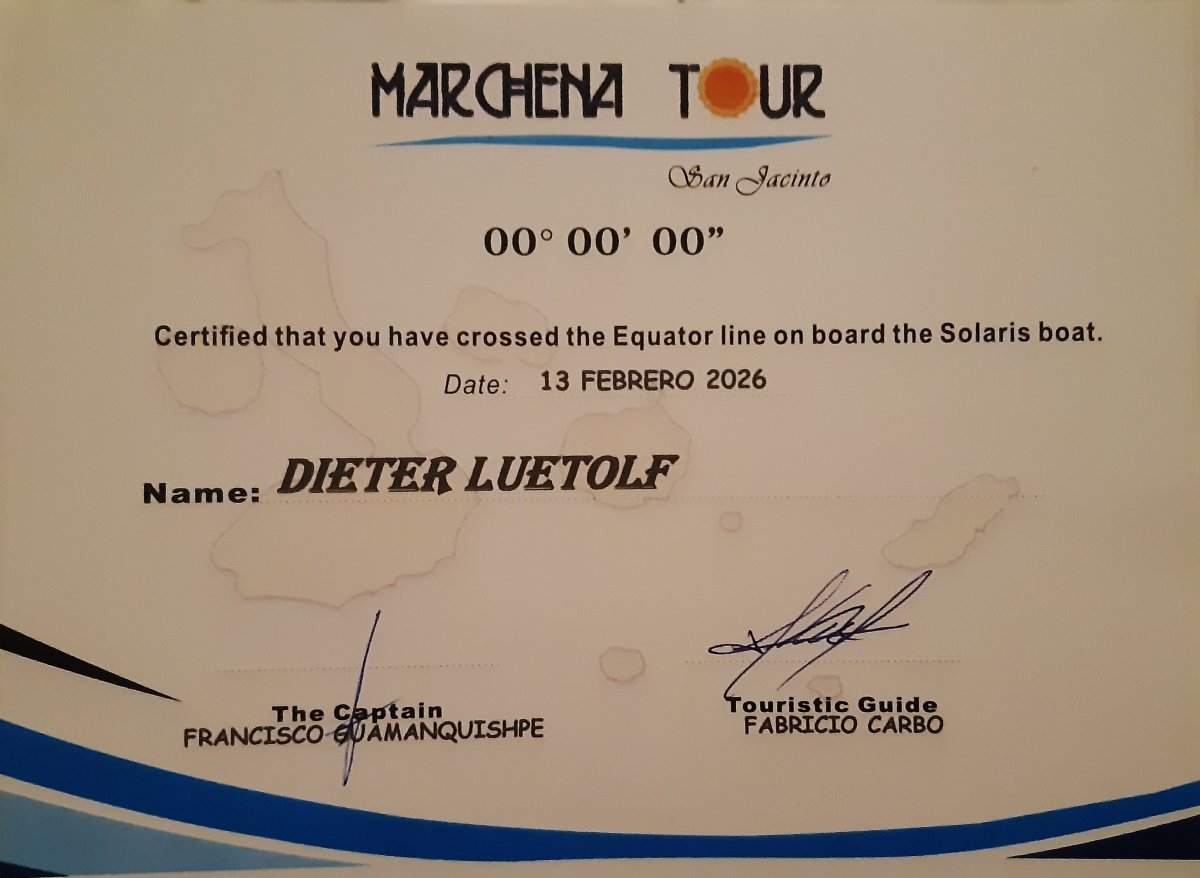
Cormoran drying his wings after fishing, our path crossed a squadron of manta rays and later somewhere north of Fernandina, we crossed the equator which prompted a minor celebration. I received a certificate commemorating my great achievement.
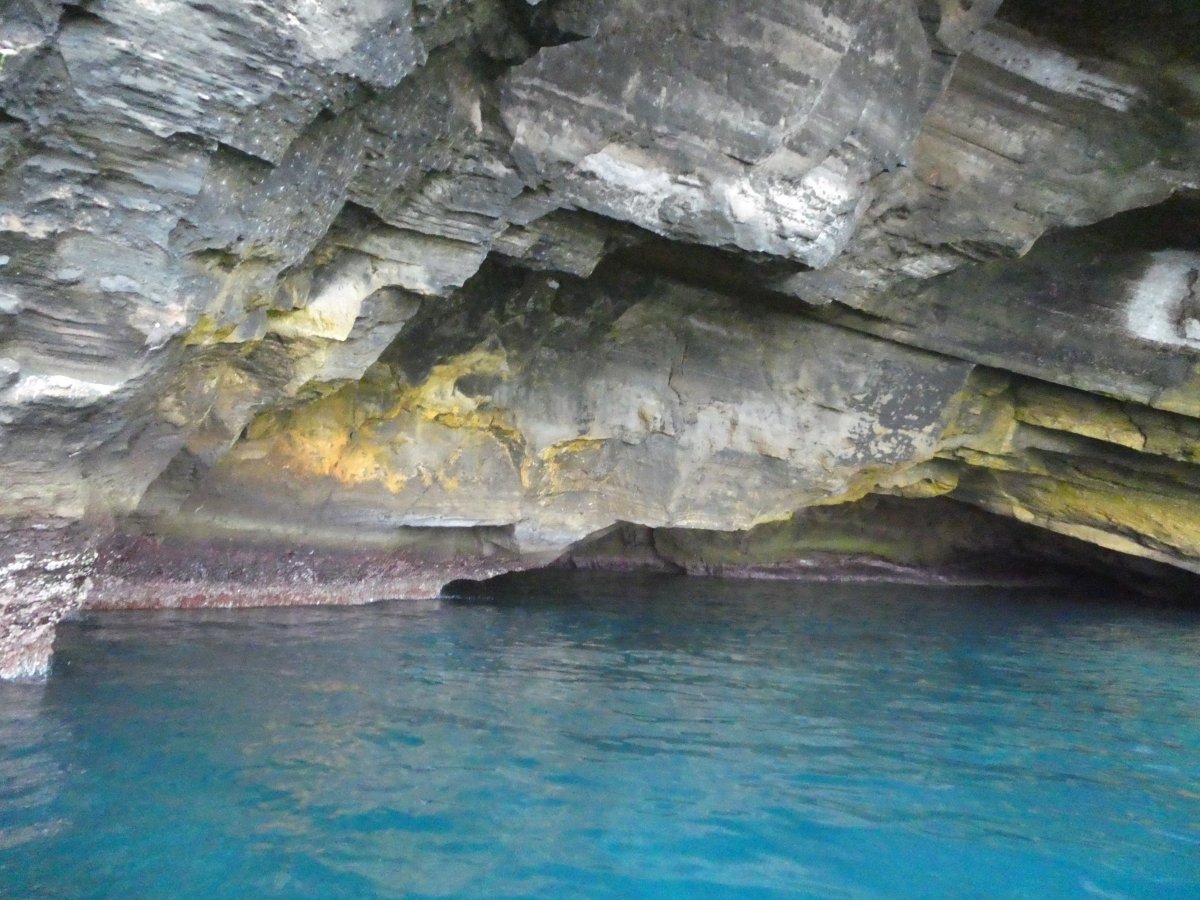
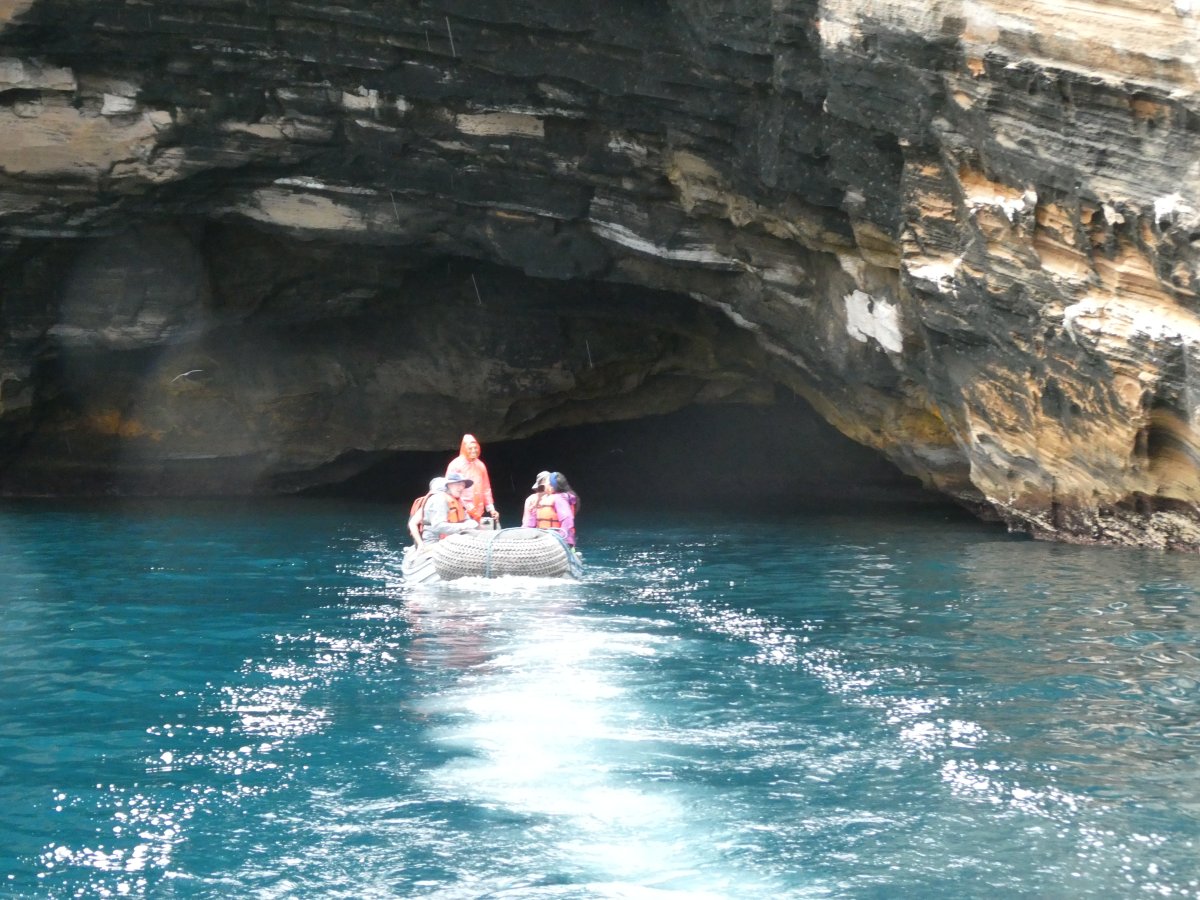
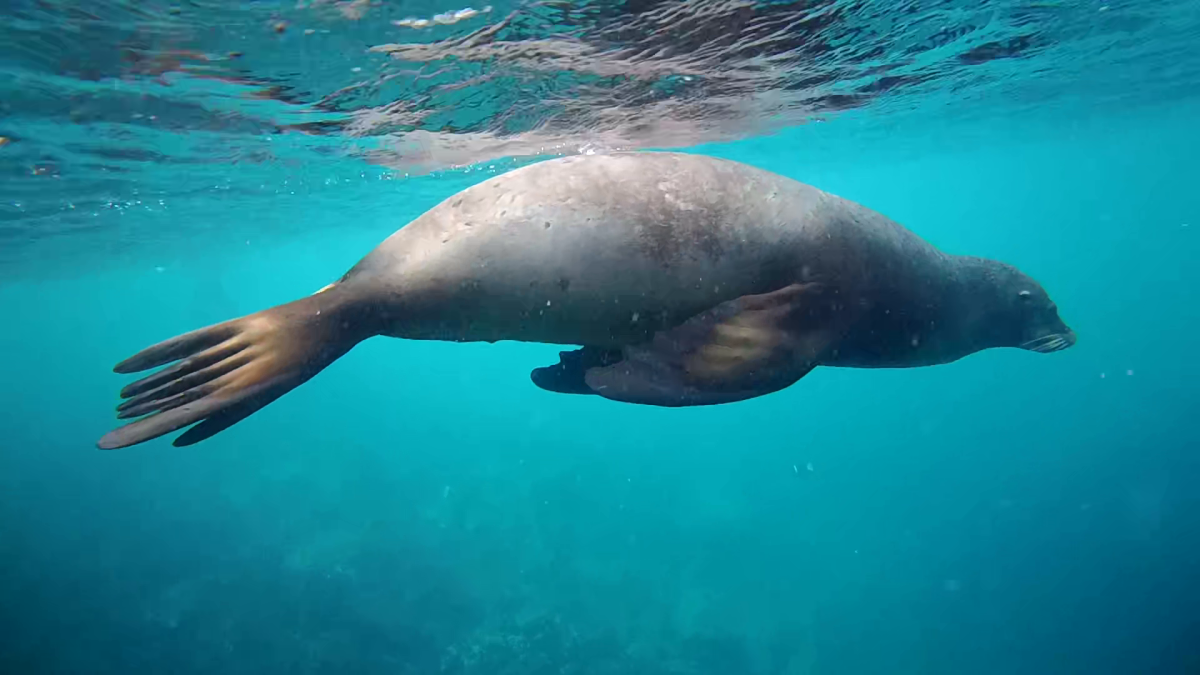
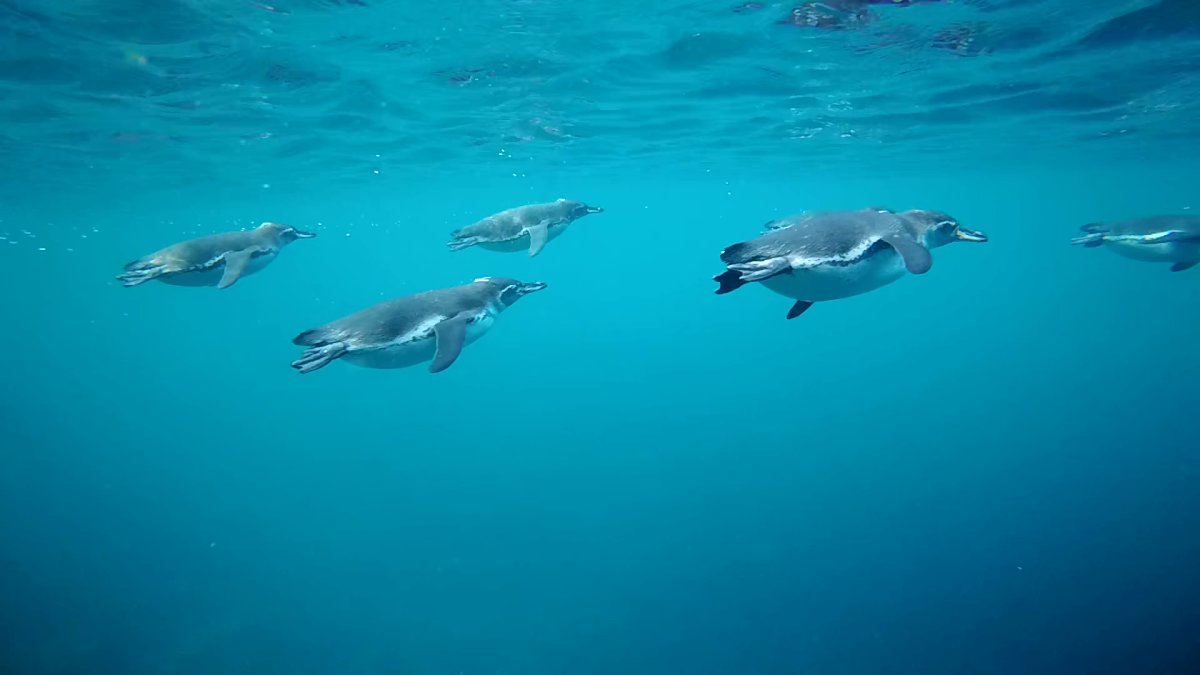
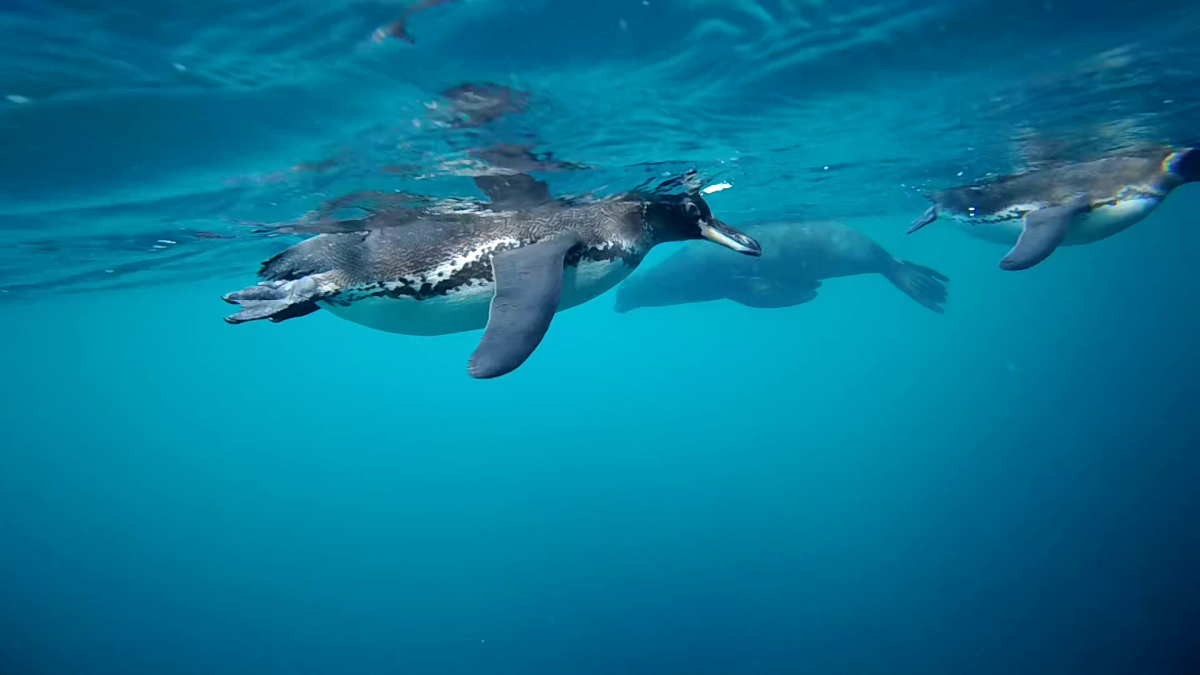
Snorkeling was a regular part of our day, mostly twice each day. It was remarkable how little the animals and fish were concerned by our presence.

Snorkelling
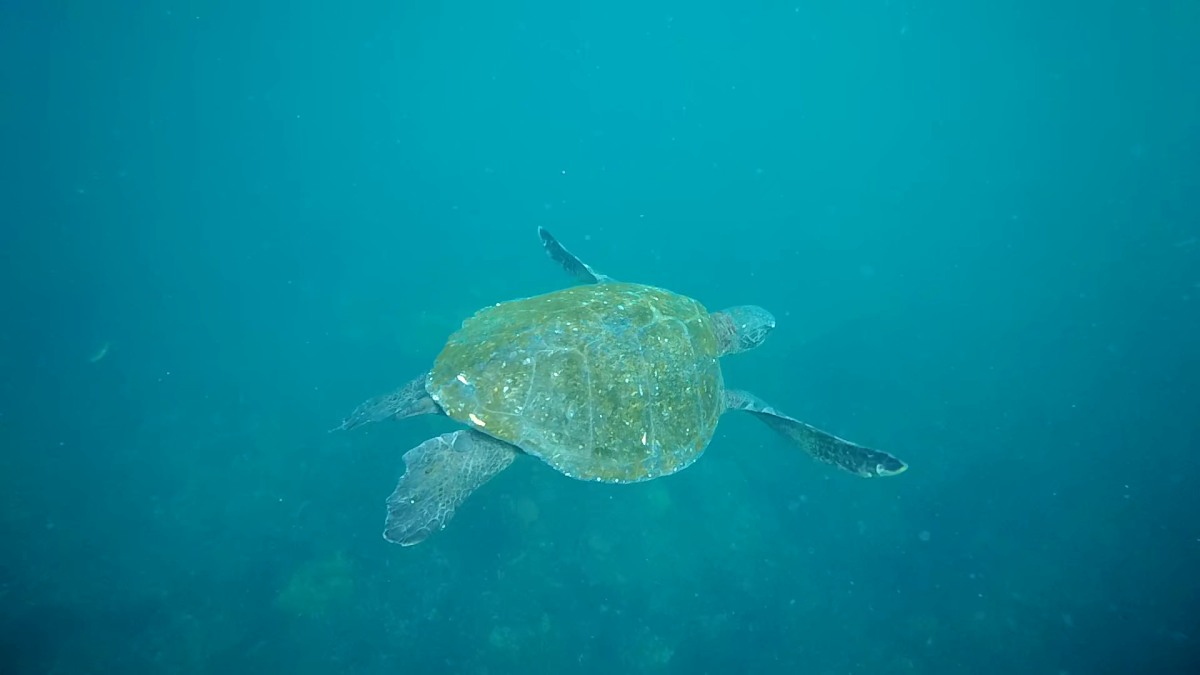
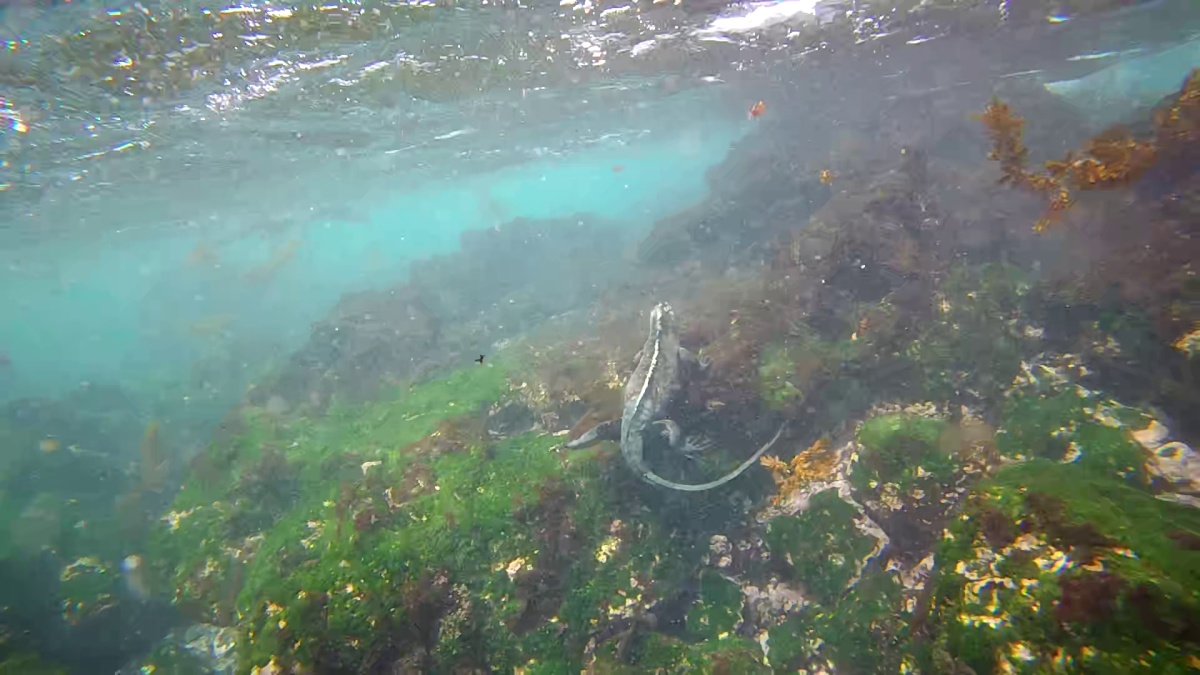
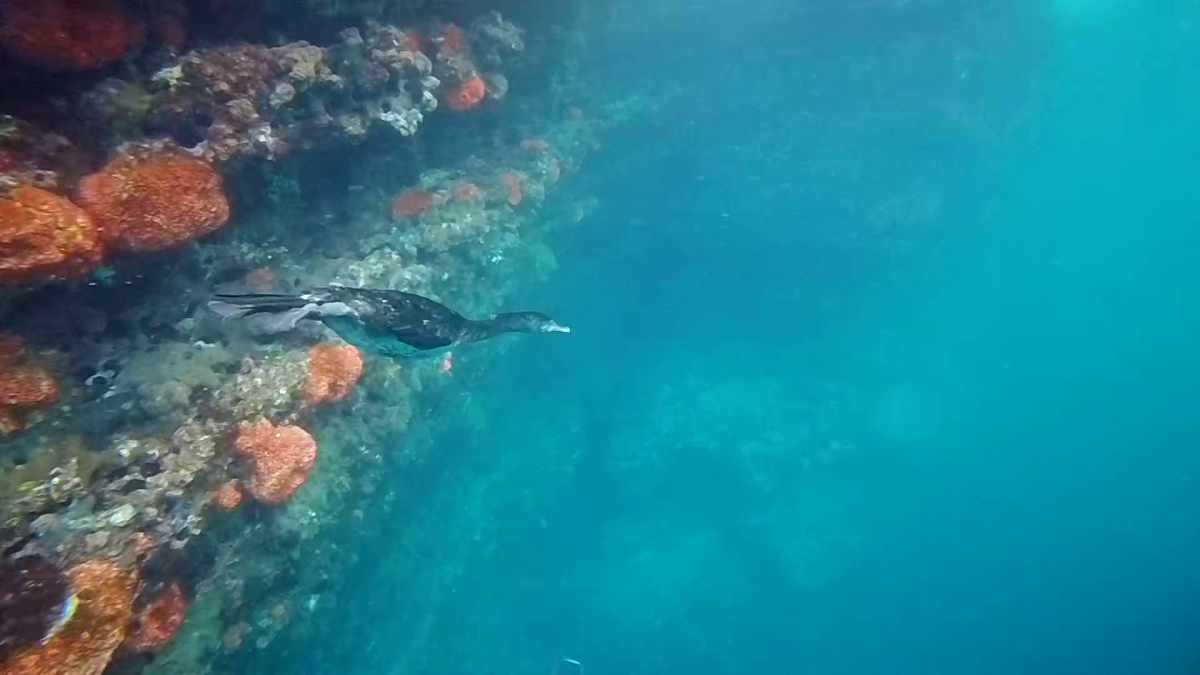
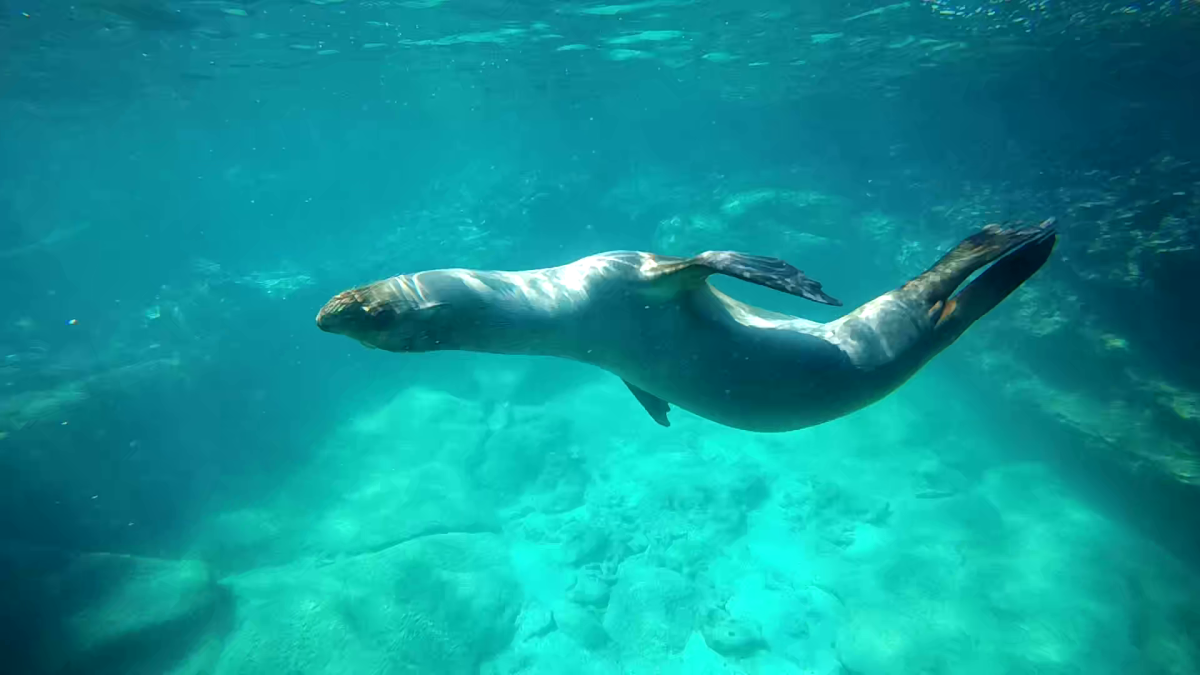
I was watching a seal who seemed to be asleep., almost close enough to touch. He barely moved. Suddenly, a whole squadrom of penguins came shooting by, a flightless cormoran was just as fast, straight as a spear and another sealion showed his underwater gymnastic skills as he went by on his back. The turtle was a picture of complete elegance, oblivious to my presence. The marine iguana chewed on some of the underwater vegetables. I had been hoping to catch one diving into the ocean, but they were just too fast.
Santiago Island
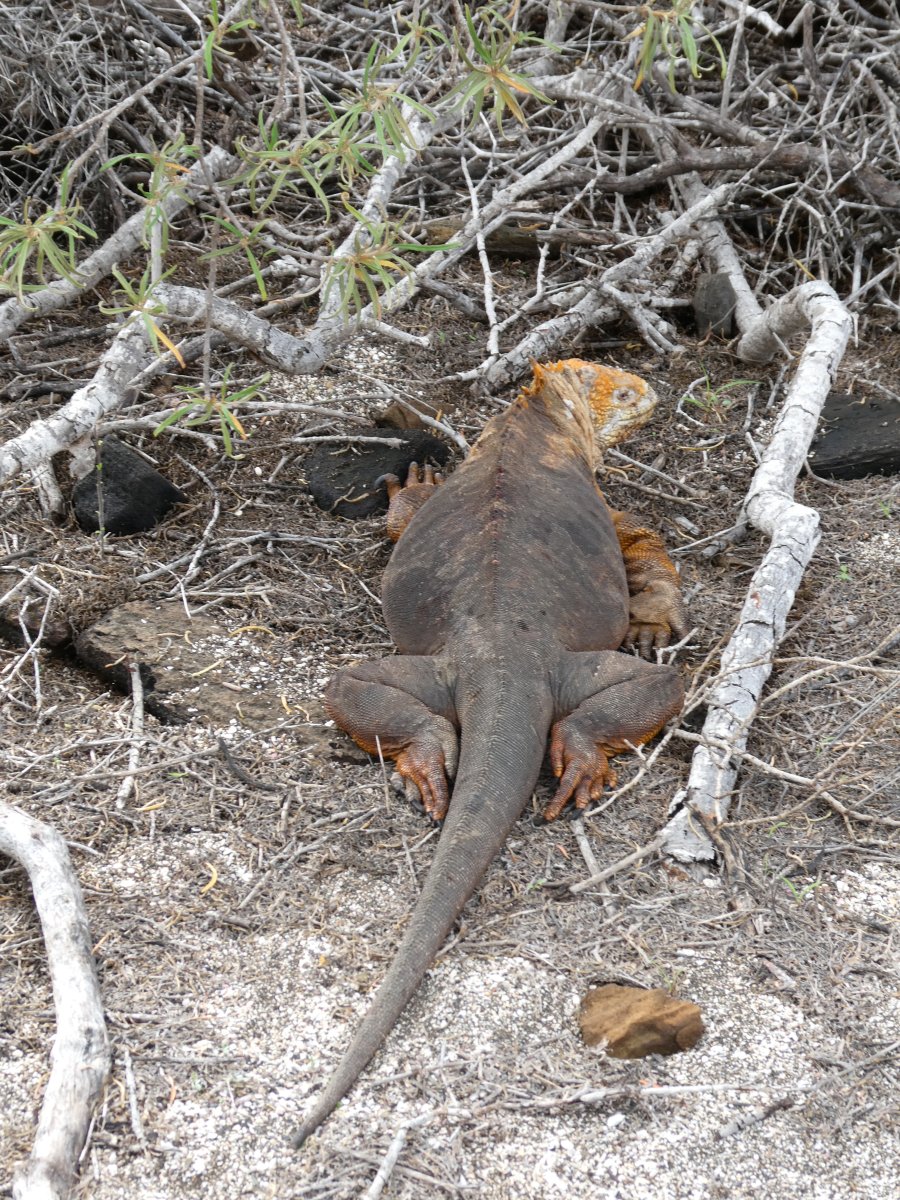
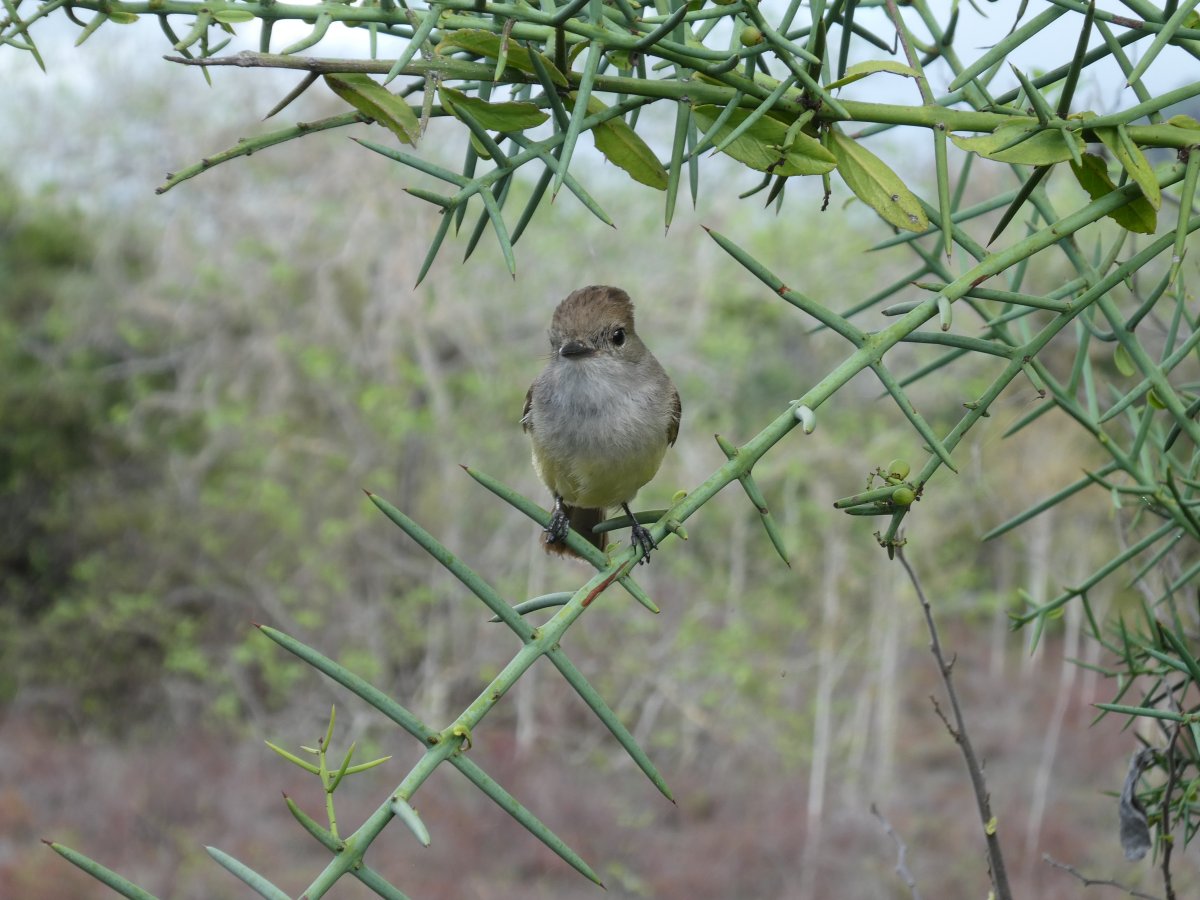
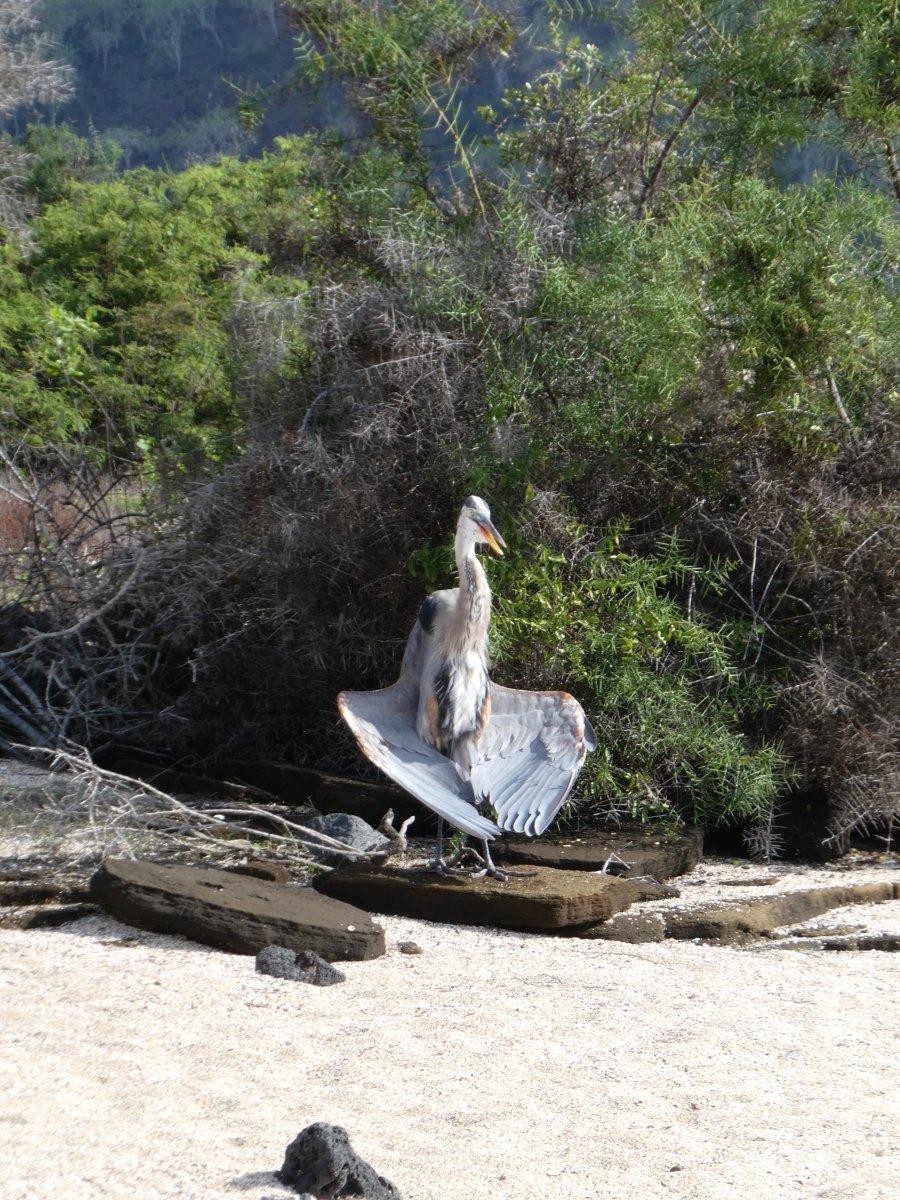
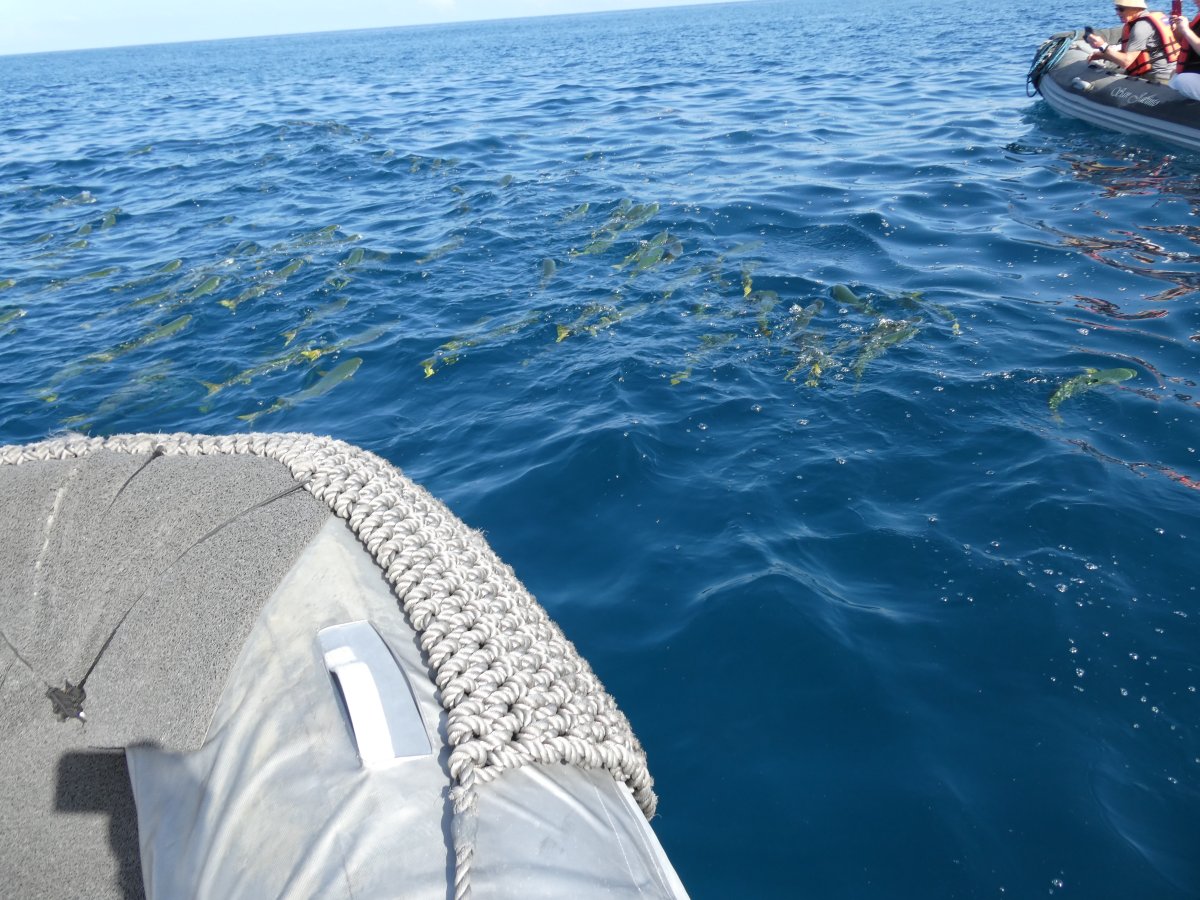
Blue heron drying his wings, a hitchhiker, hundreds of mulllets (those green fish) a land iguana, just to name a few. The little flycatcher followed us around and it's a wonder he didn't try to build a nest on one of us.
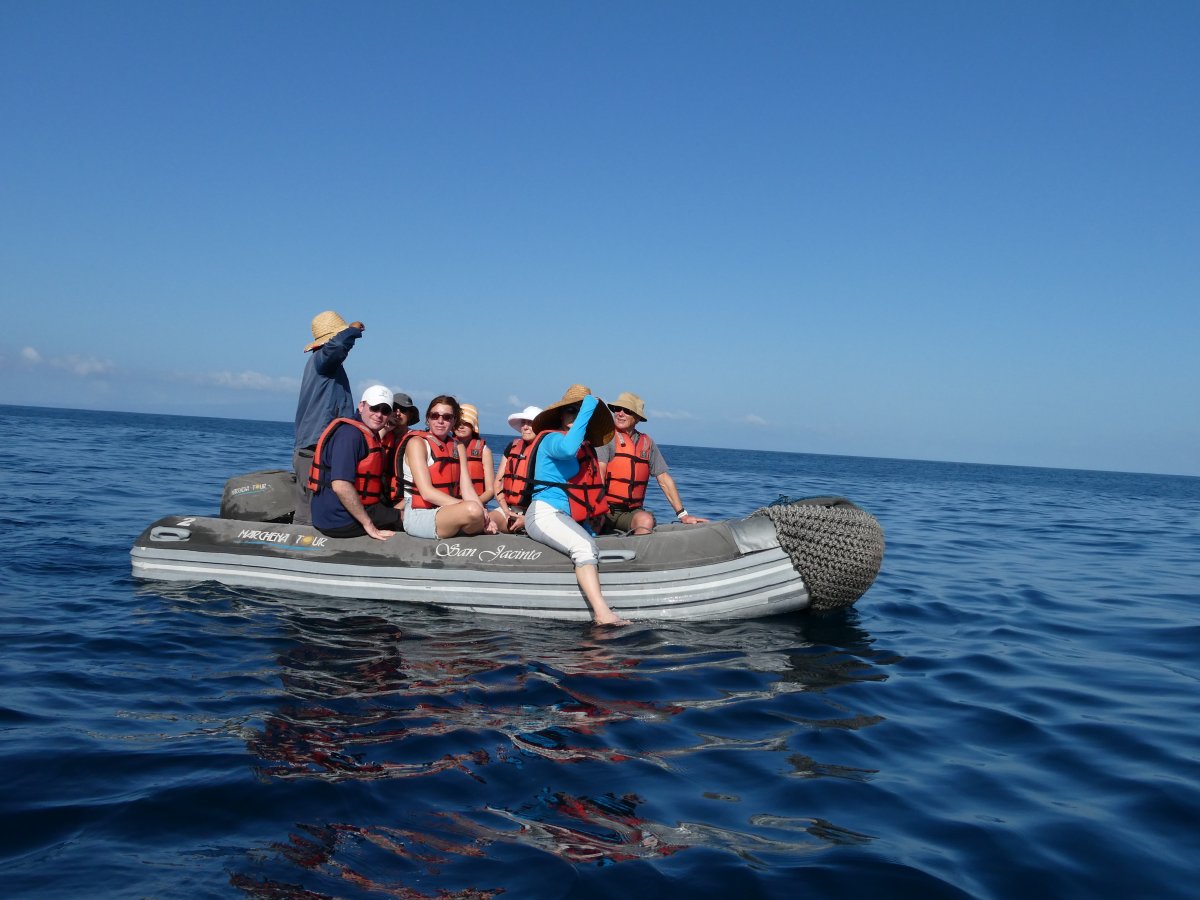
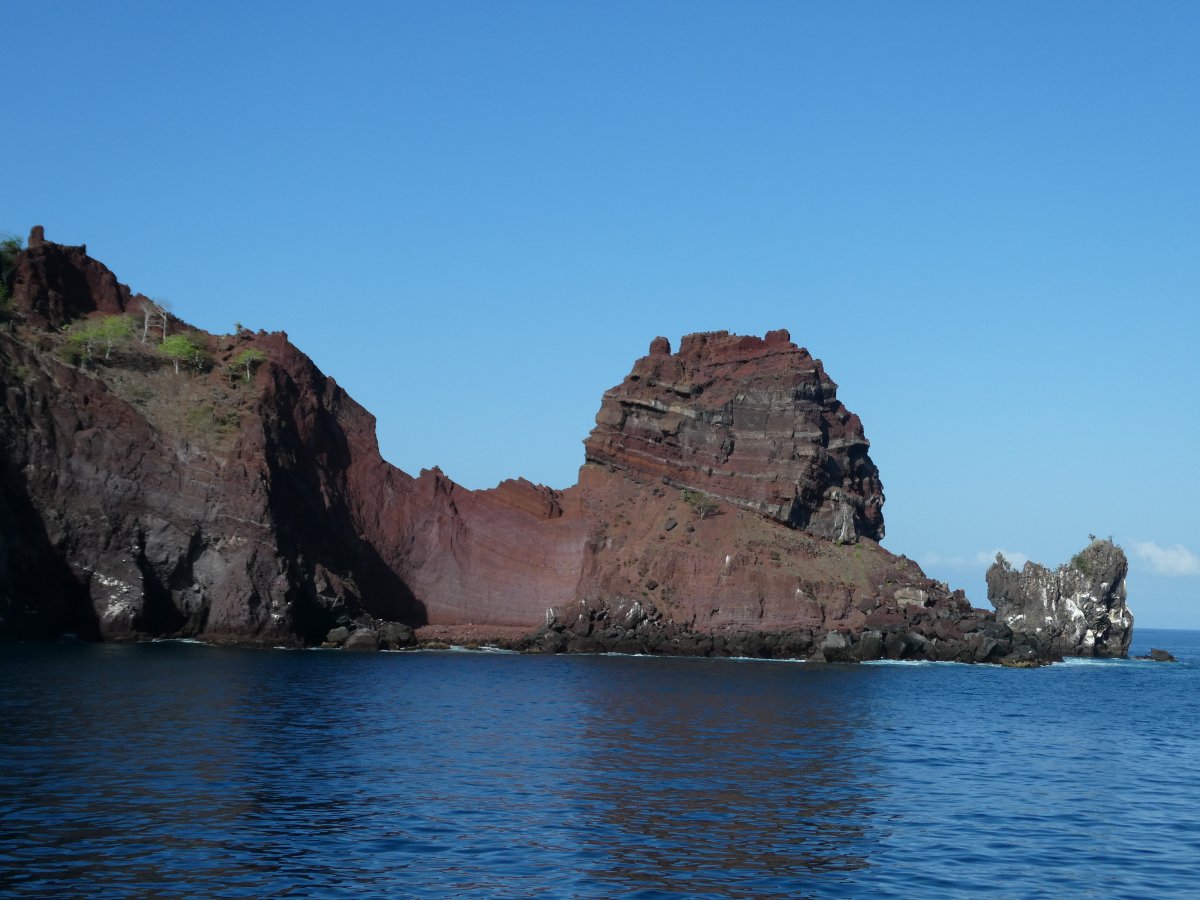
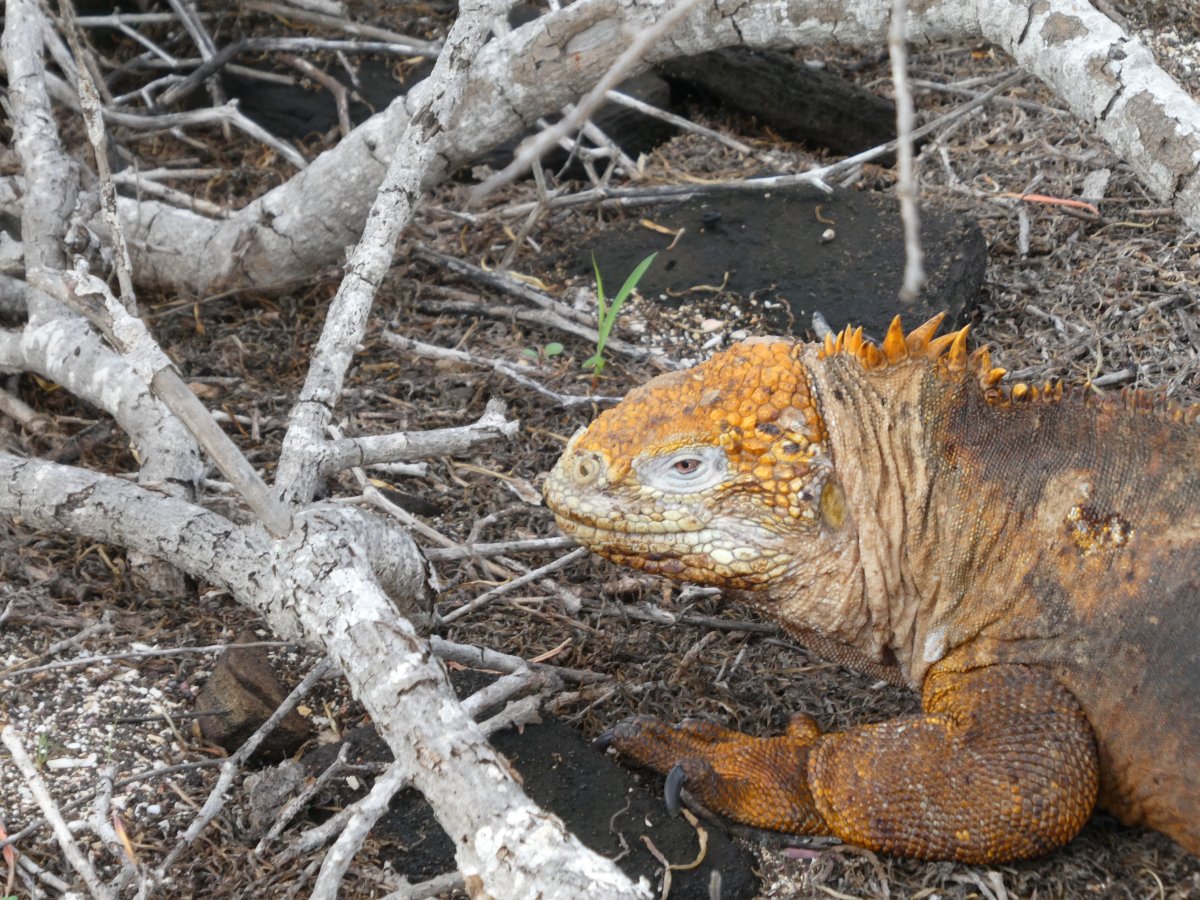
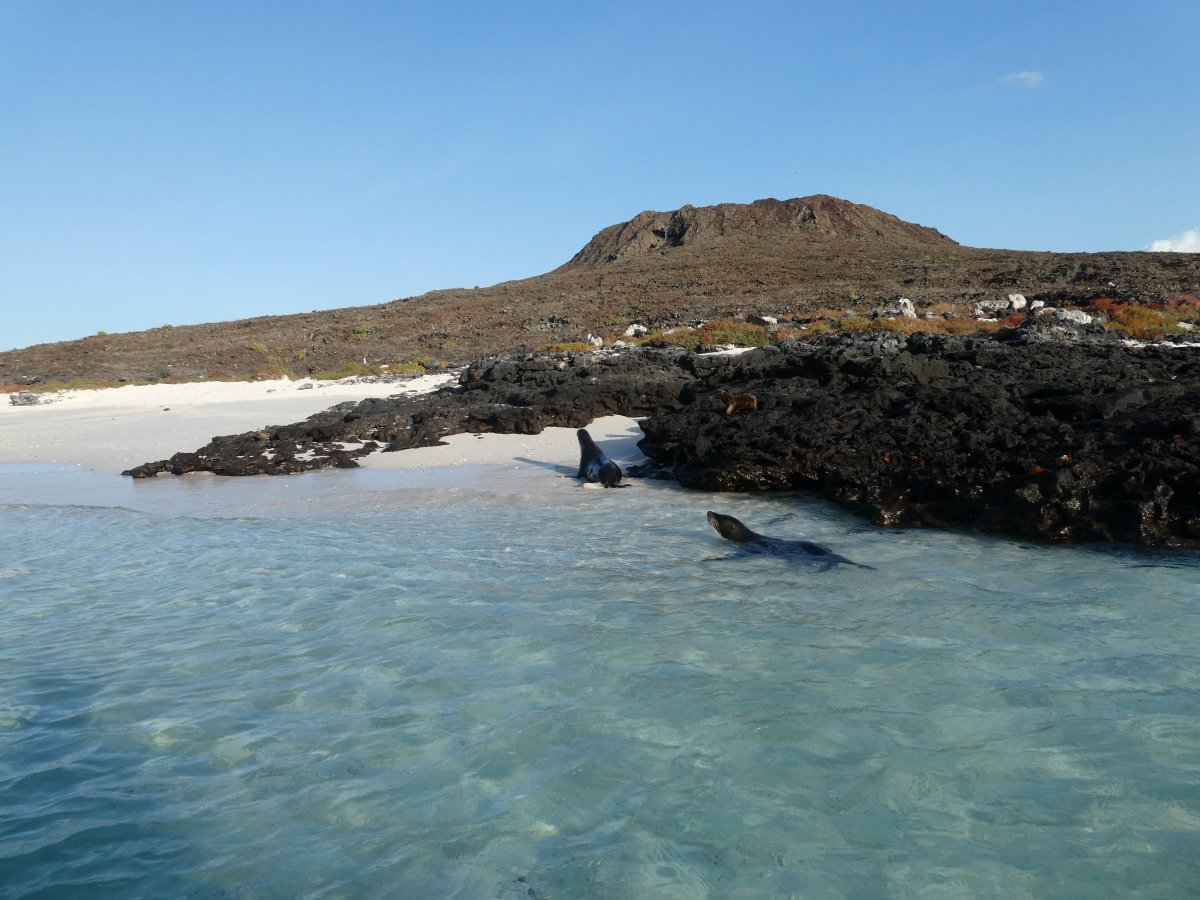
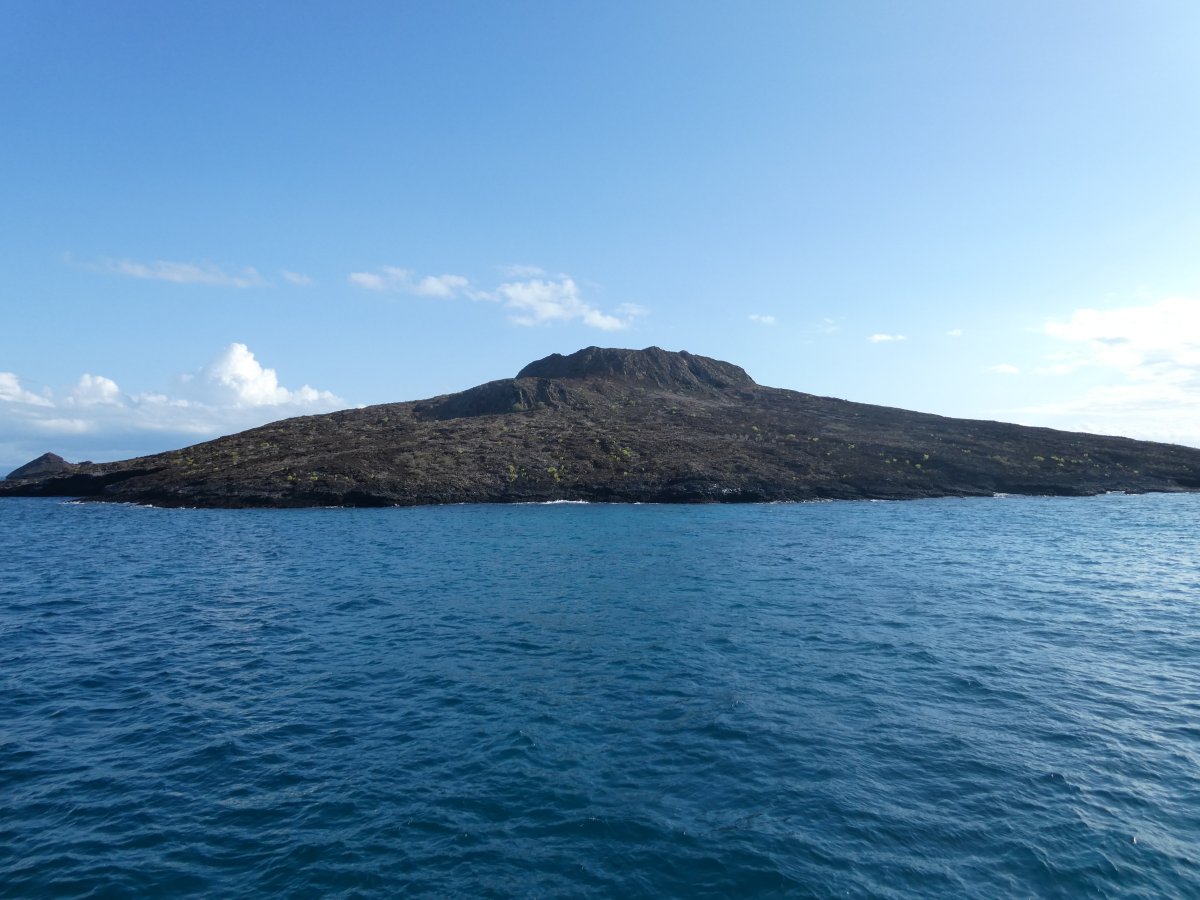
Rabida and Chinese Hat
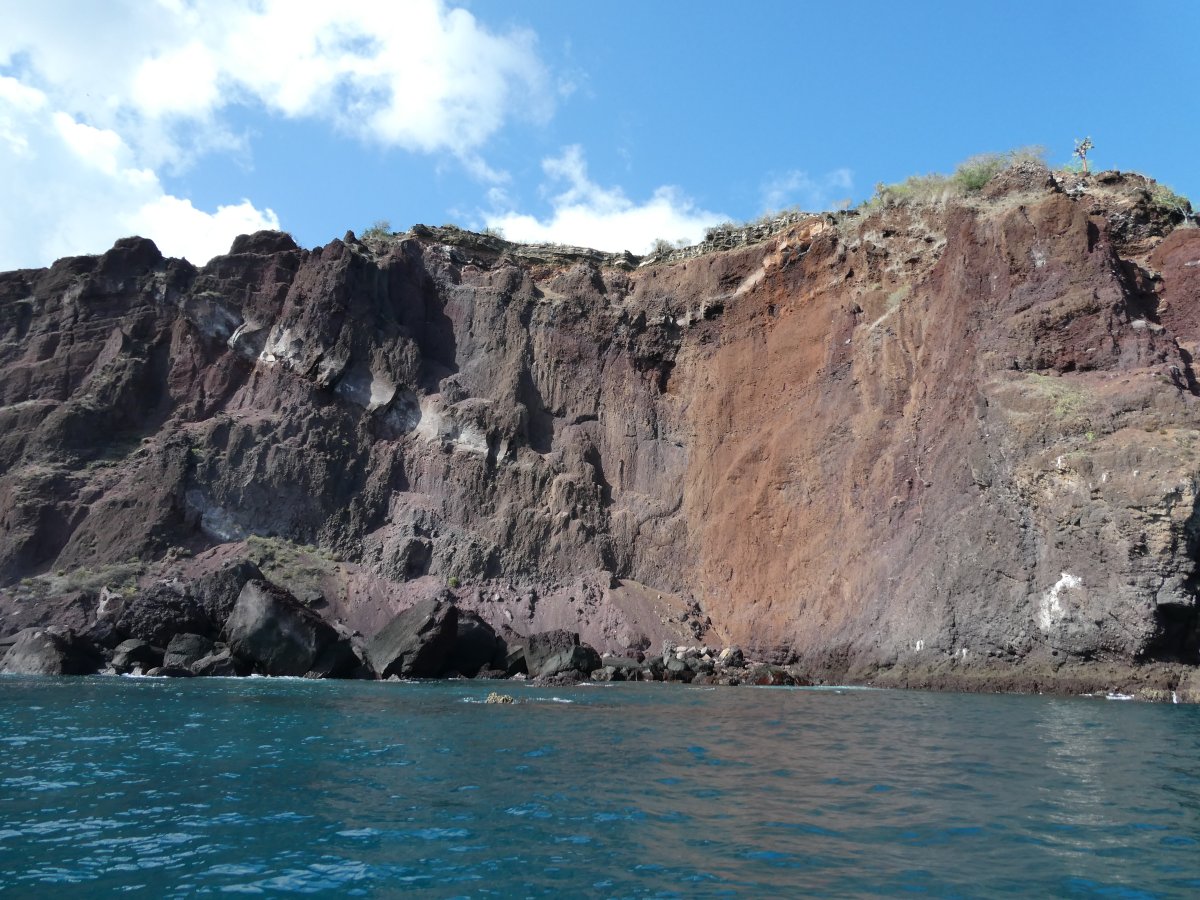
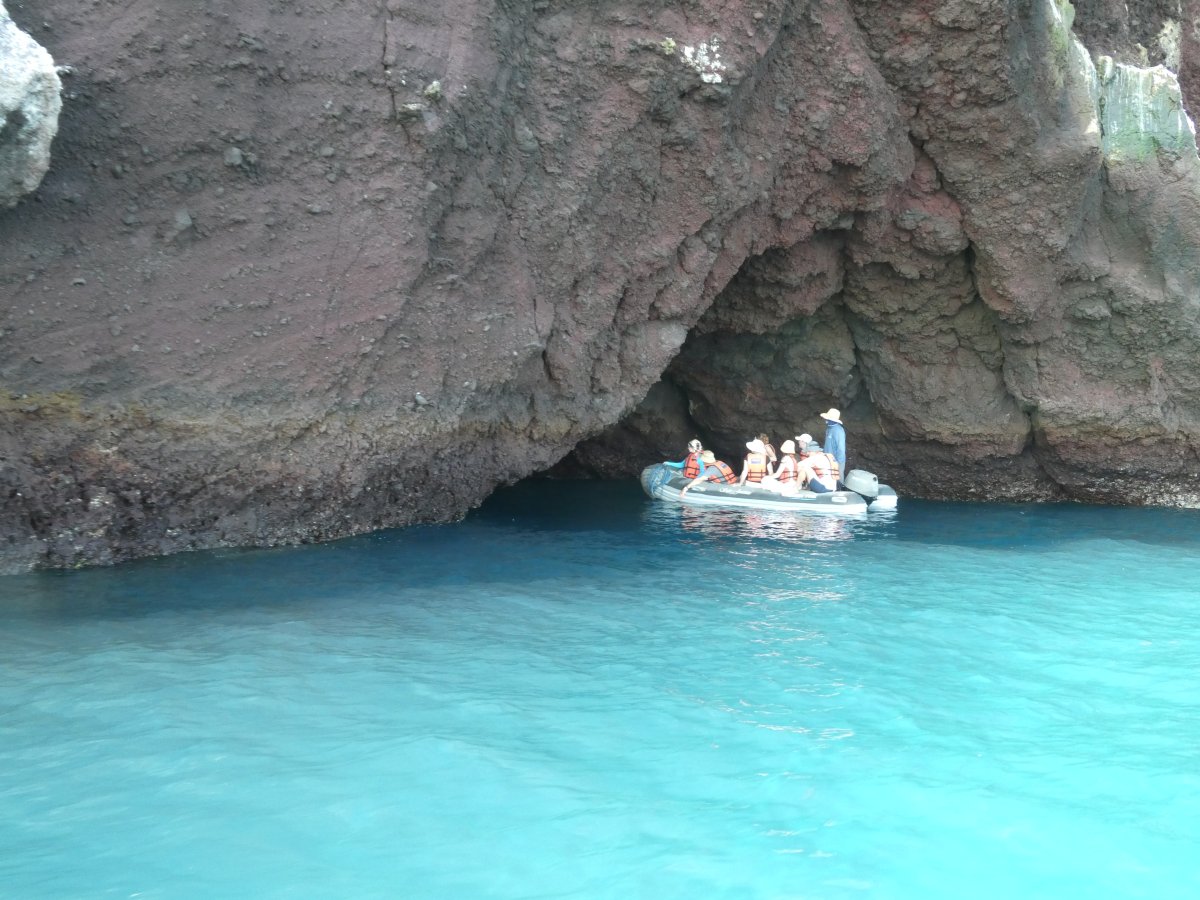
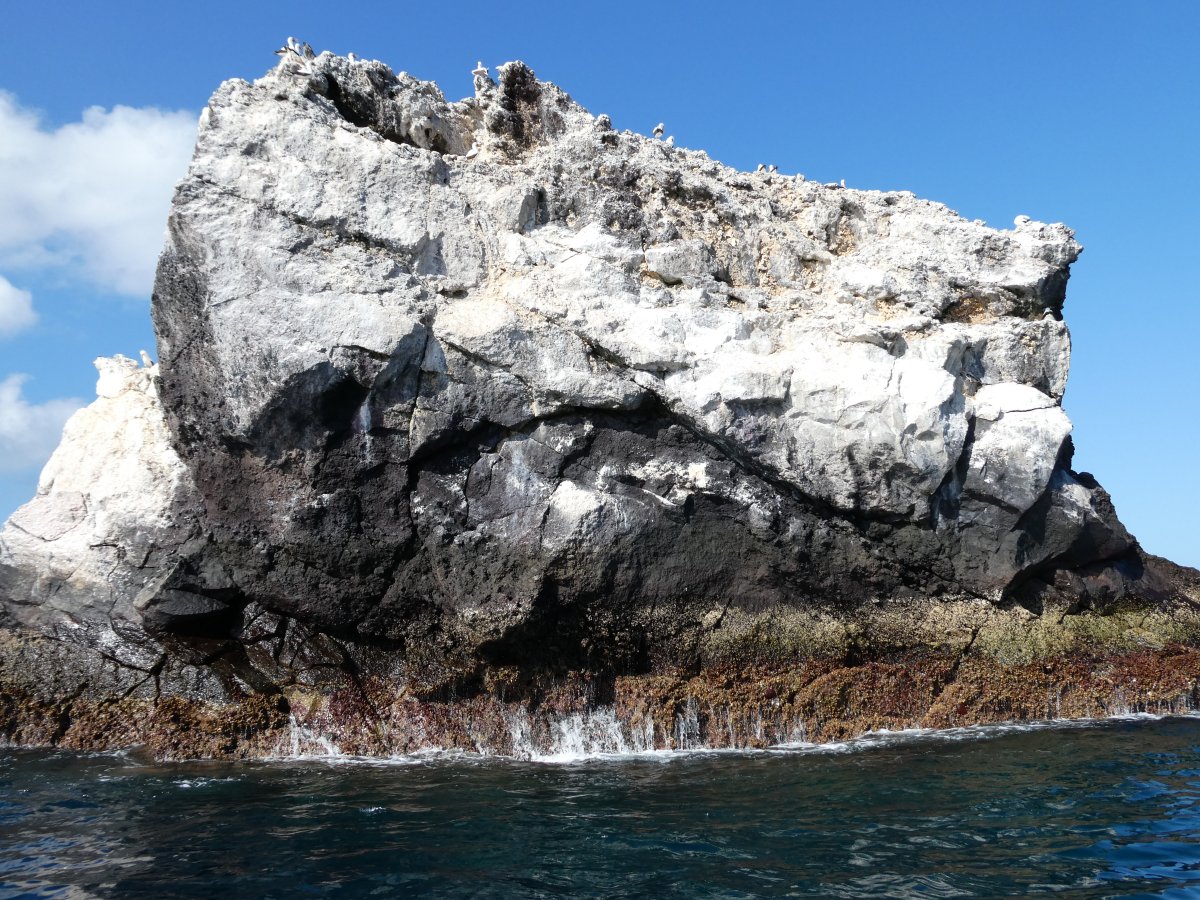
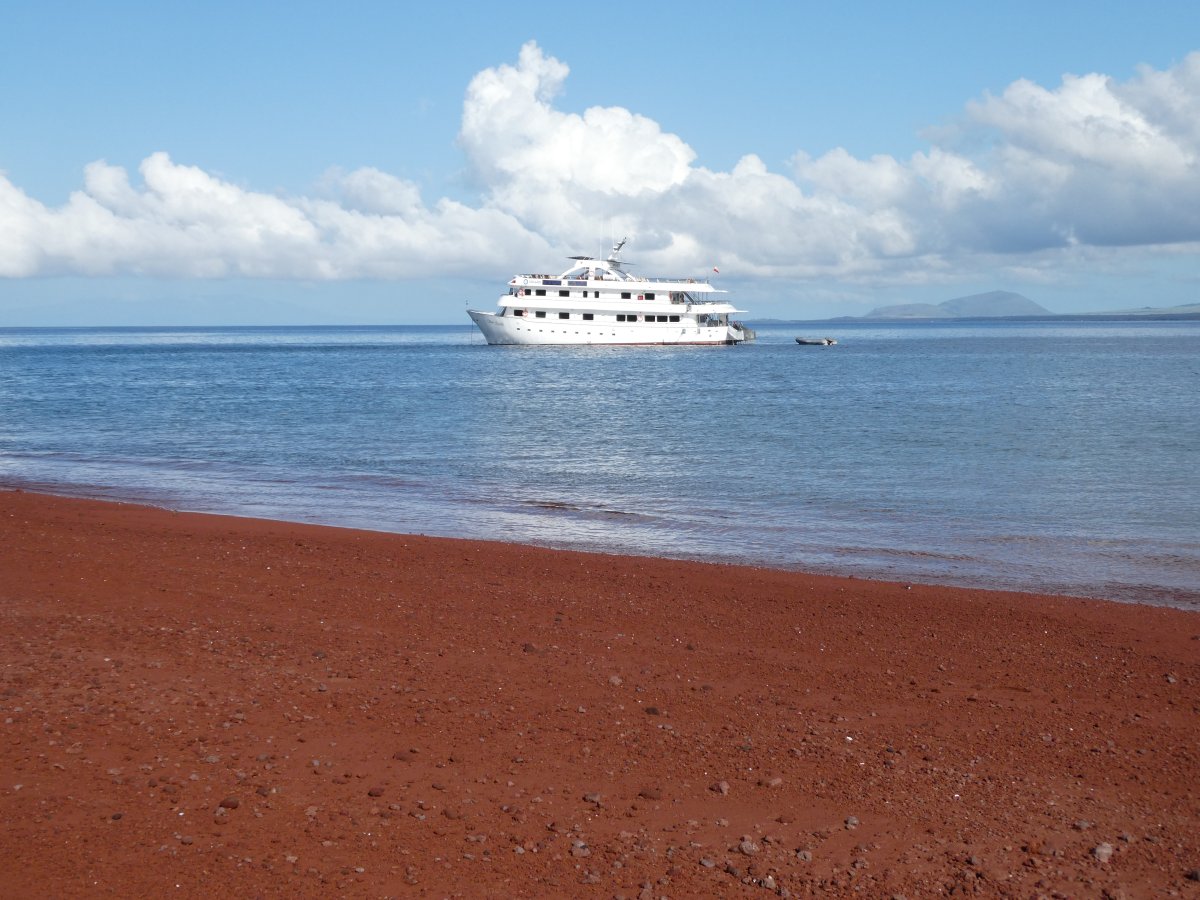
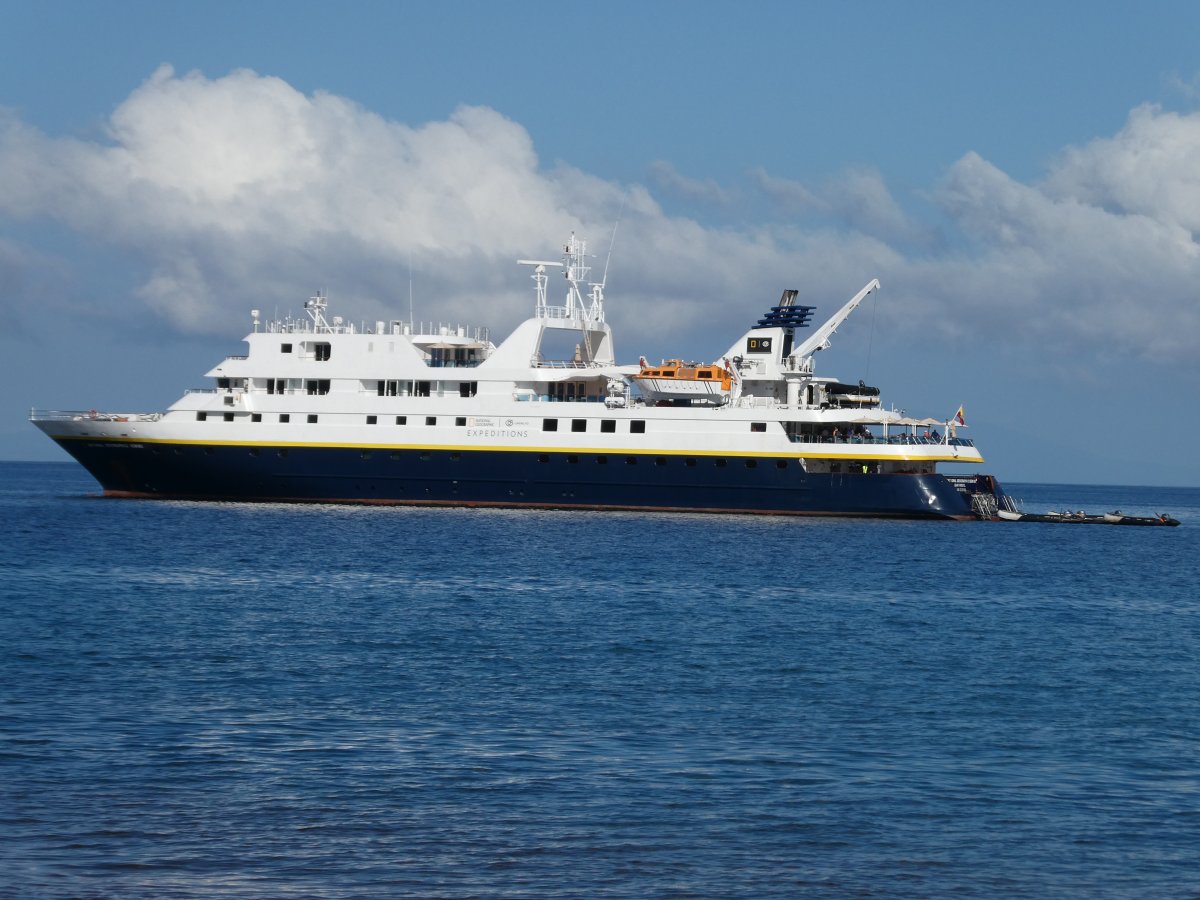
Rabida is remarkable for its red sand. The National Geogrpaphic Expeditions boat was parked nearby. We snorkeled there and around Chinese Hat also.
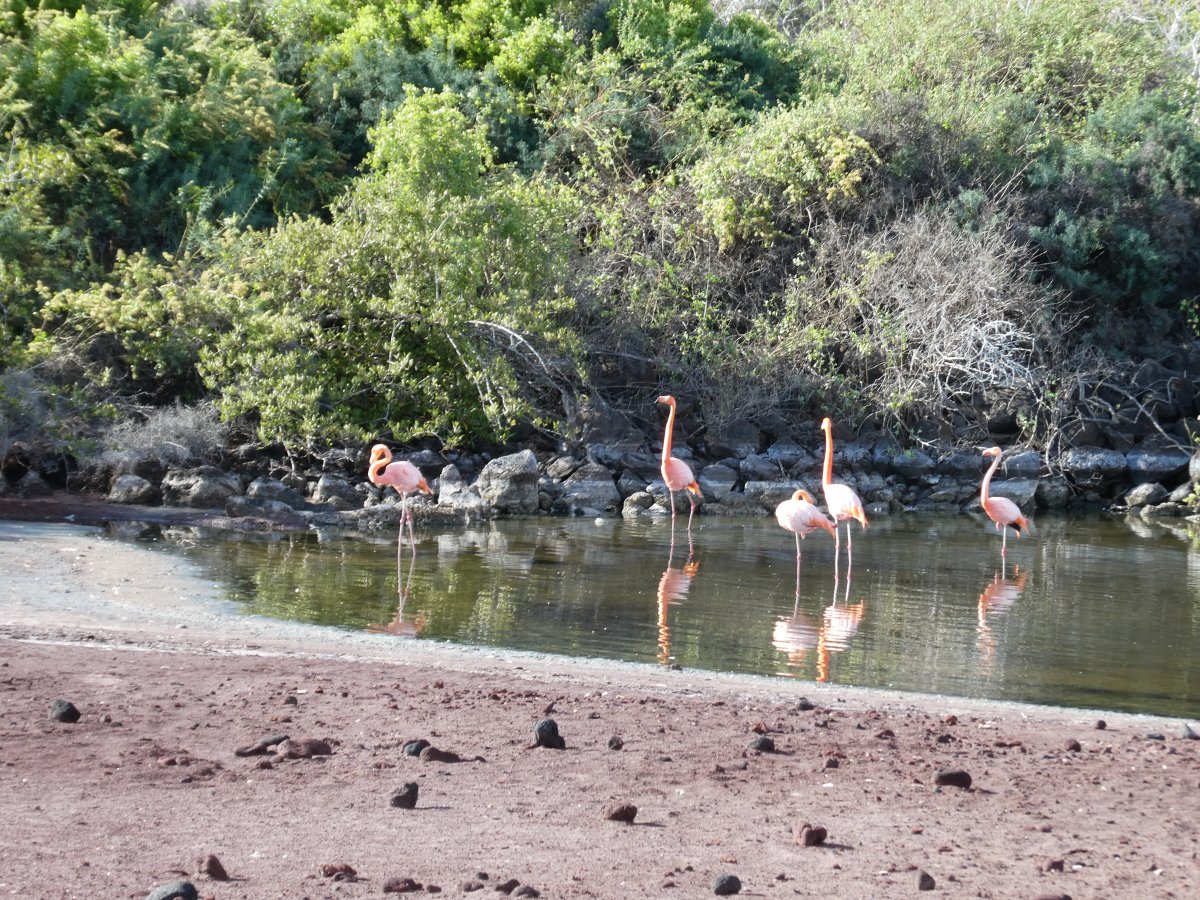
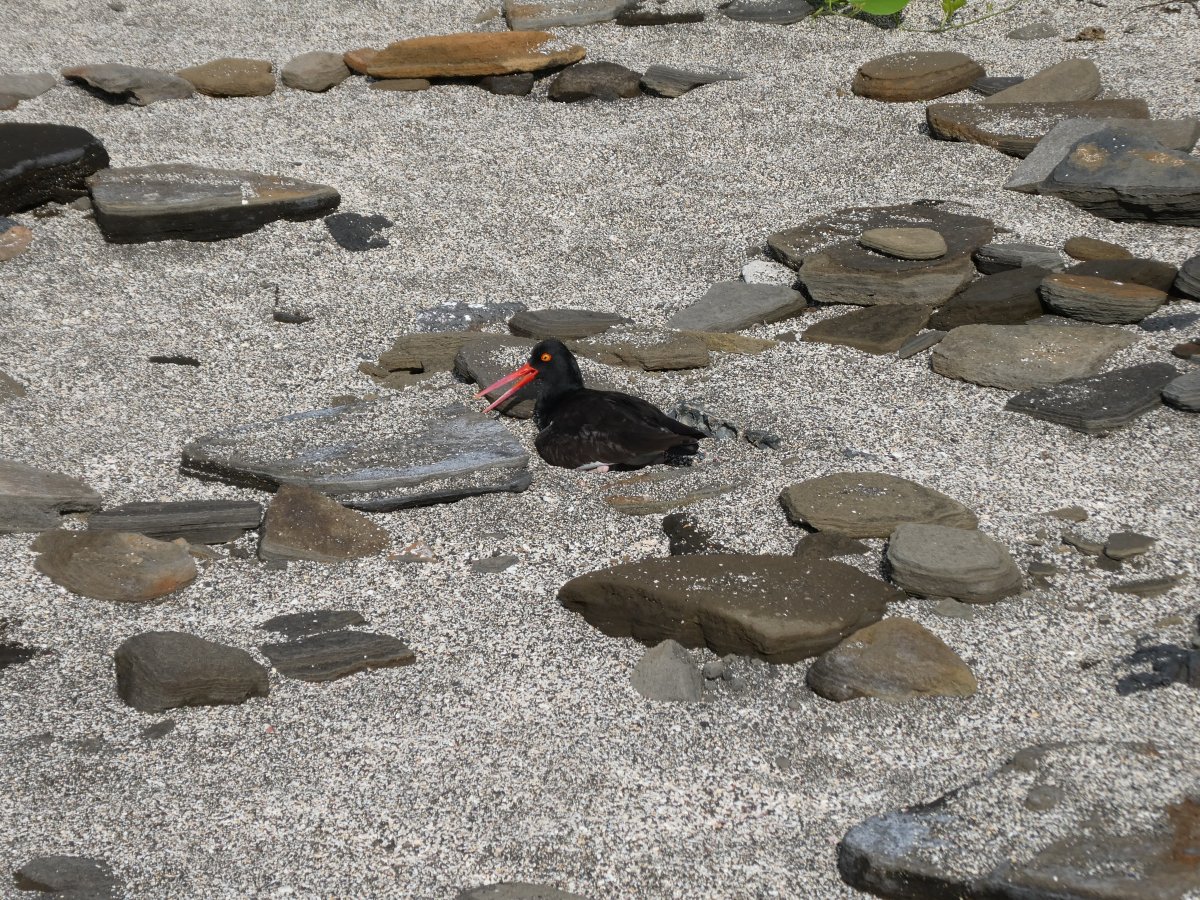
There were quite a few flamingos and the odd oyster catcher.
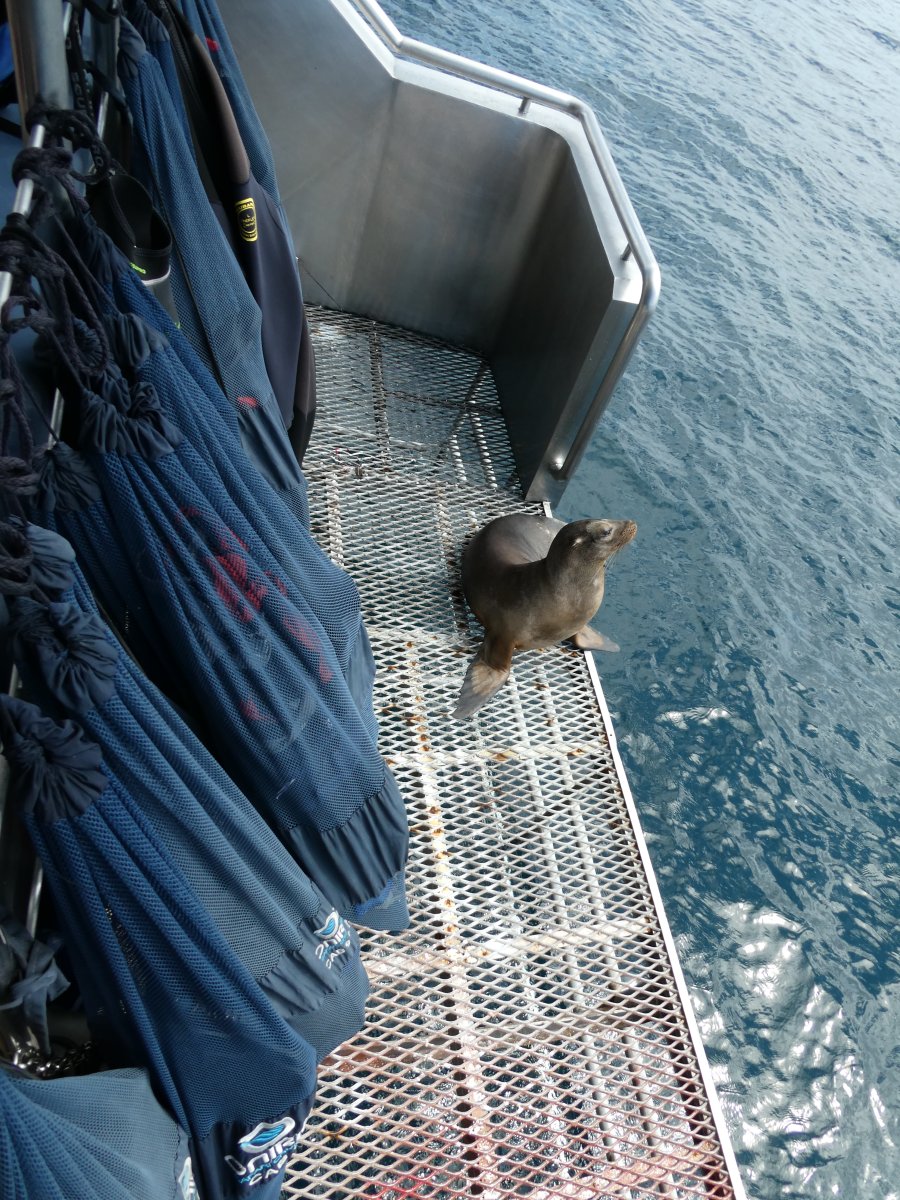
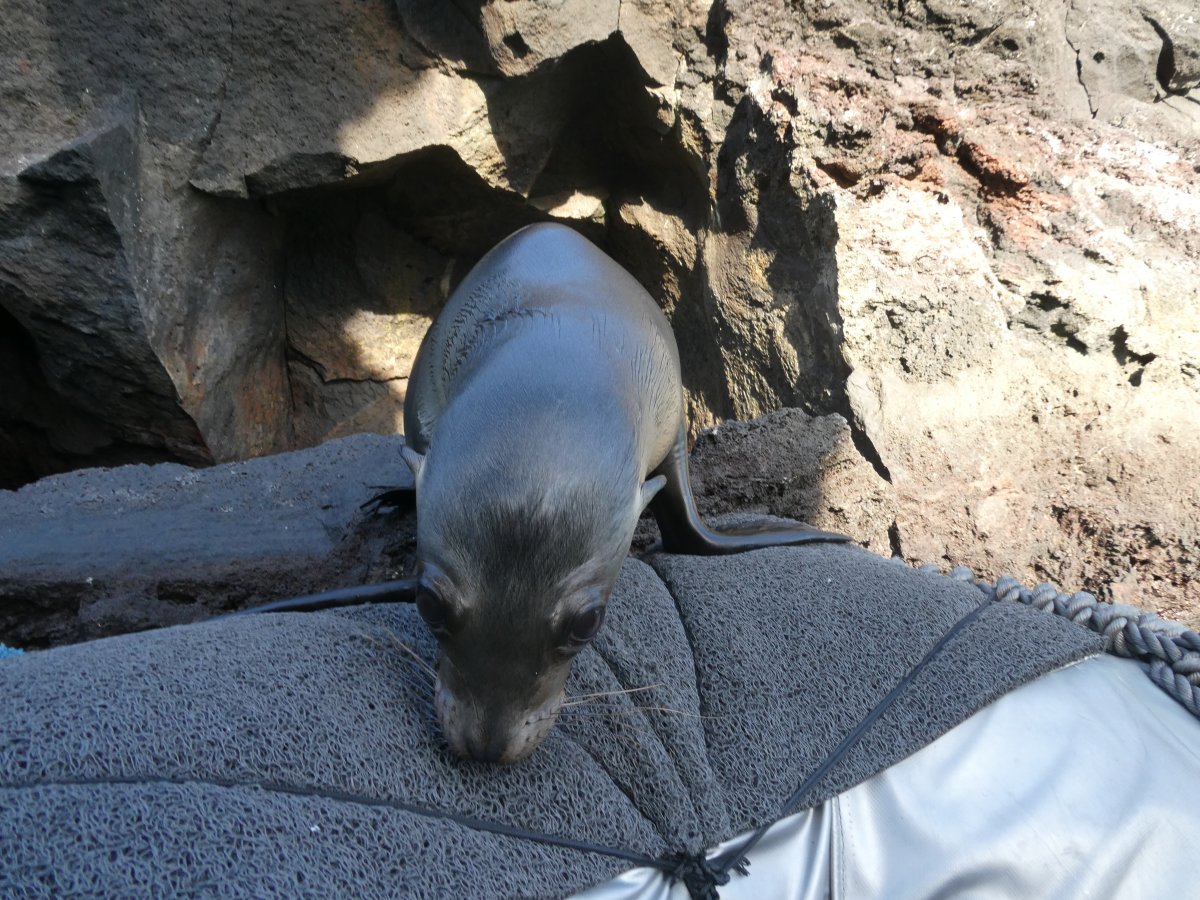
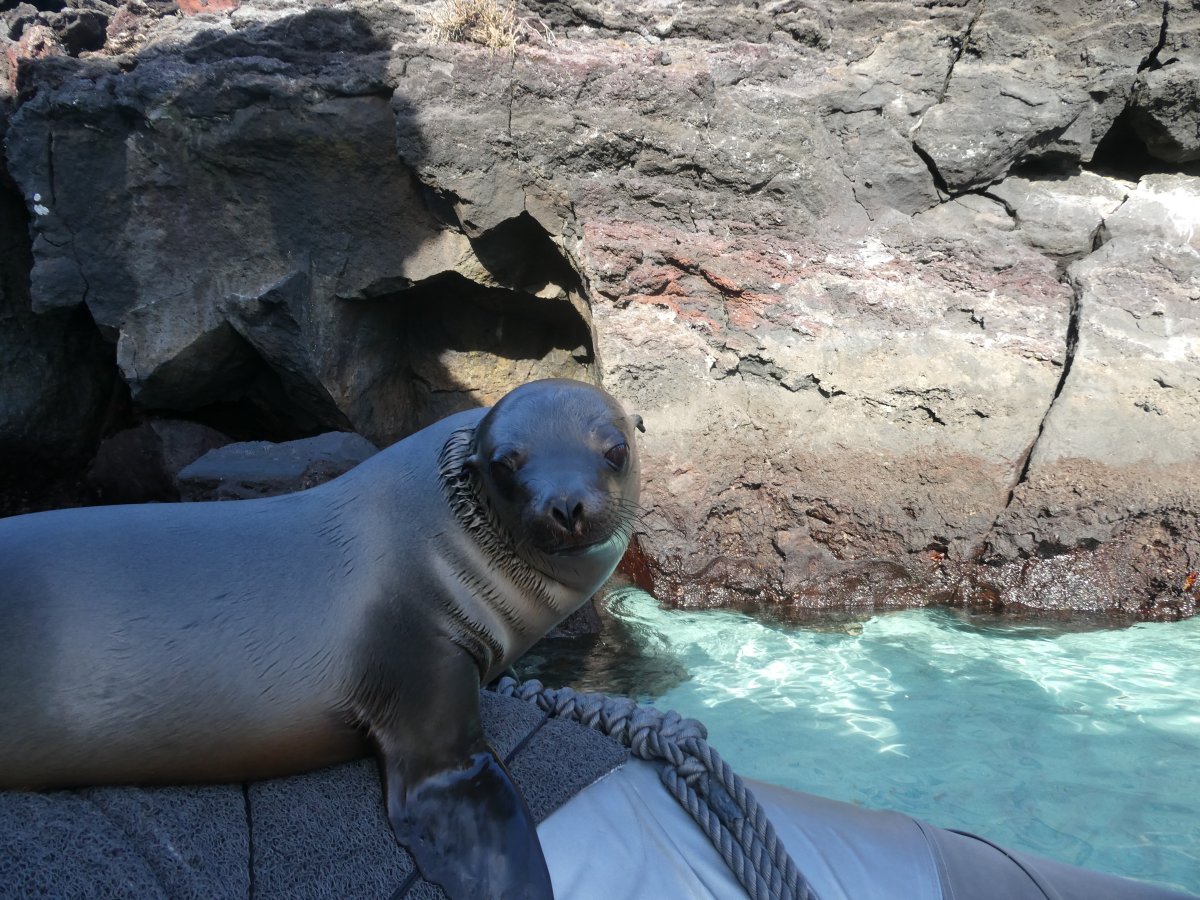
The young sealion climbed up on the boat half a meter from me and settled in for a ride. He jumped off again after a while.
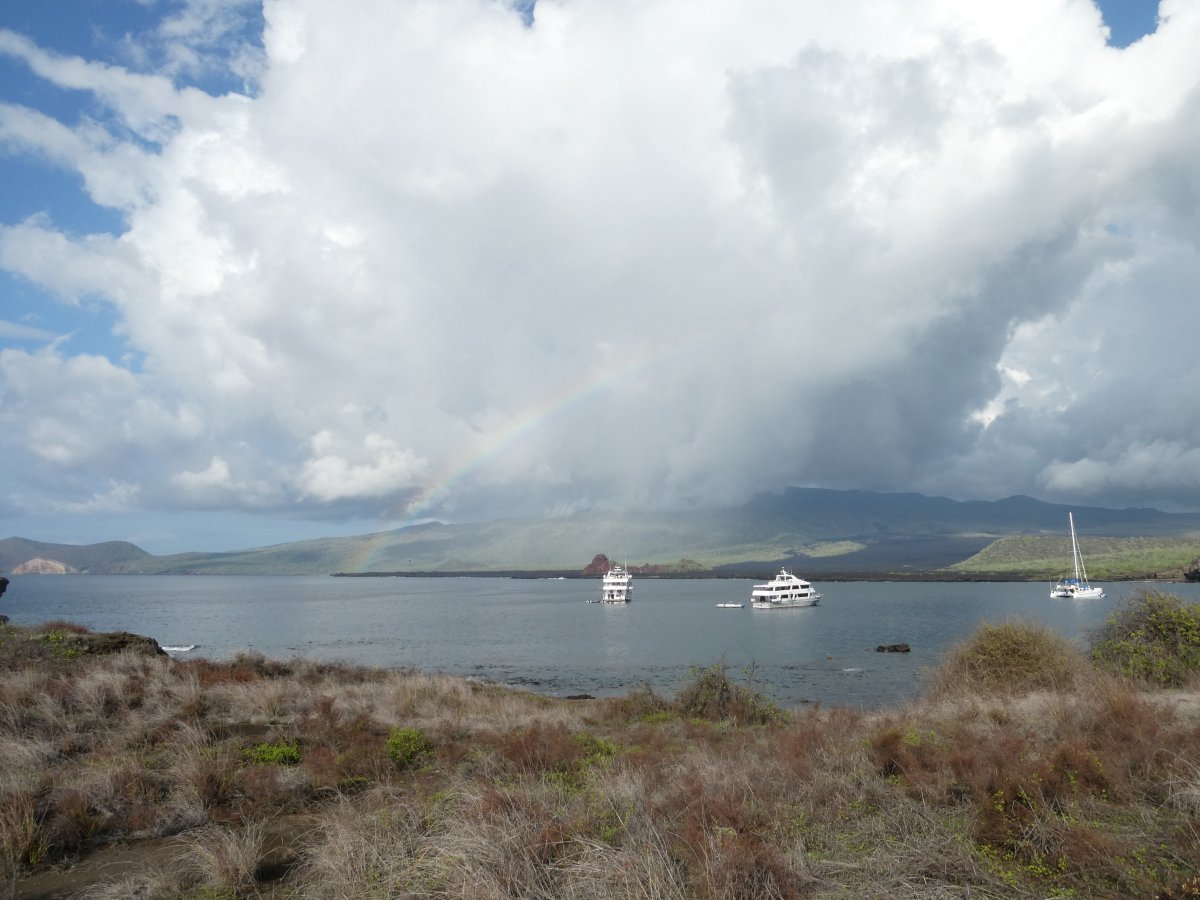
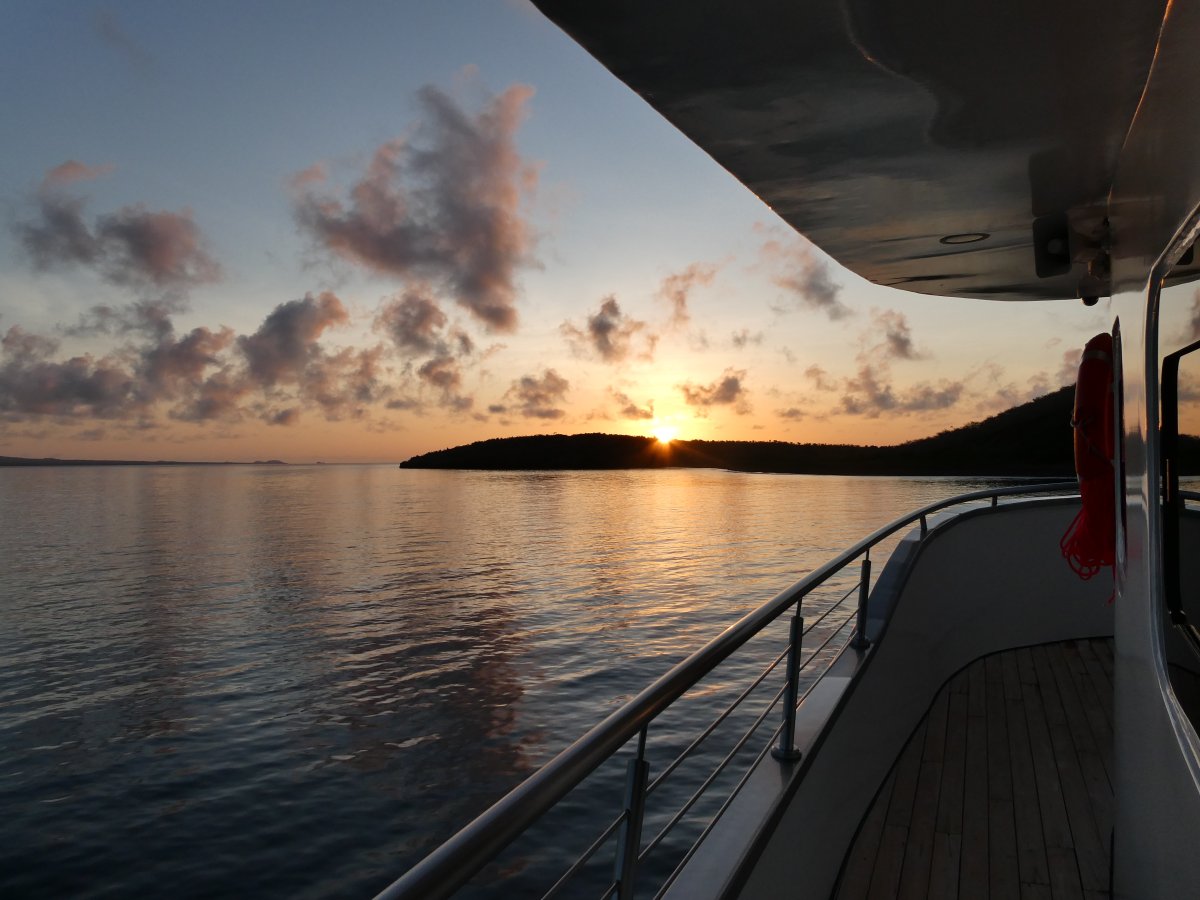
We had a nice rainbow and a beautiful sunset.
back to the tortoises
On the final day, we visited the Darwin research center and saw a good number of toroises breeding.
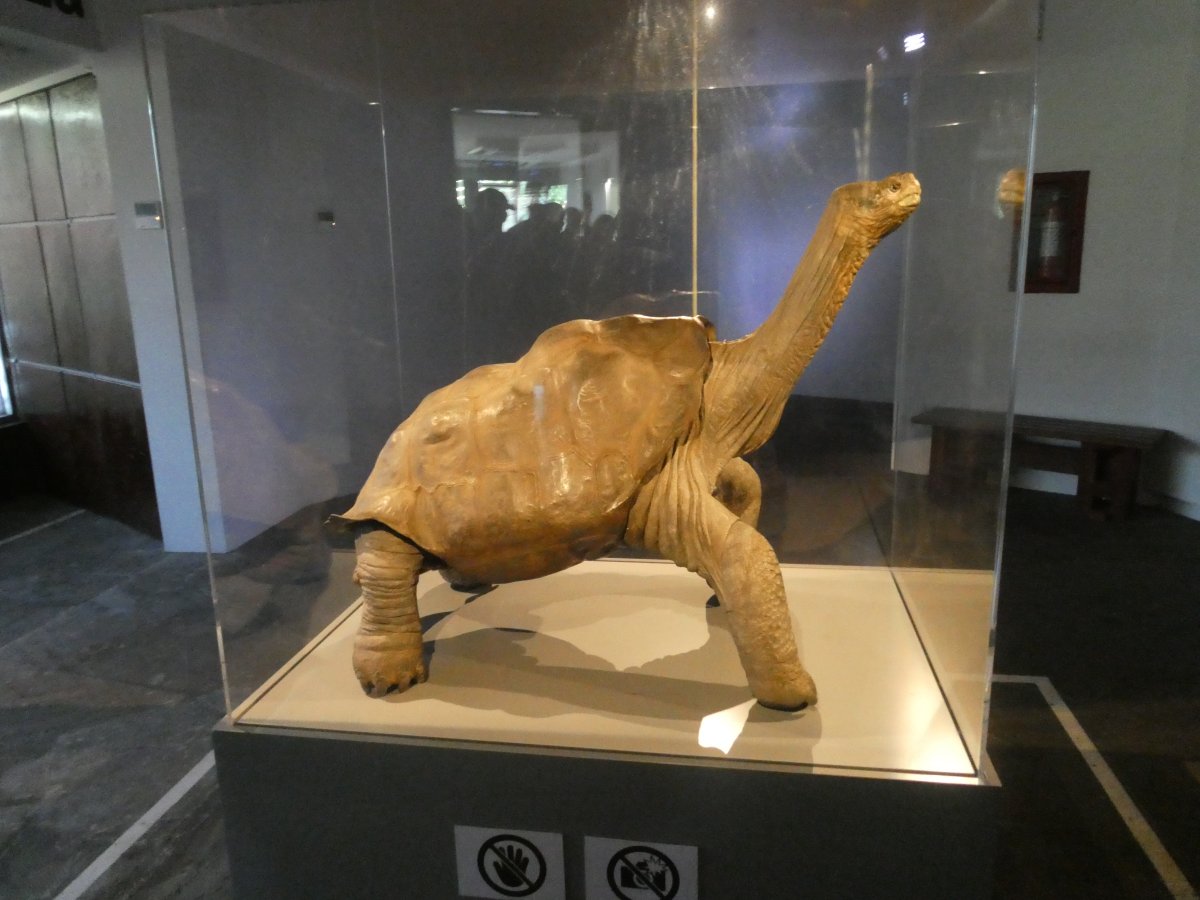
Also, there was "Lonely George", who got his name because he was the last of his species. They tried to breed him with closer related tortoises, but he died as the last of his kind in 2012, estimated to be 101-102 years old.
And so one week of very intense viewing of wildlife, snorkeling, travelling around some of the Galapagos islands, goes to an end. My few comments and pictures do not do the experience justice; I would definitely recommend it to everyone.