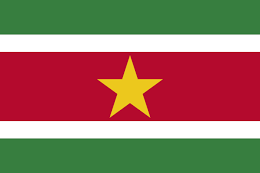
Suriname
Suriname, being the Dutch Guyana originally, is the country I know the least about. It is incredibly diverse, with about 42% Asian-Surinamese, 32% Afro-Surinamese. About half the population is Catholic, 22% Hindus and 13% Islam.
Paramaribo
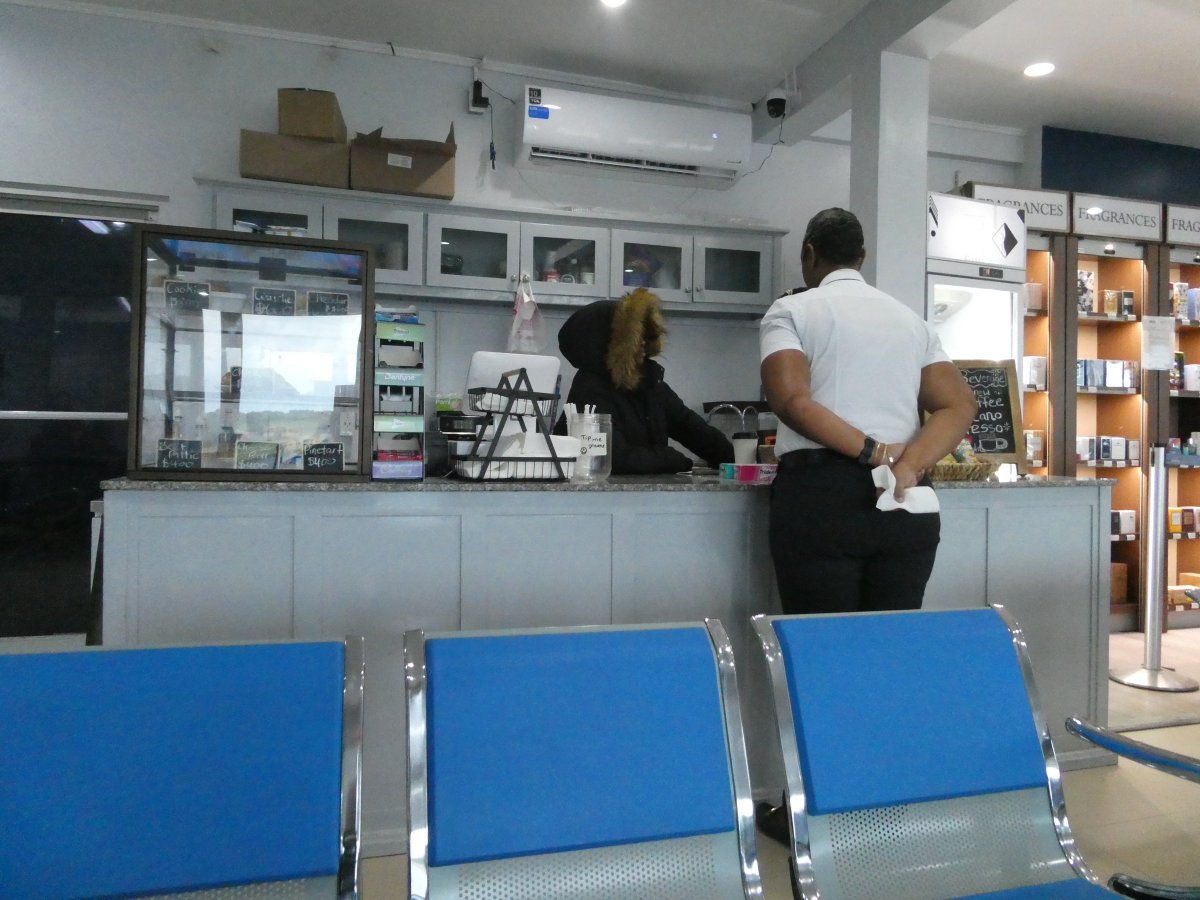
The departure area was cool, but I found this guy's approach excessive...
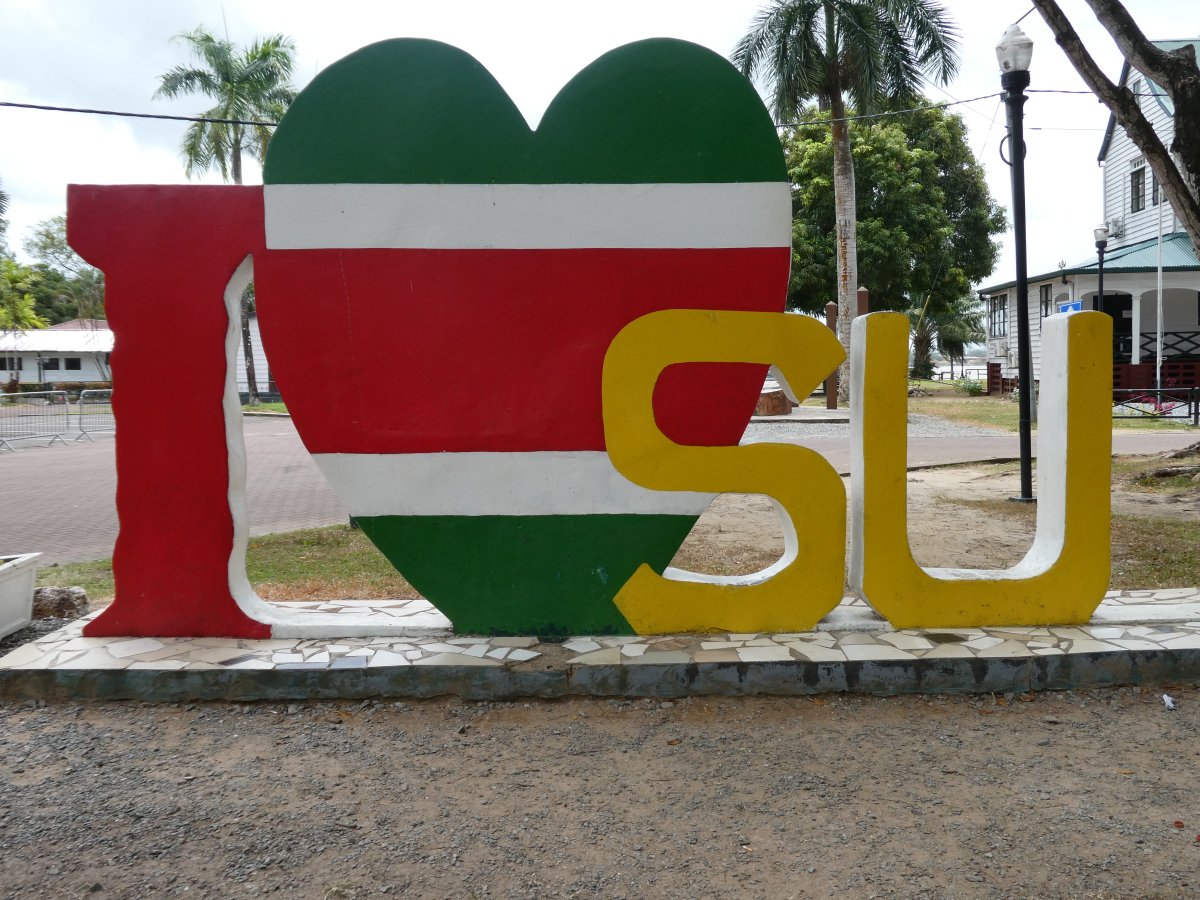
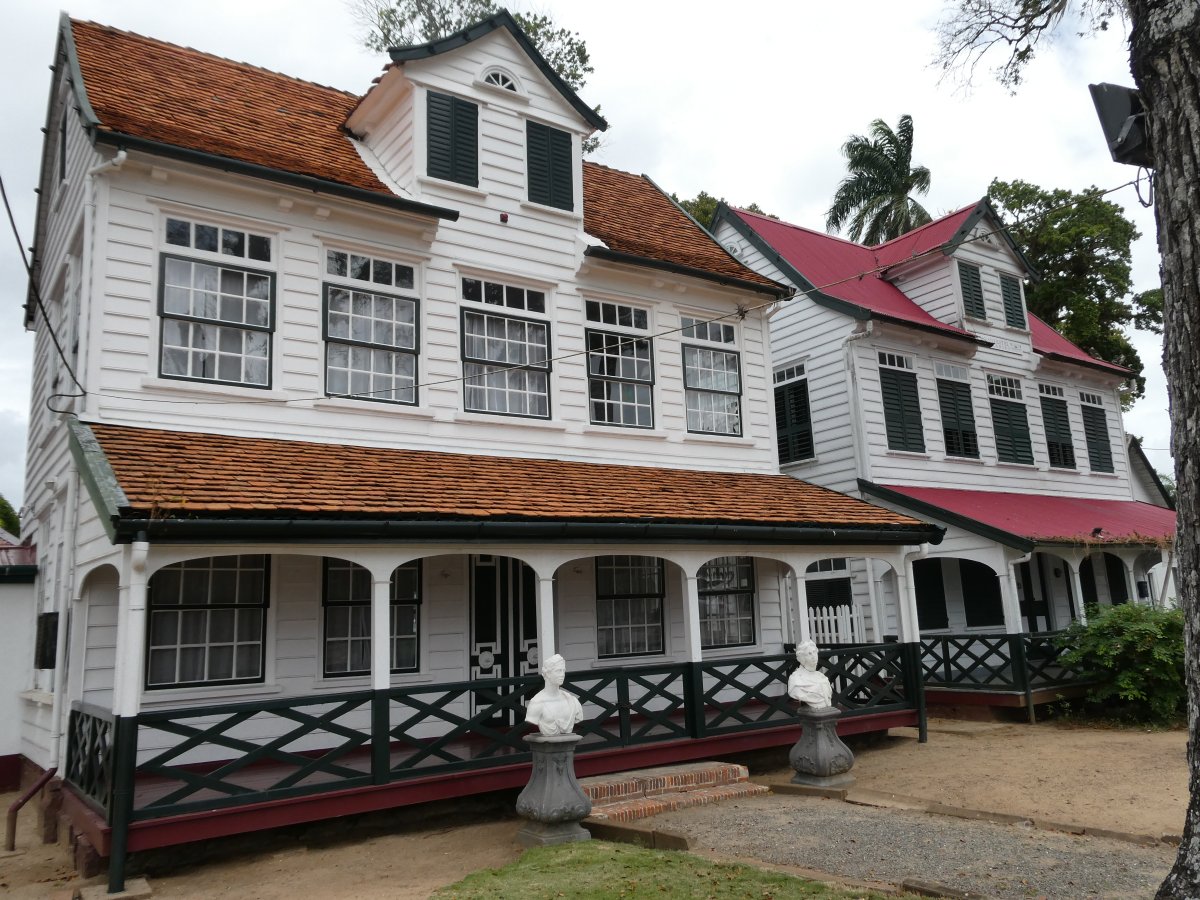
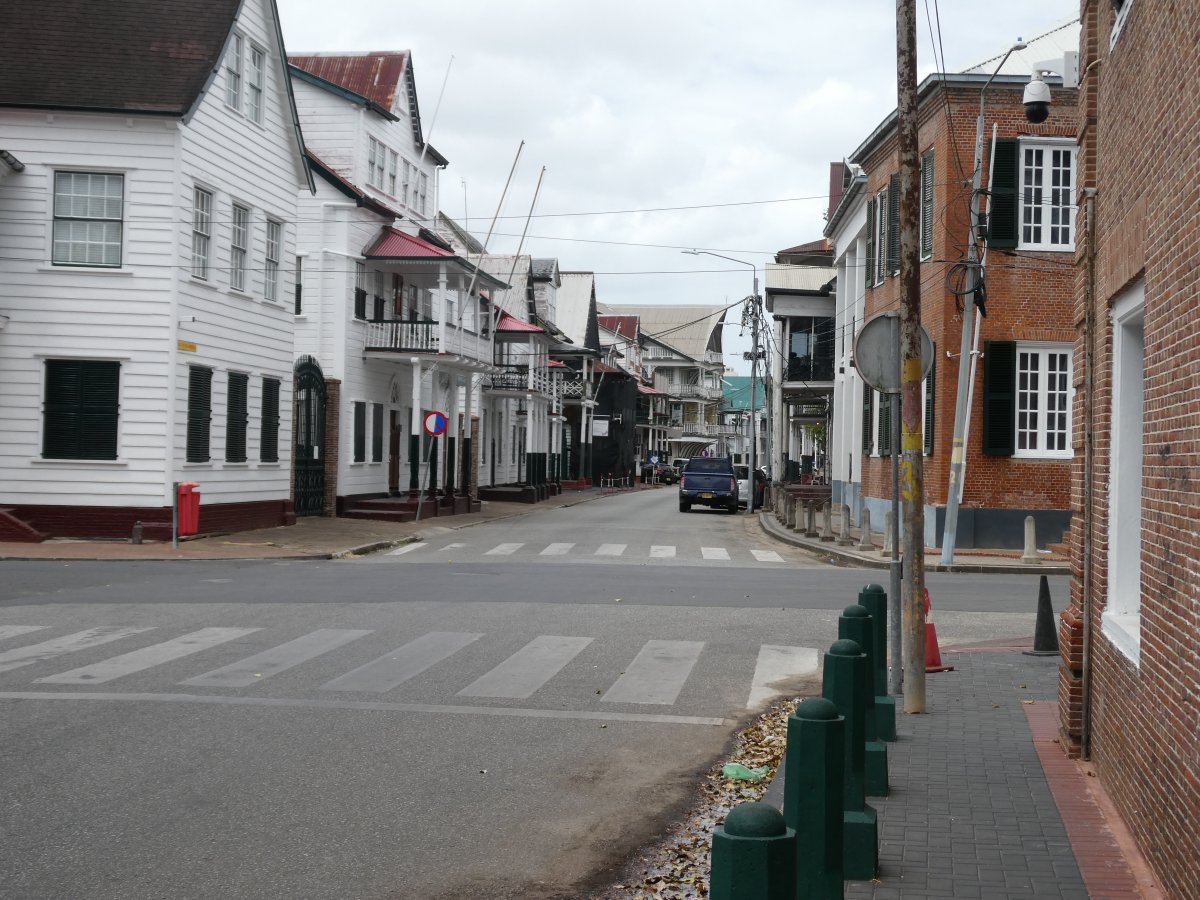
There were quite a few nicely renovated old houses.
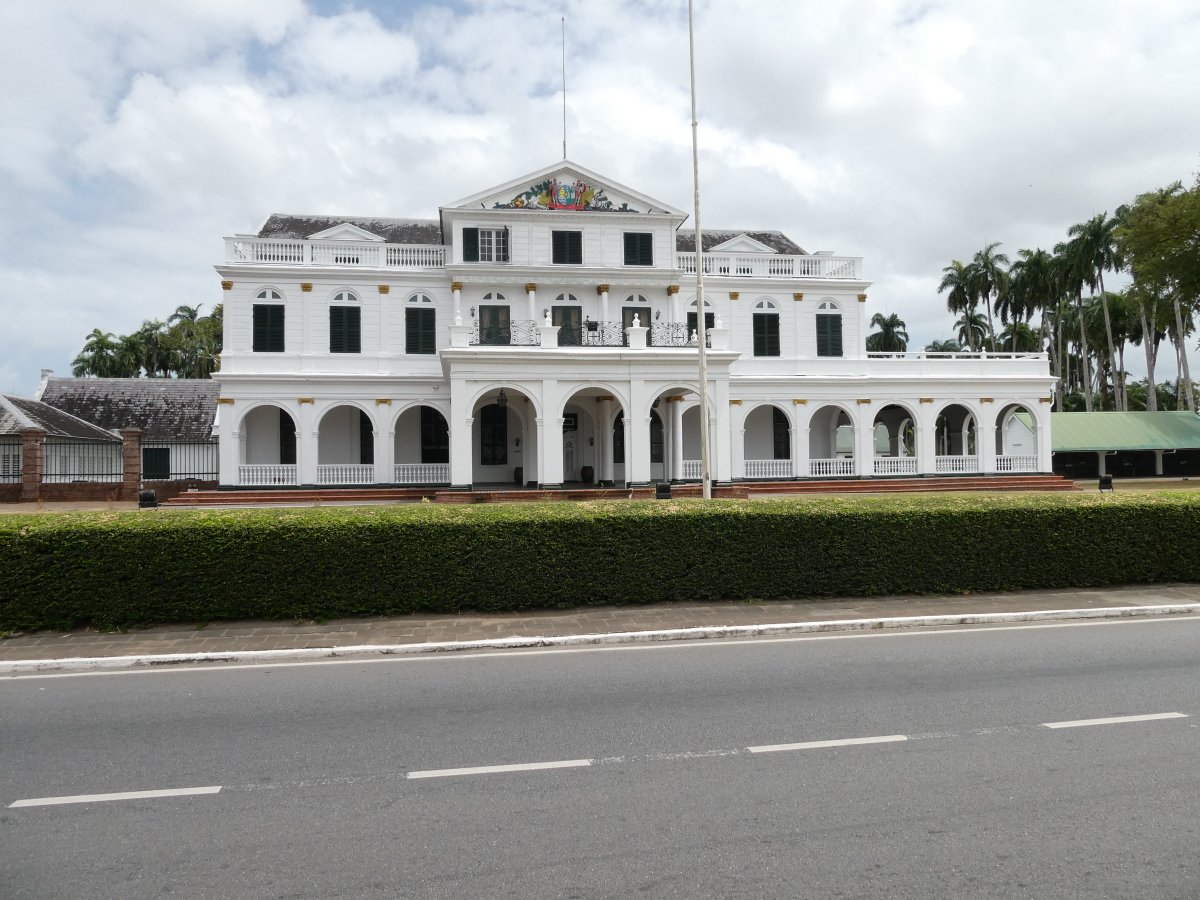
The presidential palace.
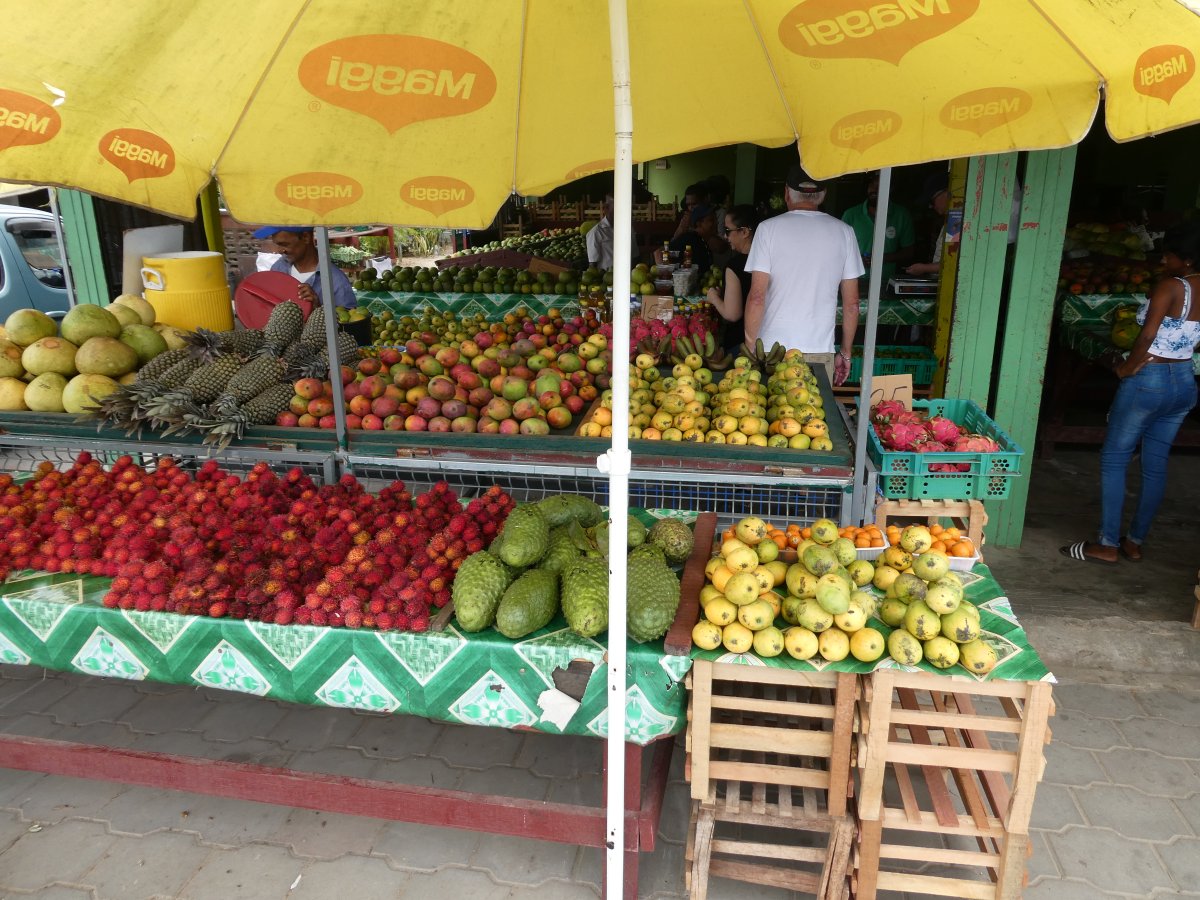
a tasty-looking fruit stand
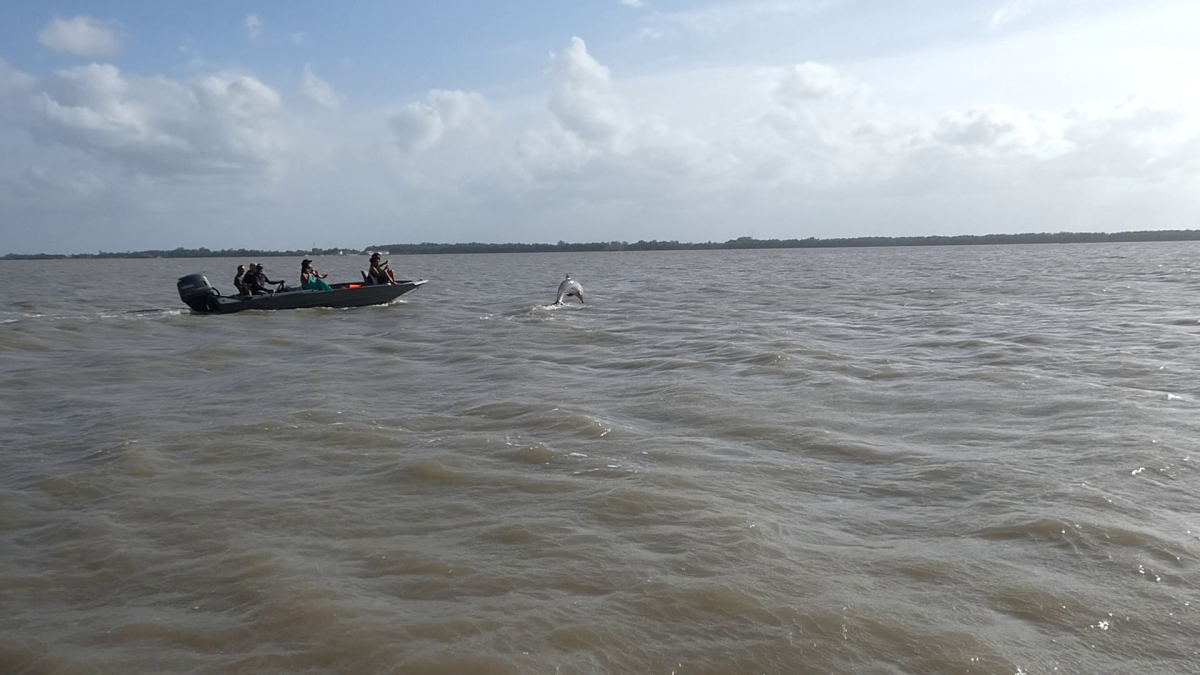
We went looking for the pink-bellied dolphin. There were quite many in the area close to the entry of the river into the sea, but they were hard to capture (photographically). They seemed to show up more often as the girls on another boat squealed and laughed.
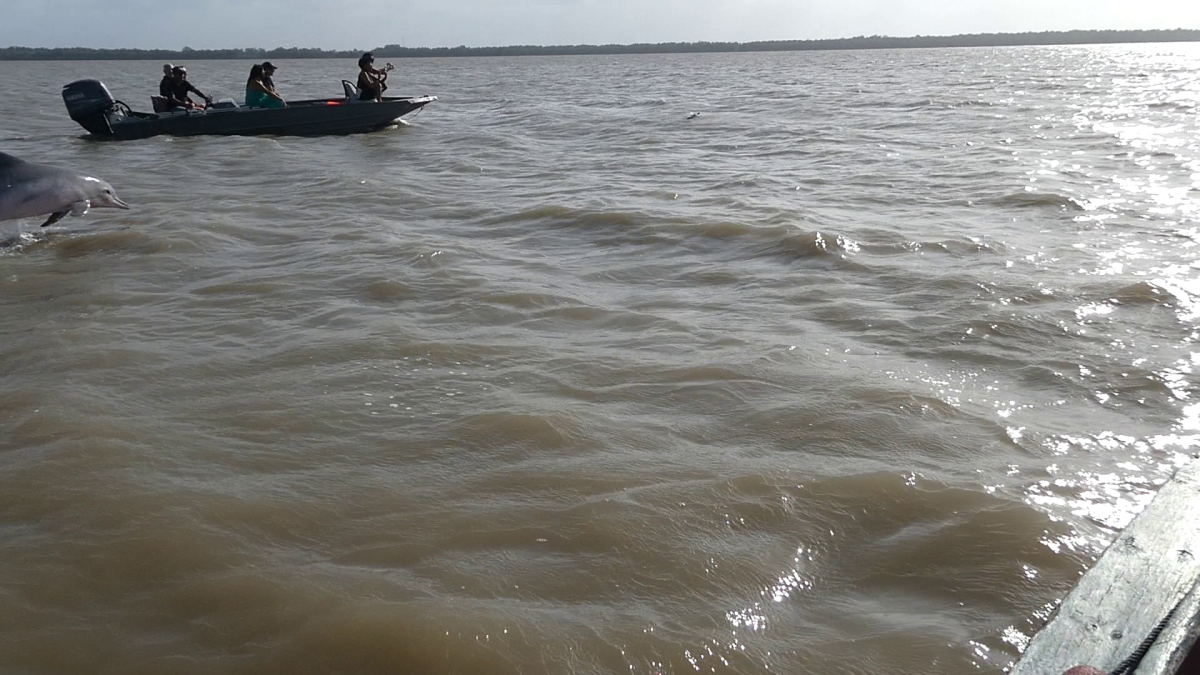
This one almost made it into my picture...
The next day we were already going to French Guiane for two days, but coming back to Suriname thereafter.
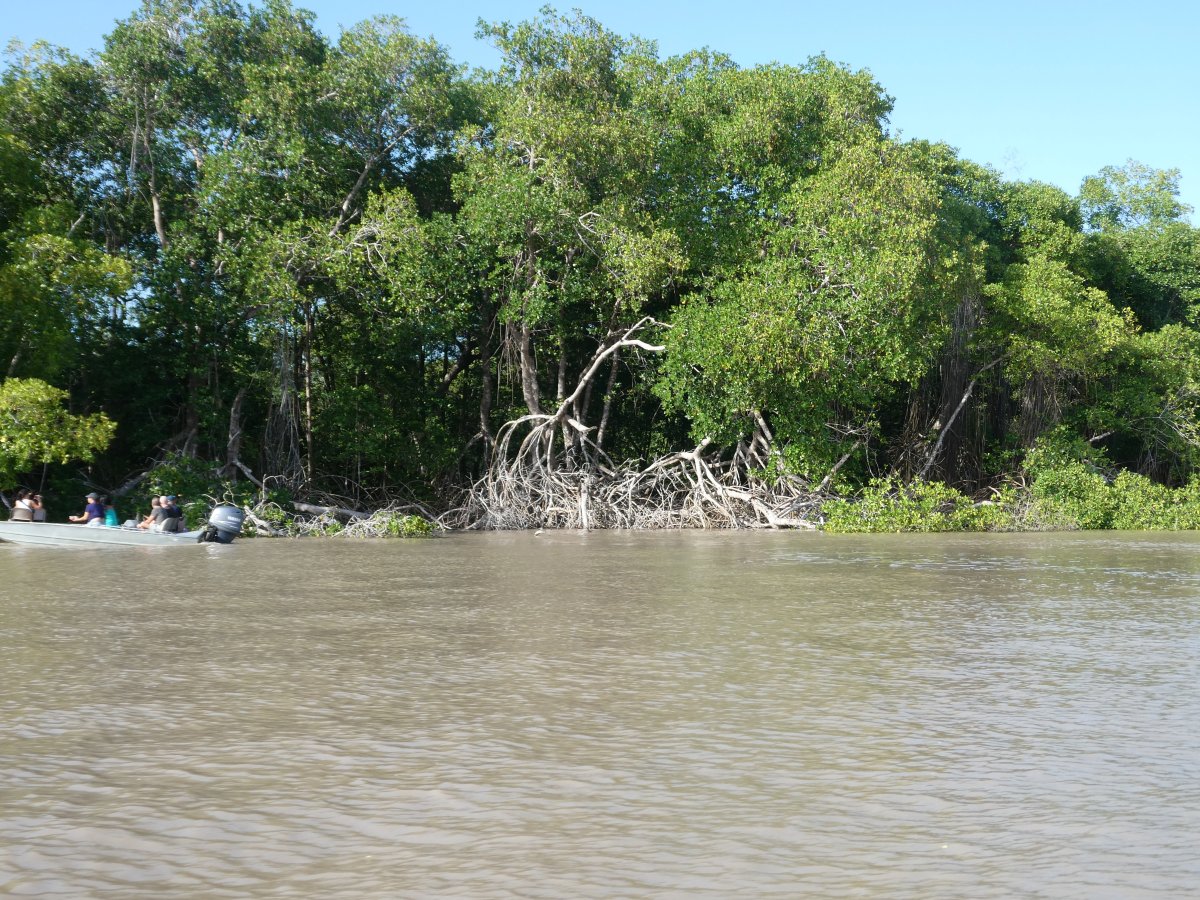
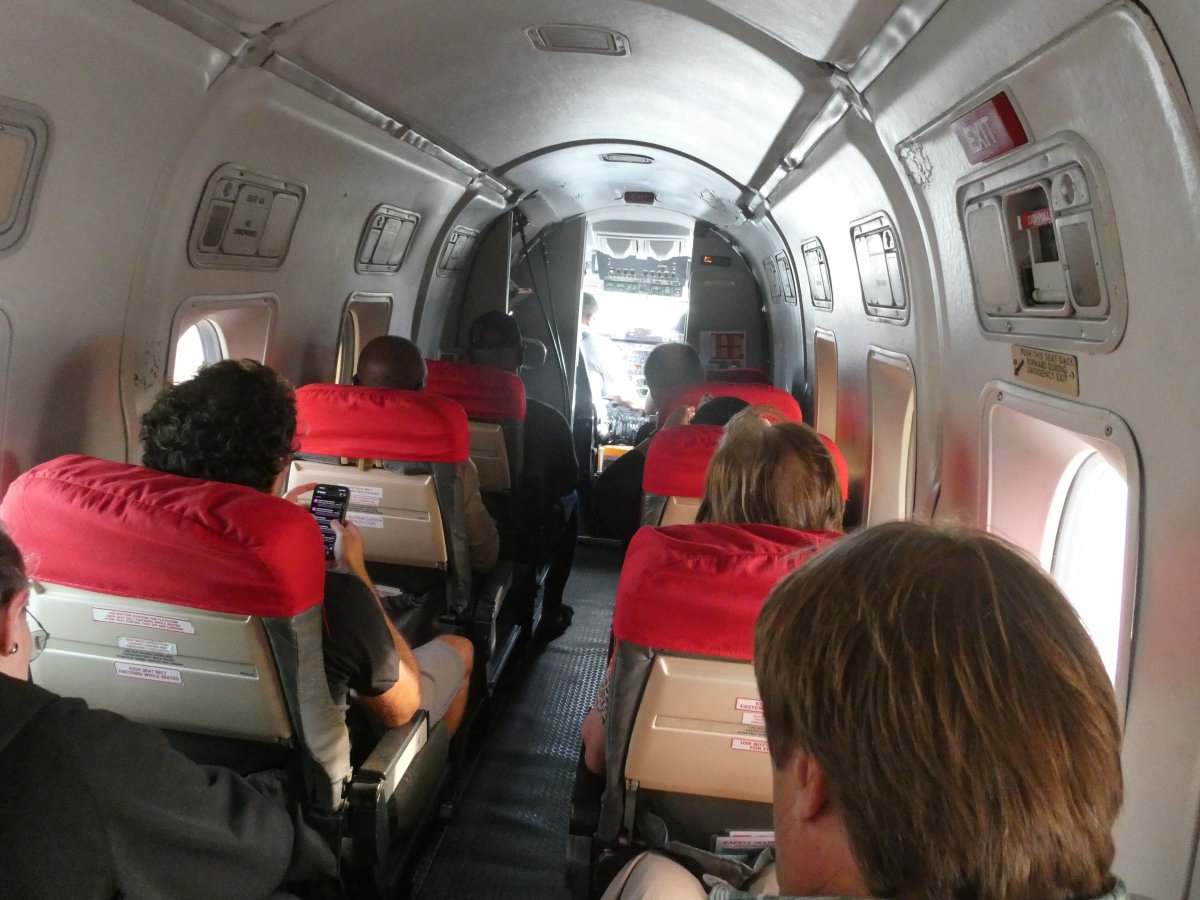
The small plane was somewhat cramped, but suitable.
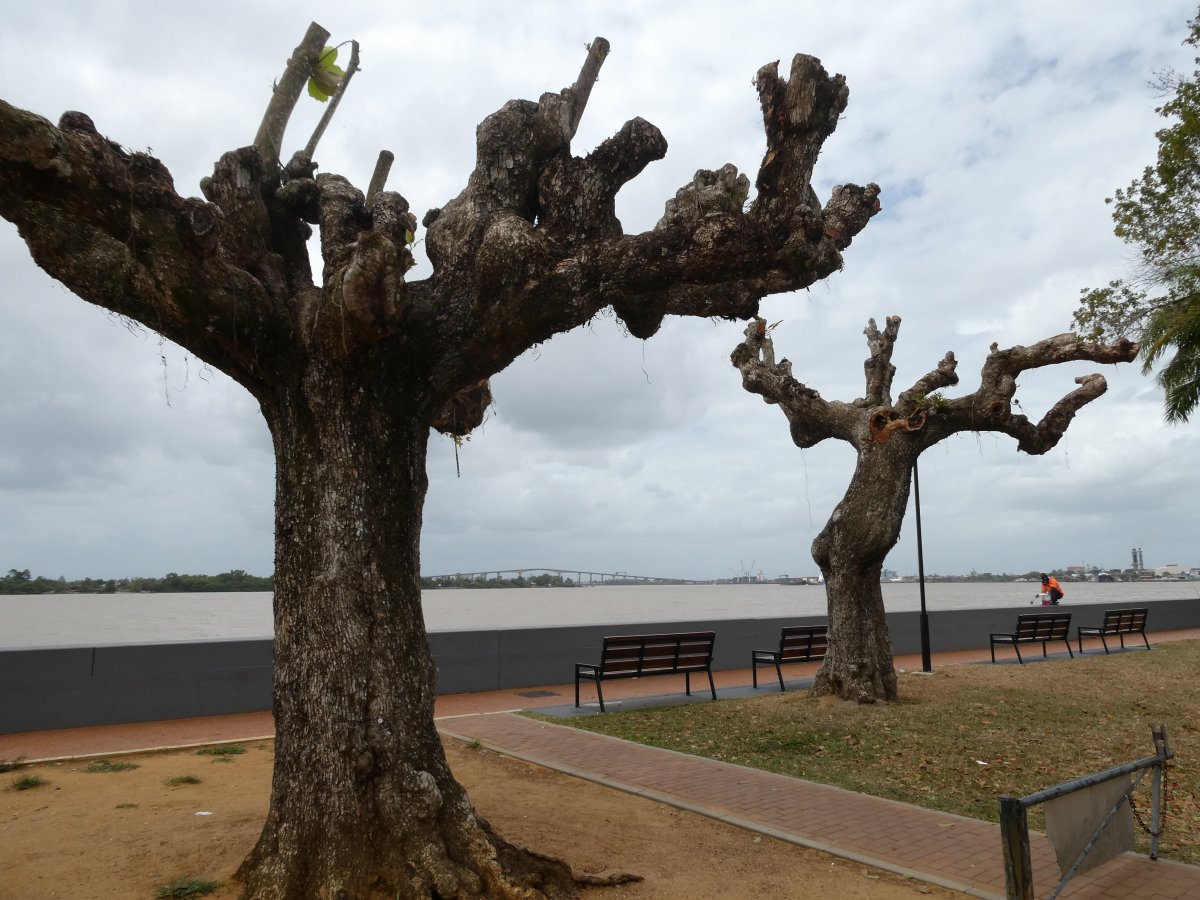
Along the Suriname River.
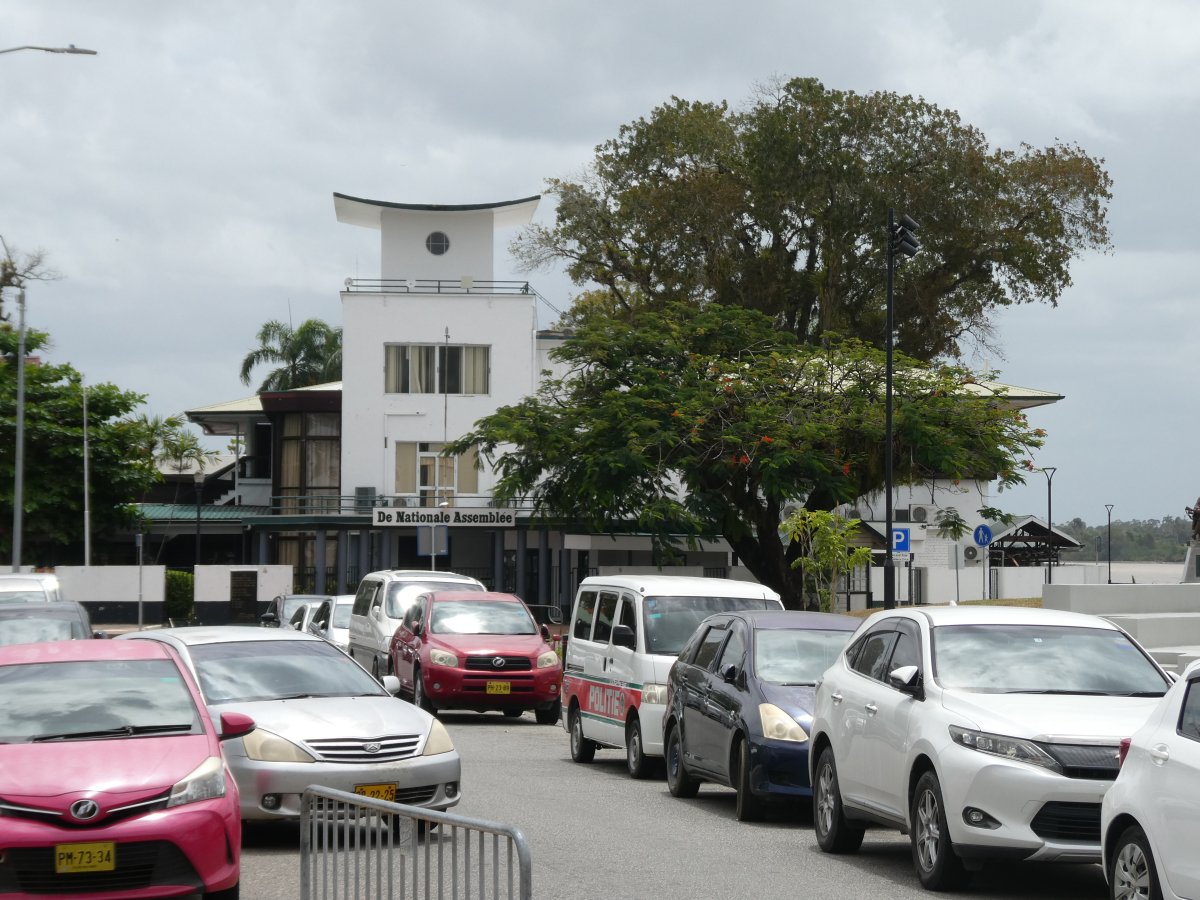
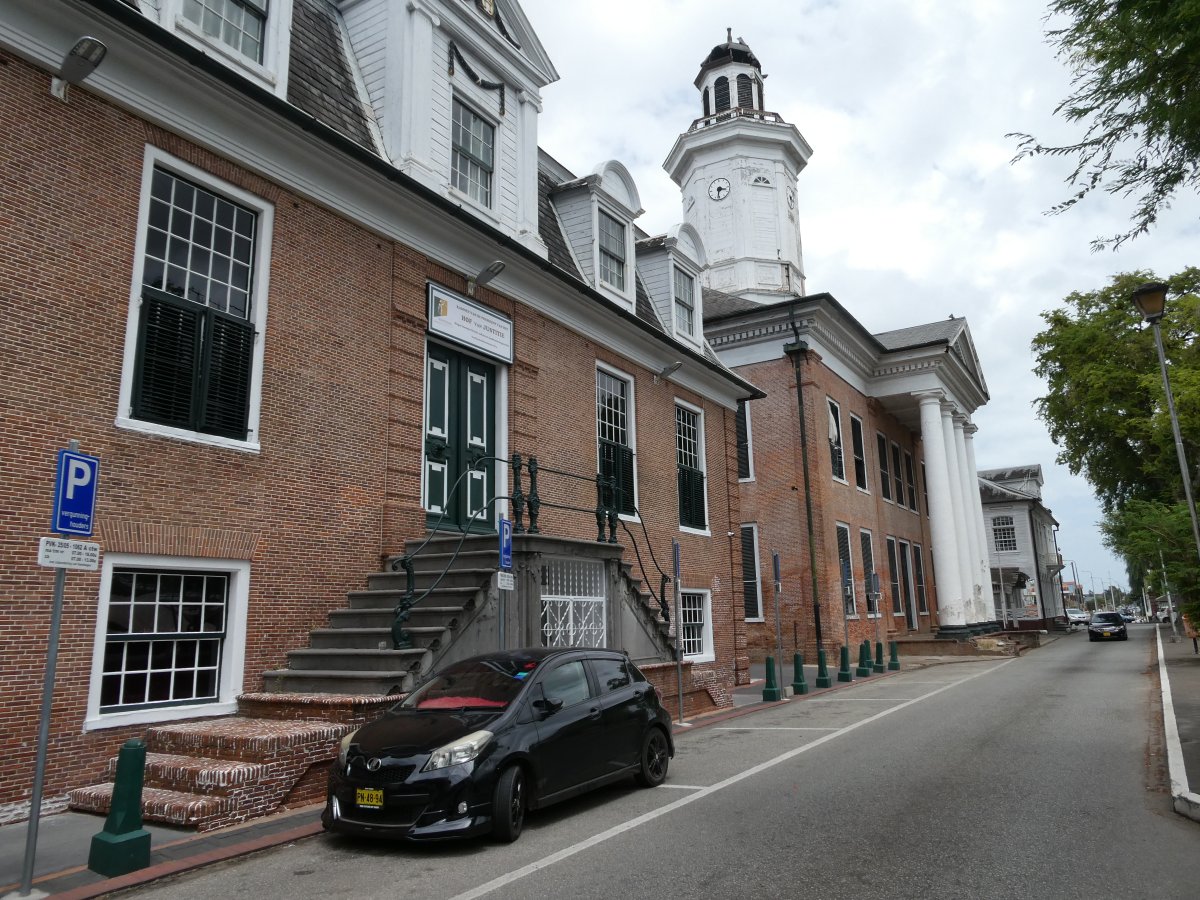
National Assembly
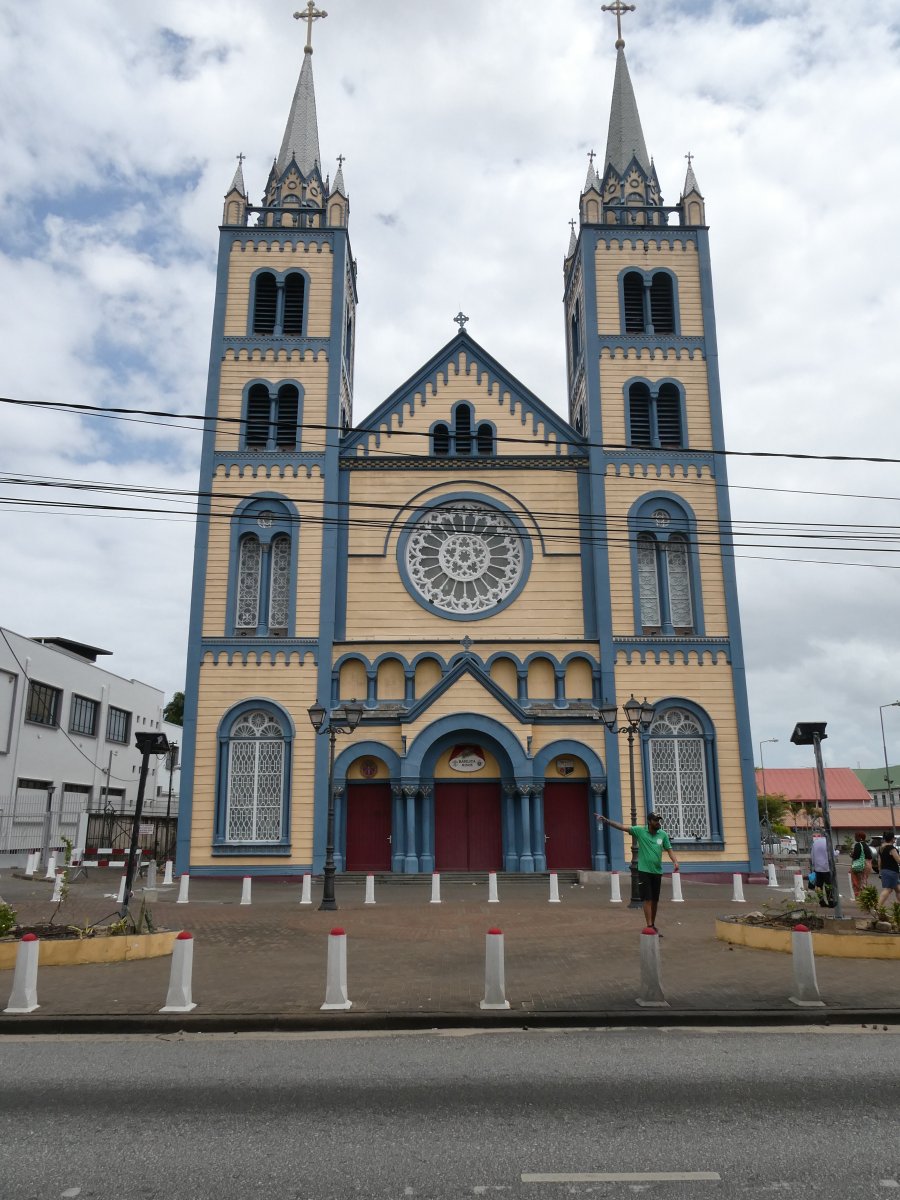
Wooden cathedral, which they claim is one meter higher than the one in Georgetown, supposedly the highest.
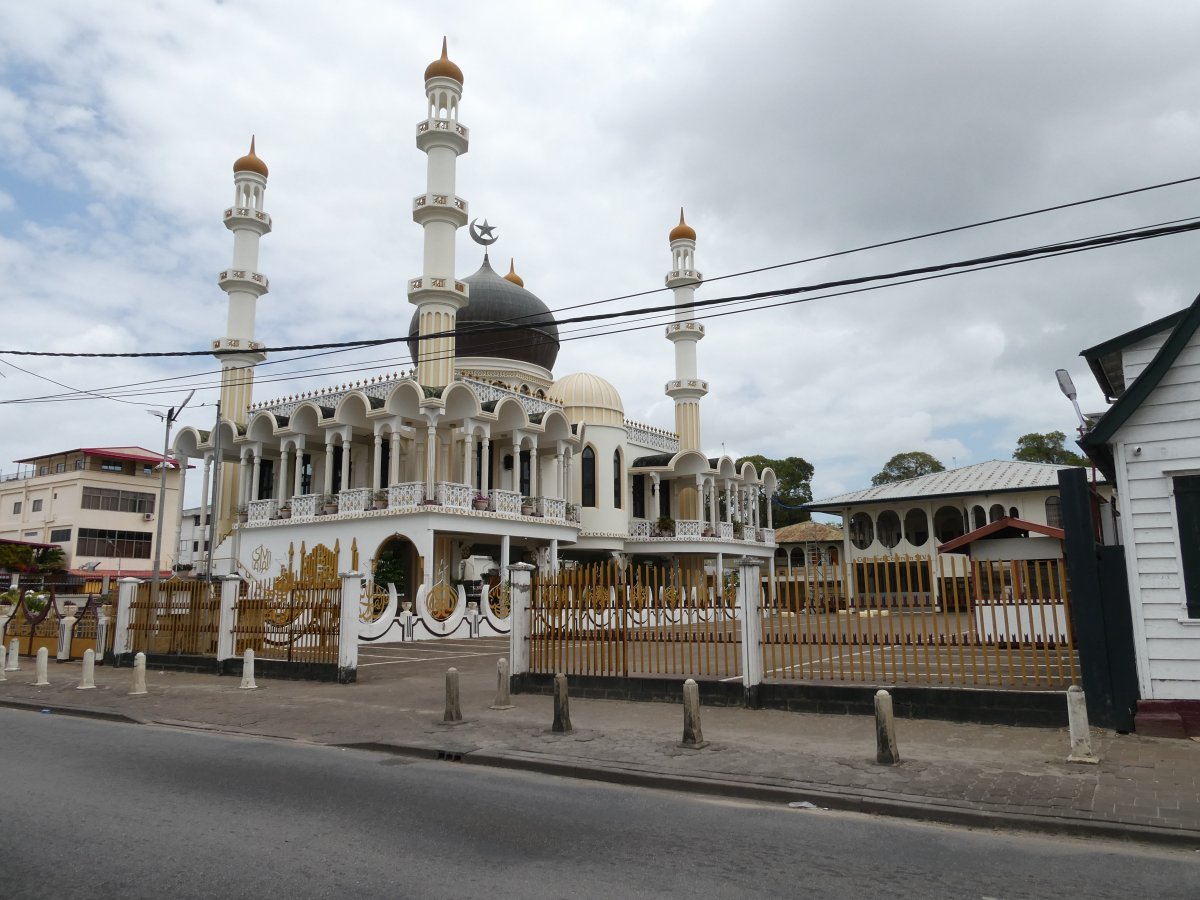
Local mosque. One house down just out of the right picture frame is the Jewish temple.
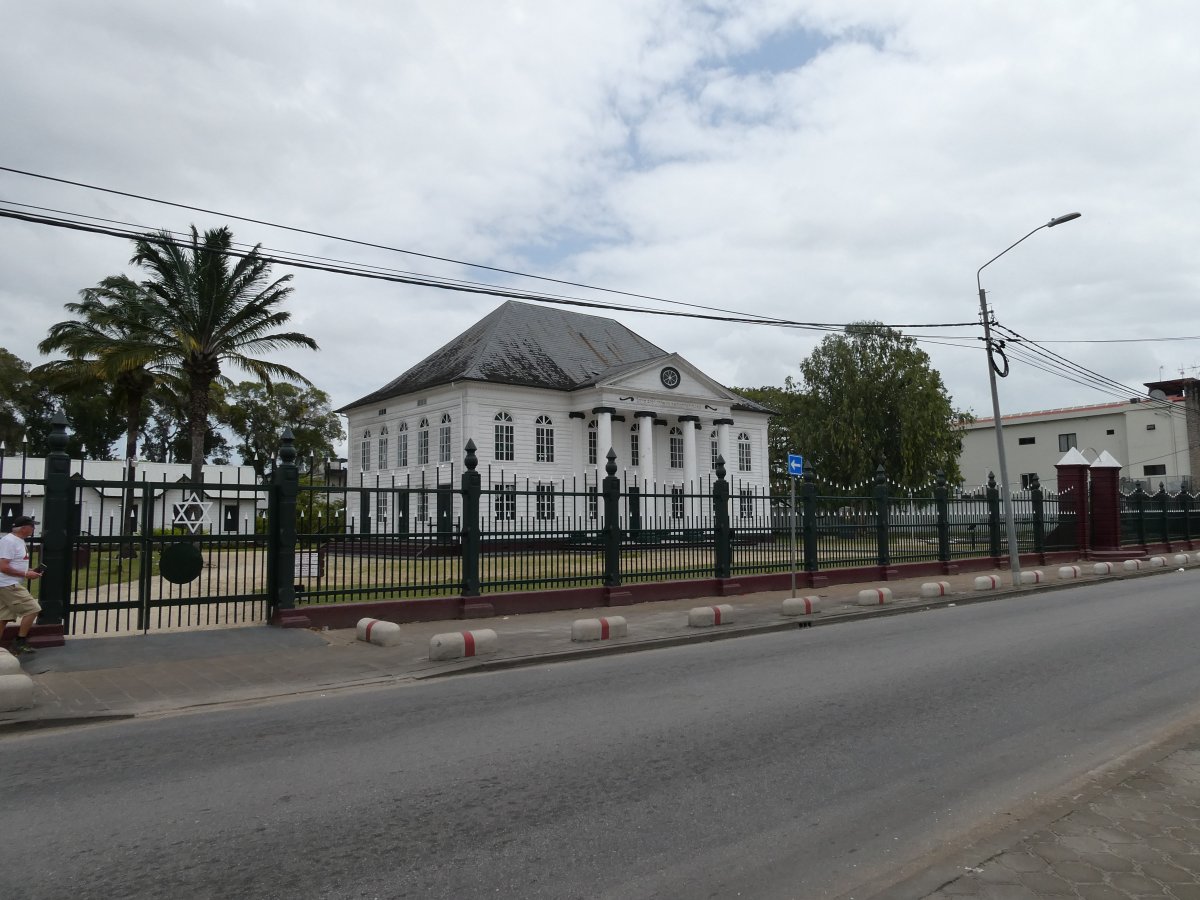
Jewish synagogue that is kept up quite nicely by a dwindling Jewish community.
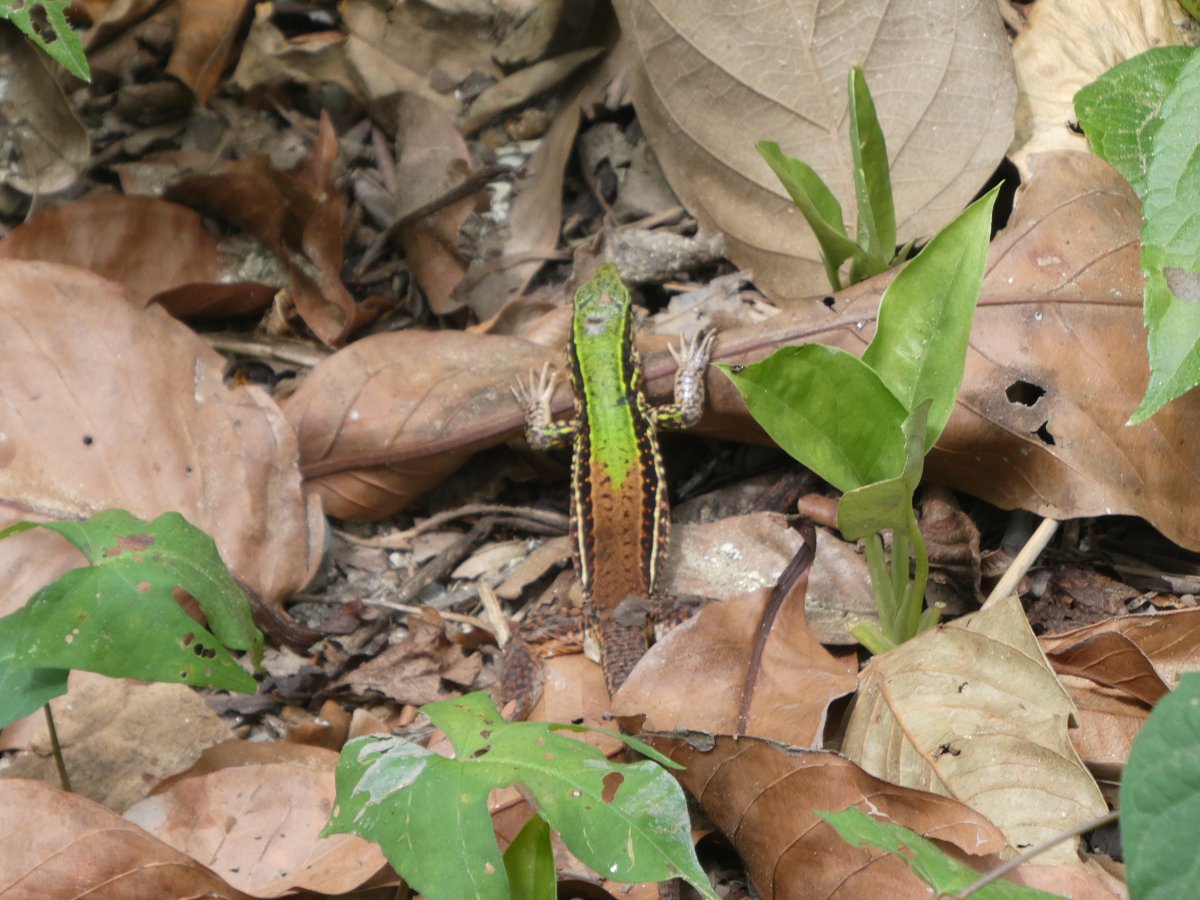
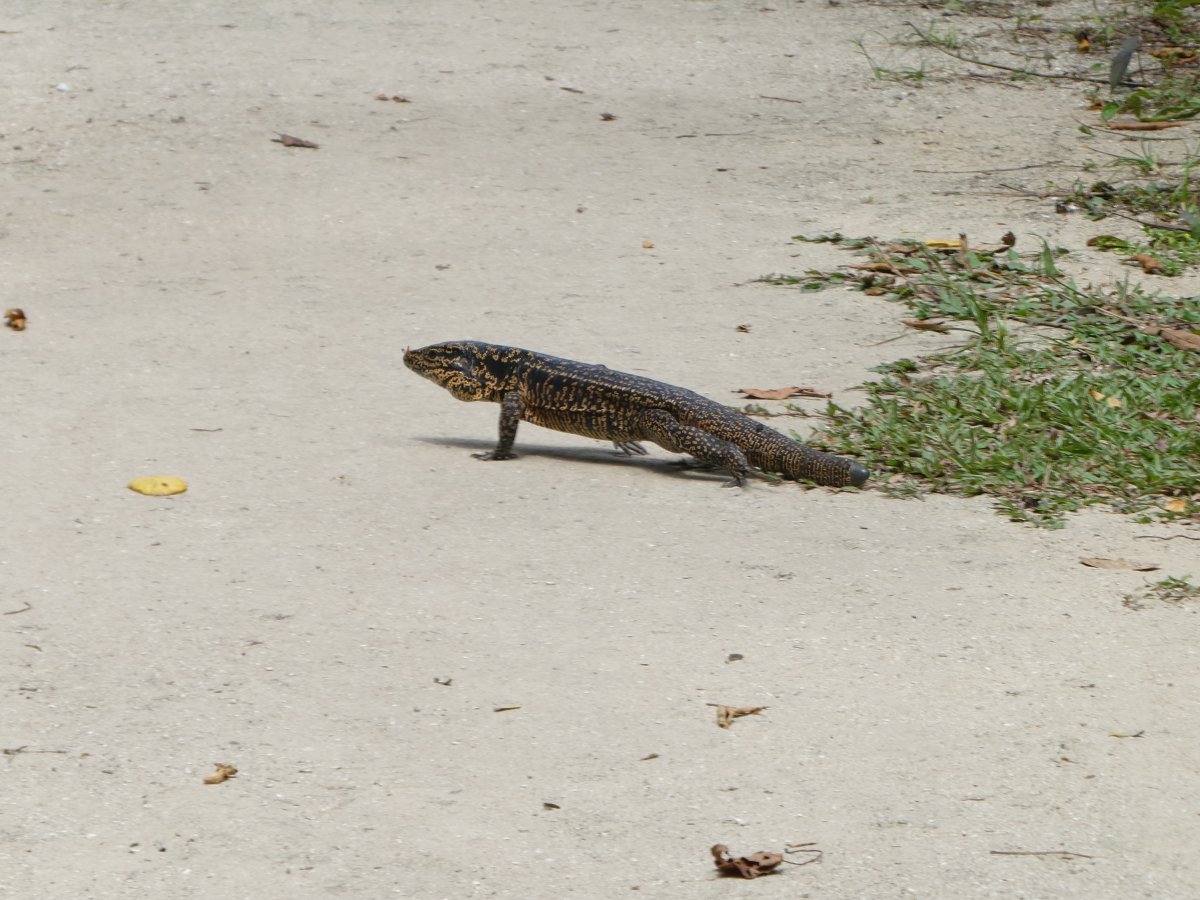
We took a walk through an old plantation (called Peperpot), where a few lizards showed up...
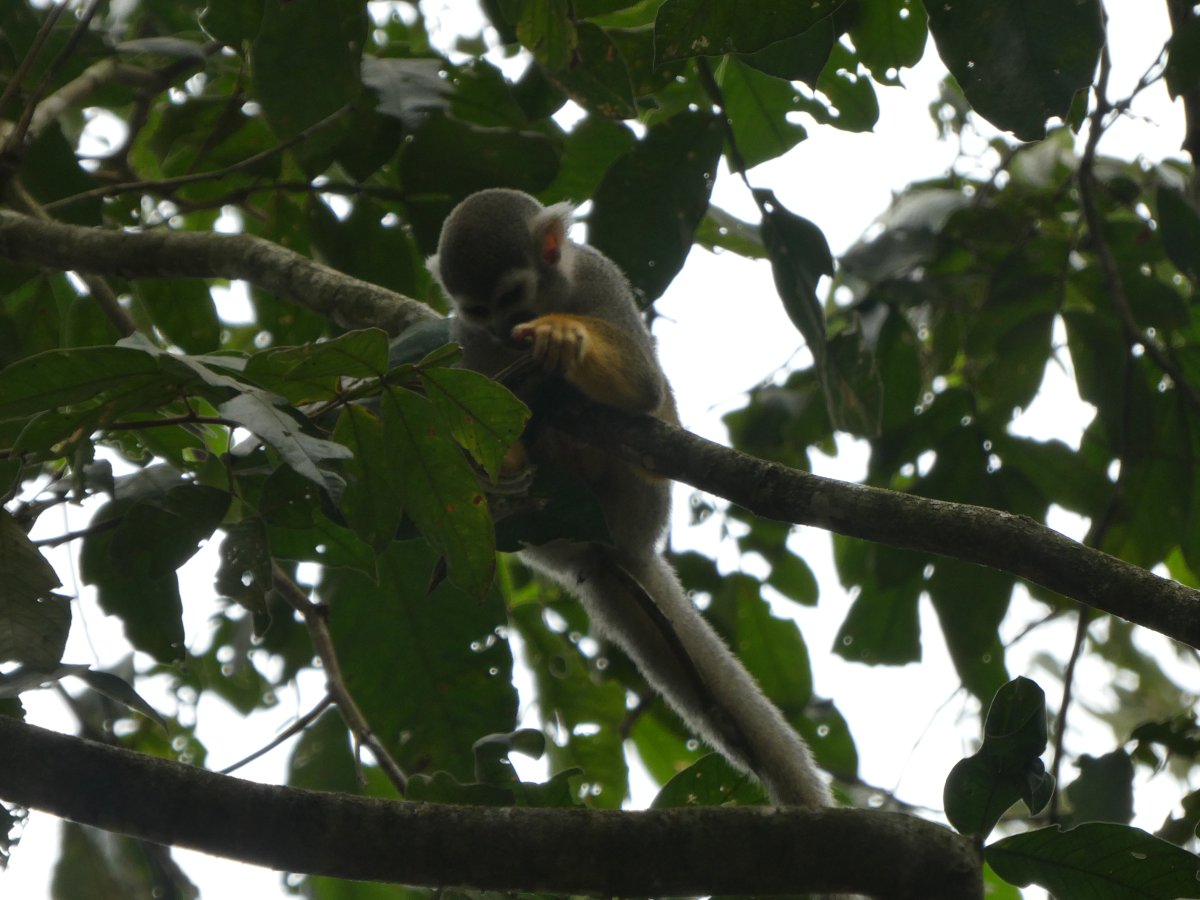
and a couple of capuchin monkeys we saw from a distance.
Suriname again
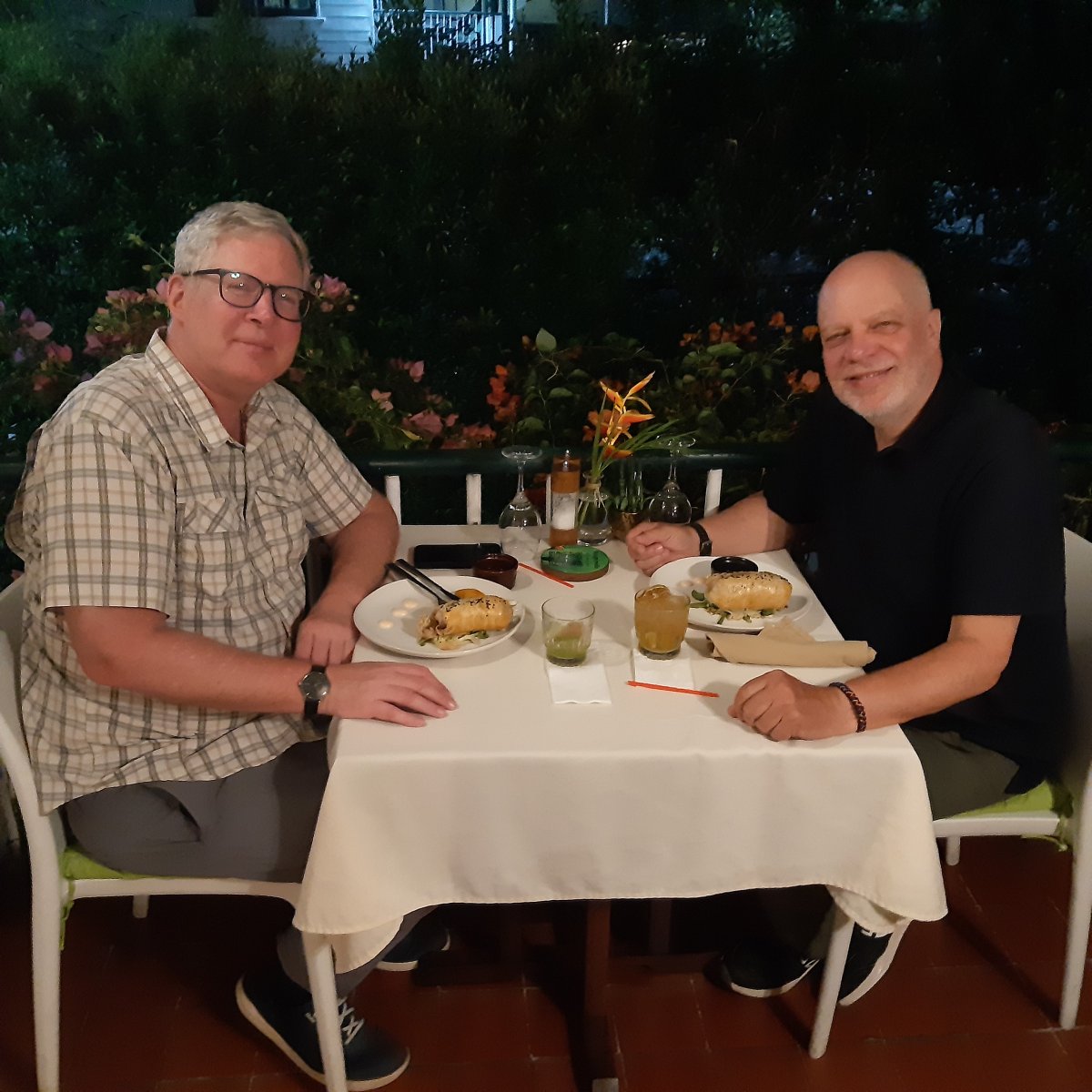
After our 2 day trip to French Guiana, we came back to Suriname. None of my group stayed on, I just had a farewell dinner with Paull. The others were in other hotels and all 3 moved on the next day.
Jaw jaw
pronounced Yao yao, it's a maroon village further back in the country. Maroons are slaves that escaped from the old plantations into the woods. There they built their own culture. The ones at this village did not seem to know much about their origins, as they only moved here from another settlement just 60 years ago, relocated as a dam flooded their previous space.
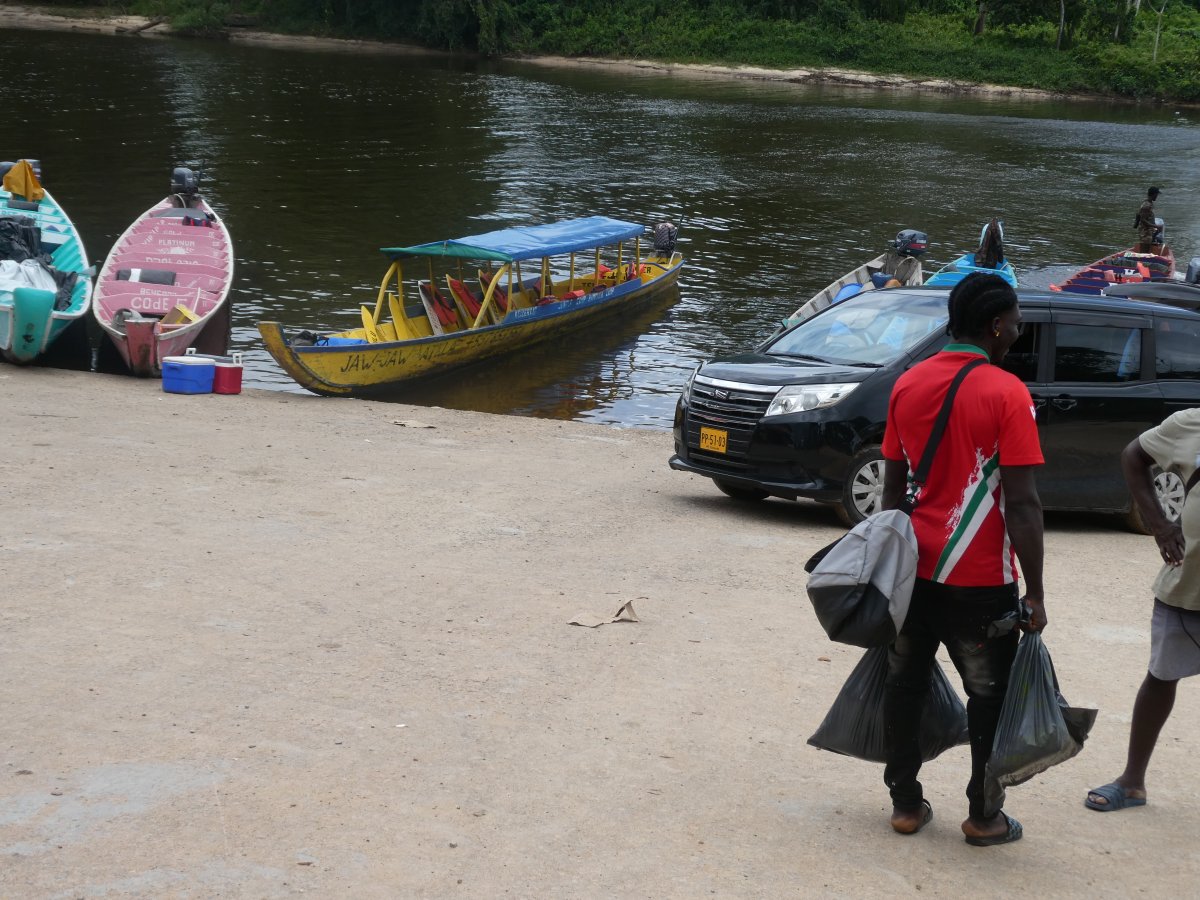
Our boat to Jaw Jaw was waiting for us, thankfully it had a roof because the sun was out in force.
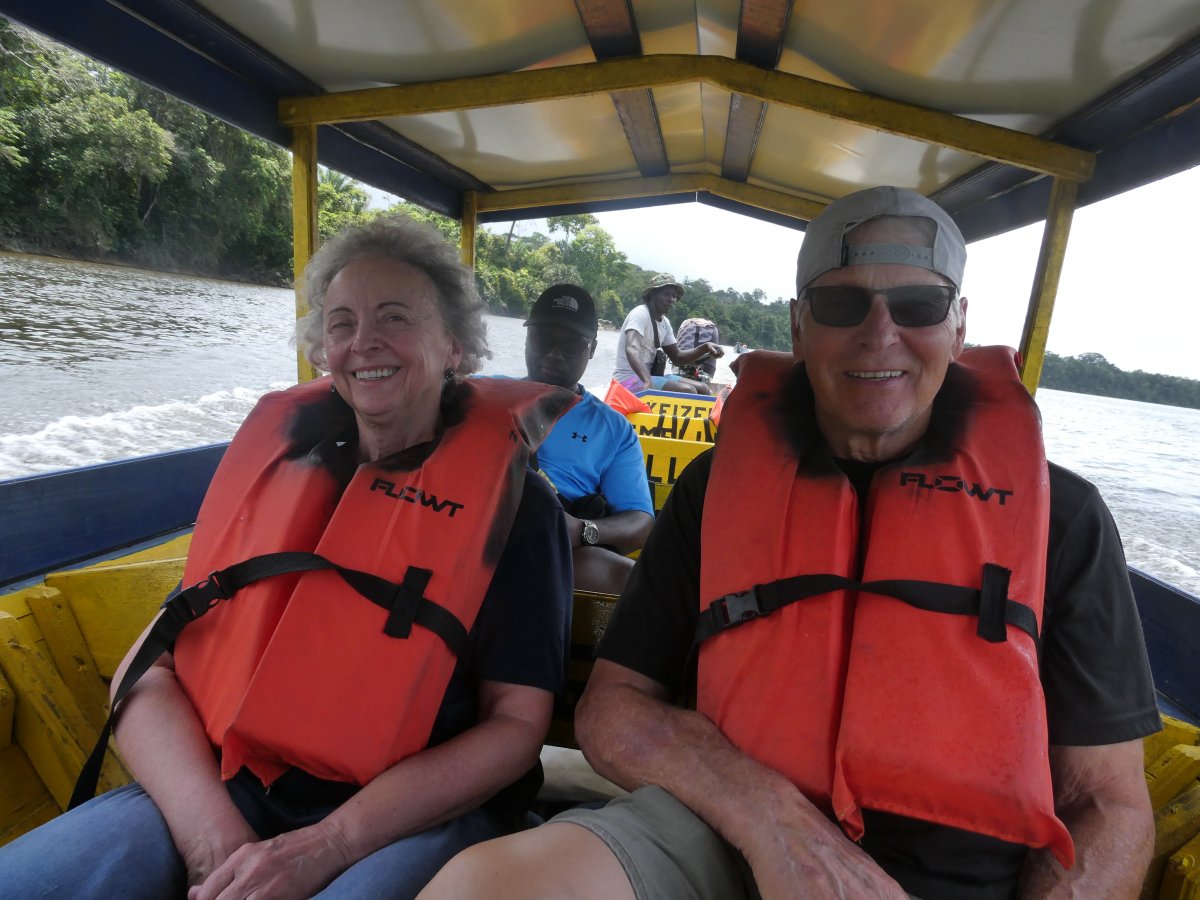
Linda and Joe from Canada. Very well travelled and outdoorsy people. When he was 40, Joe and a friend went into the wild for 7 months where they built a log cabin and shot at least one moose for food.
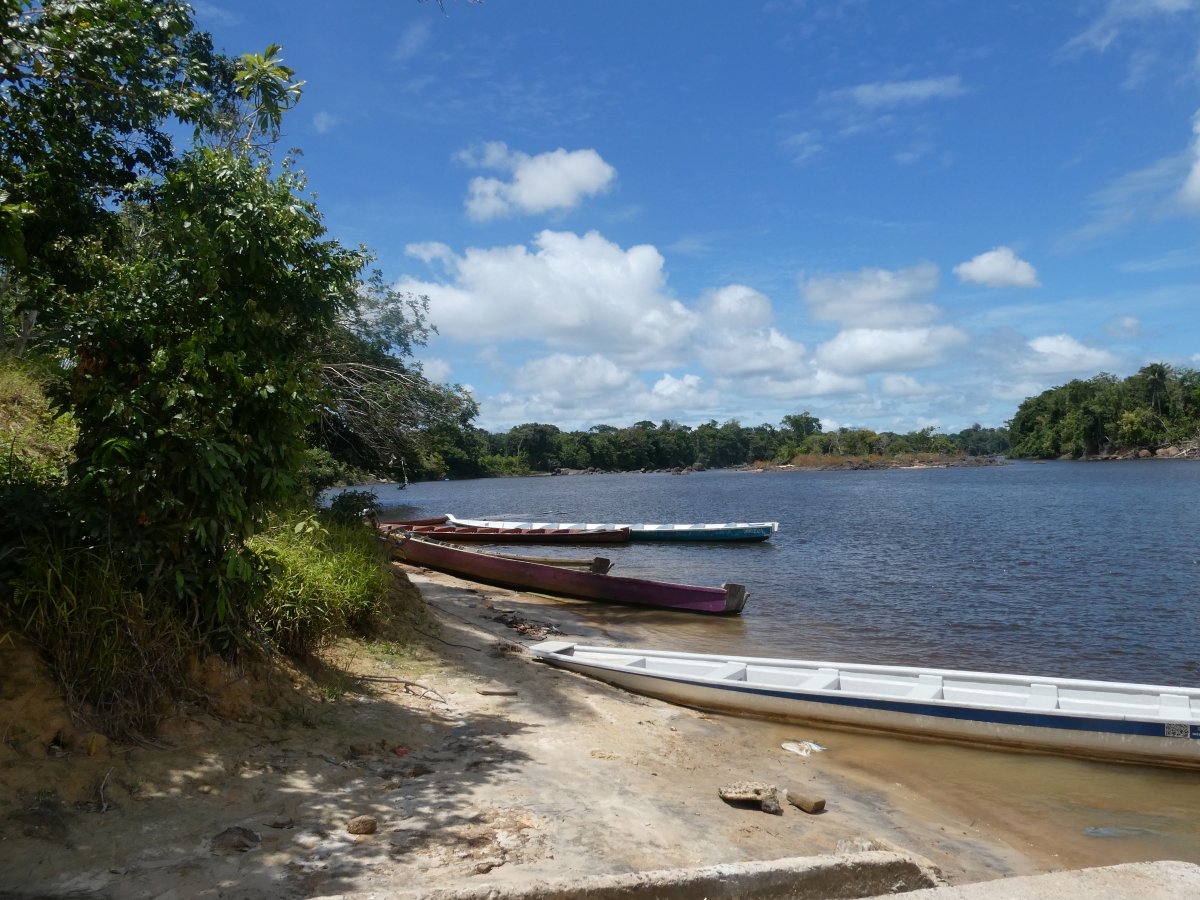
View from our landing. I watched a little girl who can not have been more than 5 years old fishing with just a branch and some line and a small hook. The bait was minimal, but during about 10 minutes that I watched she pulled out two small fish. All the while, her baby sister sat on a rock beside the river, completely unafraid of falling in.
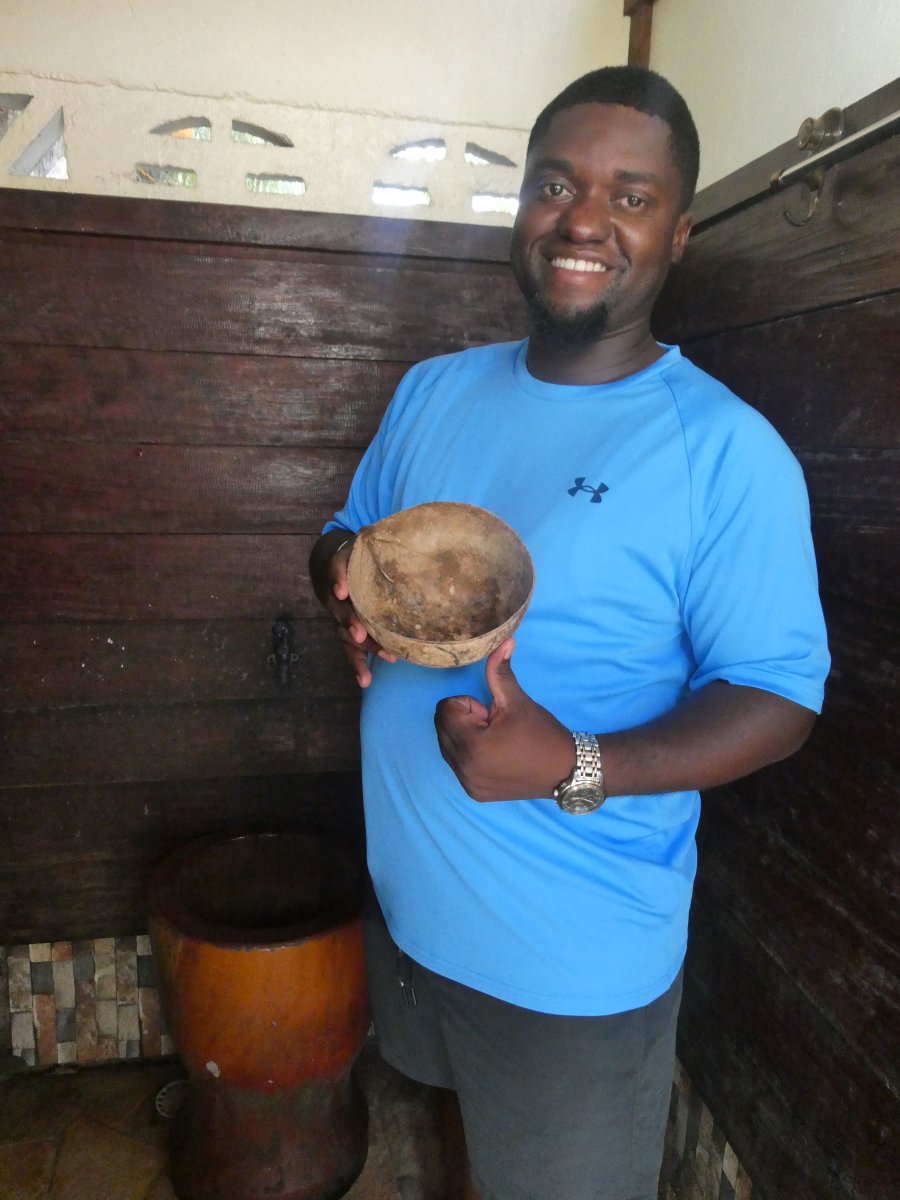
Our guide explains the "shower" where you basically scoop water out of a bucket and wash as well as possible.
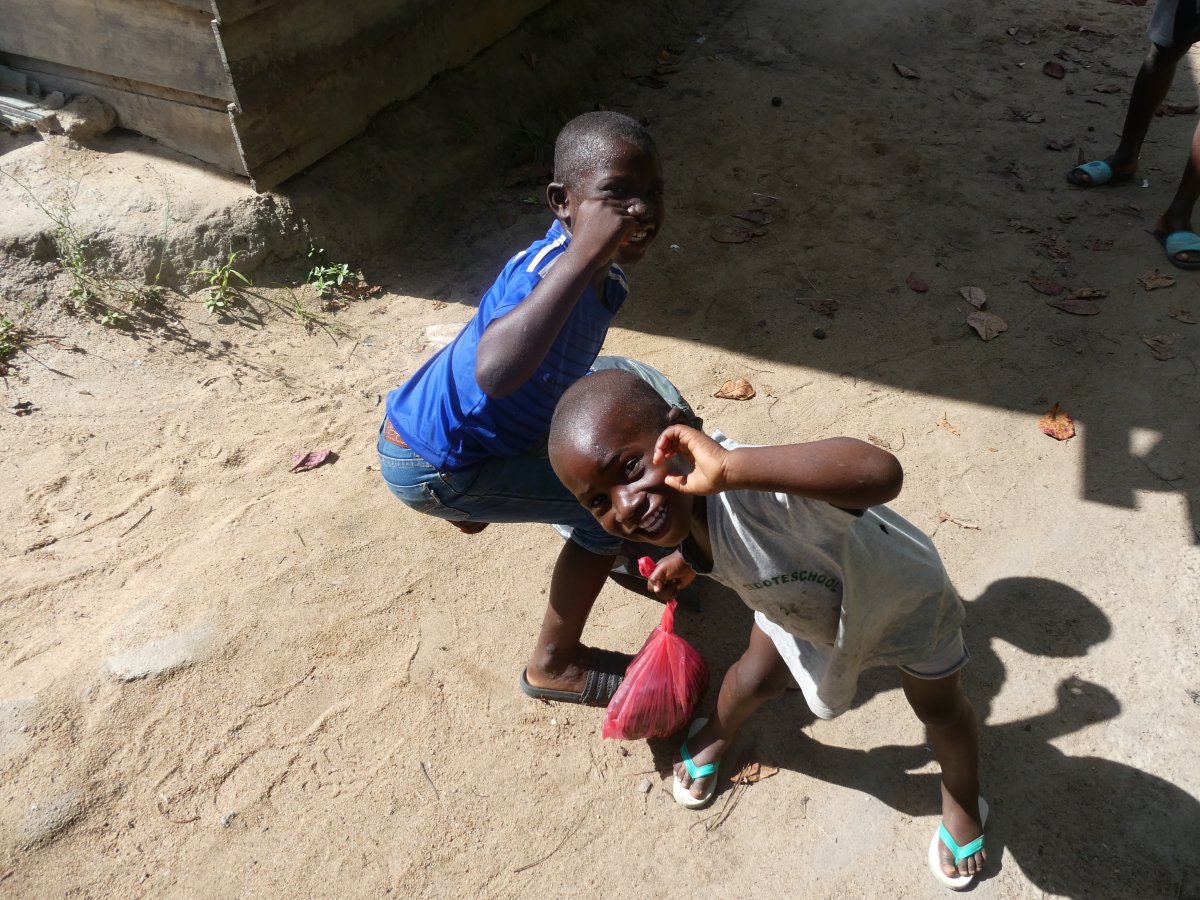
We were quite an atraction for the kids.
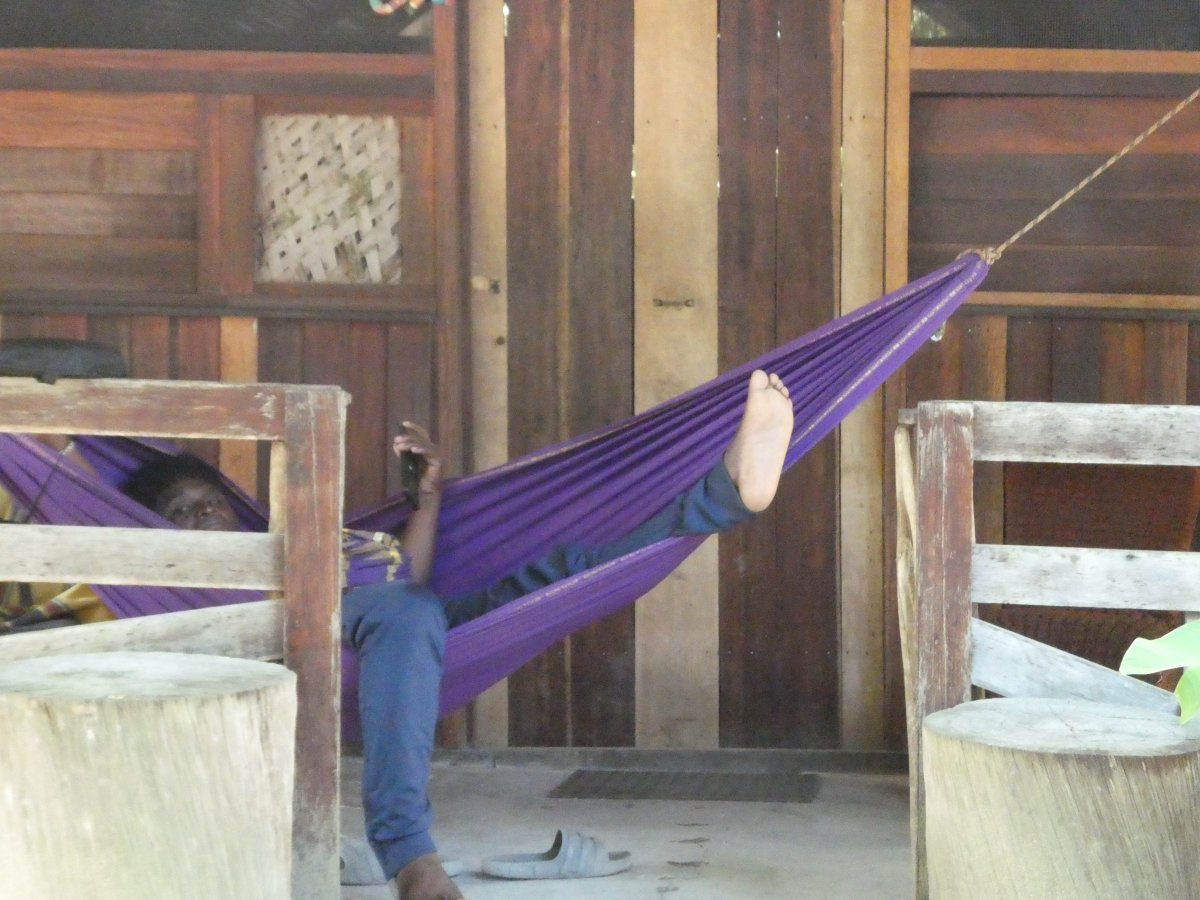
One of the guides resting.
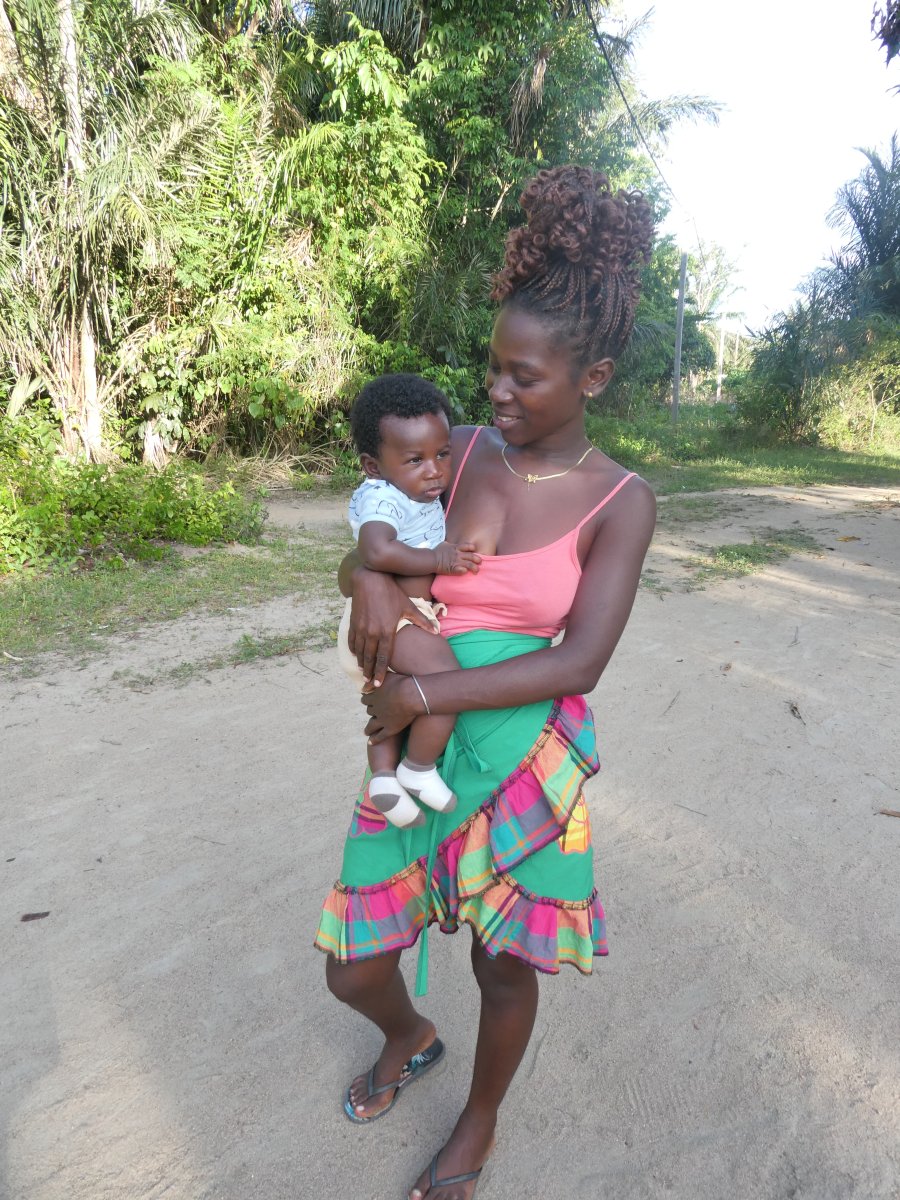
This young lady is learning to be a guide and followed us around with her baby, listening to what our guide was telling us. Although only 5 months old, this kid was solid as a rock, holding himself upright and staring at you with a challenging look.
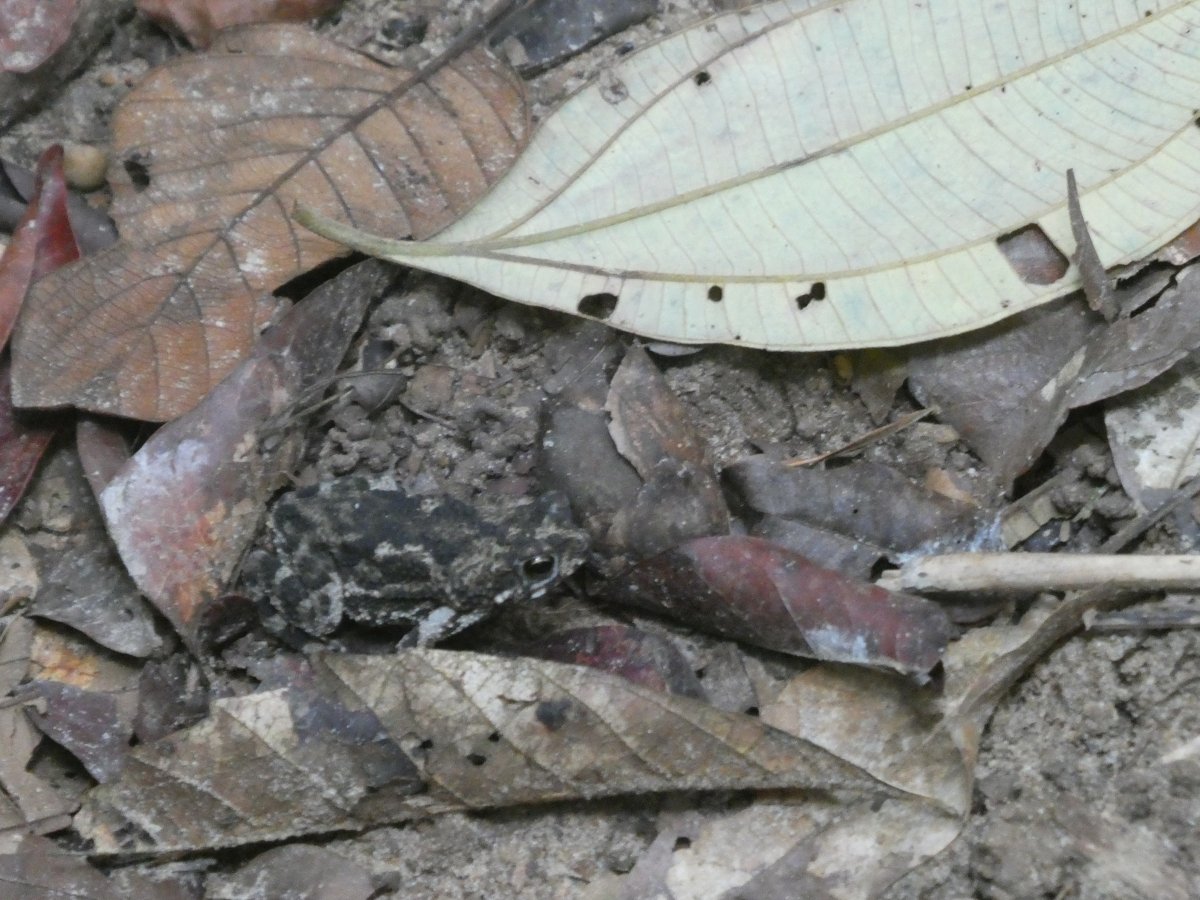
Even if you know the frog is there, he is very difficult to see.
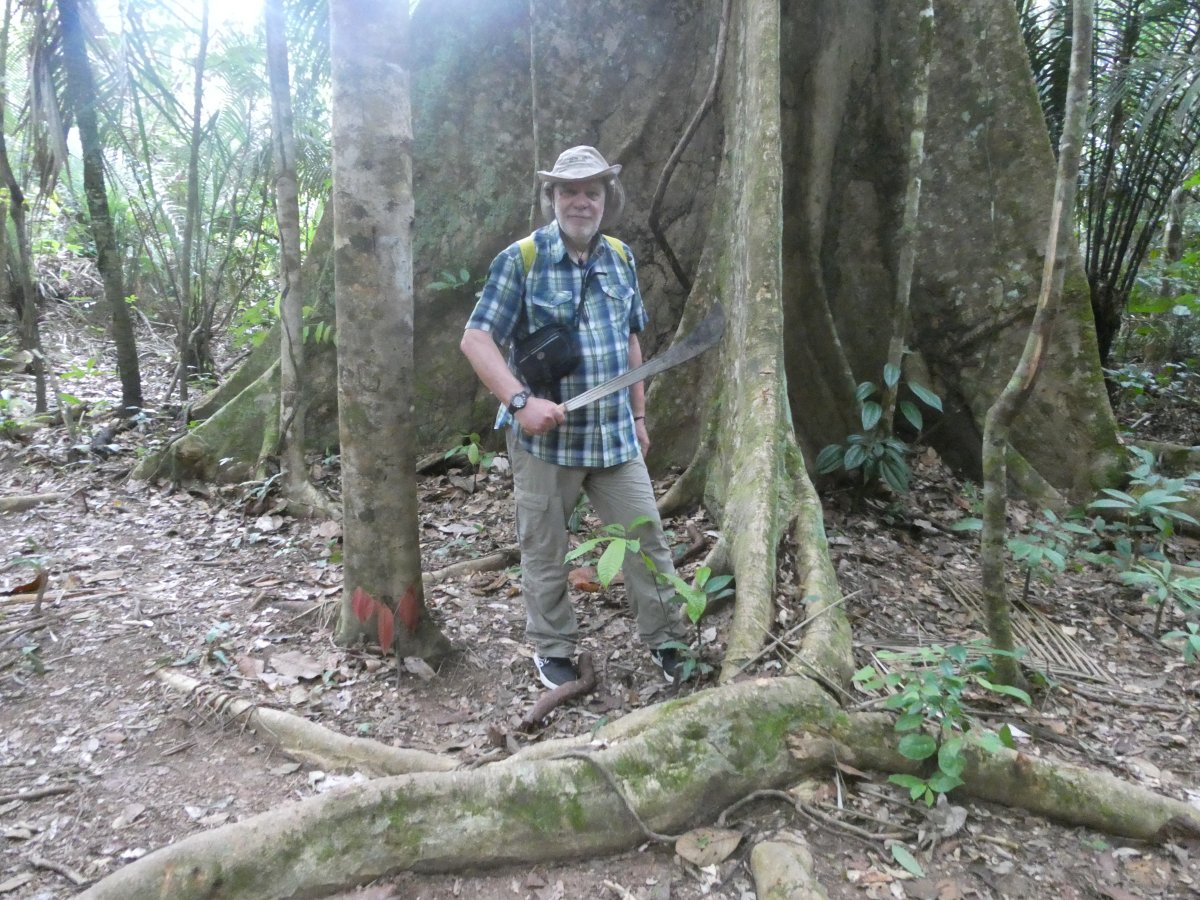
Our adventurer gave in to one photo, at least.
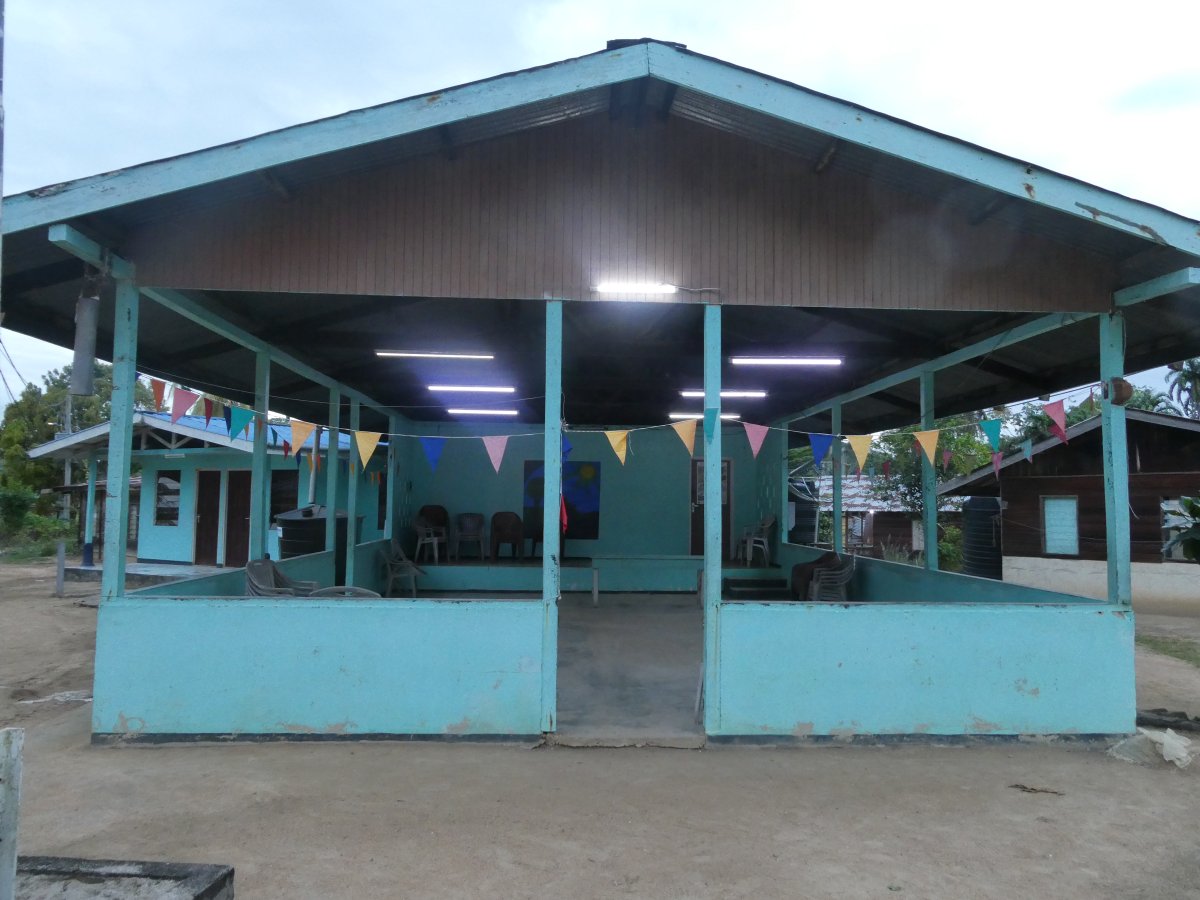
This is the center of power. When there are important things to decide, the president calls all his captains here, as well as the "bashas" (kind of police) and if need be the rest of the village. These political functions are all hereditary.
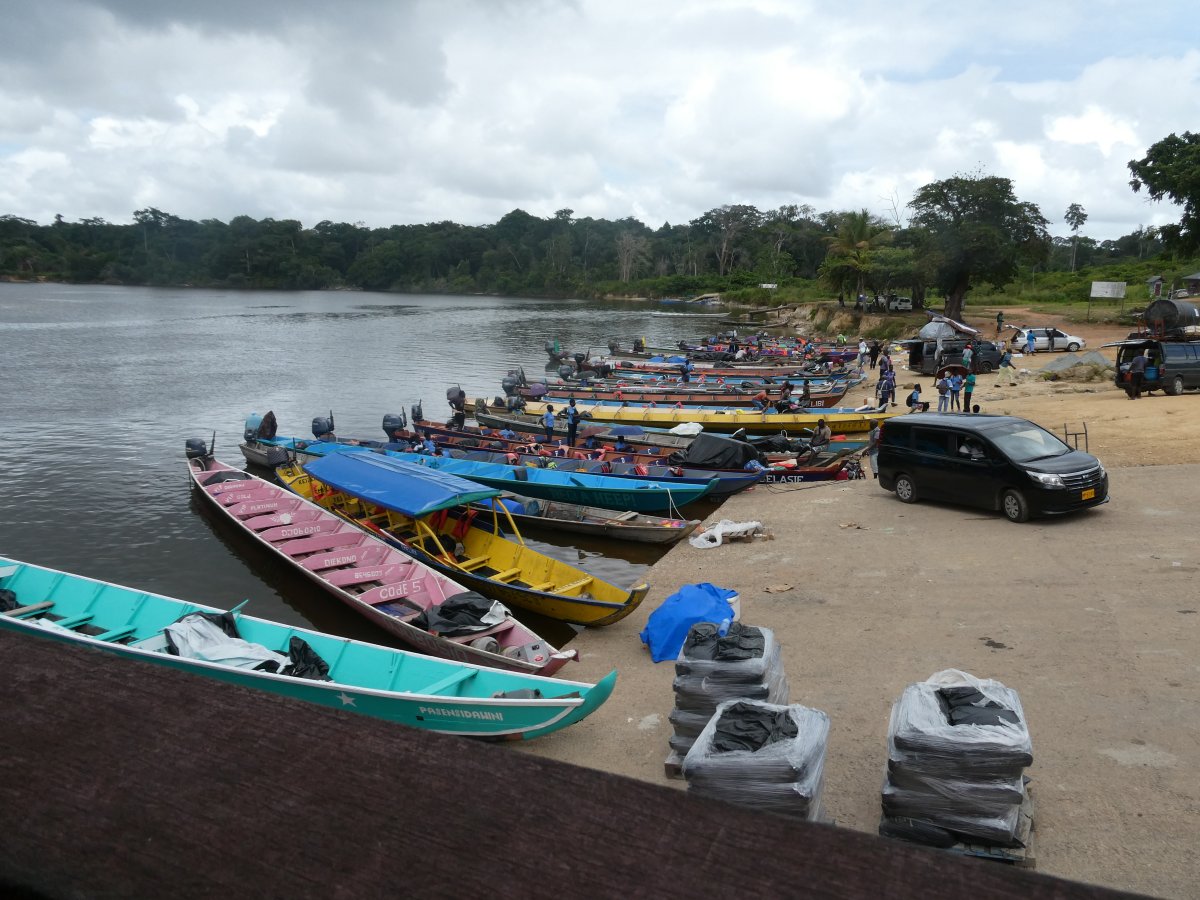
Many boats were lined up to take people to similar lodges as ours, but more importantly to shuttle children to and from school.
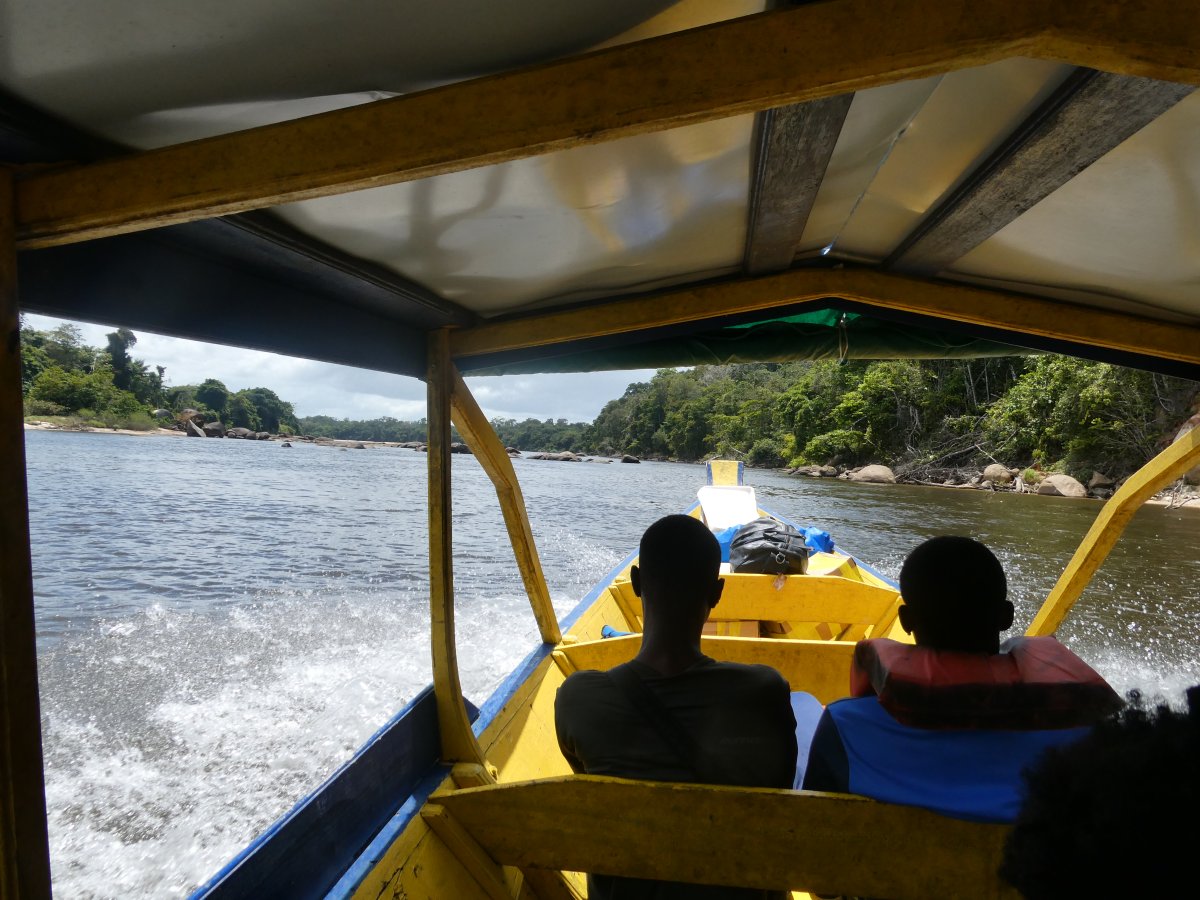
It was a peaceful ride downstream
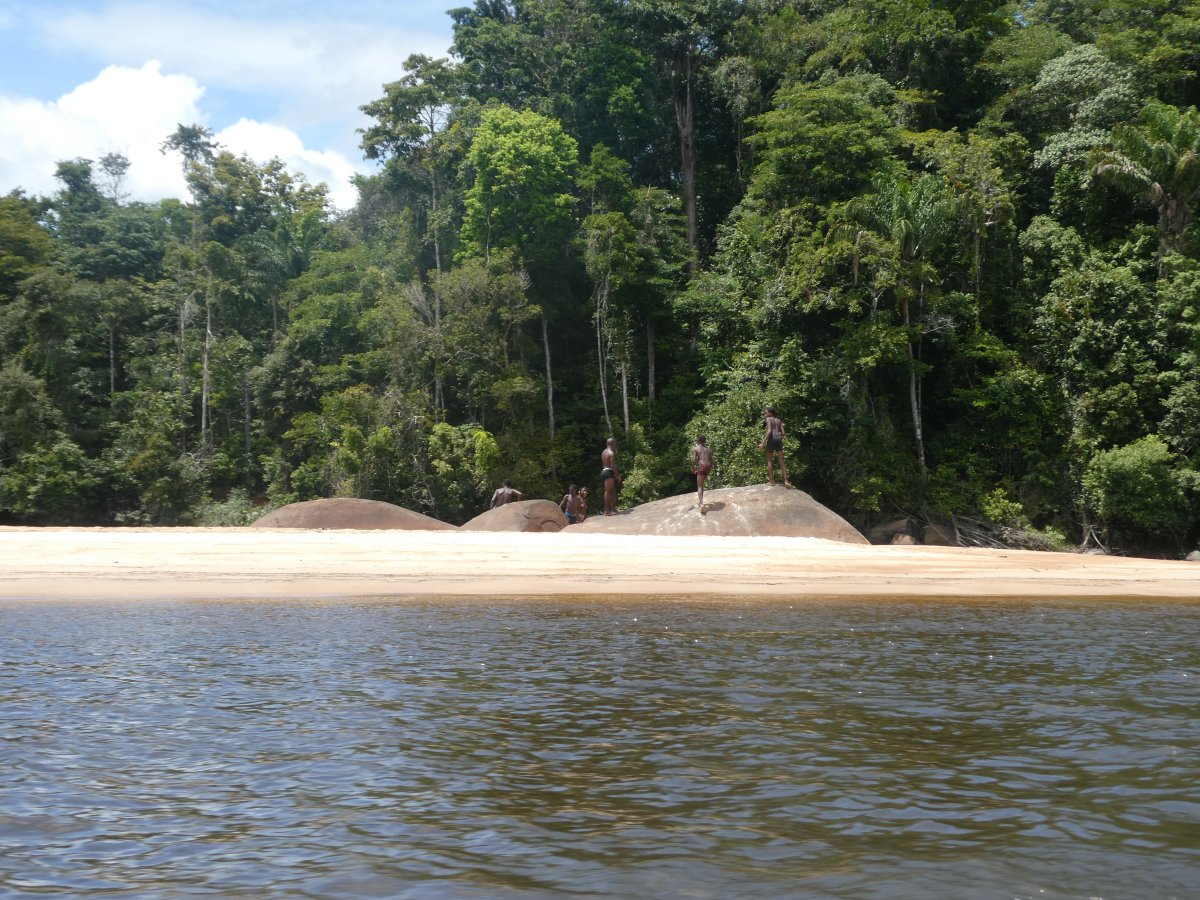
with boys playing by the river.
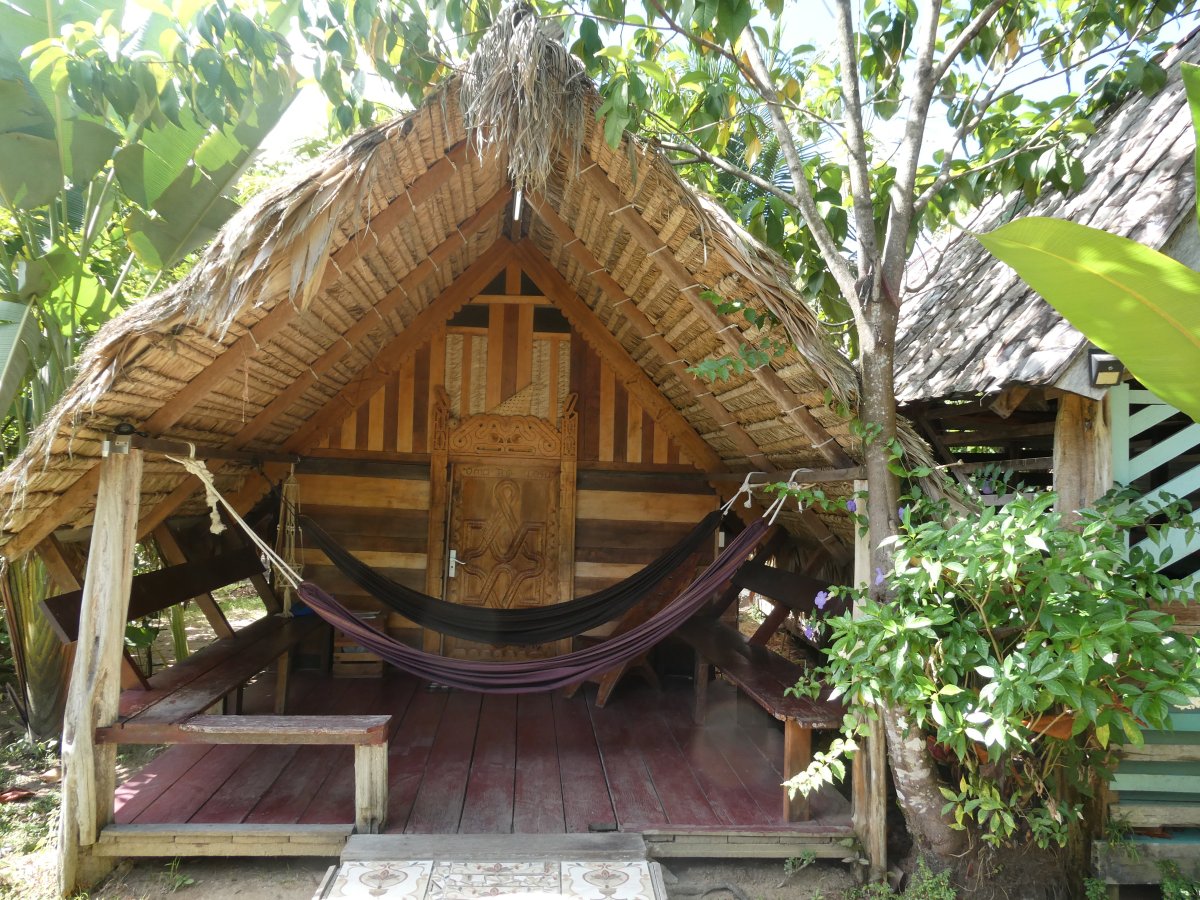
This was my hut in which I spent two nights. The hammocks were quite comfortable. I tried to sleep there the first night, but retreated inside when it got to be too warm and mosquitos started to nibble.
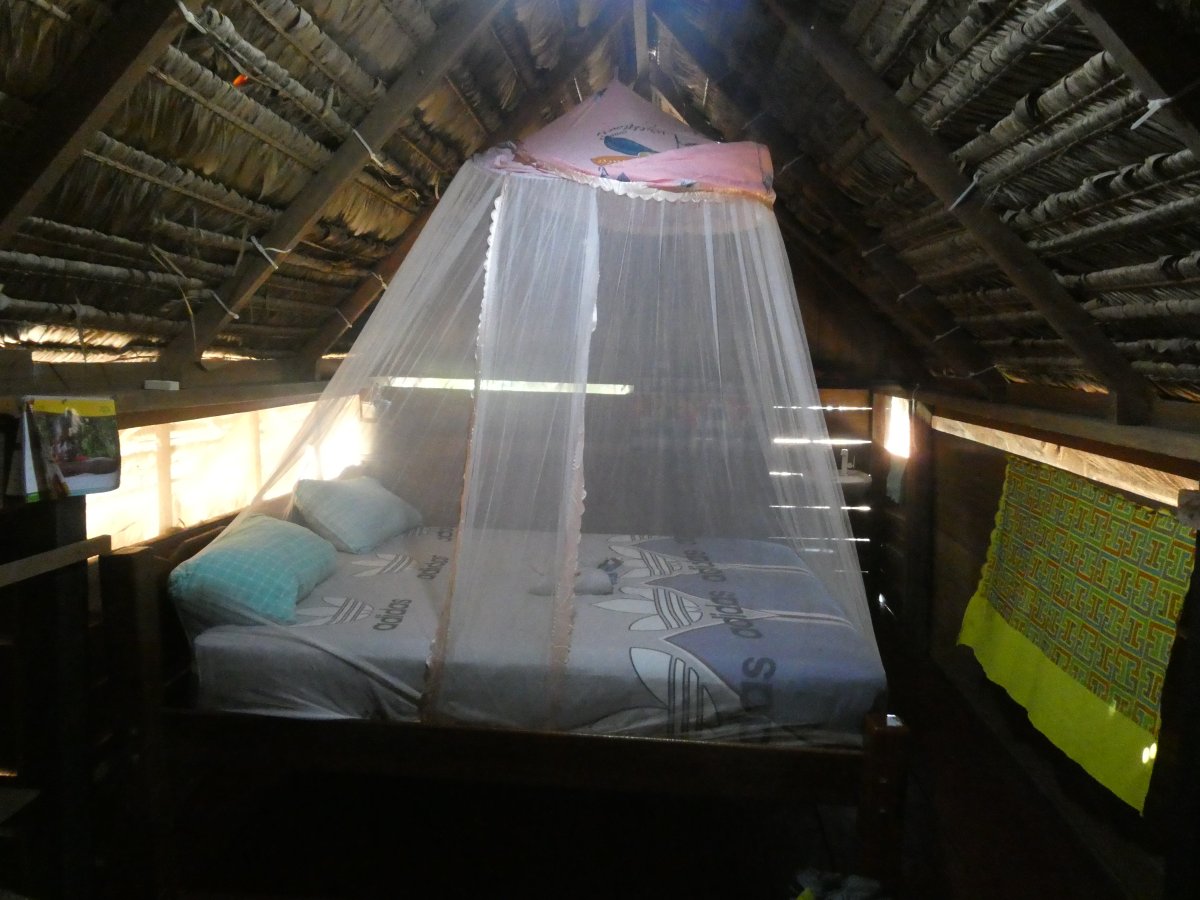
The inside was very comfortable, with a fan that kept me cool. The ensuite bathroom in the back had a very low entrance, where I must have hit my head at least four times. In the morning there was a tiny frog staring at me, eye-level.
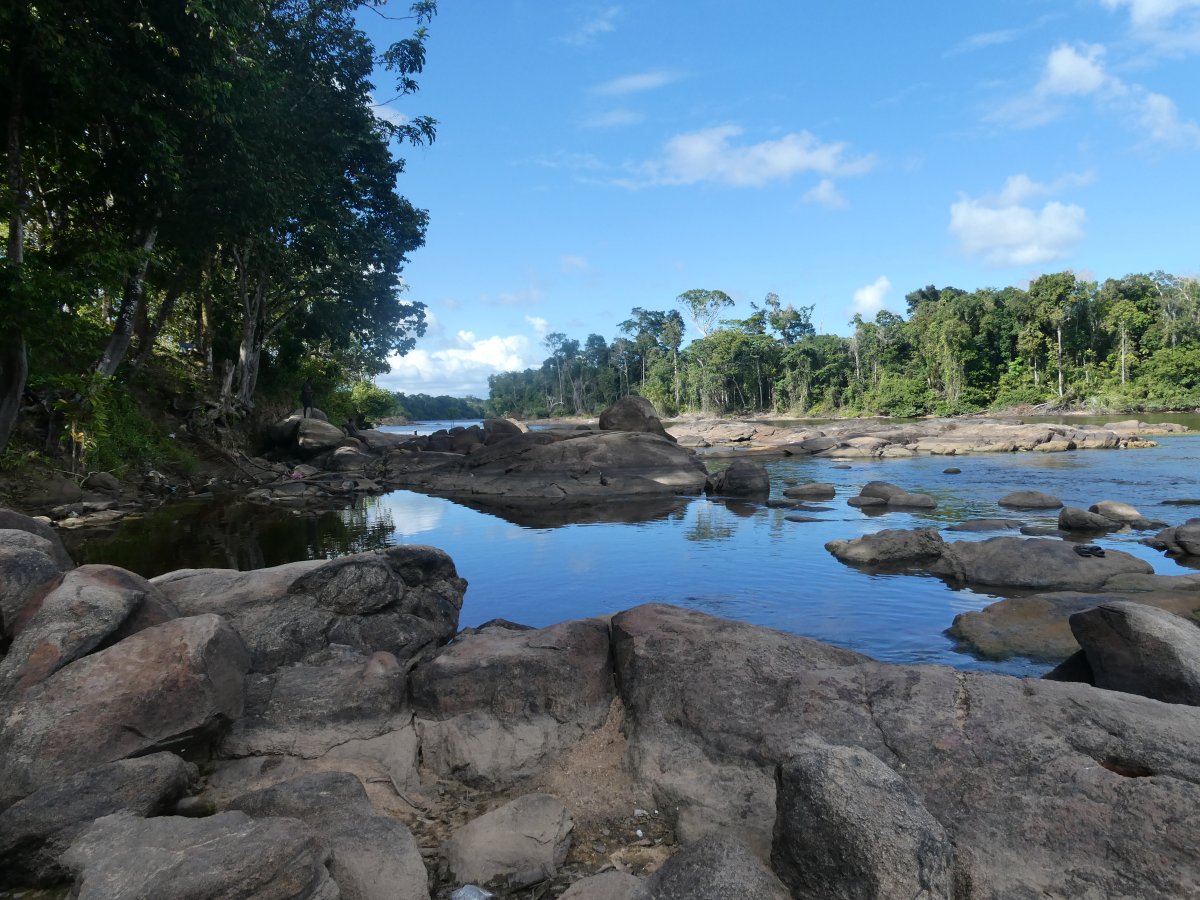
the water was quite welcoming
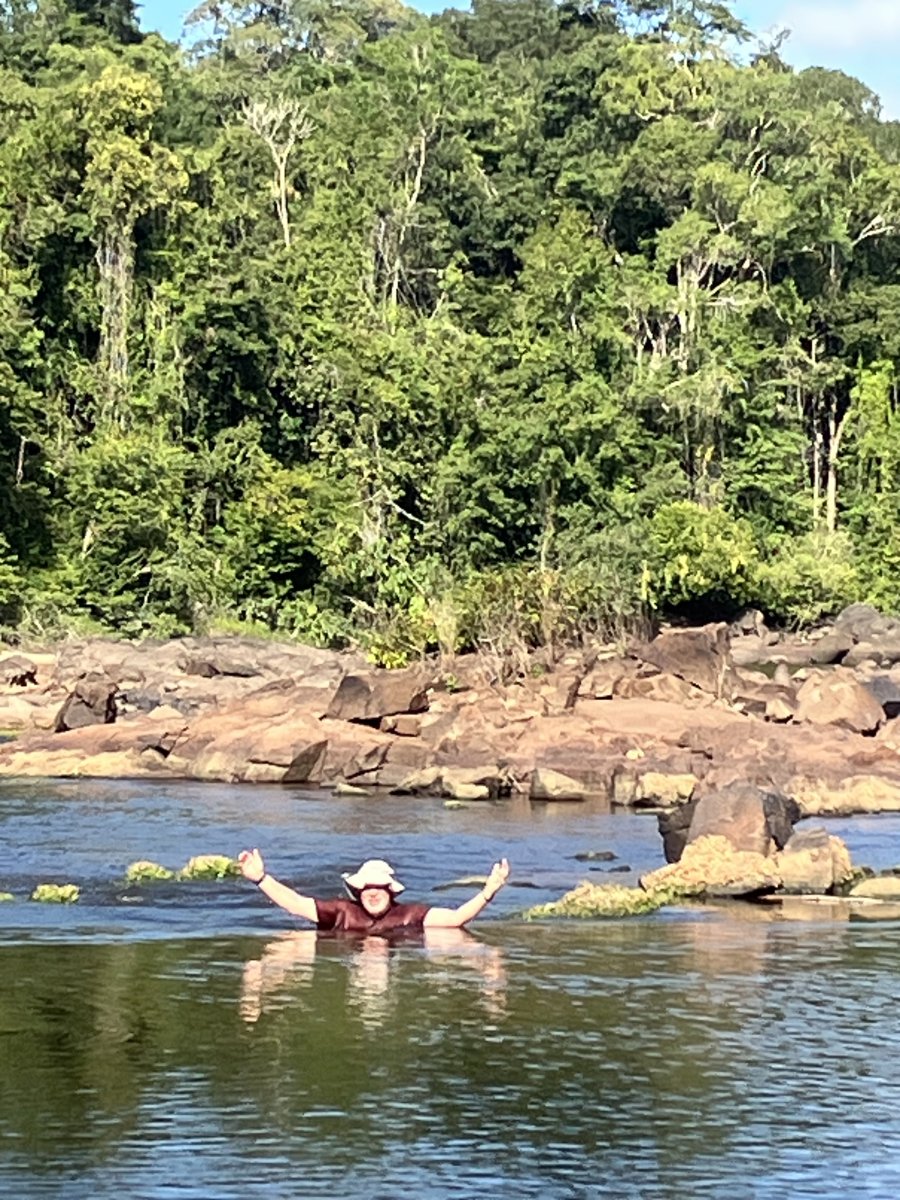
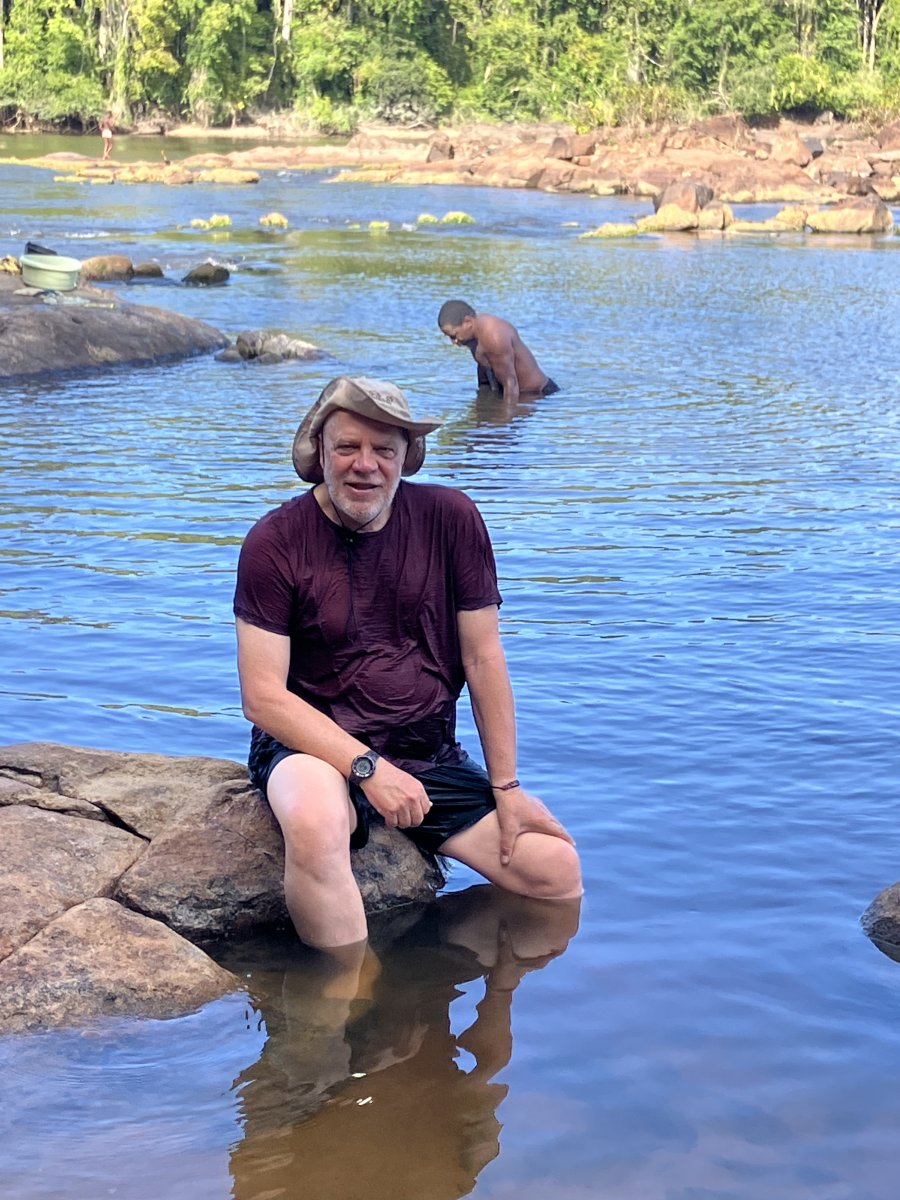
so I went for a dip
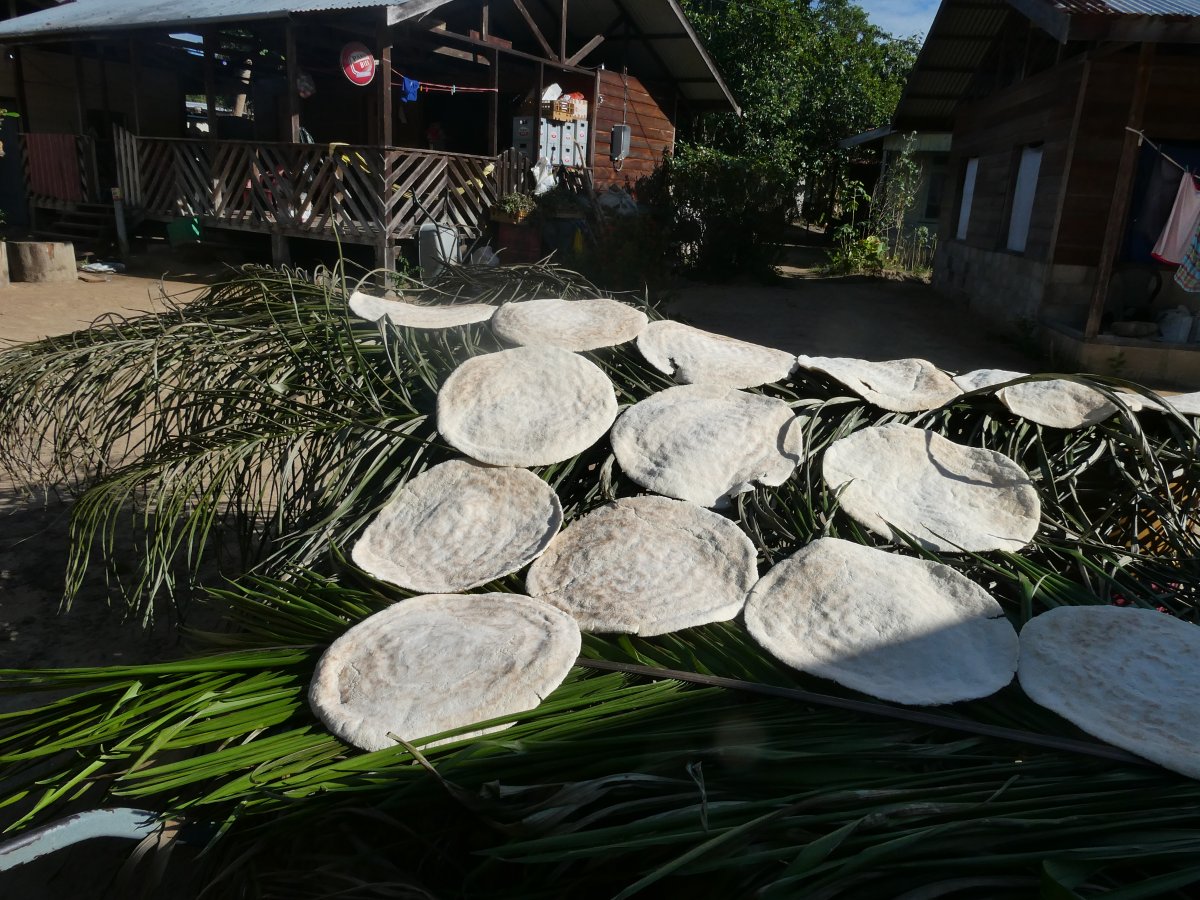
Cassava bread drying
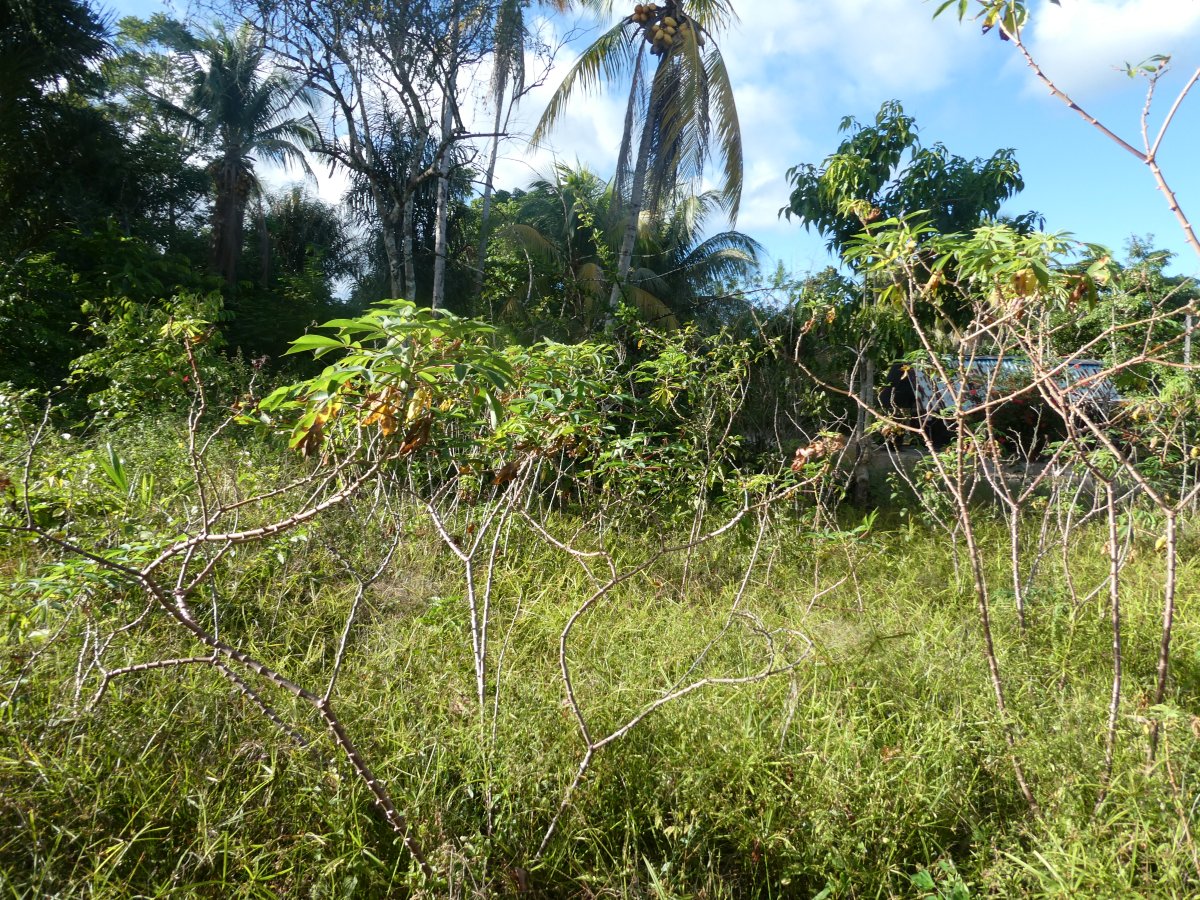
cassava plants
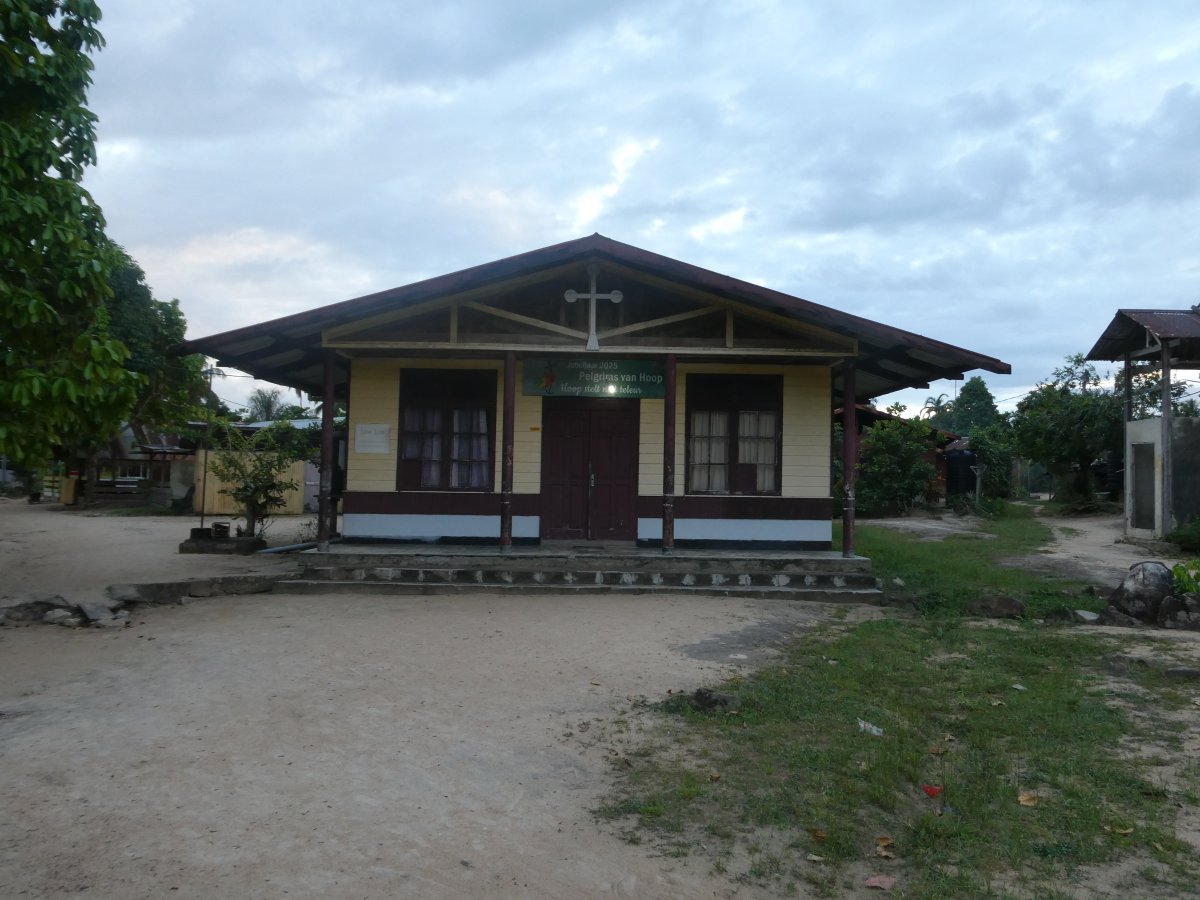
The church
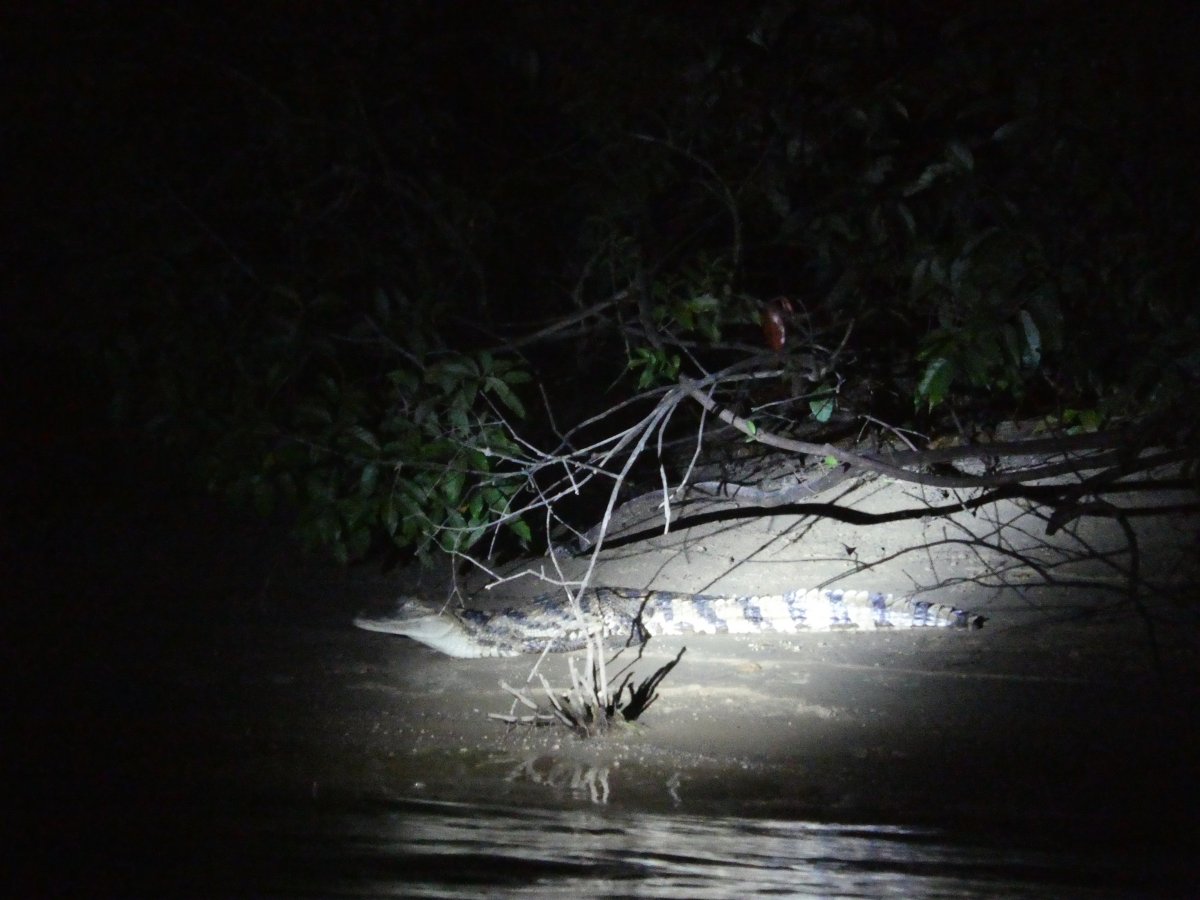
On our night ride we found just one caiman.
Kabalebo
Kabalebo Nature Resort, is an hour's flight from Paramaribo. Since there have never been any hunters here, the wildlife is not afraid of people at all.
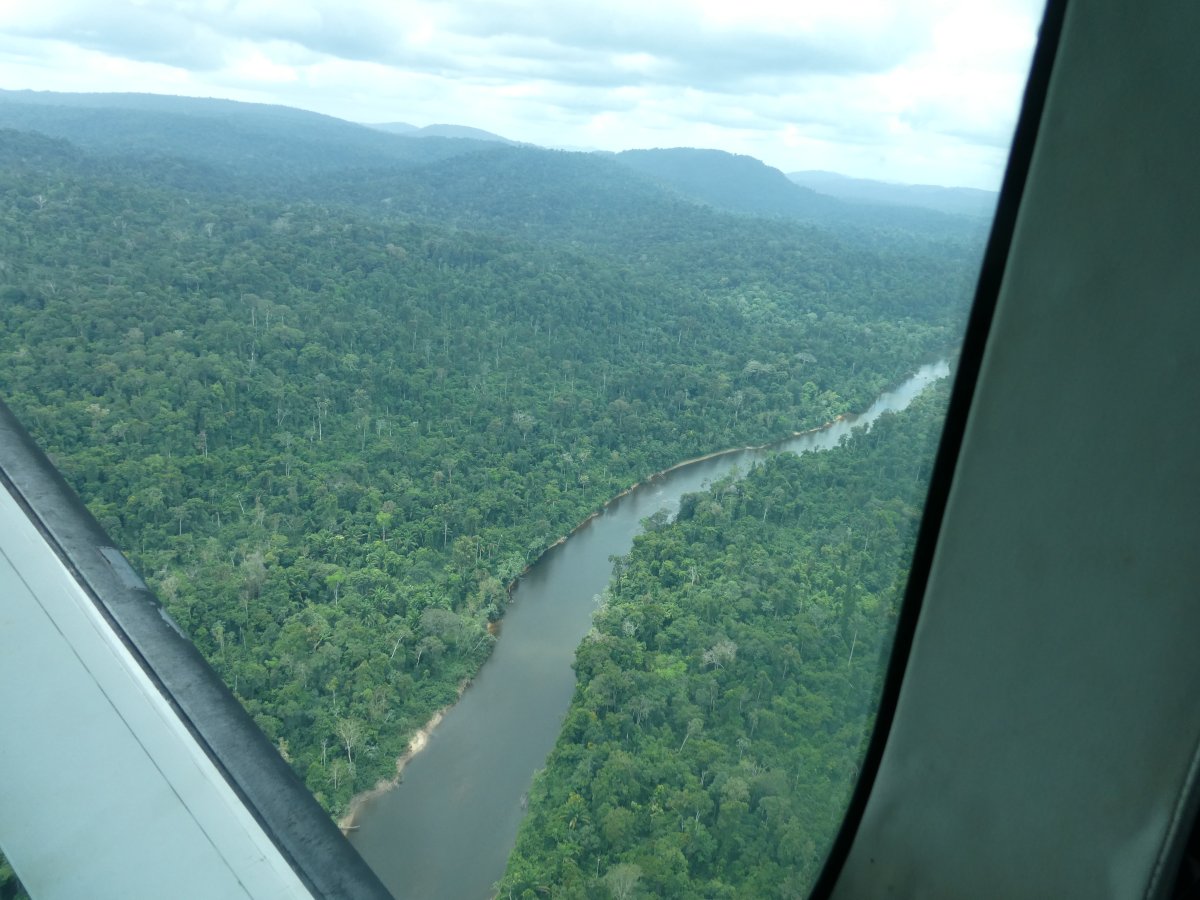
As far as the eye can see, only jungle.
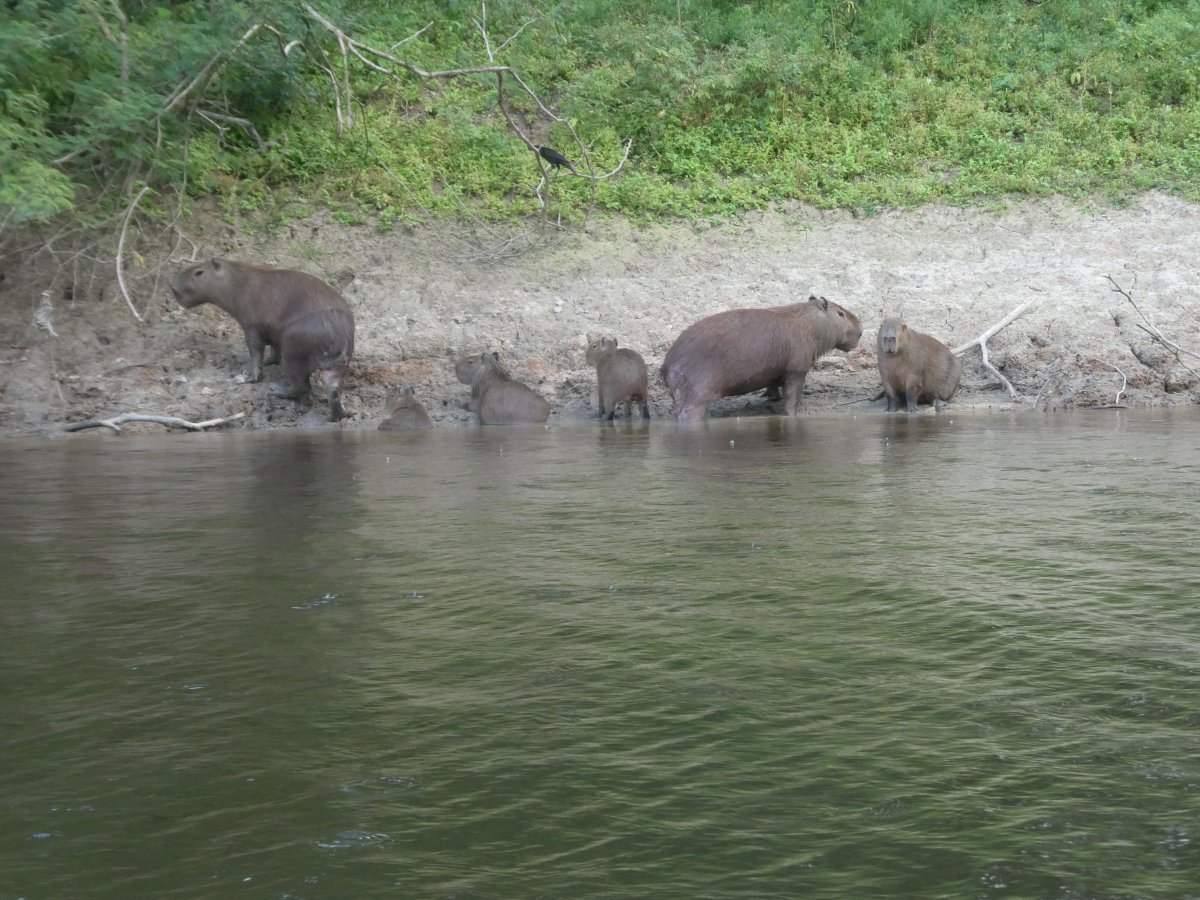
Along the river we saw this family of capybaras
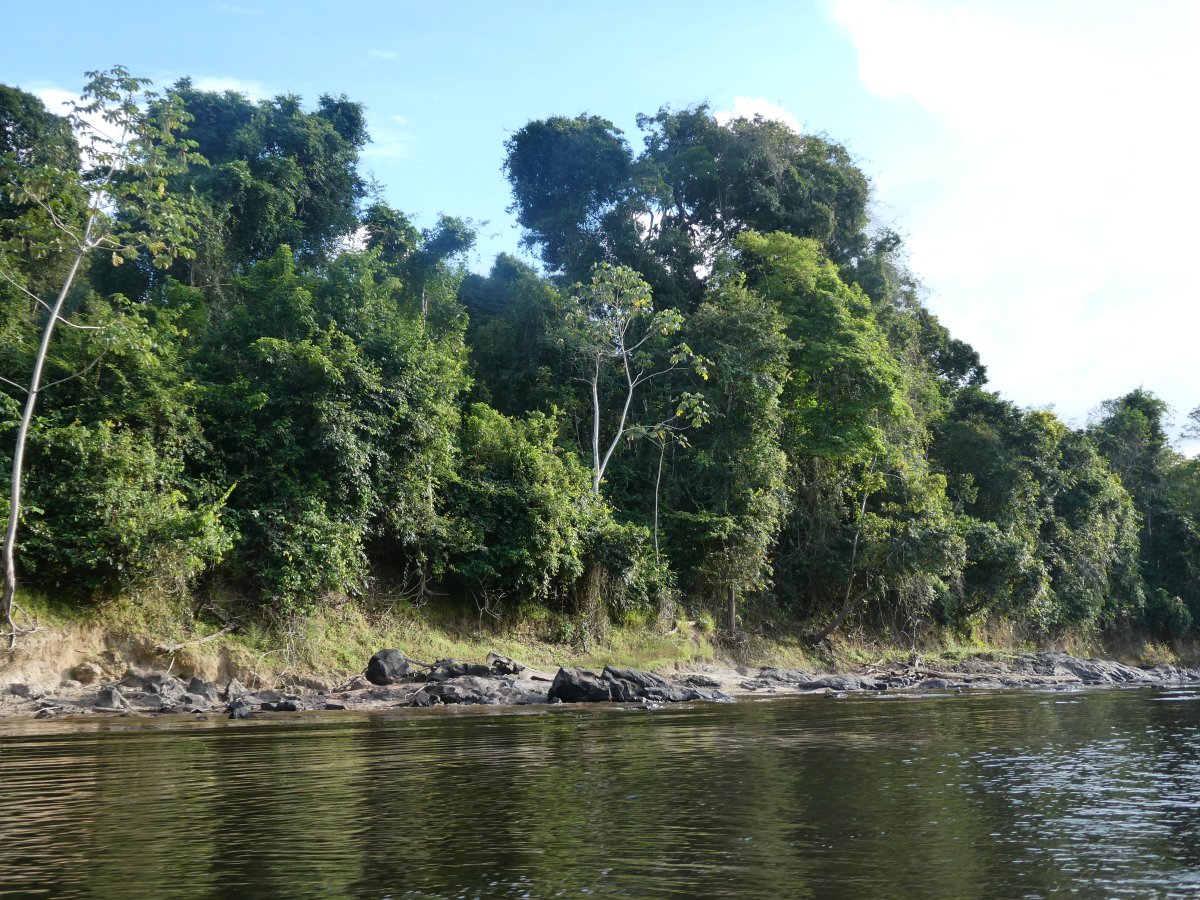
Ut enim ad minim veniam, quis nostrud exercitation ullamco laboris nisi ut aliquip ex ea commodo consequat. Duis aute irure dolor in reprehenderit in voluptate velit esse cillum dolore eu fugiat nulla pariatur
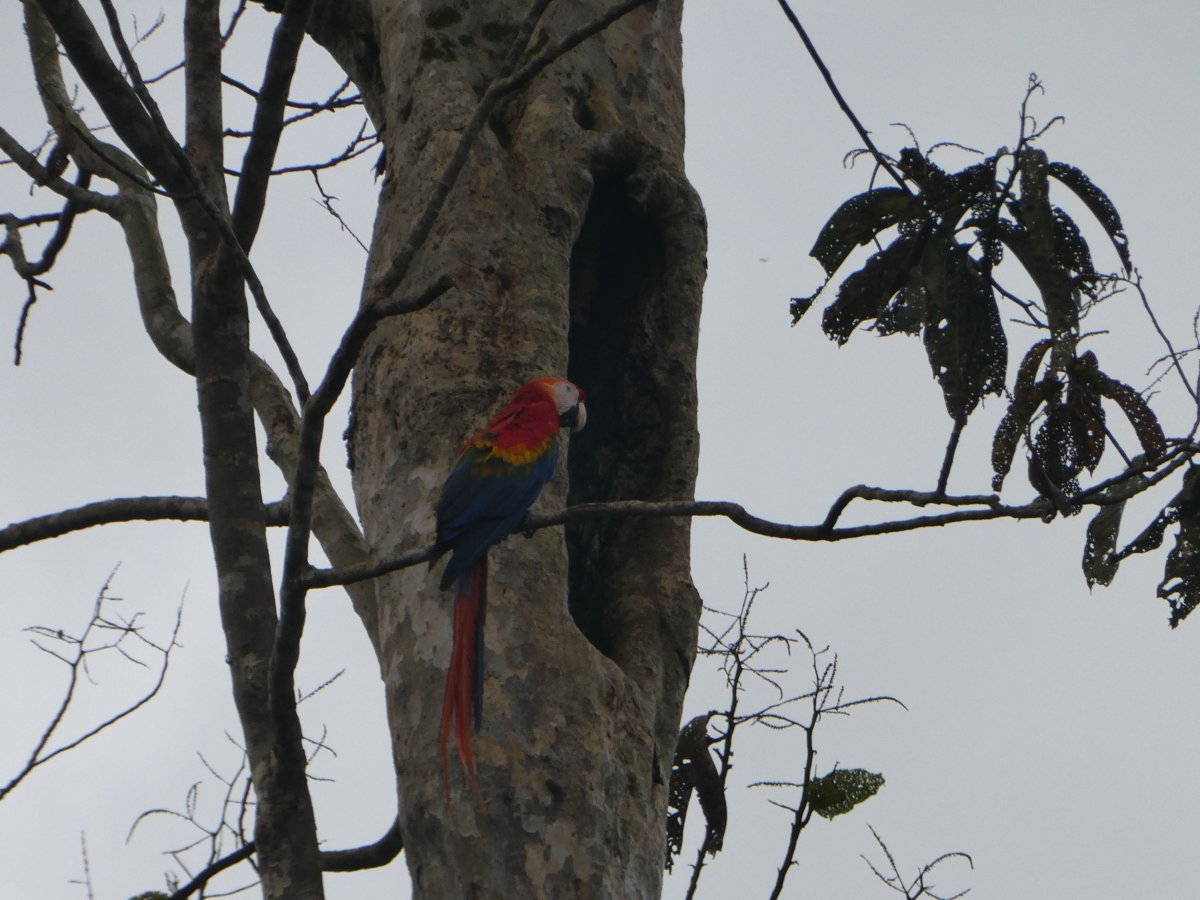
a red macaw high up in the tree.
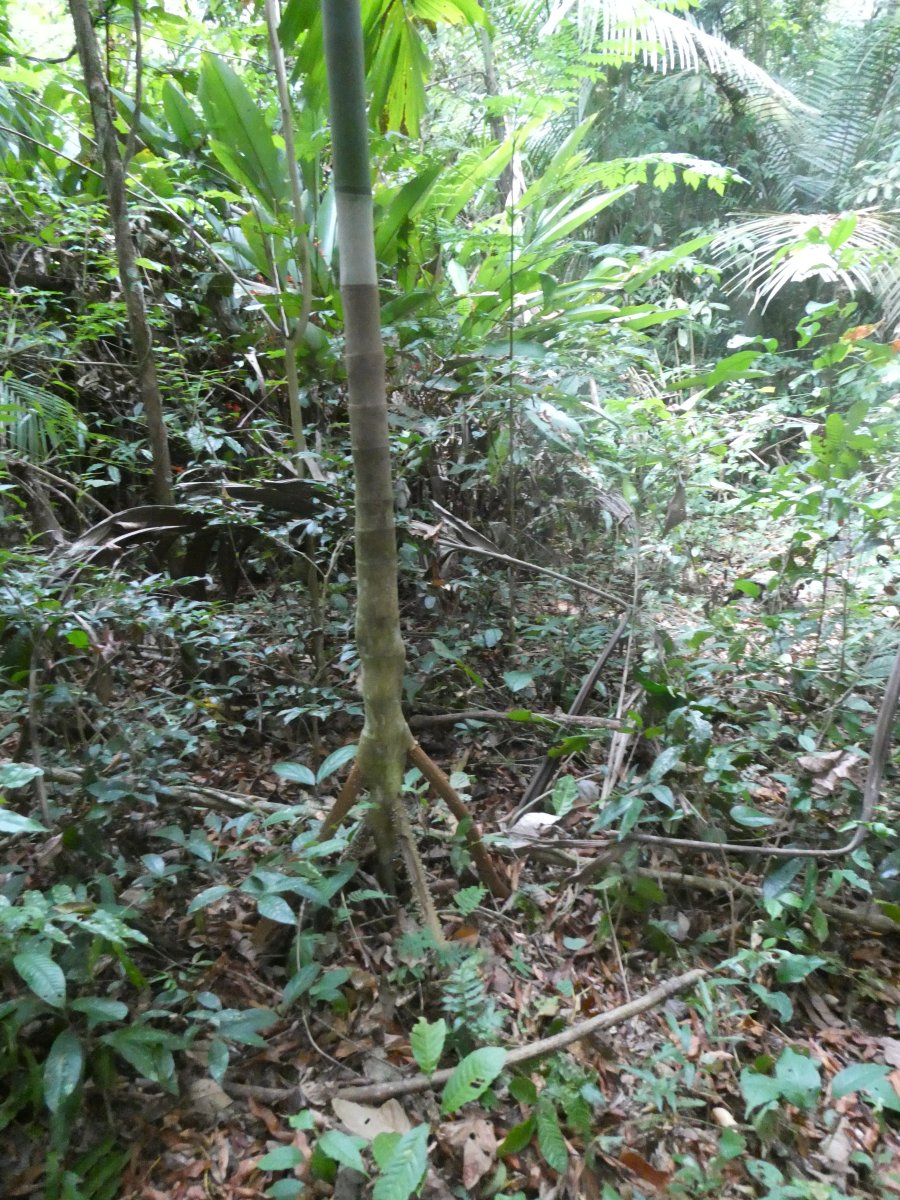
This "walking palm" apparently can move over time by putting out additional roots.
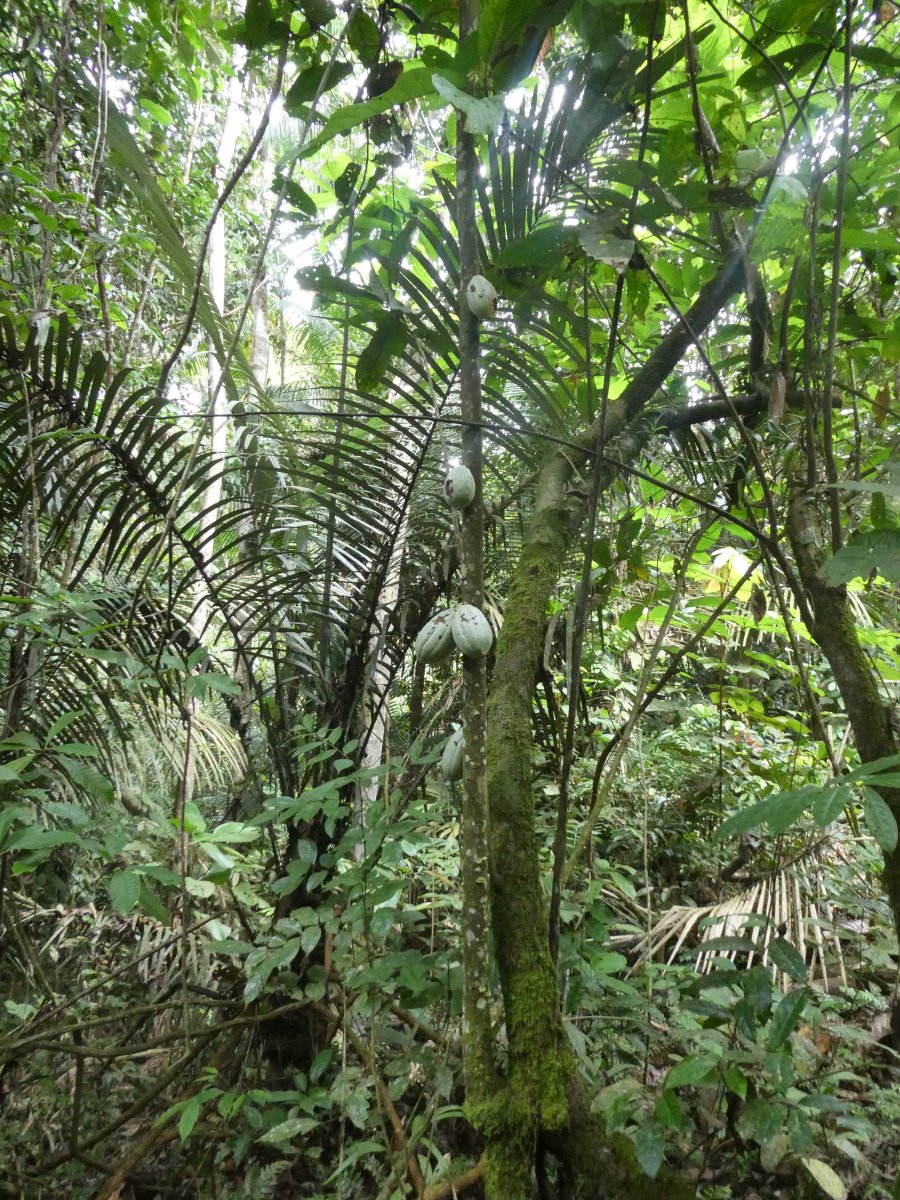
Cocoa
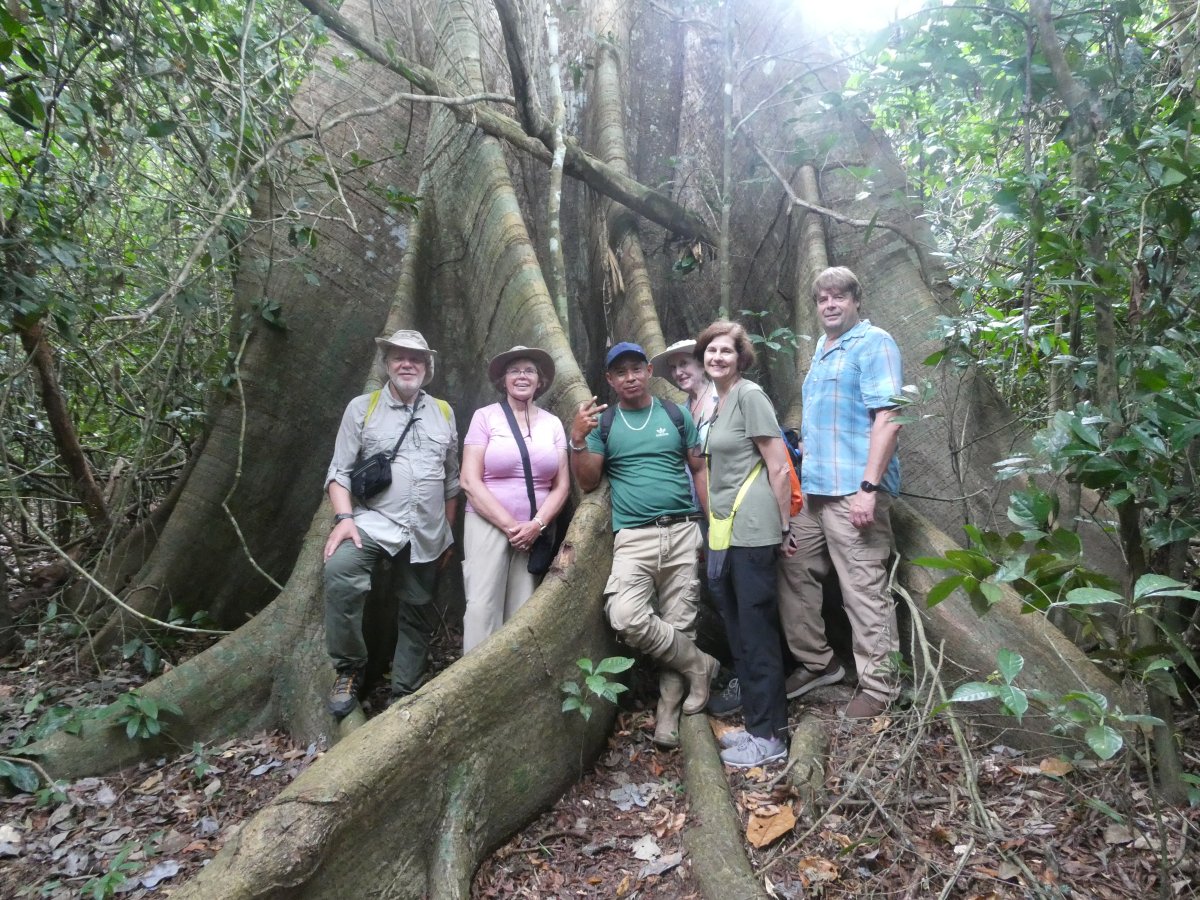
Our group here consisted of Cheryl beside me, her husband Brian on the right who had lived in various places such as Kazachstan and Malaysia as he worked for an oil company, and Sharon with Barbara in back. Tow other ladies did not participate in the walk because of knee issues.
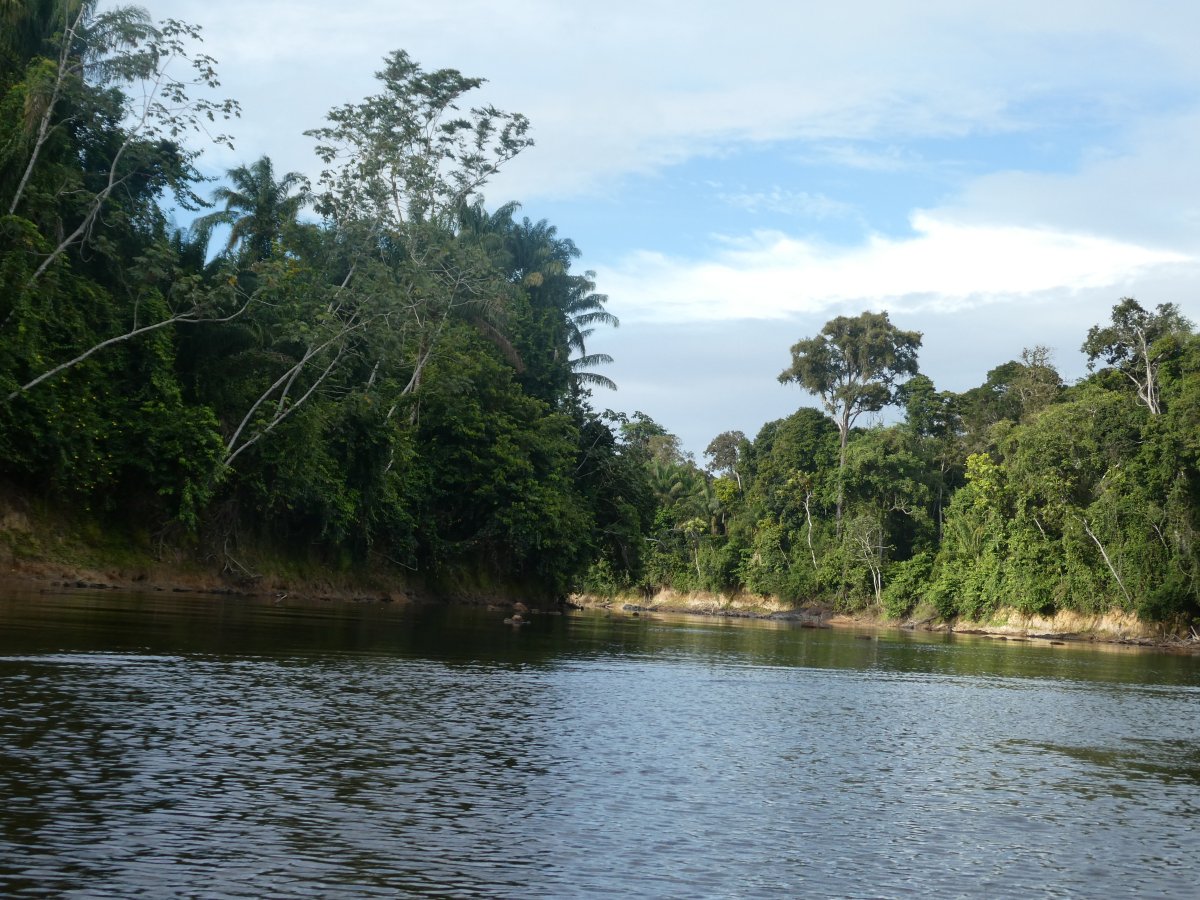
A peaceful ride down the river.
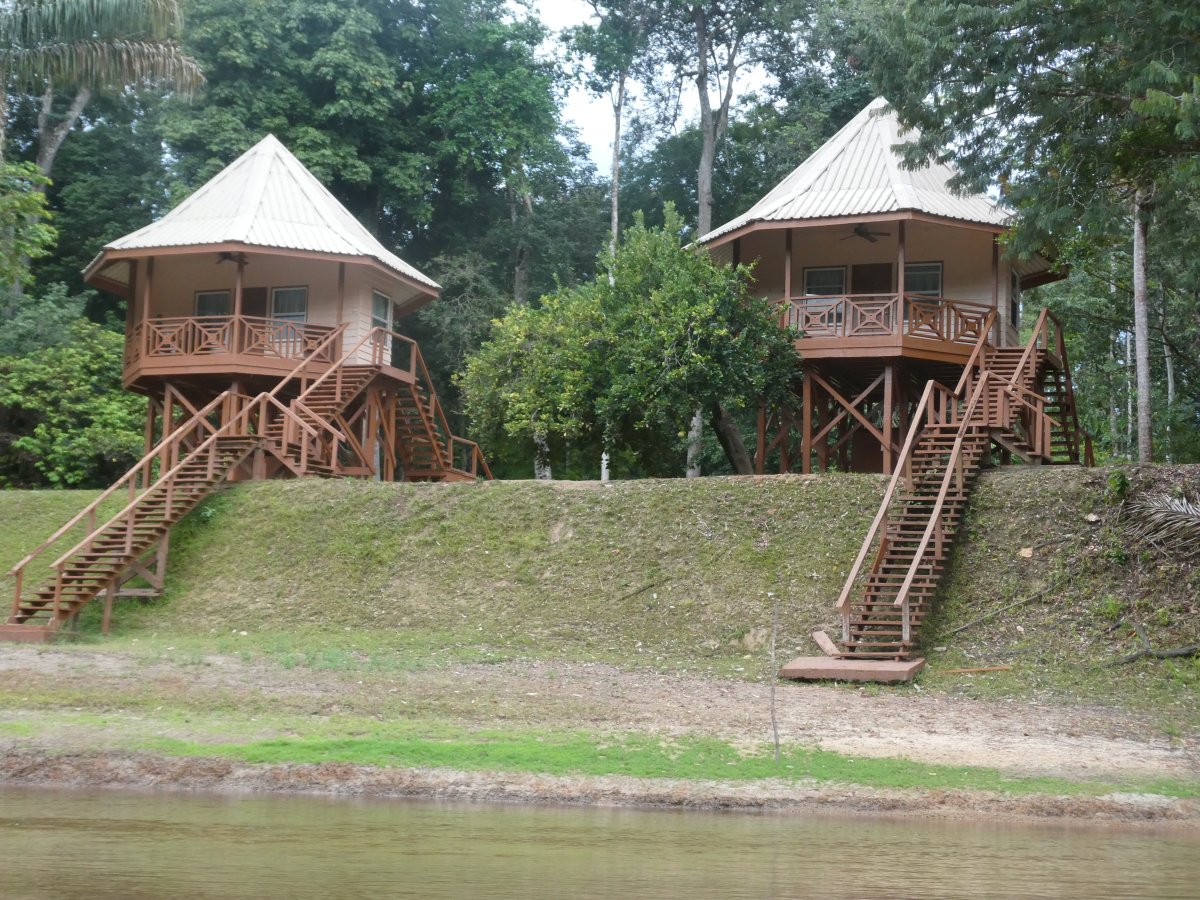
These are new huts being built. During the rainy season, the water level was about halfway up the upper stairs, they say.
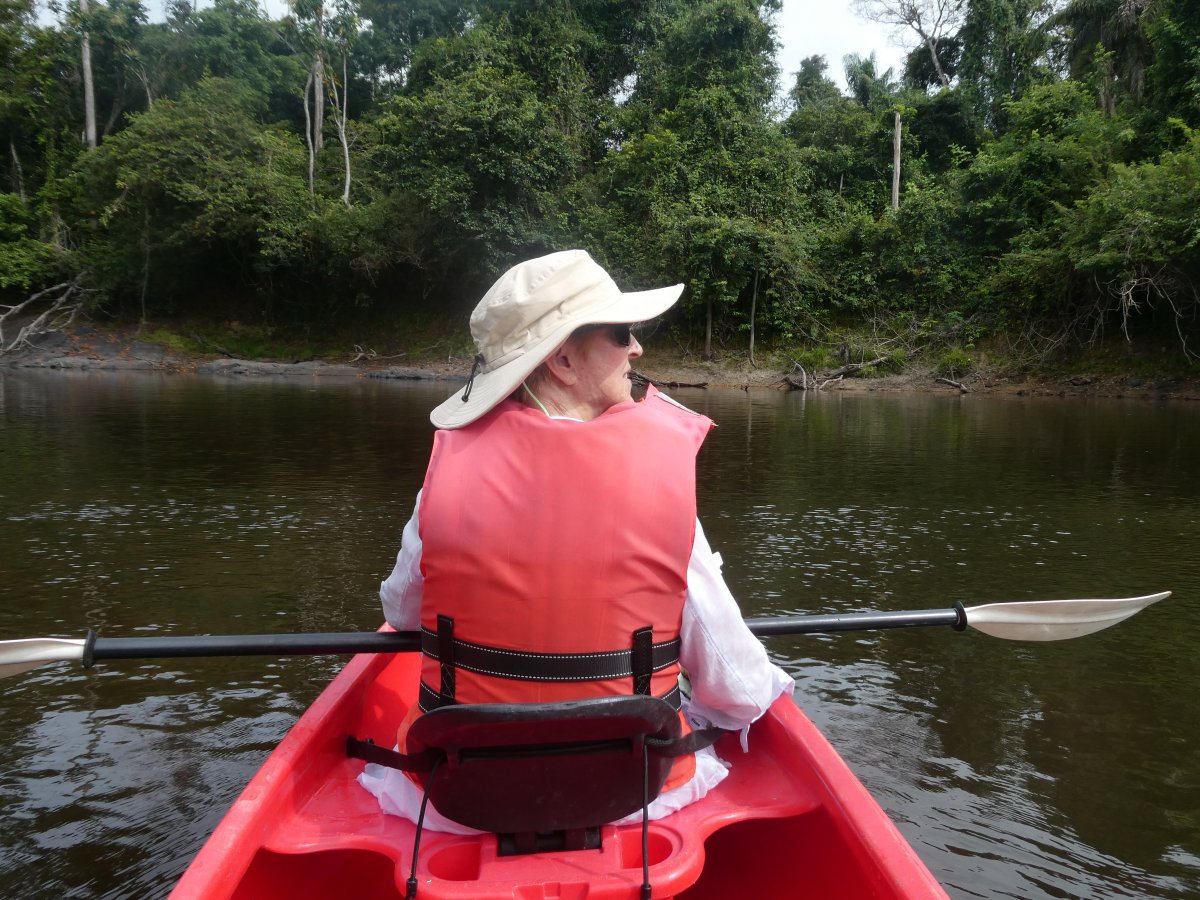
One trip I kayaked with Barbara who is very sporty, despite her age. In Panama, where she has lived for the last 13 years, she goes on strenuous hikes 2 or 3 times a wekk and works out in the gym every day.
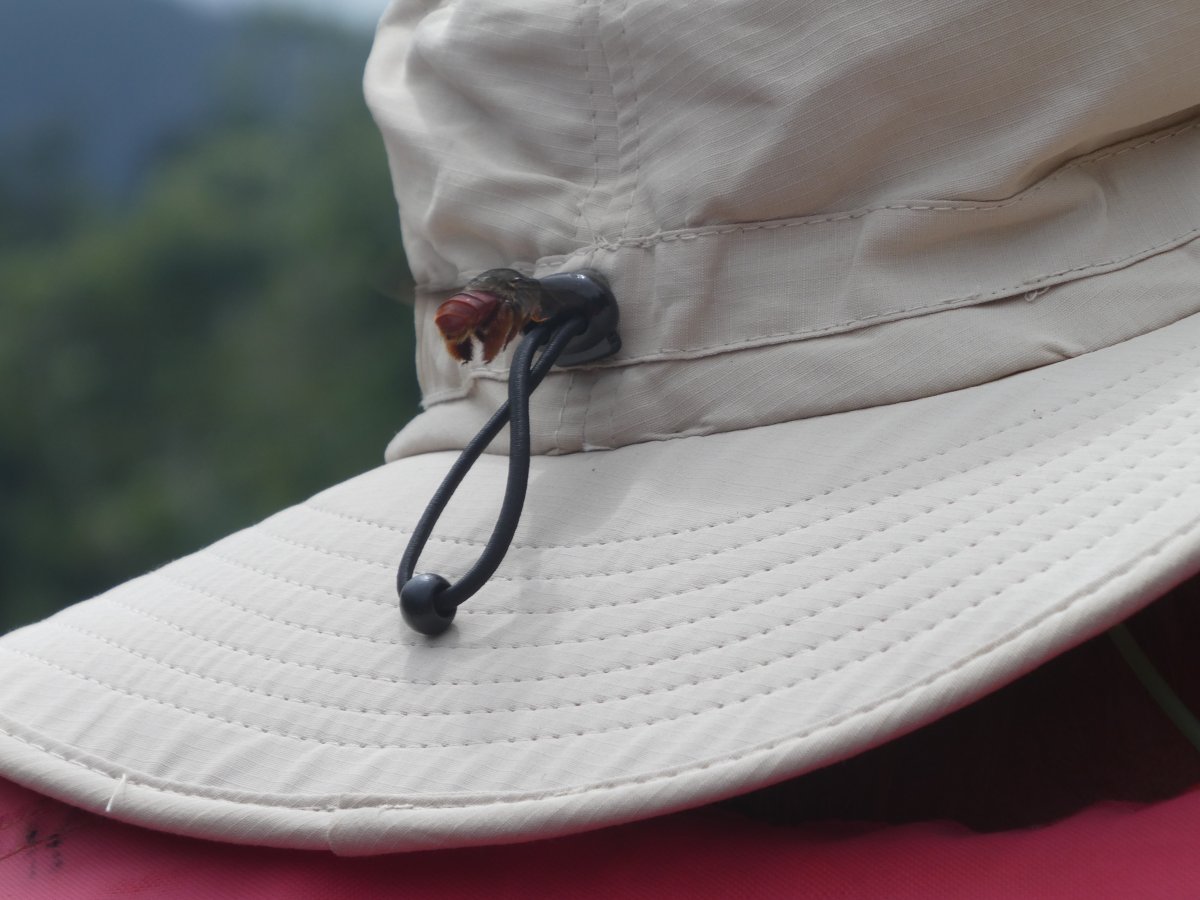
This bumblebee was absolutely fascinated by the hole in her hat. I sprayed the hole and the bumblebee with repellant, but it kept coming back.
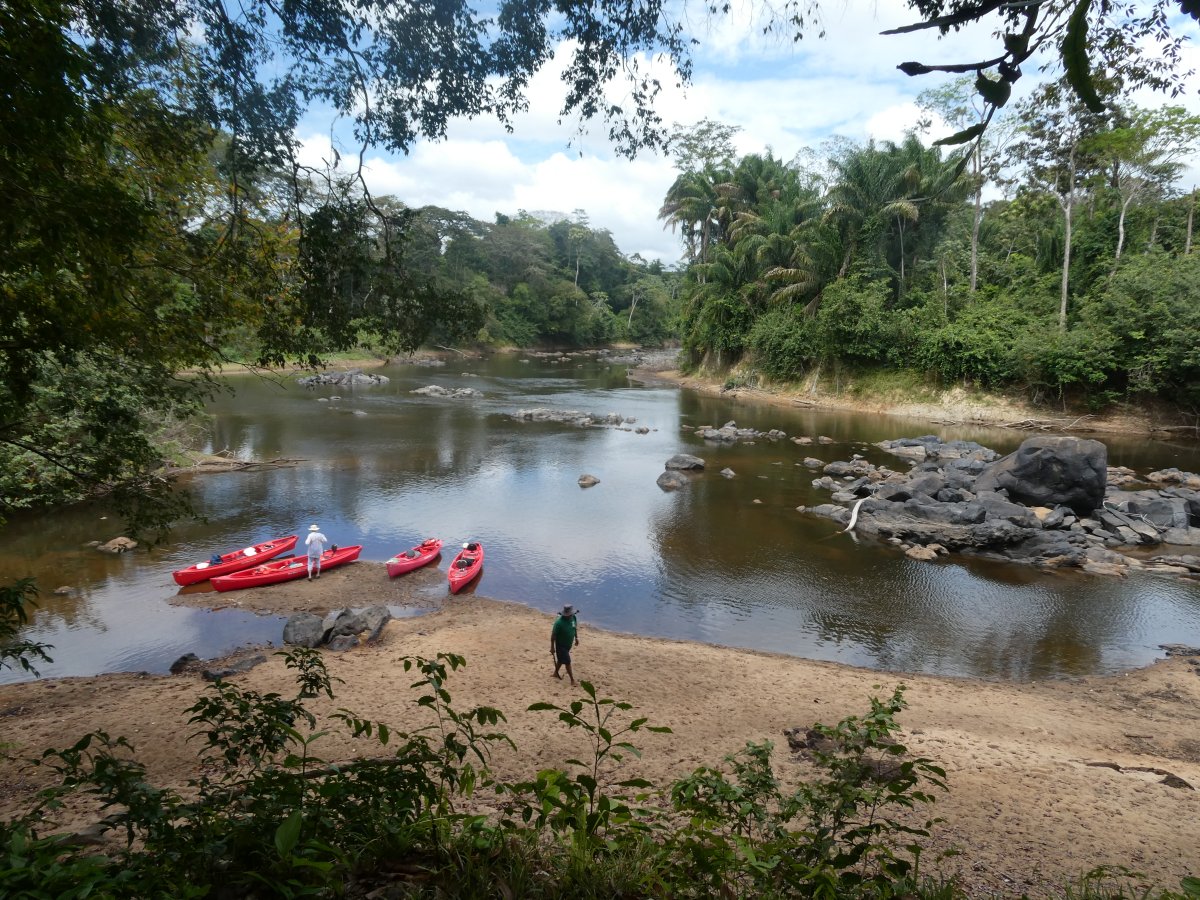
Lovely view from where we ate a bag lunch, which we had taken with us.
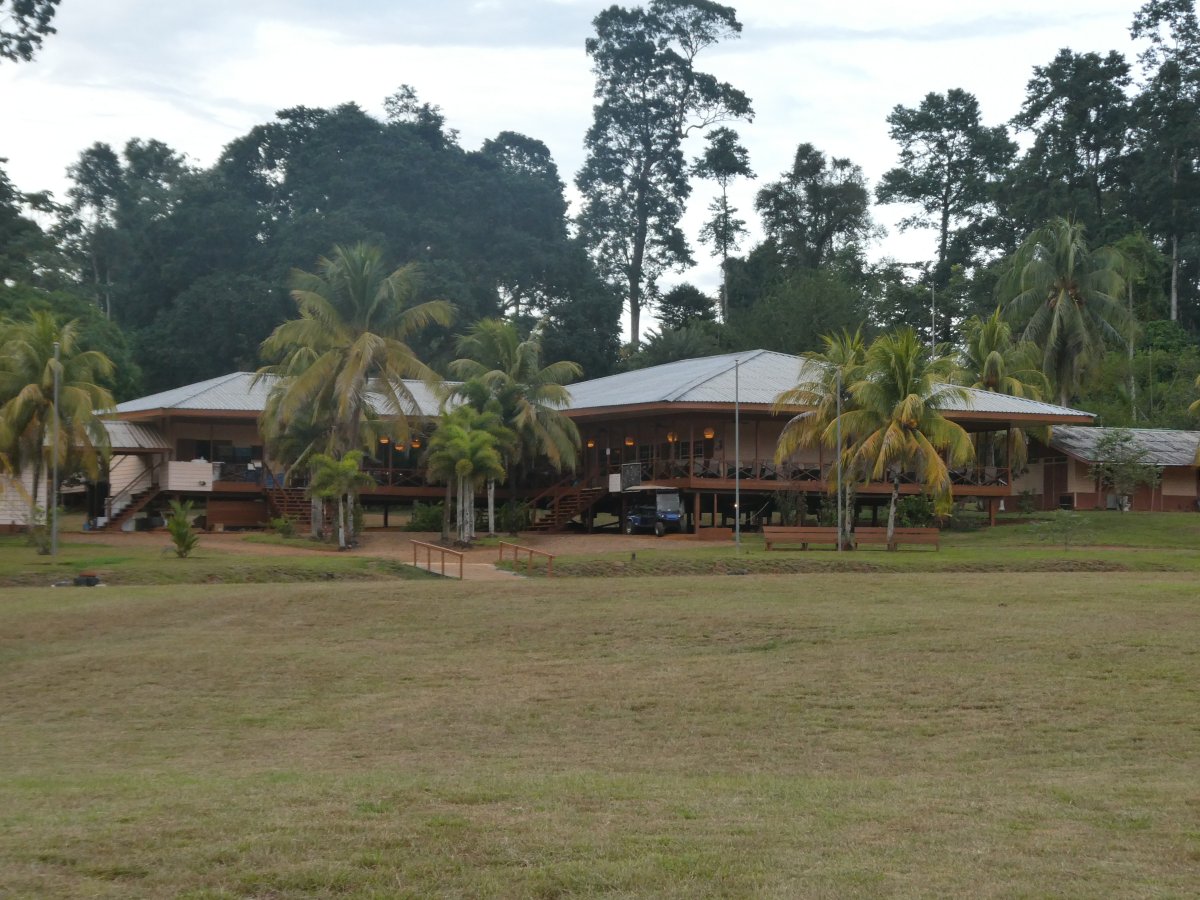
The resort has its own airstrip out front and generally two flights on two days a week, when the tourists are interchanged and supplies are brought.
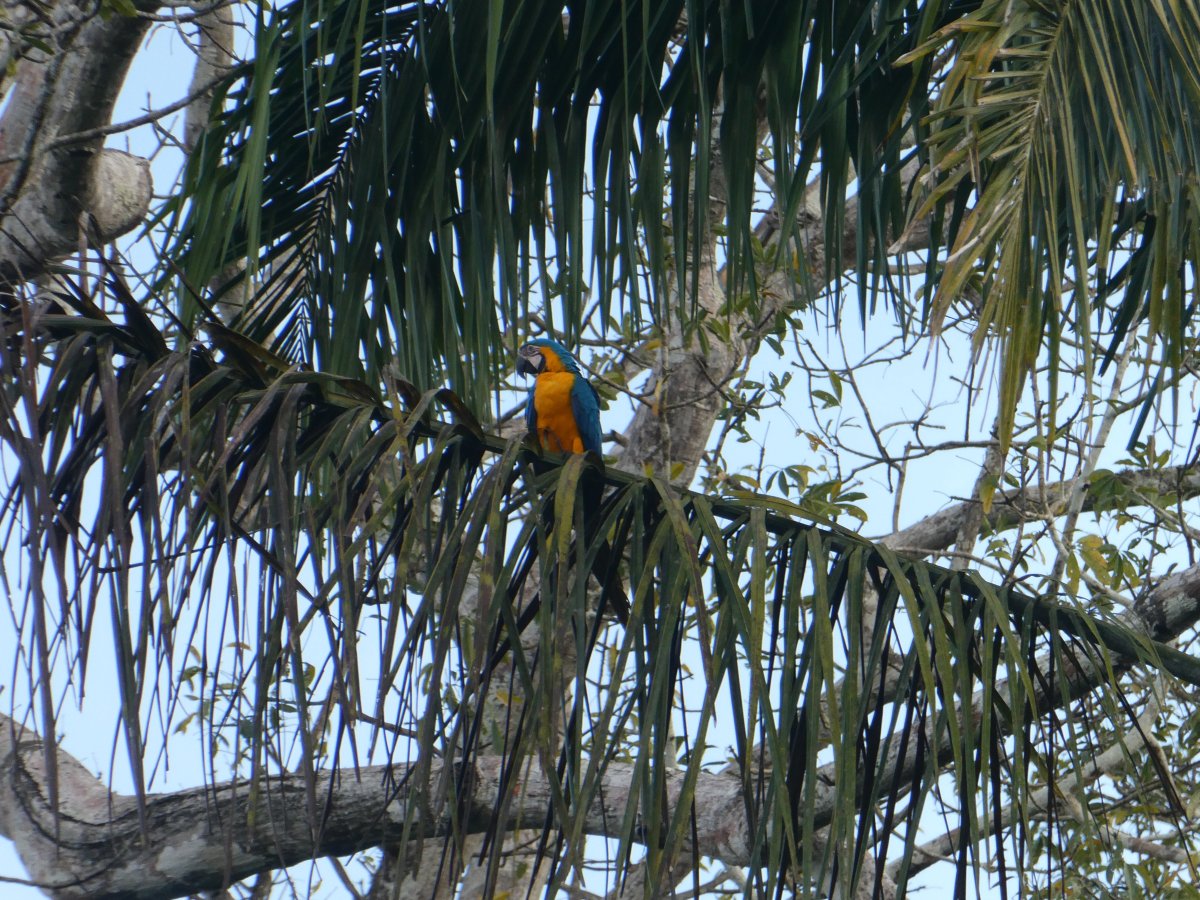
and the resident macaws.
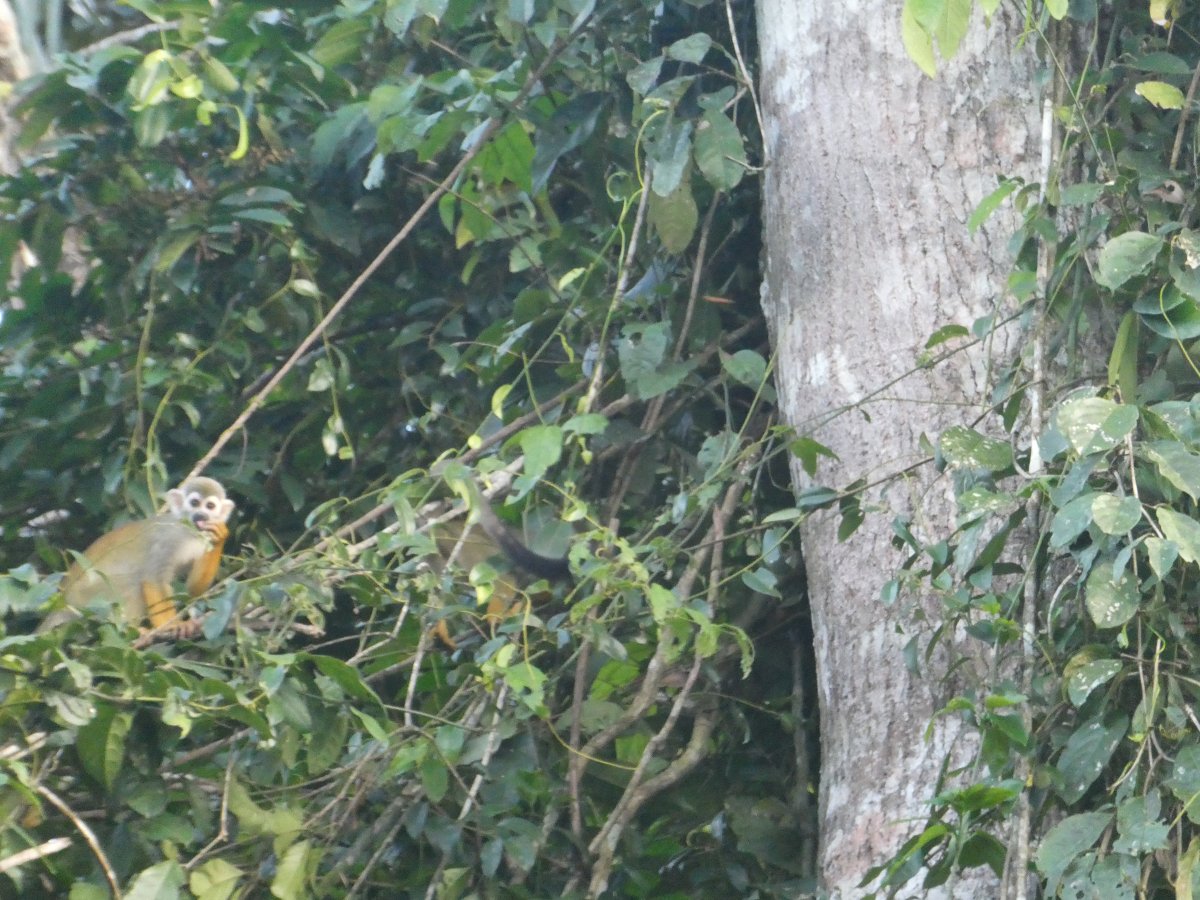
Monkeys kept an eye on us.
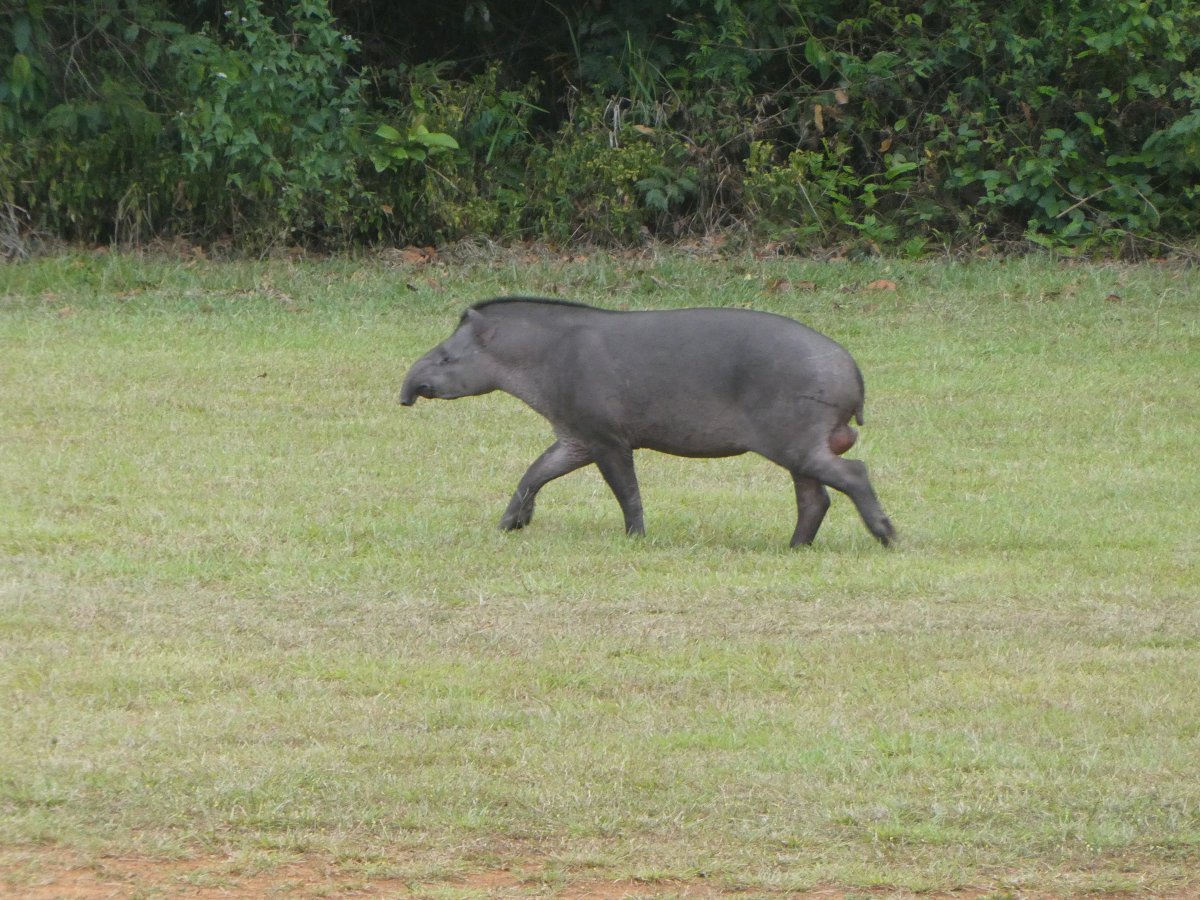
The tapir strolled down the runway.
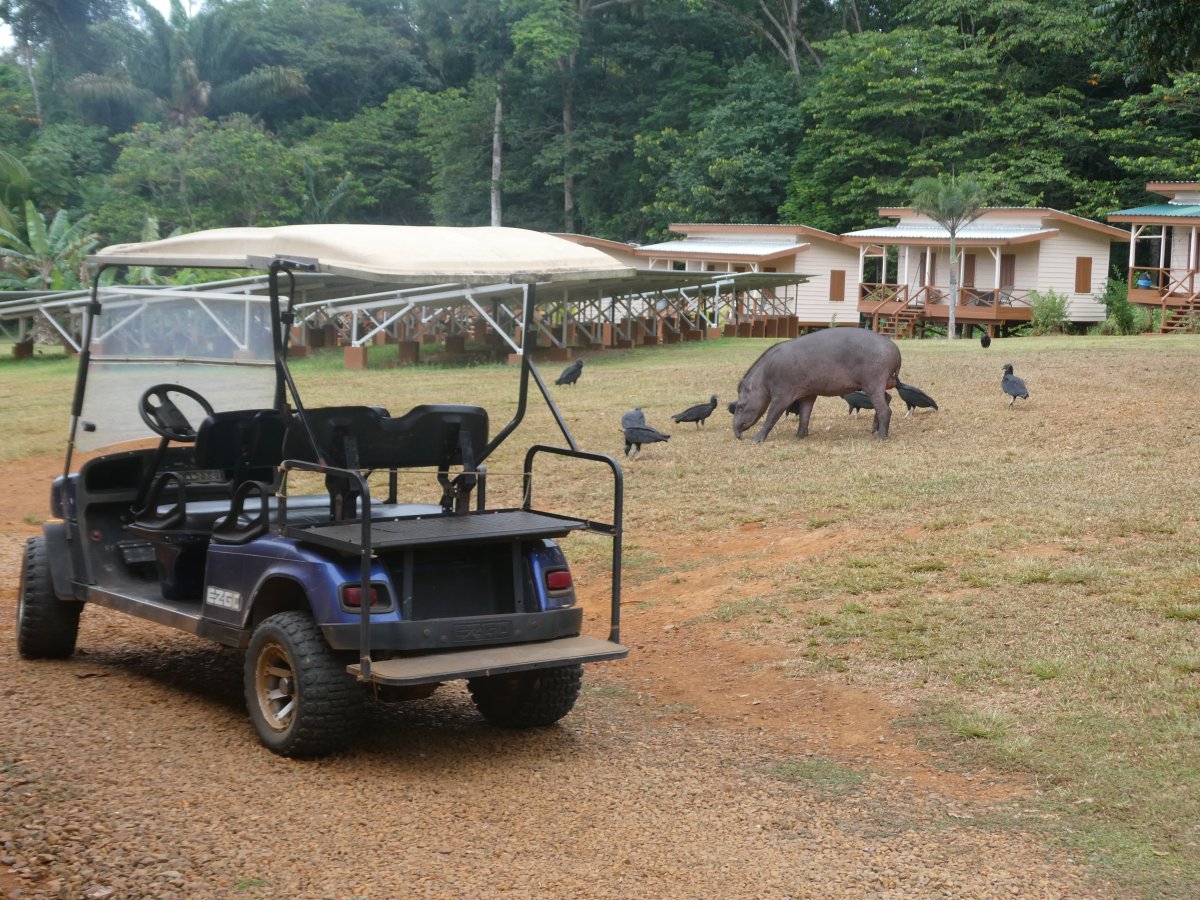
Sometimes he came right into the resort area, normally surrounded by black vultures who were looking to see if anything interesting was happening.
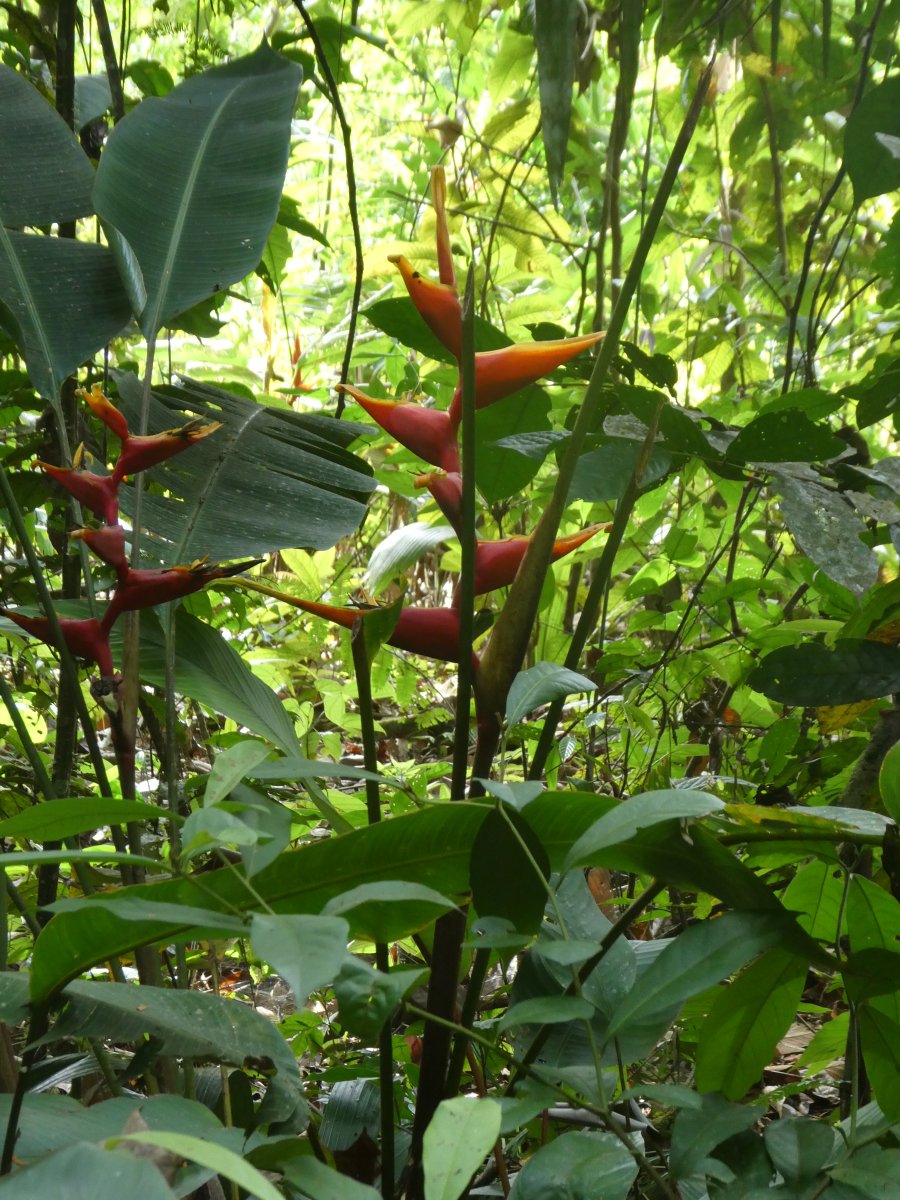
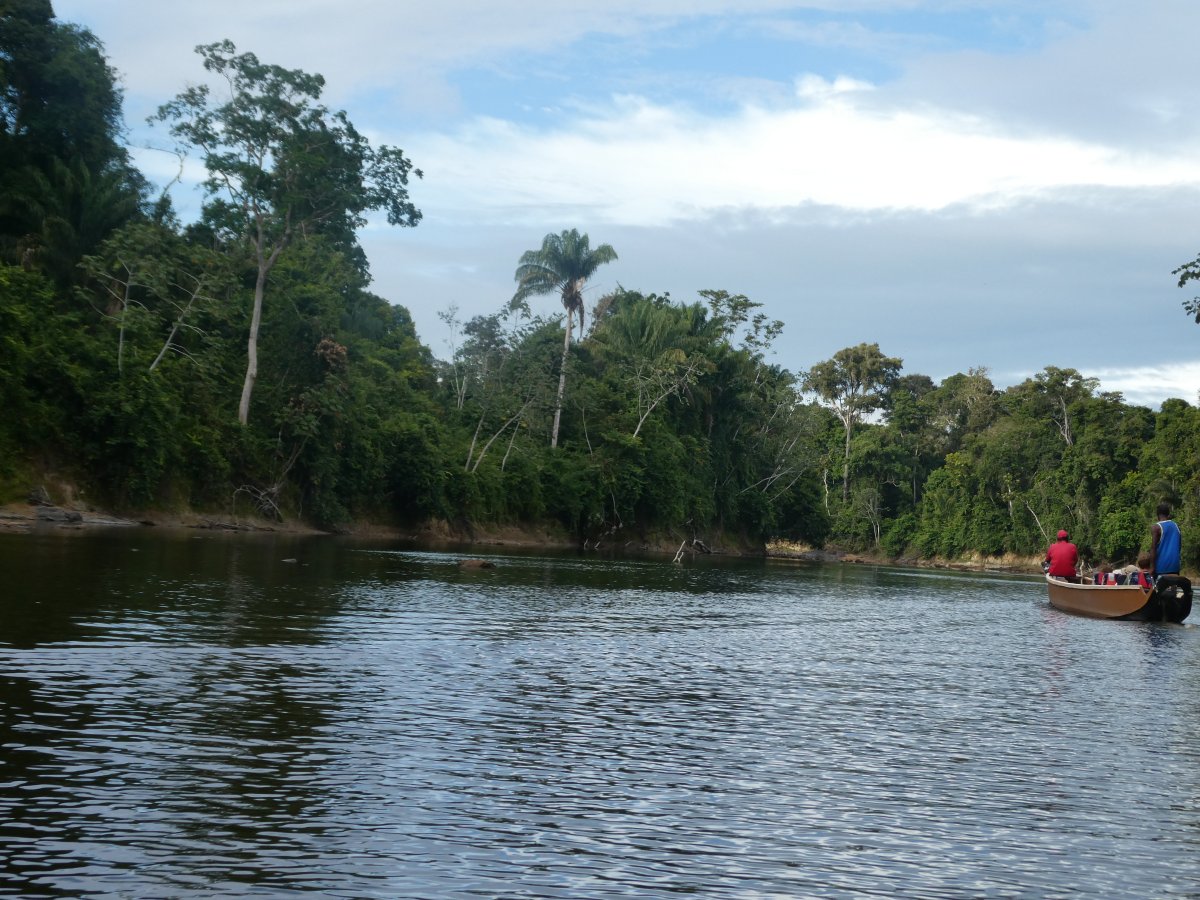
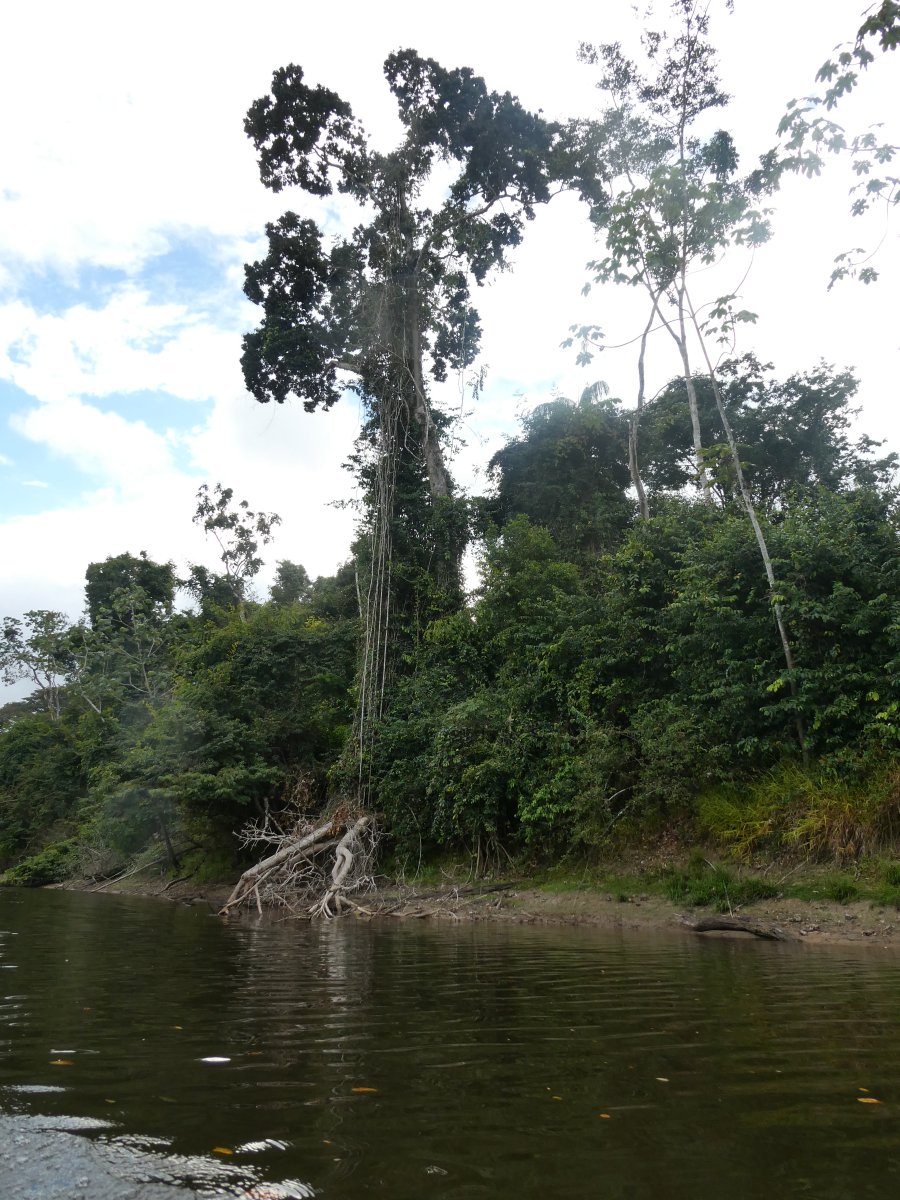
We went down the river in two boats, looking for wildlife.
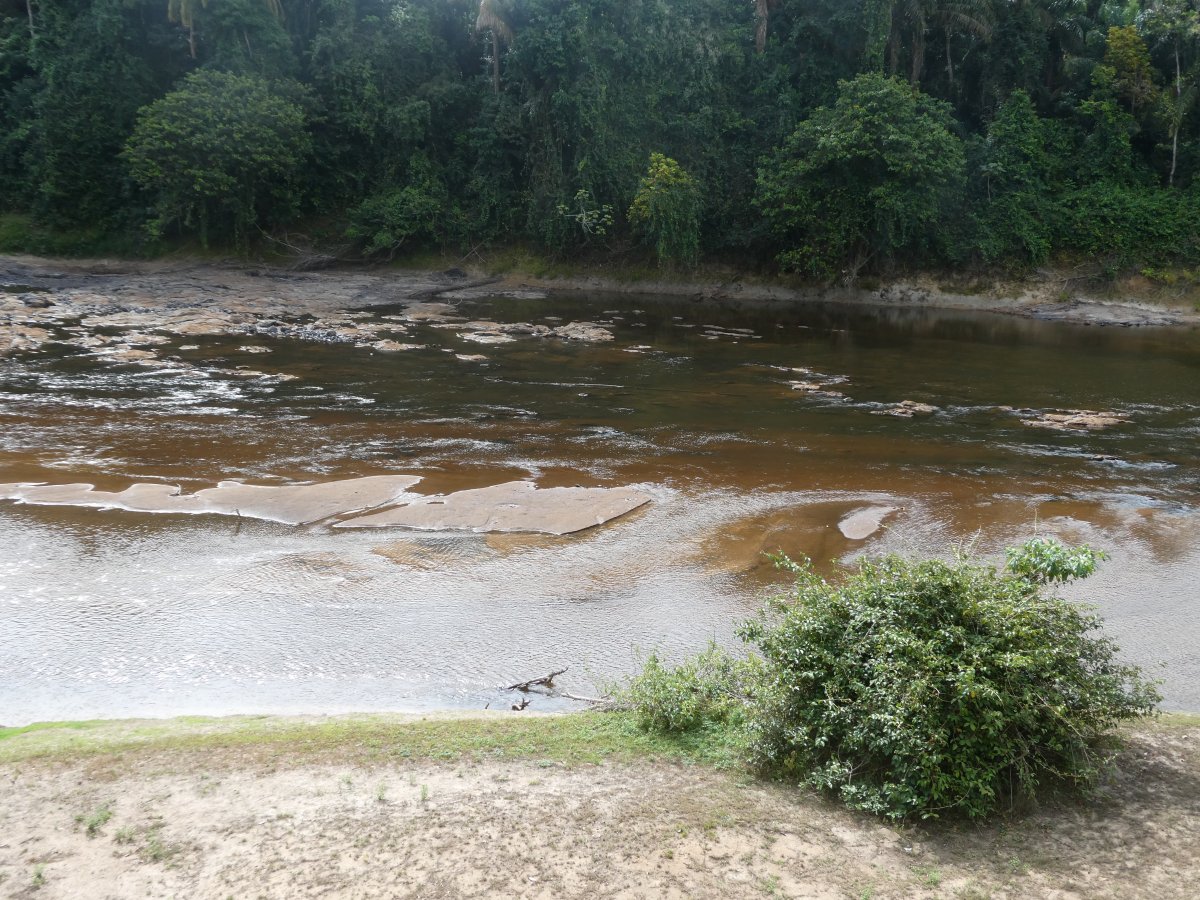
The water was very low for this time of year.
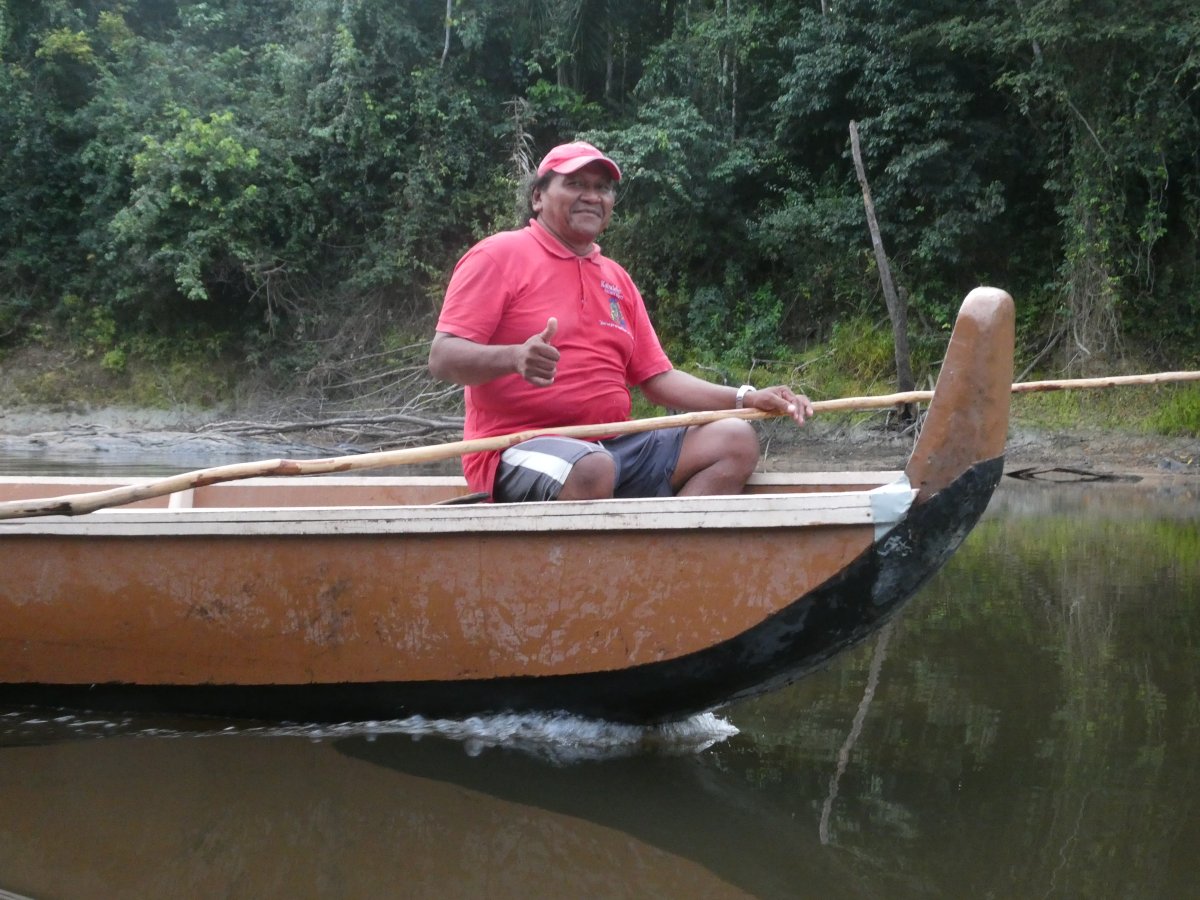
Guide Terrel was very knowledgeable and had a lot of work, pulling the boat when a sandbank or rocks kept us from moving forward.
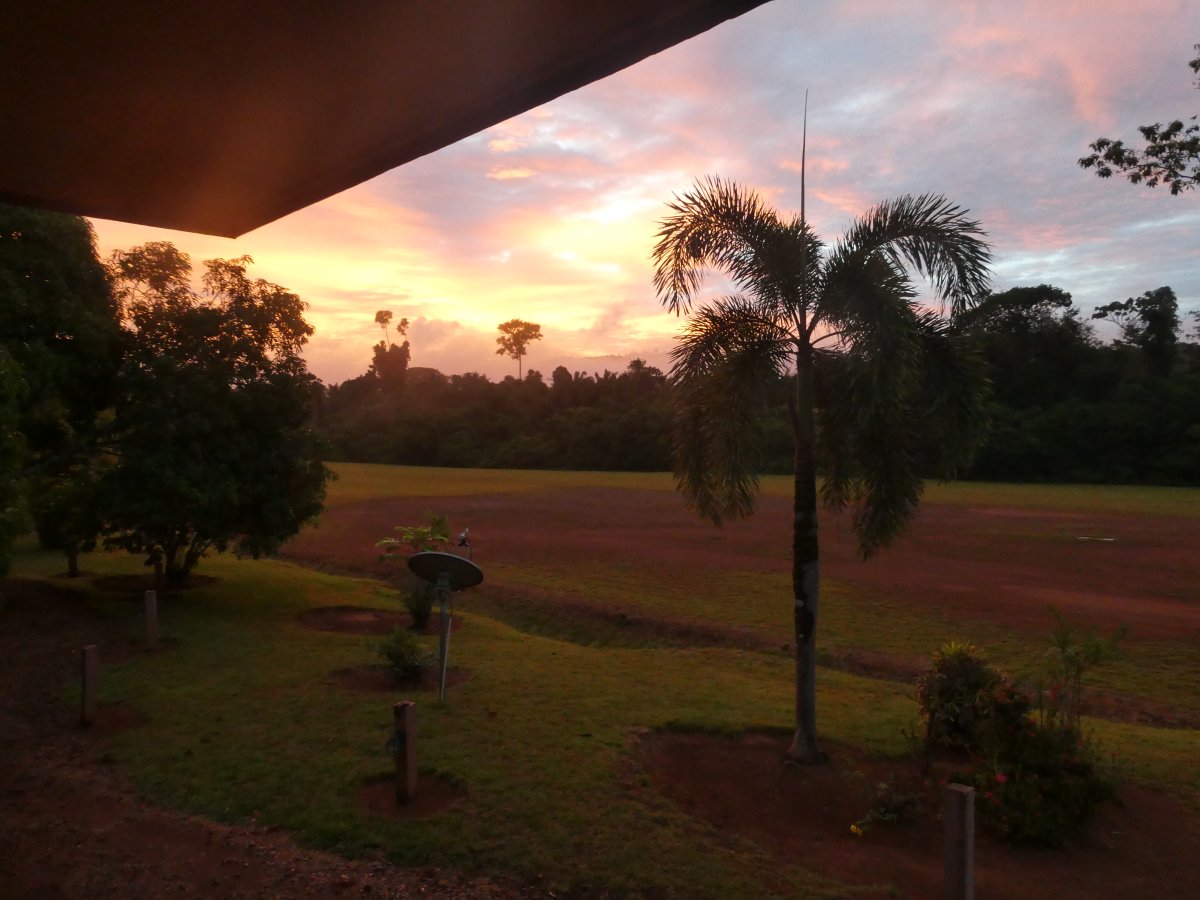
Sunrise in Kabalebo.
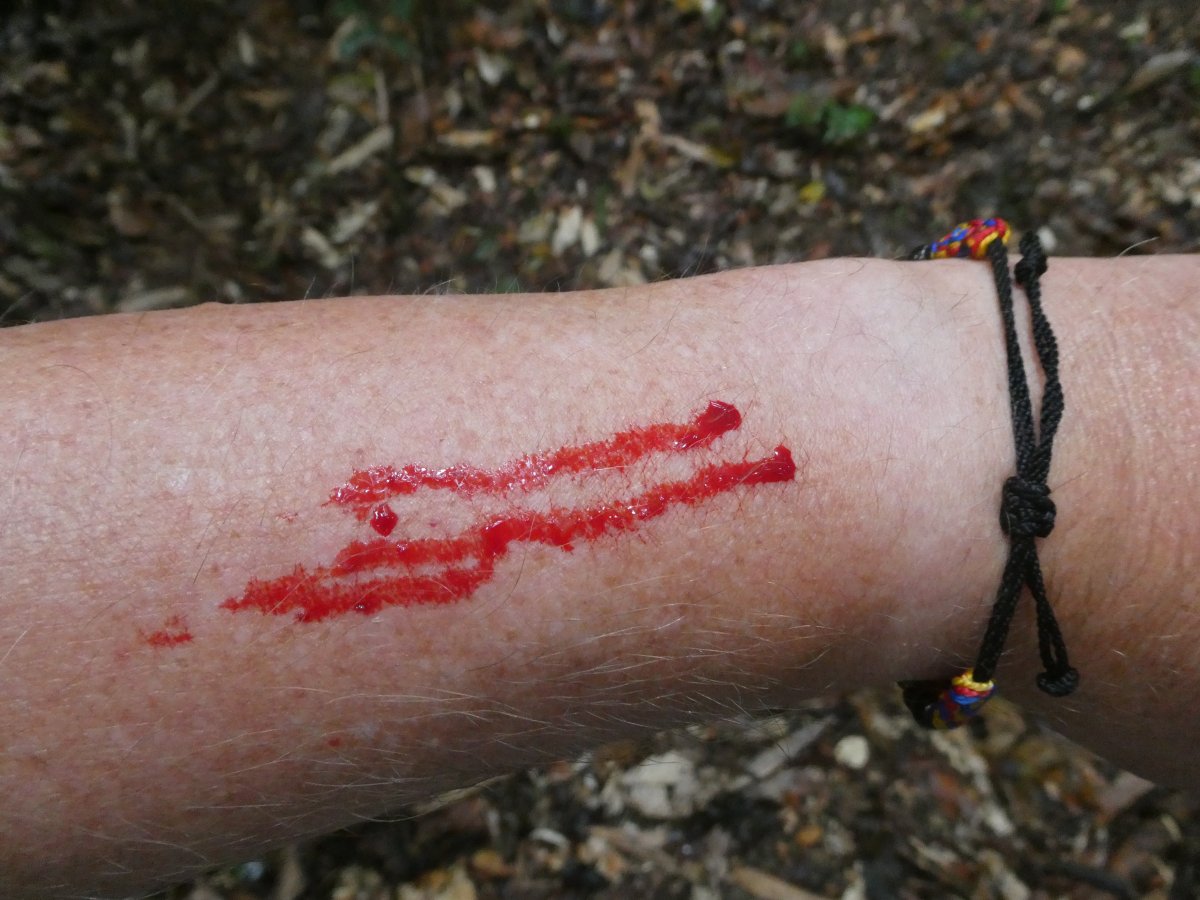
During the walk, I lightly grazed the so-called razor grass, which immediately drew blood.
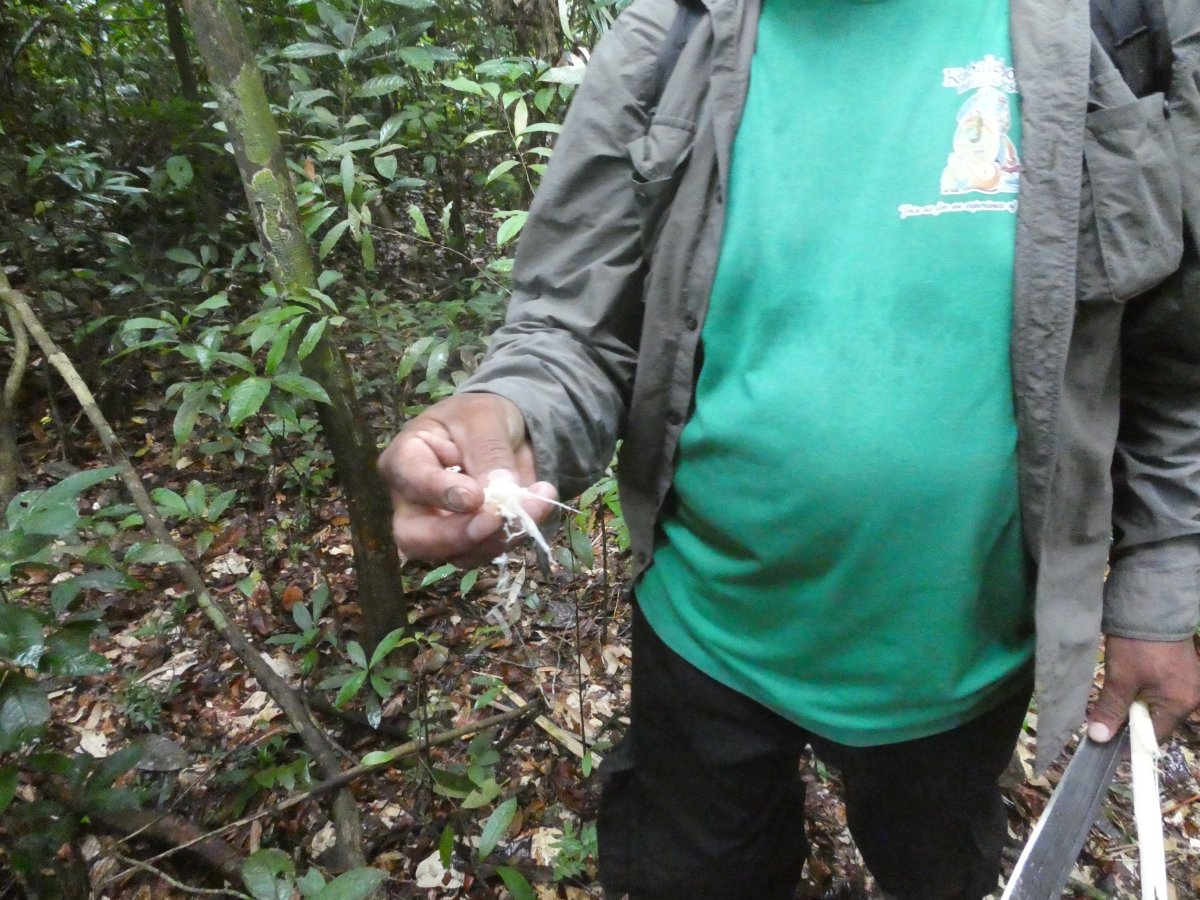
Terrel scraped the a branch until he had enough material to "treat my wound".
Jewish Savannah
This used to be the center of the Jewish life in the colony, established 1600. It is now a Unesco World Heritage Site.
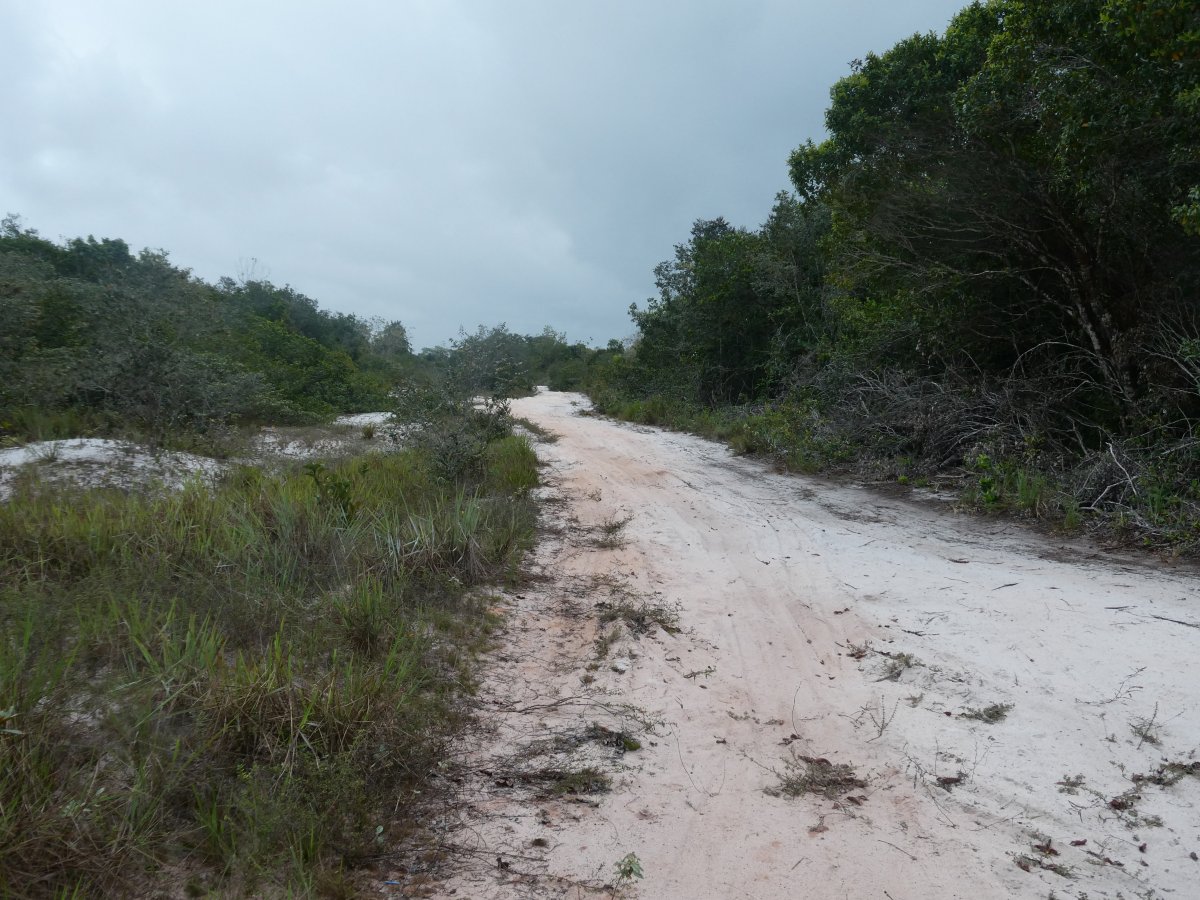
The Cordonpad was a line of defense with military posts that streched over 90 kilometers and was meant to protect against marauding maroons (escaped slaves). Today only the path is still visible.
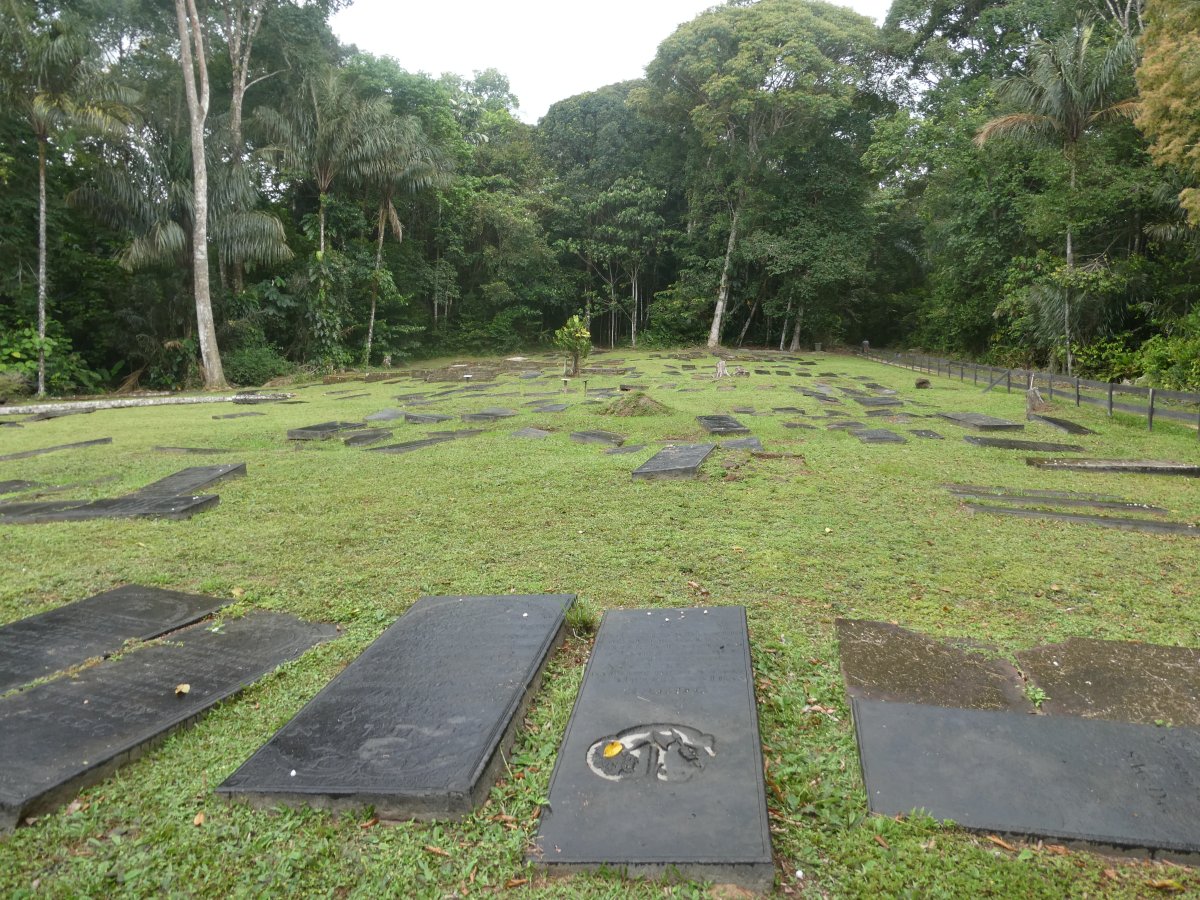
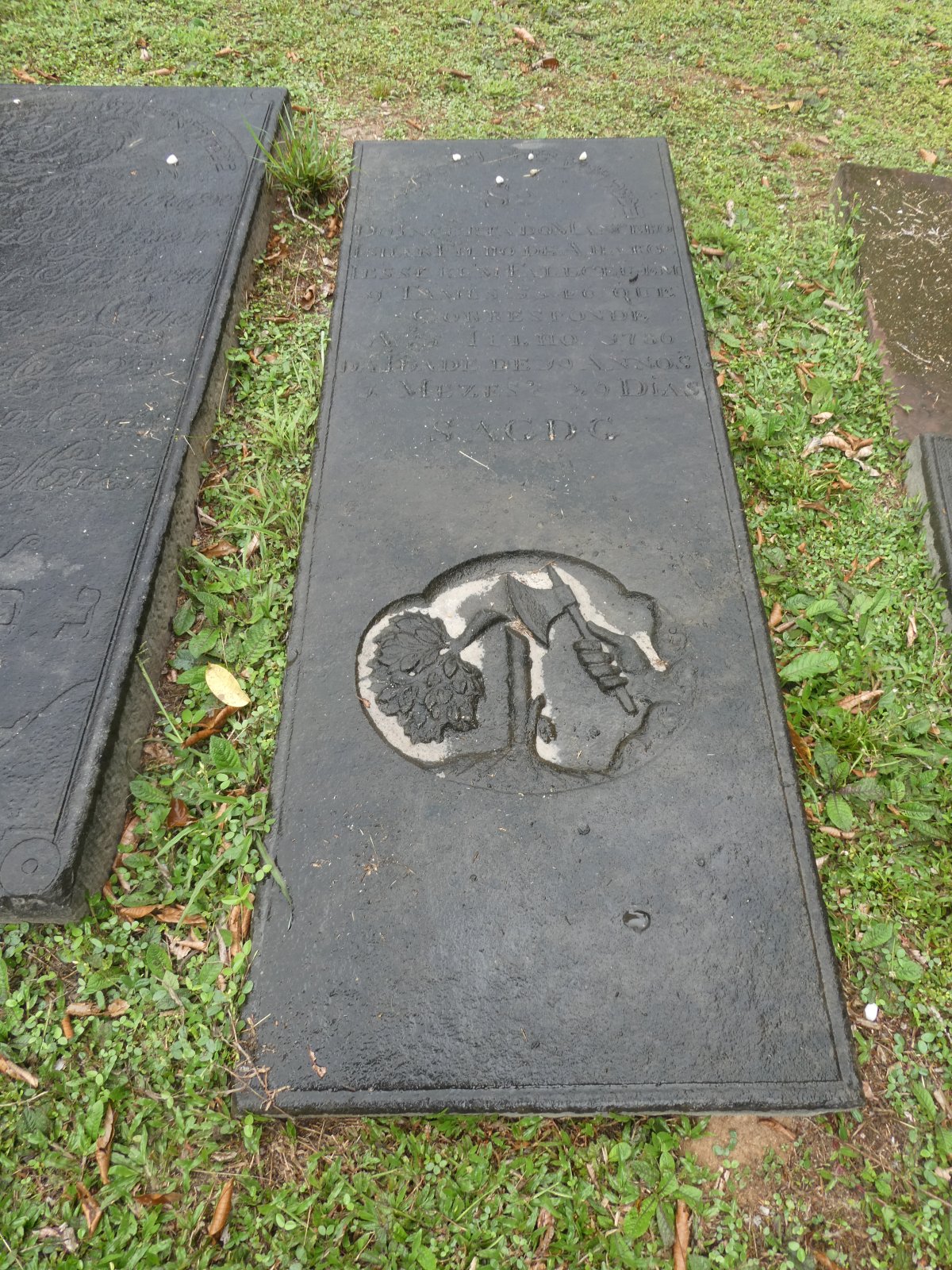
The Jewish graveyard
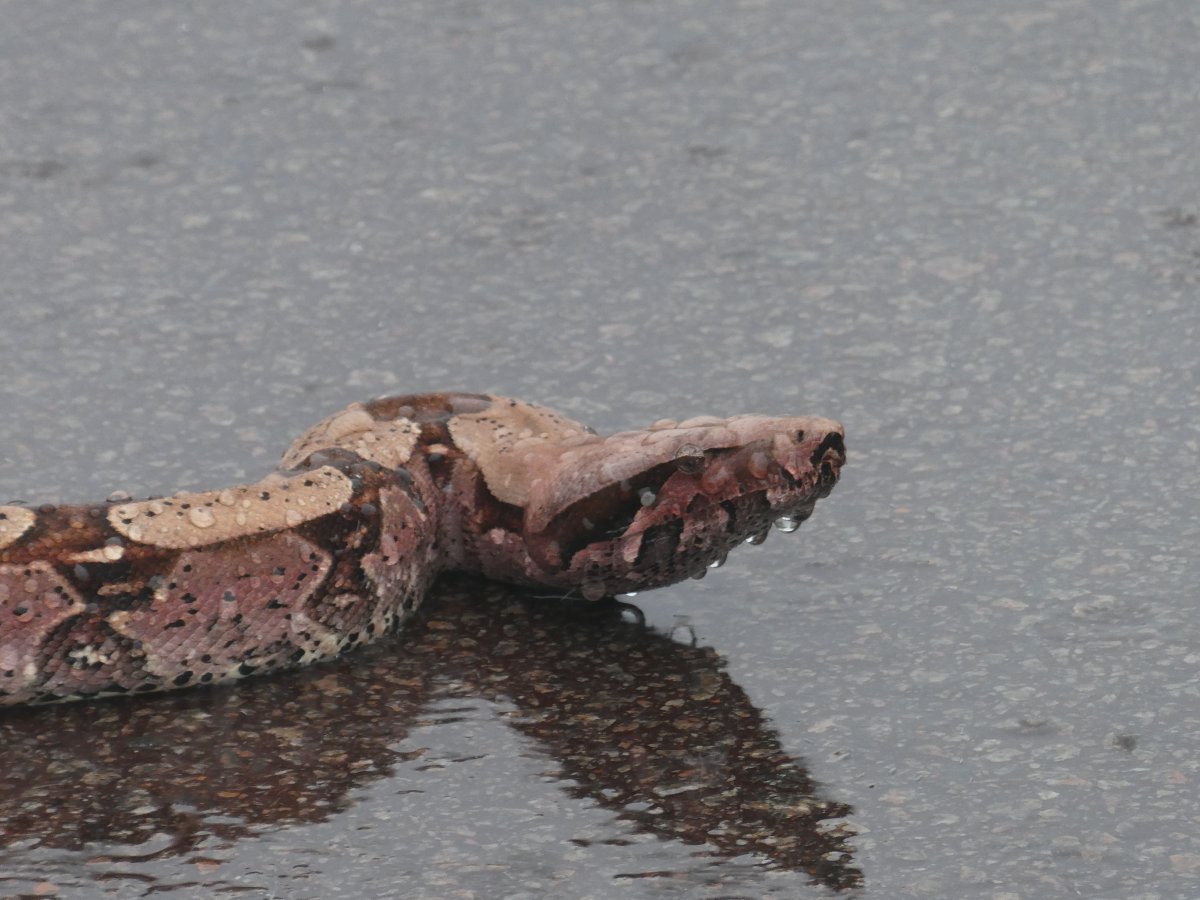
Up close, it looks even scarier. My guide, a maroon, says that this snake is almost holy in their kind of voodoo.
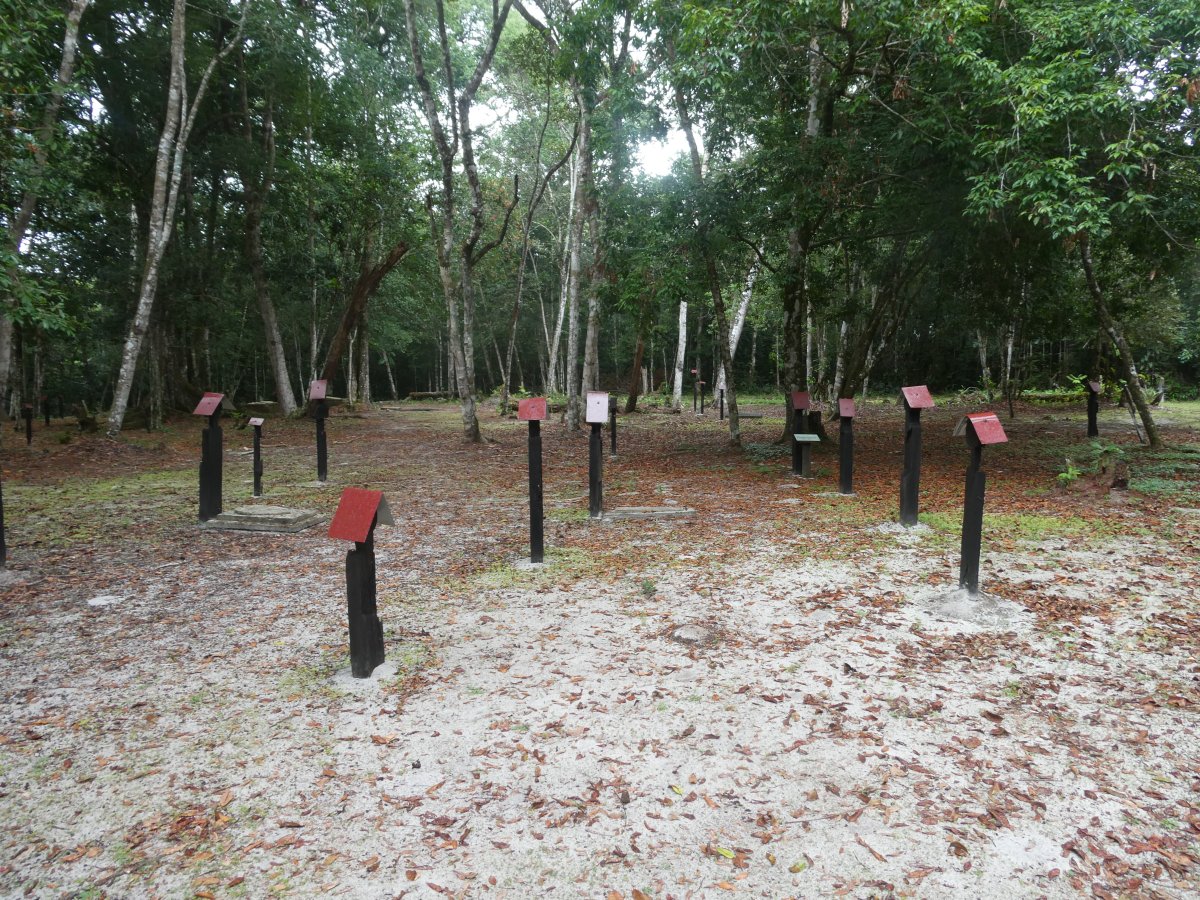
Numerous simple grave markers for the slaves.
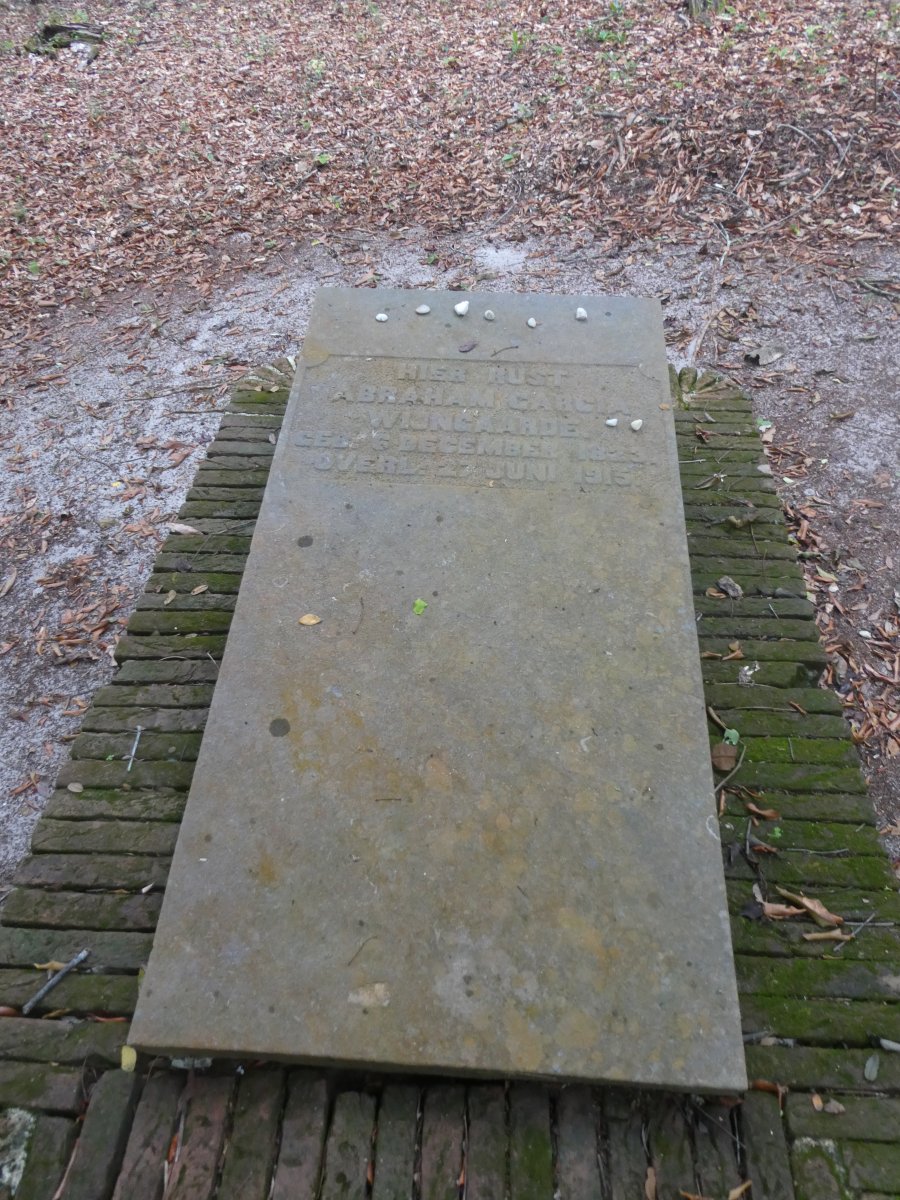
Where the deceased was the offspring of a Jew and a female slave, there was sometimes a stone between the other slave graves.
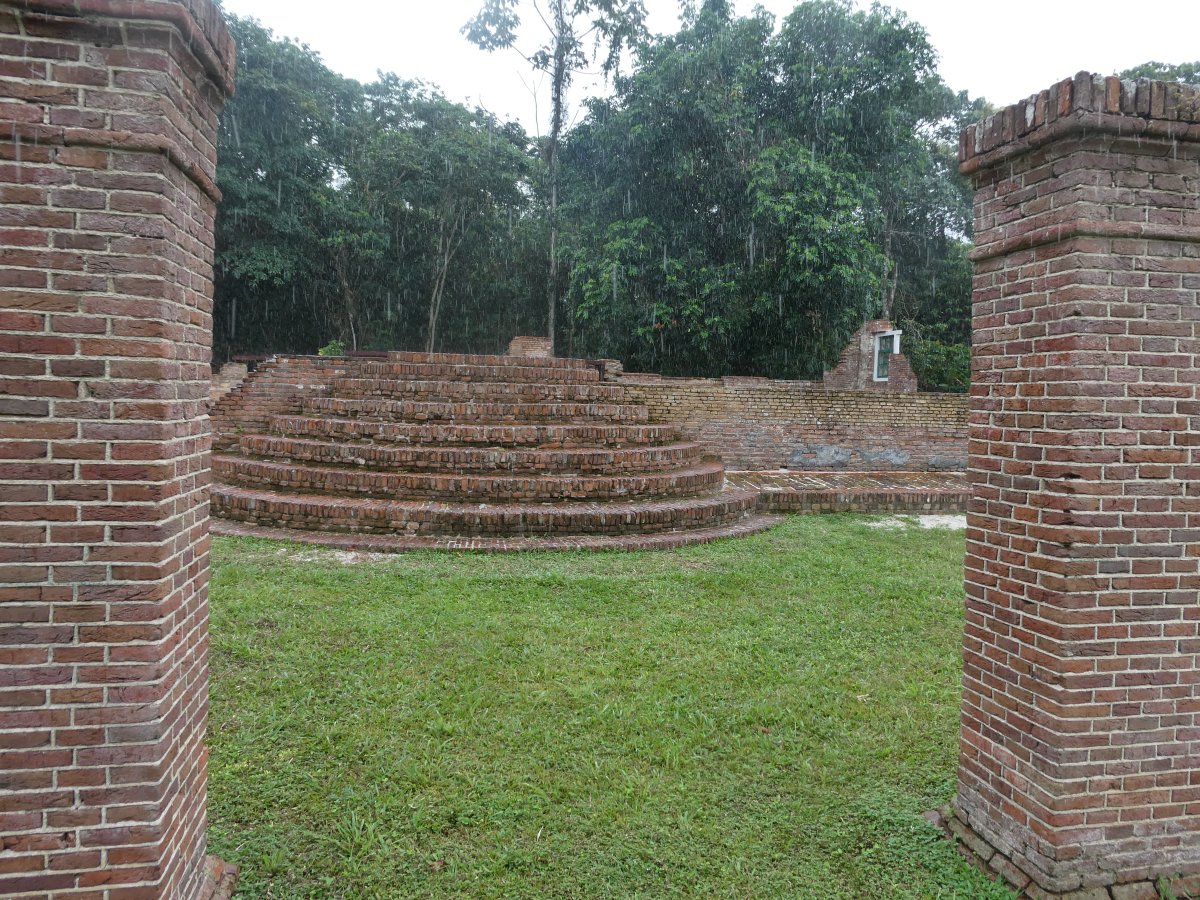
What is left of the Jewish synagogue.
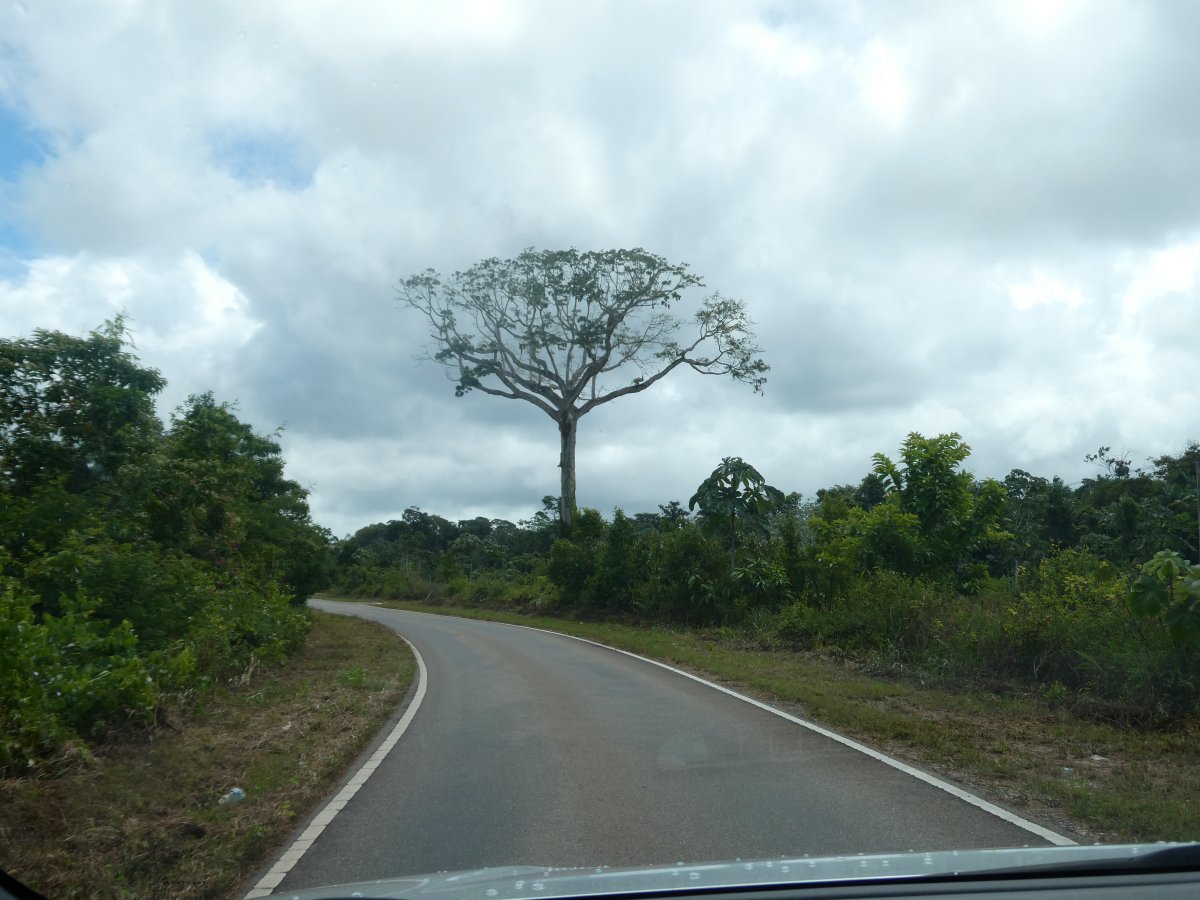
There is a holy tree on the road there, that was not cut down for the road that has one way lanes on either side.
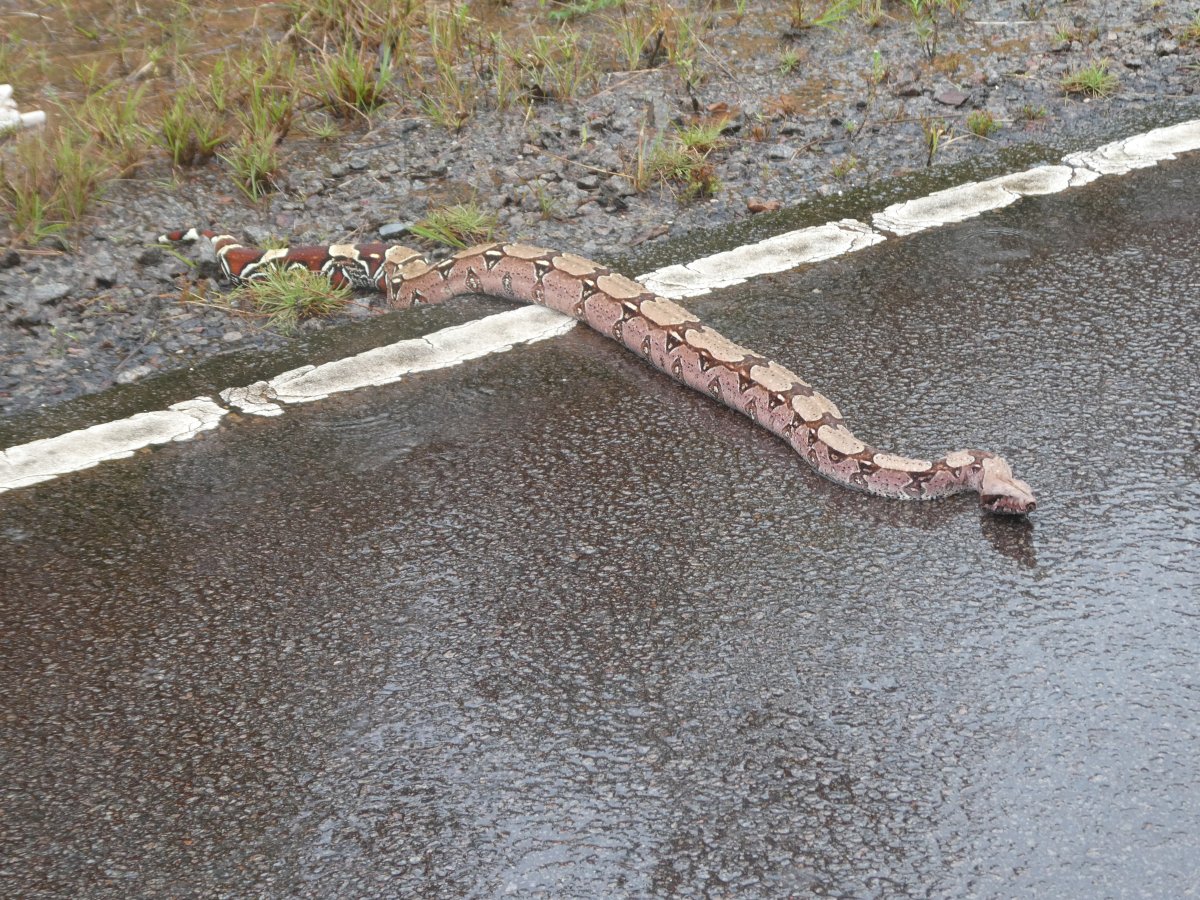
This boa was just sort of hanging out by the side of the road, apparently trying to figure out whether to make a dash across.