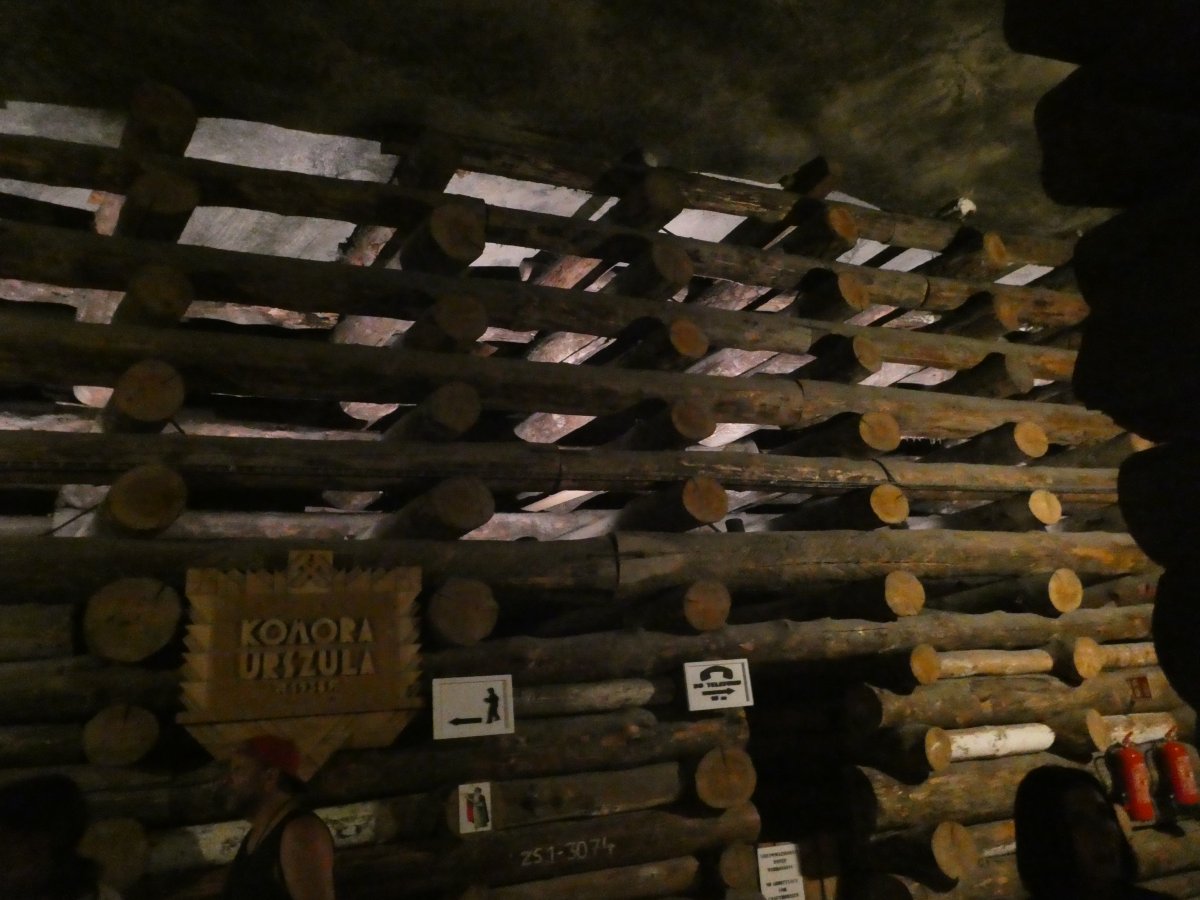
Wieliczka Salt Mine
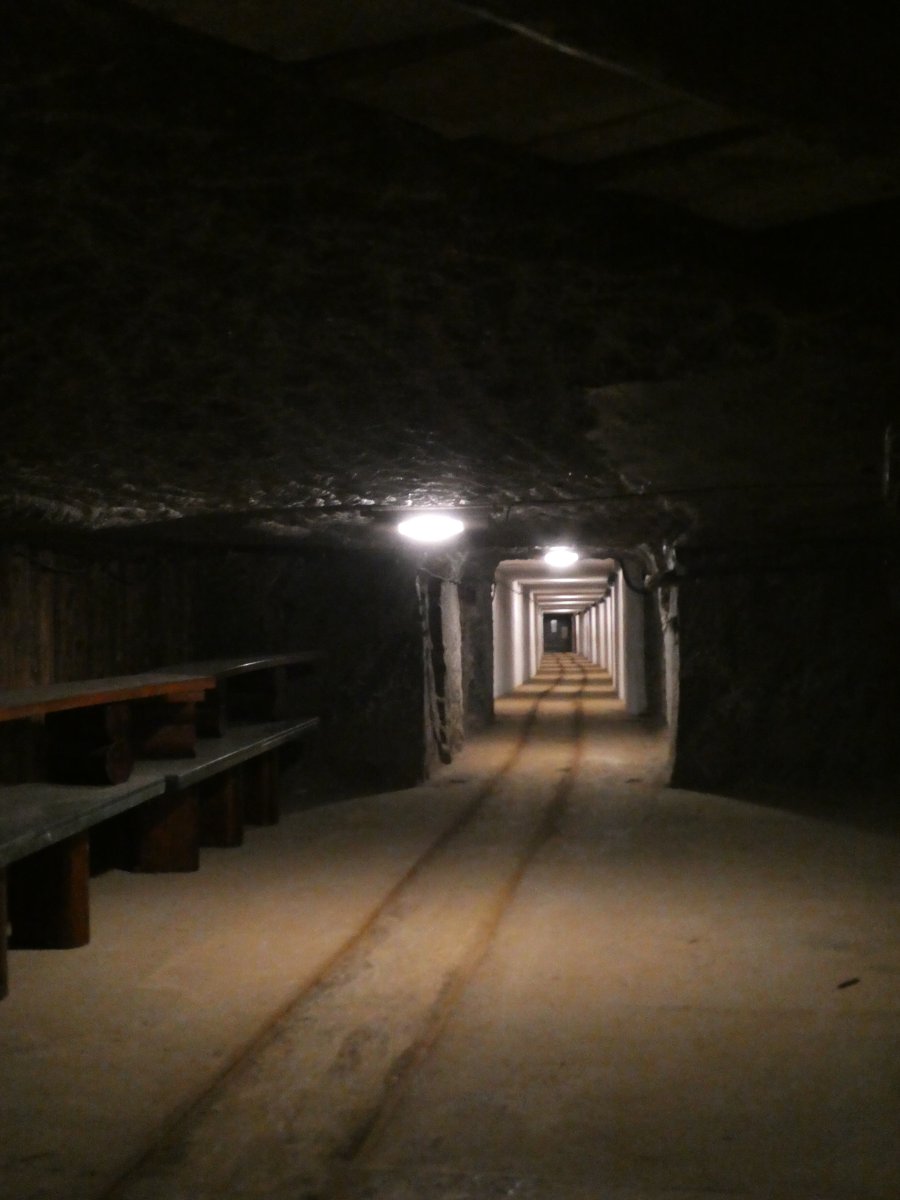
Our visit to the salt mine (one of the first Unesco World Heritage Sites) was impressive but uite difficult to capture in pictures,
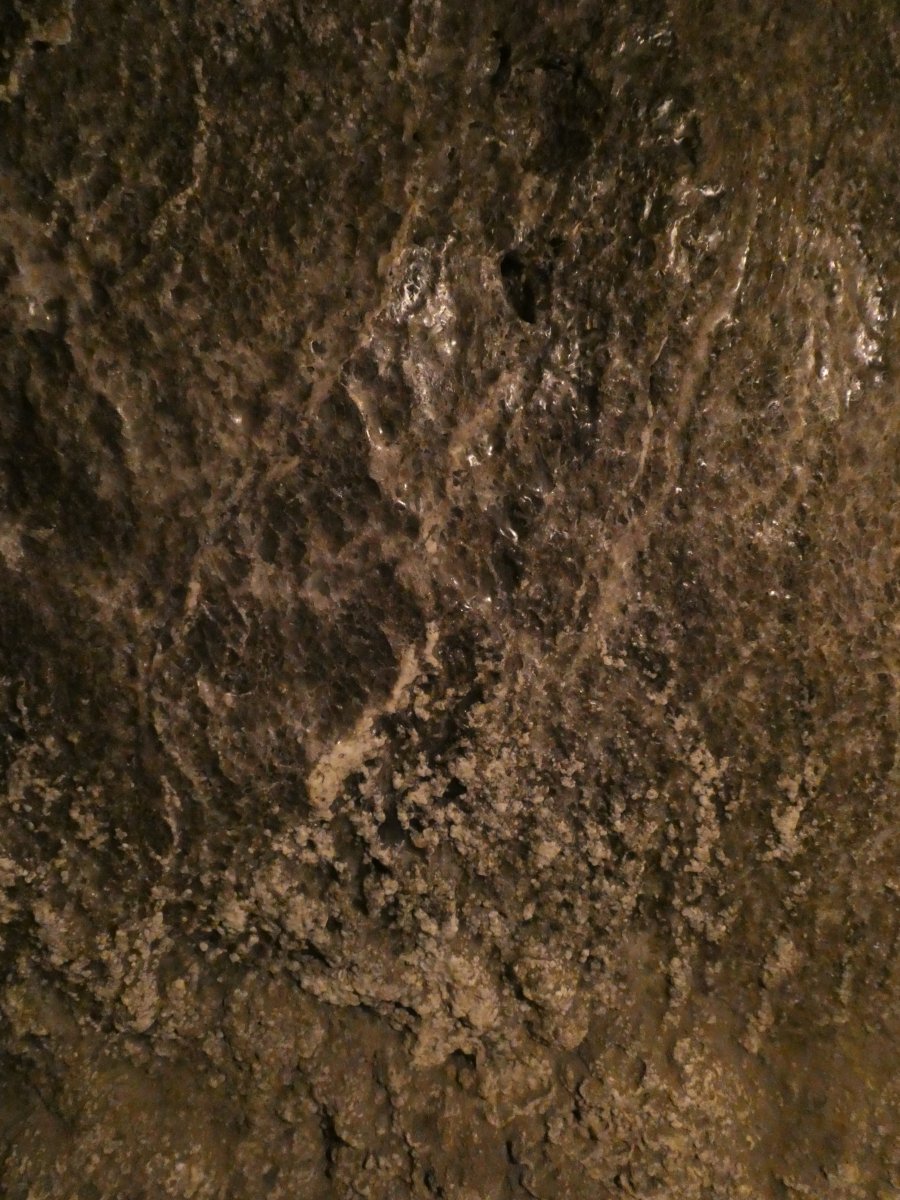
The walls around us were, naturally, pure salt (but I resisted the temptation of licking them as test)
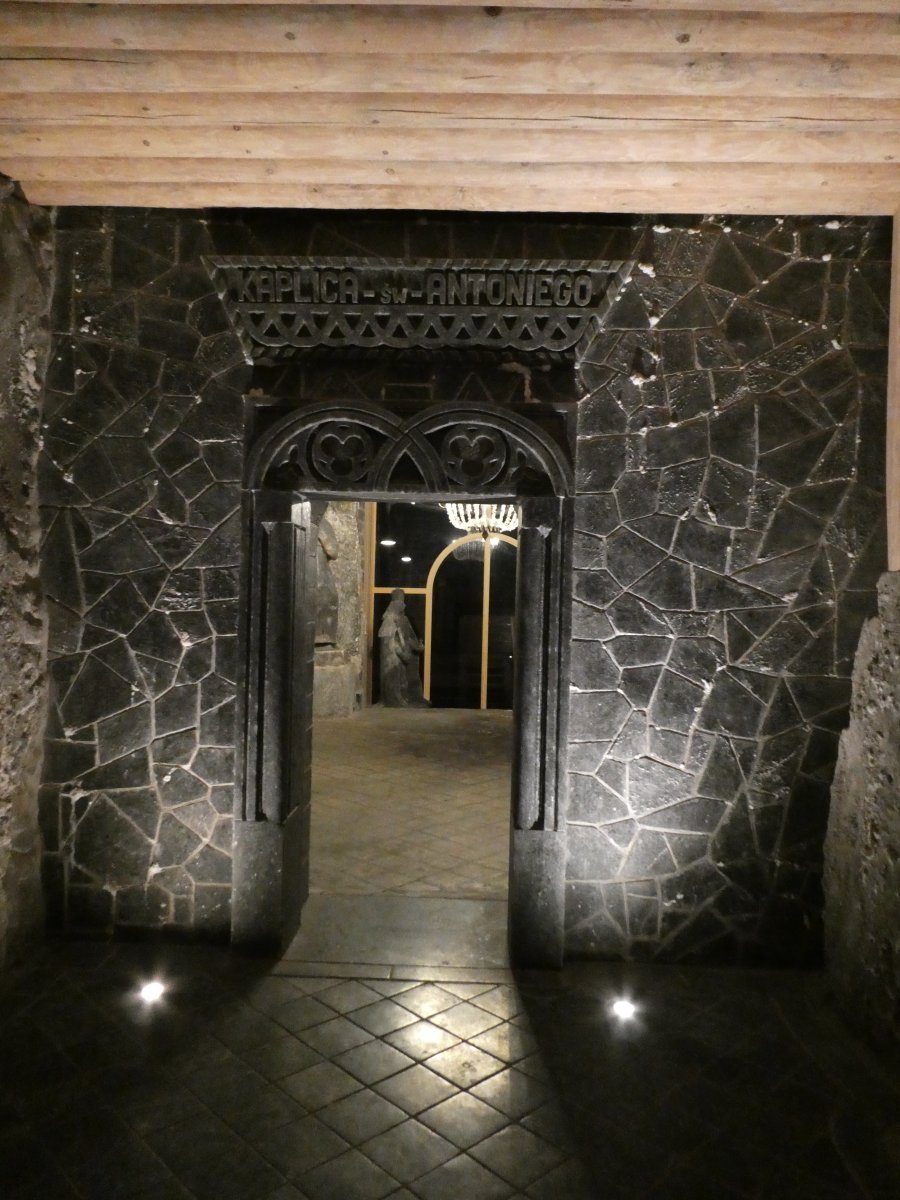
There are side-paths everywhere, many very well maintained, as the mine is used for all kinds of event.
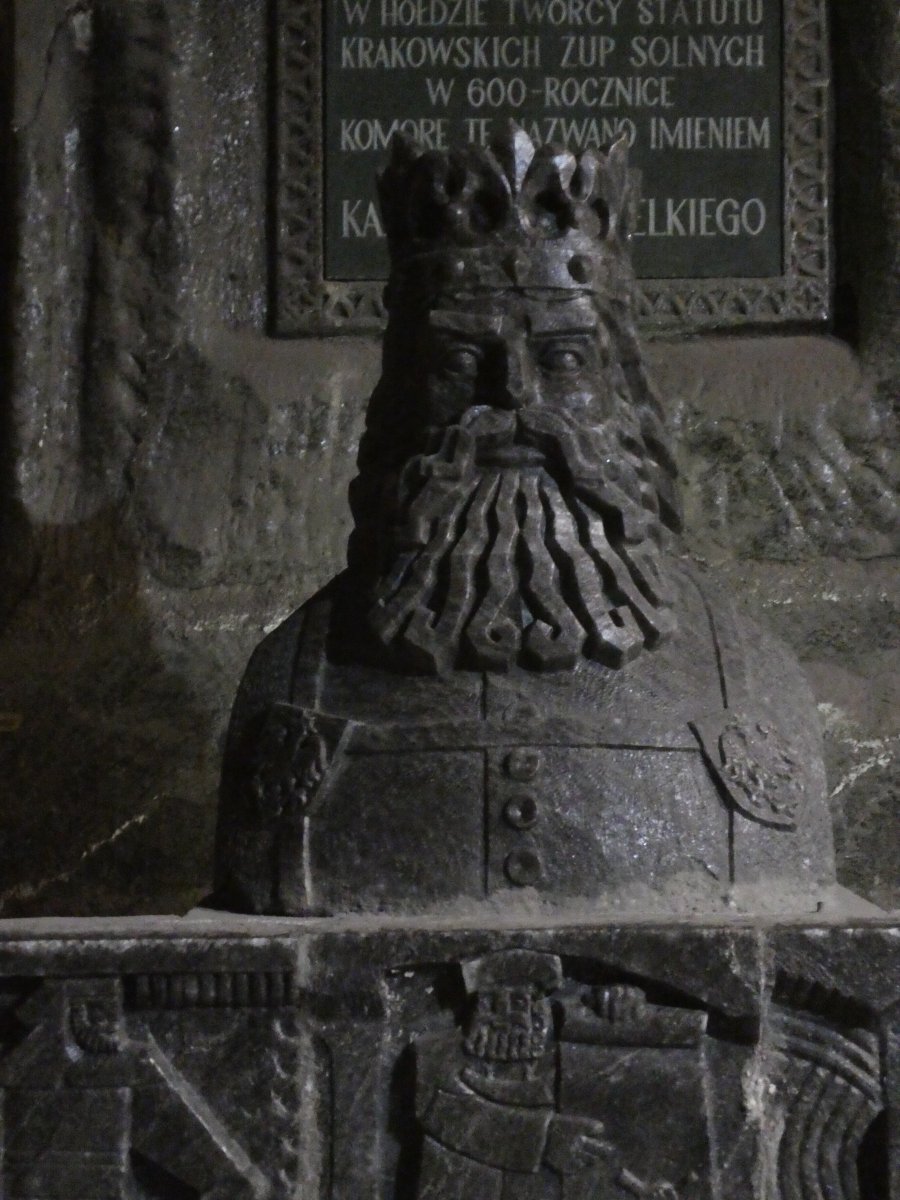
King Kasimir the Great
founded the mine and declared it property of the crown in the 14th century. Salt became one of Poland’s biggest sources of income.
Wieliczka was one of the financial engines behind his transformation of Poland. “He found Poland made of wood and left it made of stone.”
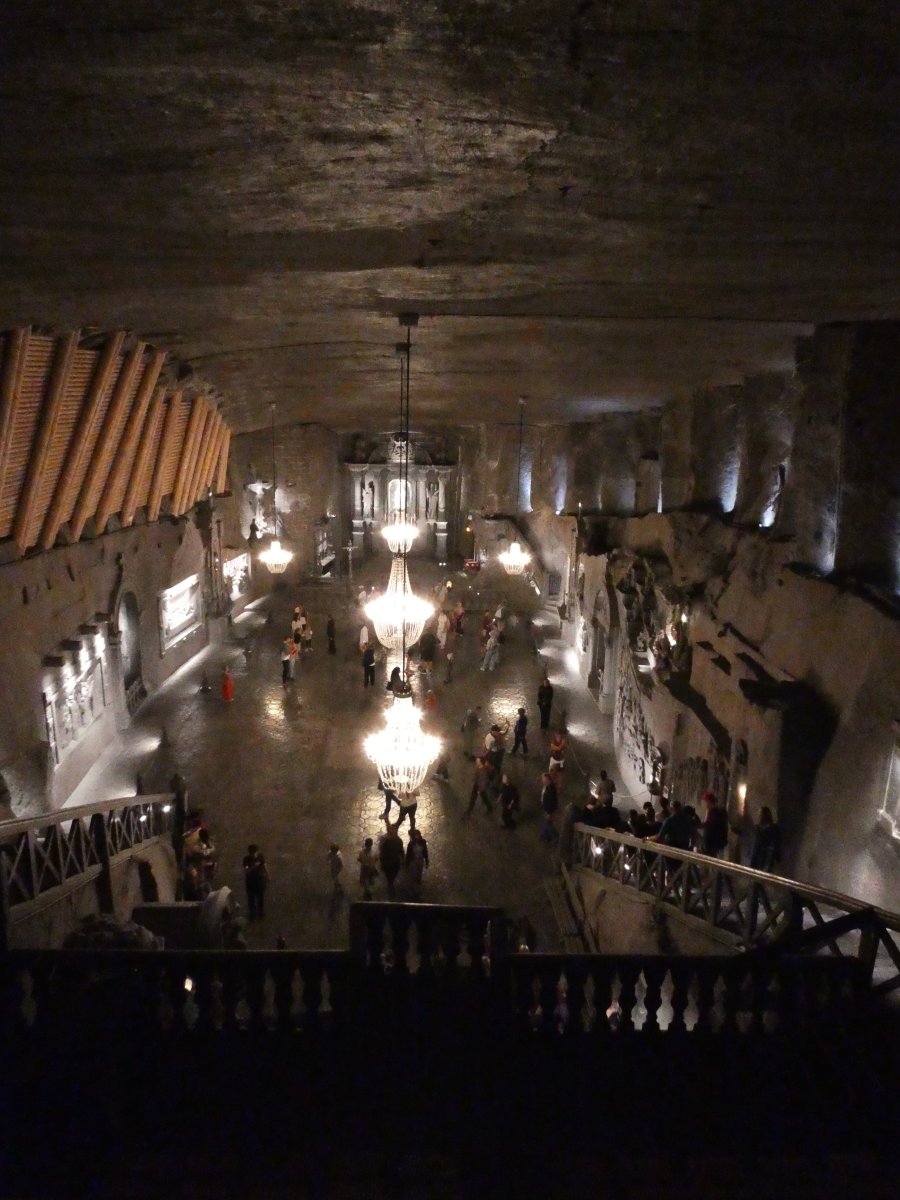
St. Kinga's Chapel
is the largest of about 40 chapels spread throughout the mine
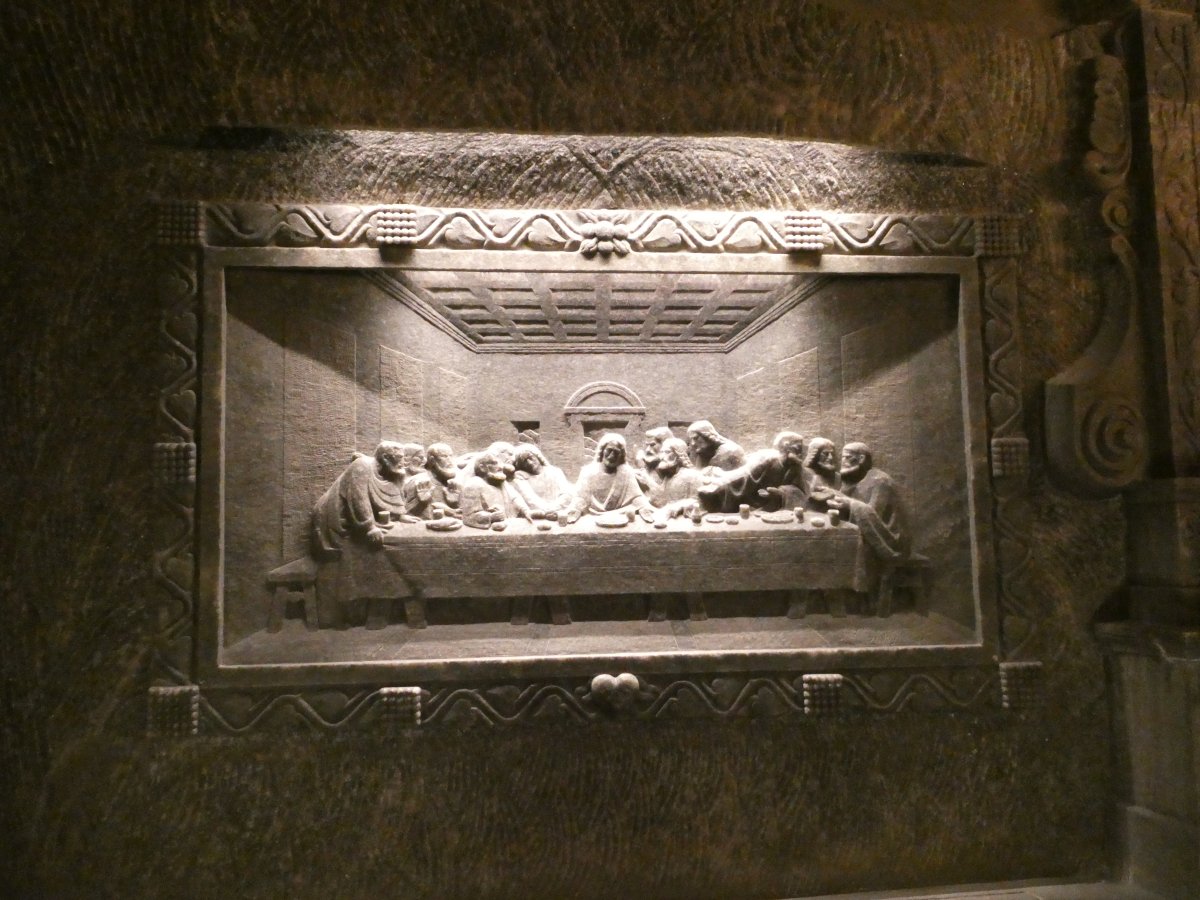
Last Supper
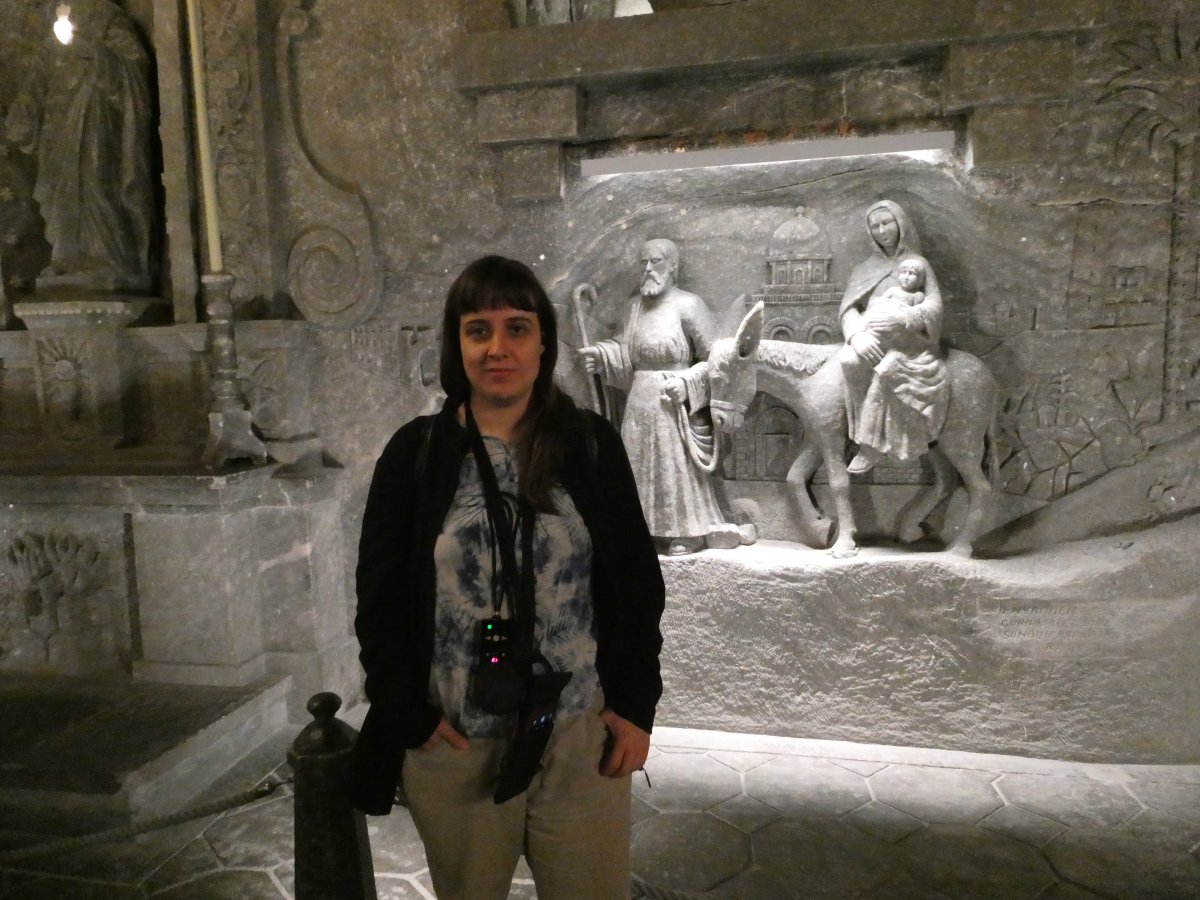
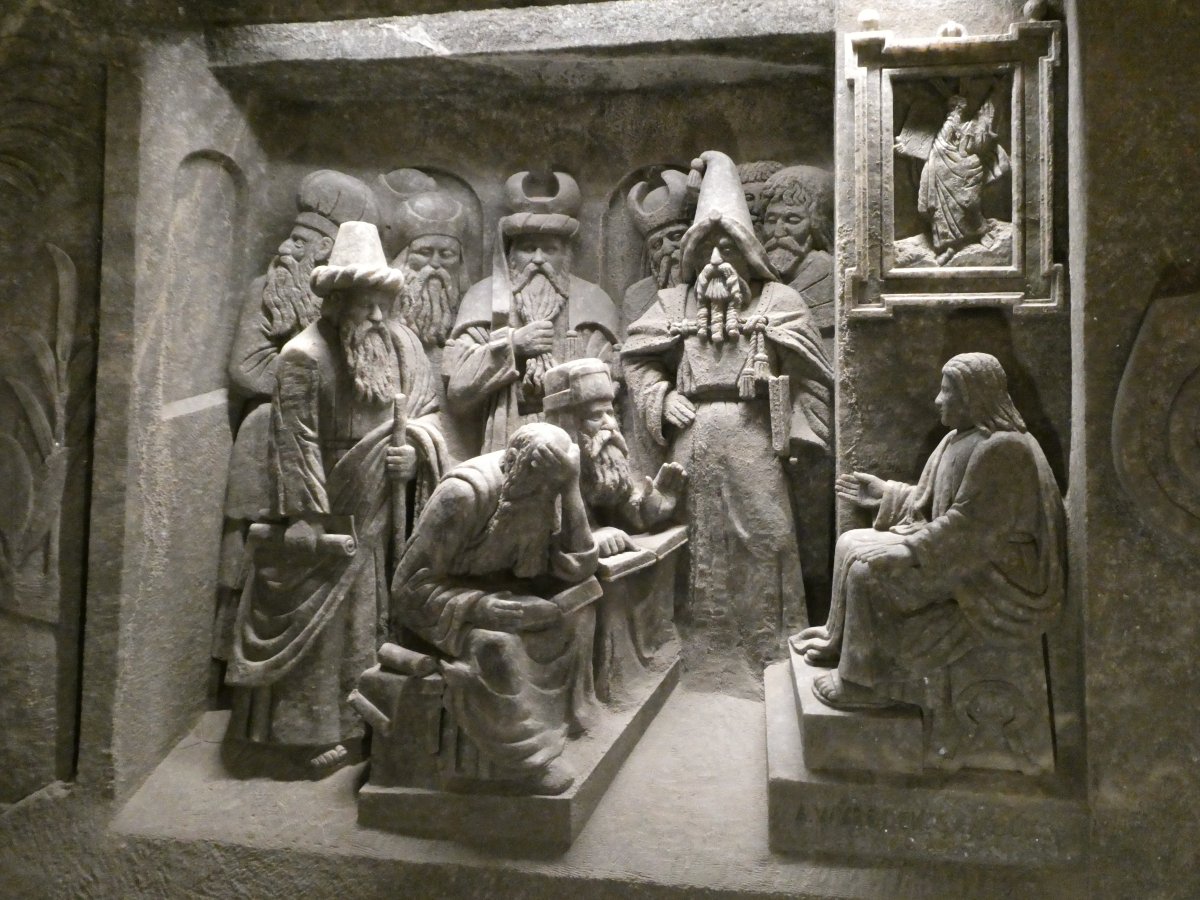
Another of the many salt sculptures created by three main sculptors over a period of 70 years starting around 1896, including floor and wall decorations, chandeliers etc.
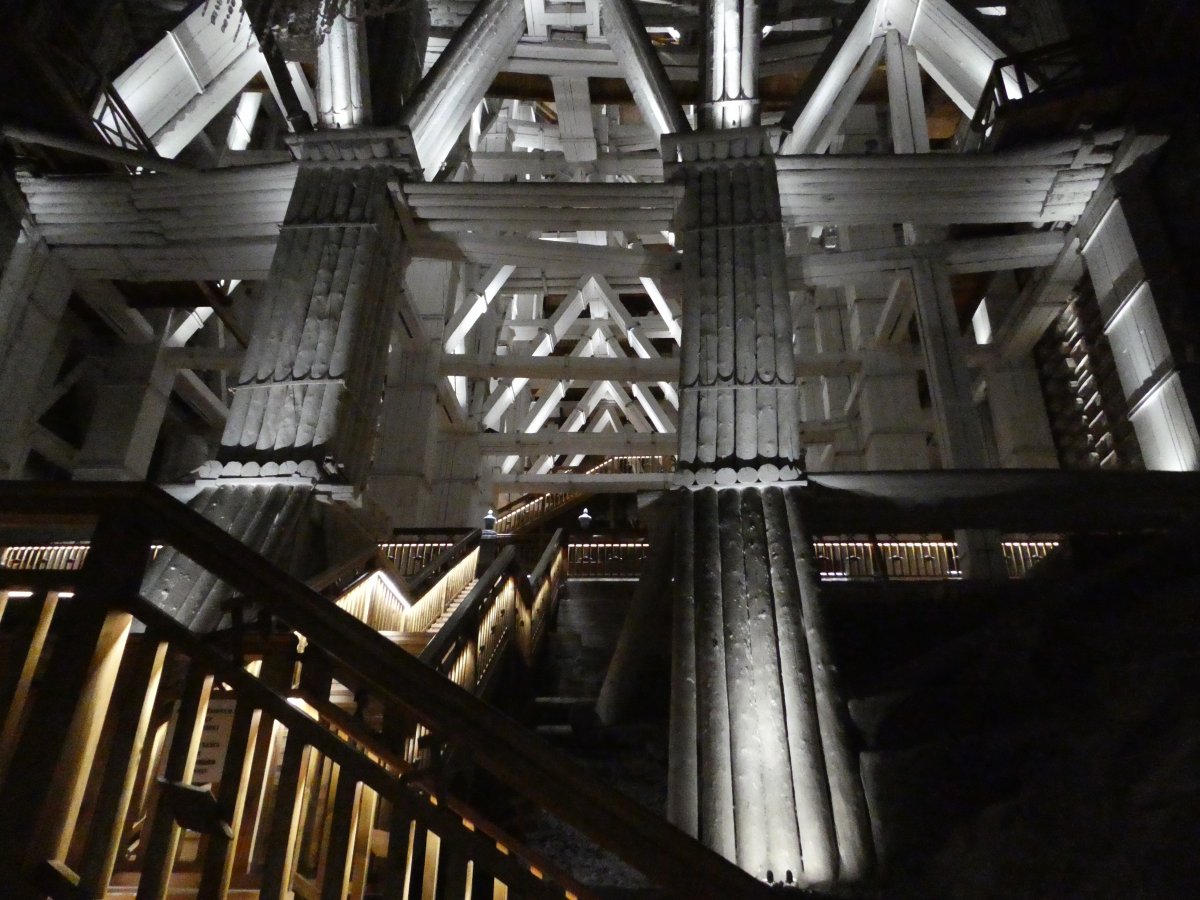
beautiful structures
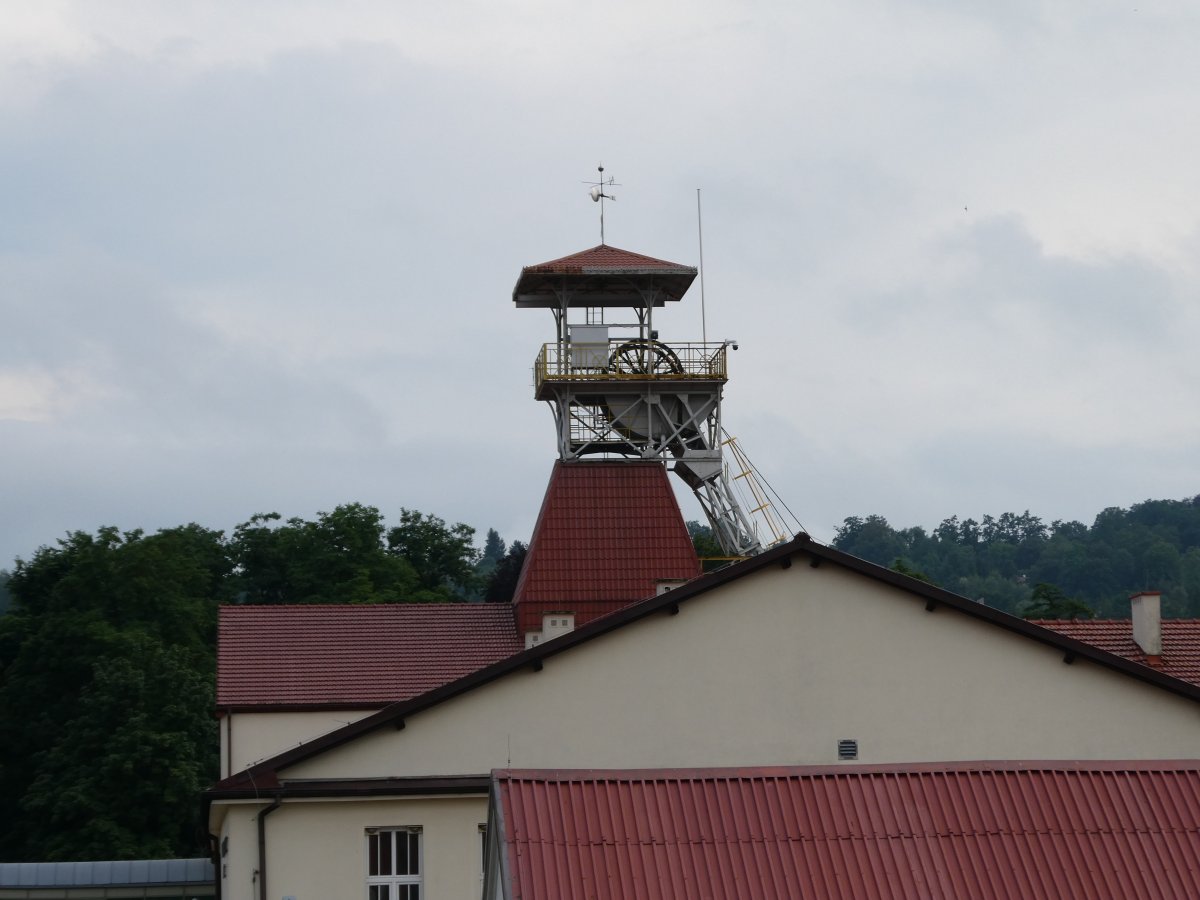
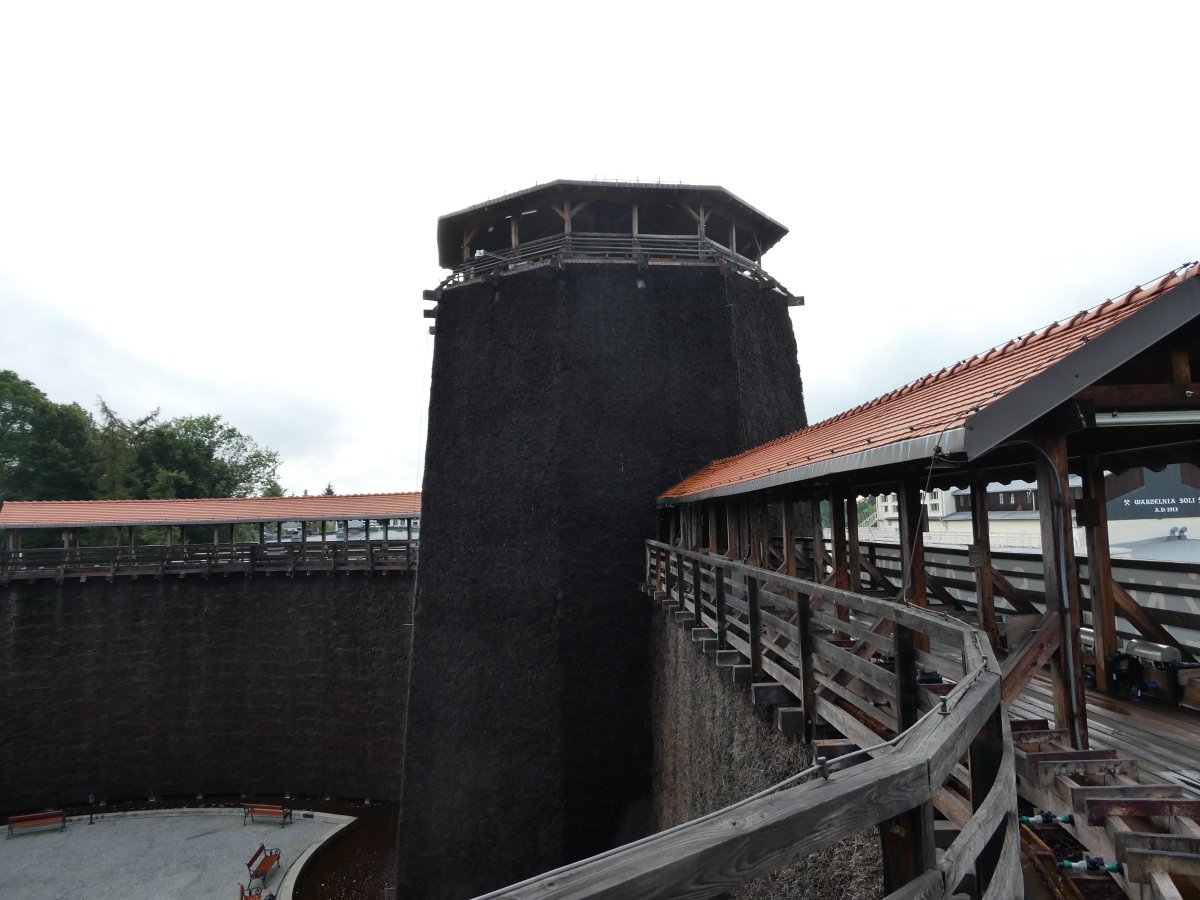
Graduation Tower
Graduation was the process of increasing the salt concentration of brine by letting water evaporate naturally. The more the brine passed through the twig walls, the more water evaporated, and the stronger (more “graduated”) the brine became. (I had to look this up, as we couldn't figure out what the point was. The atmosphere is supposed to be very relaxing, but we didn't really feel that either).
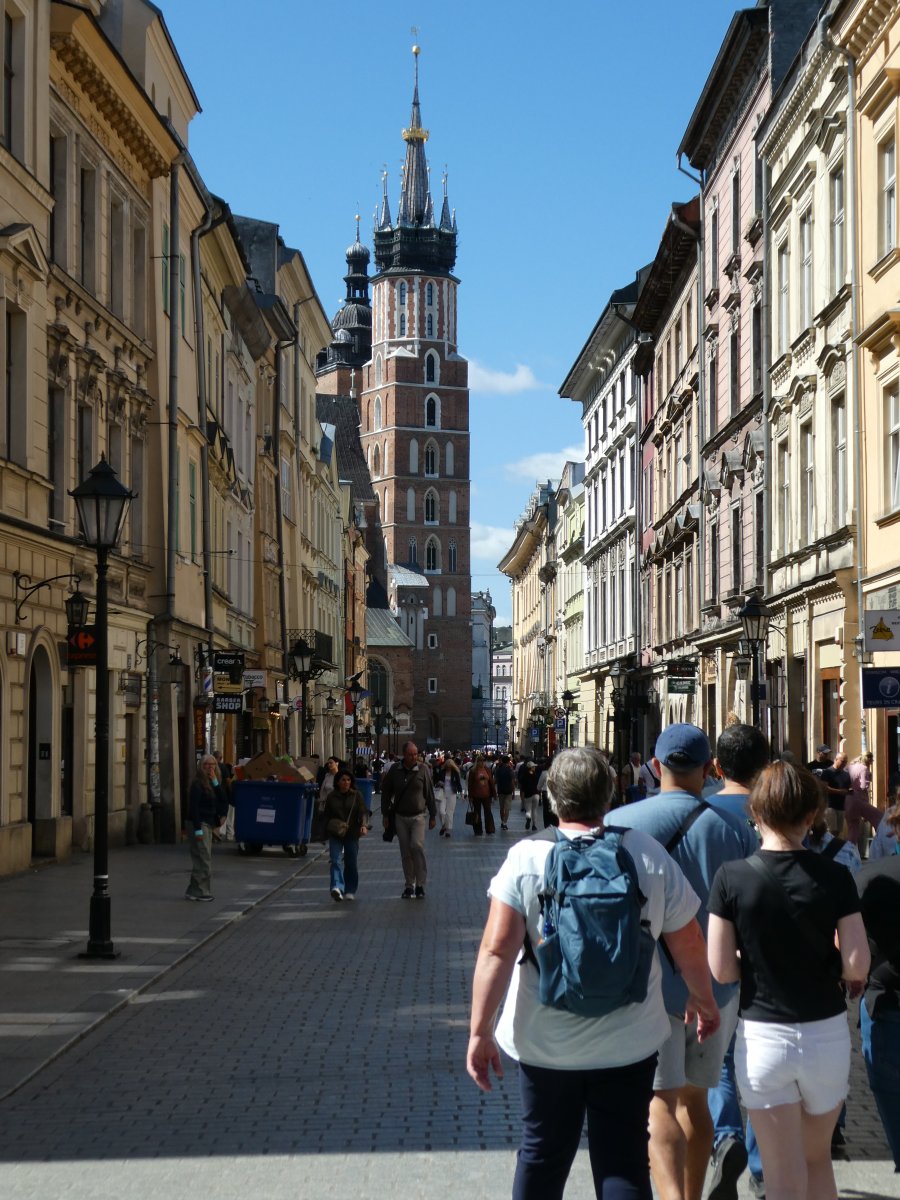
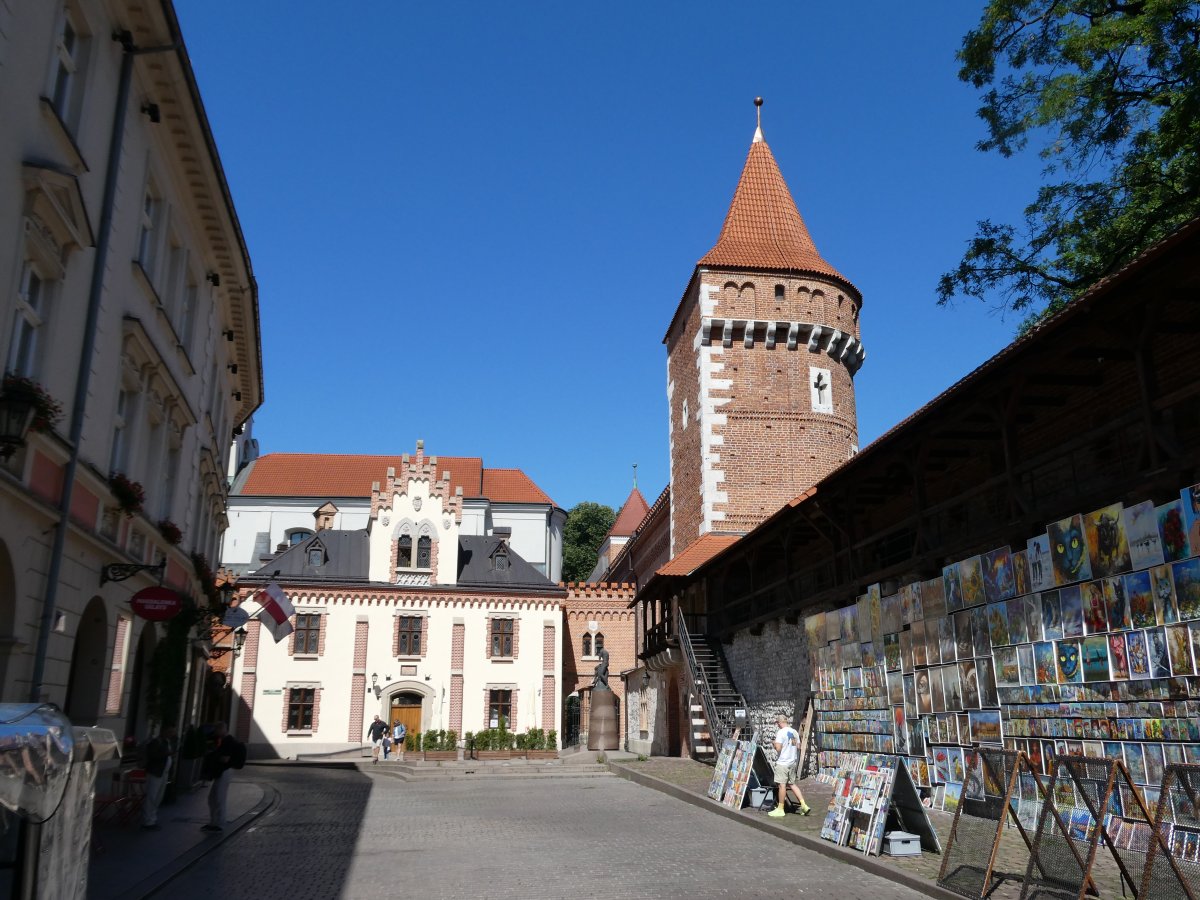
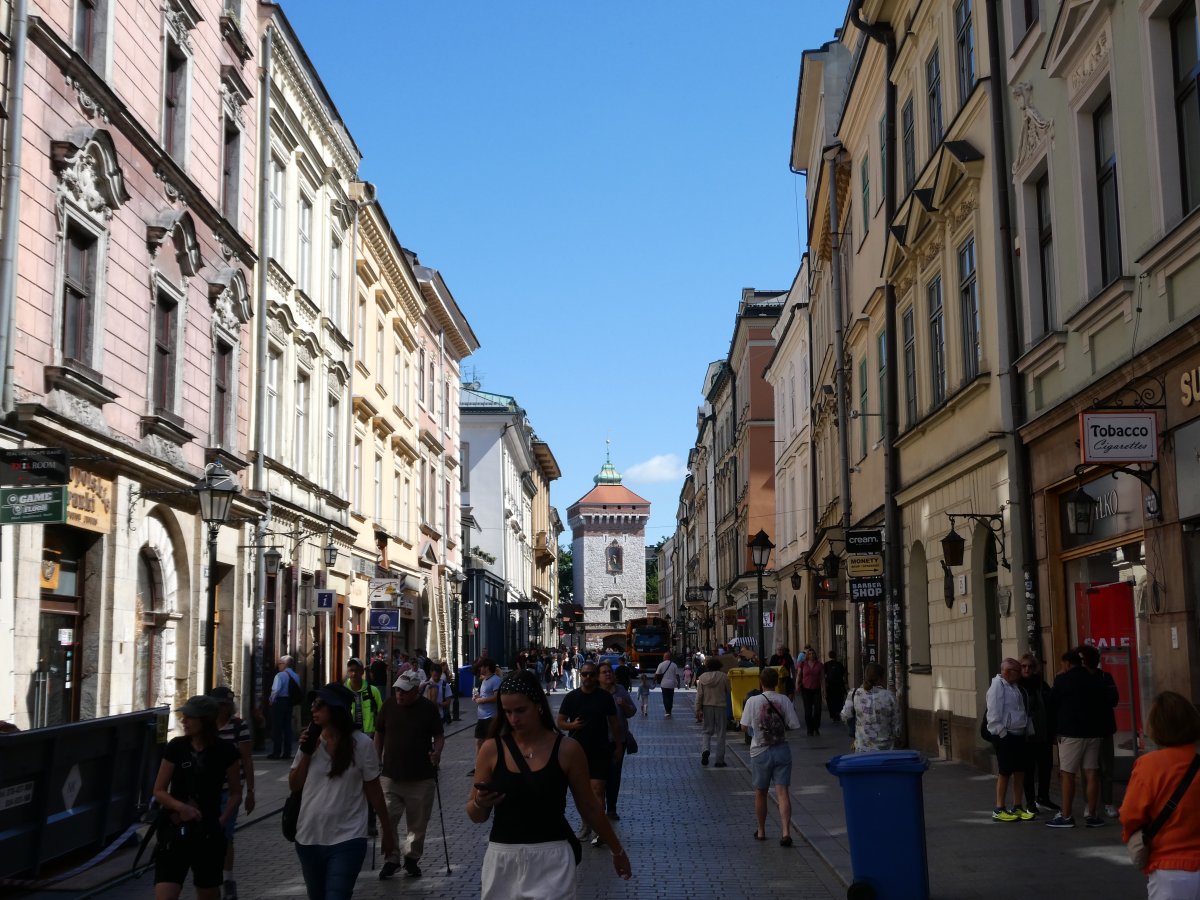
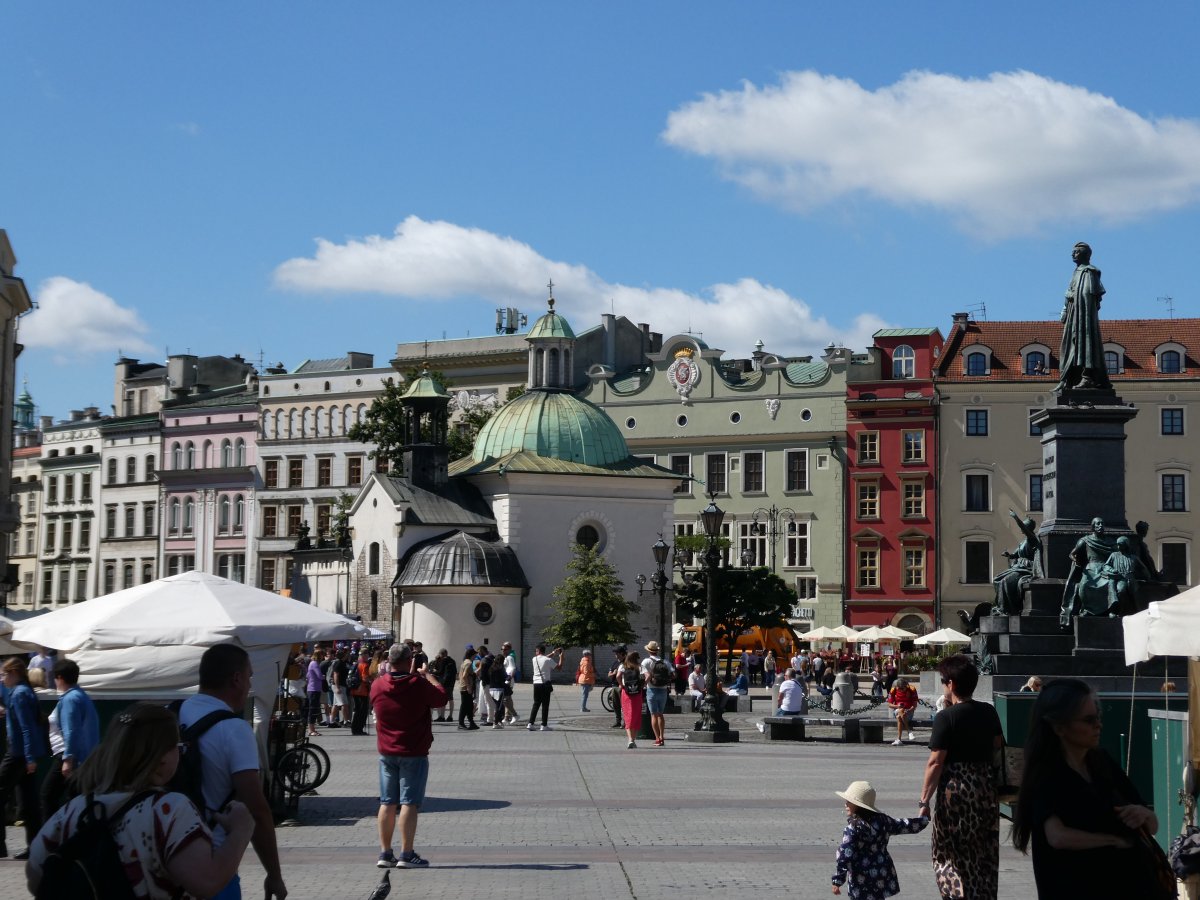
Krakow
This was the old caital before 1596, when Poland was a kingdom (the Piast and Jagiellonian dynasties 1038-1569) and during the Polish-Lithuanian Commonwealth (1569-1596).
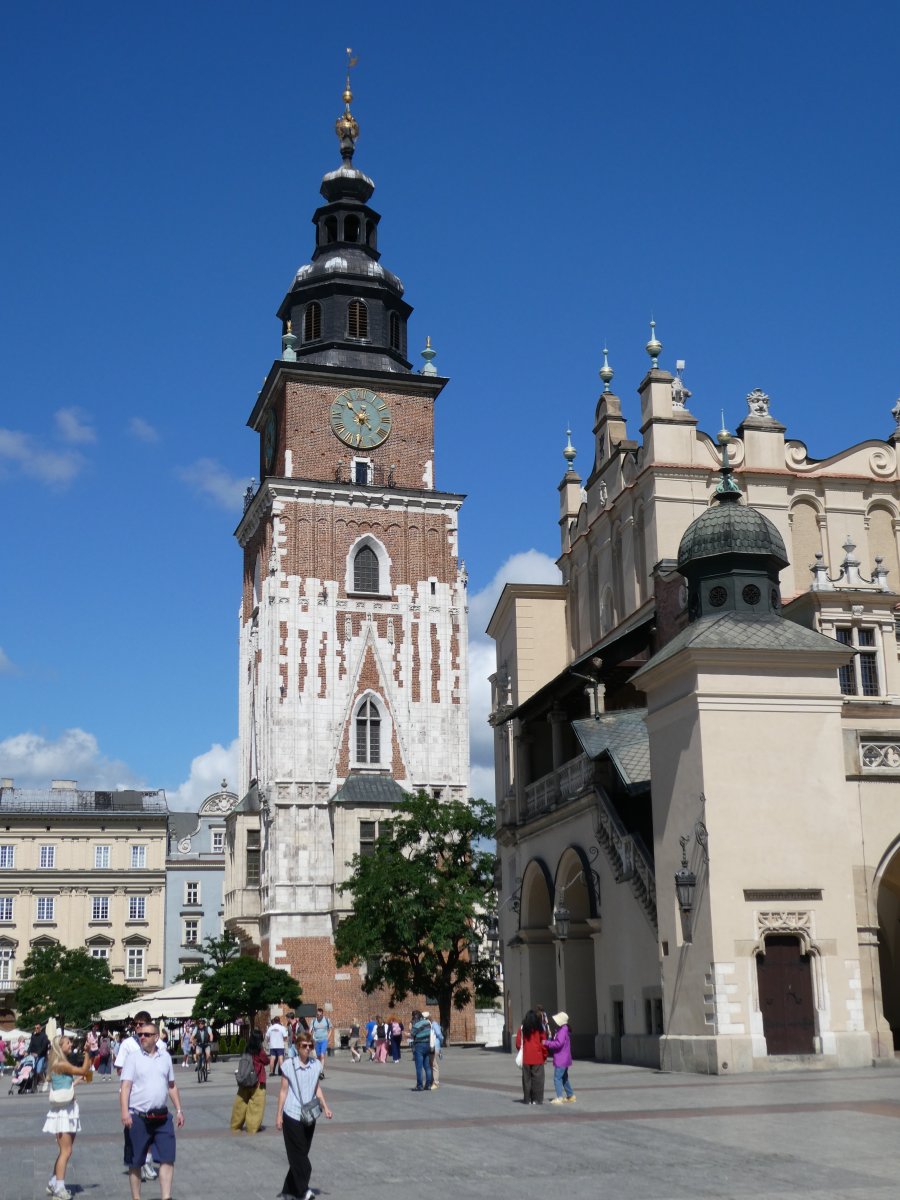
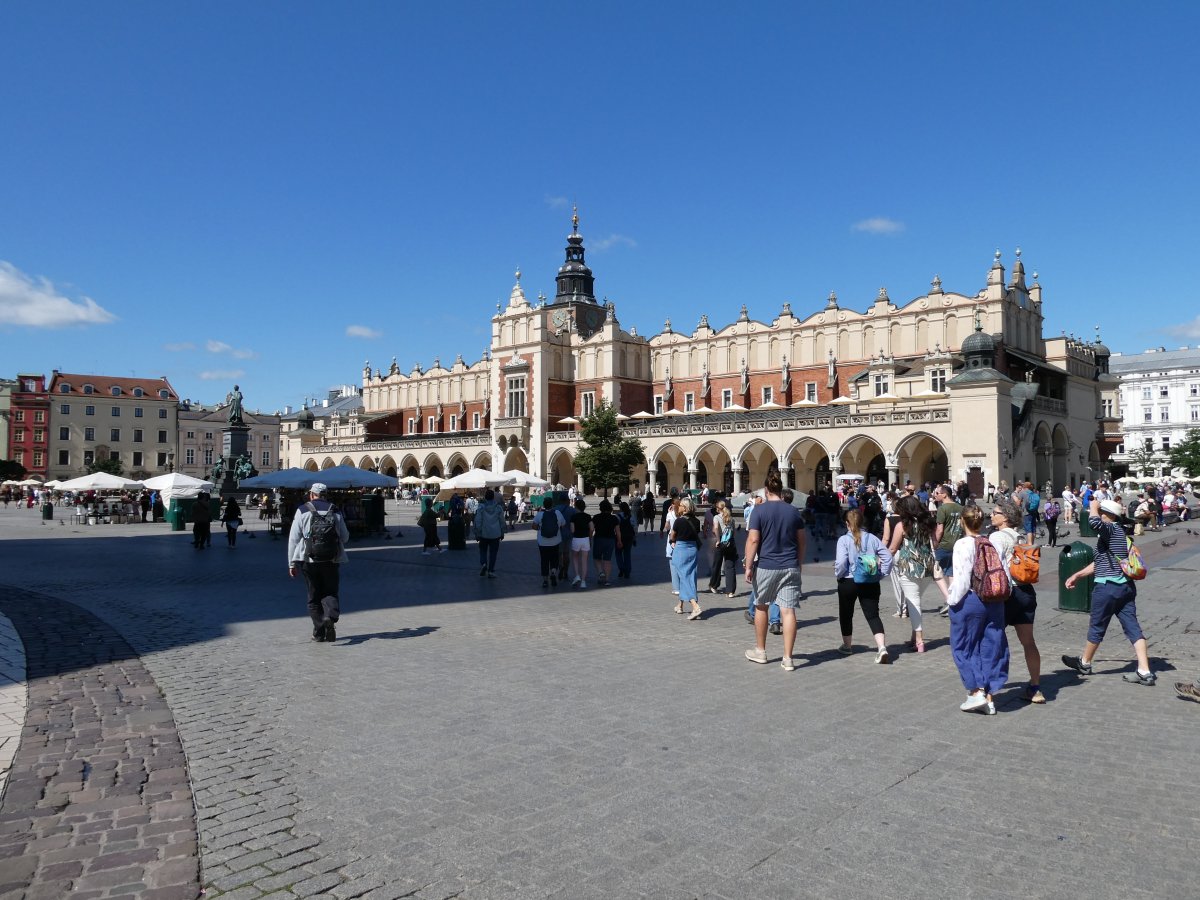
City Hall Tower
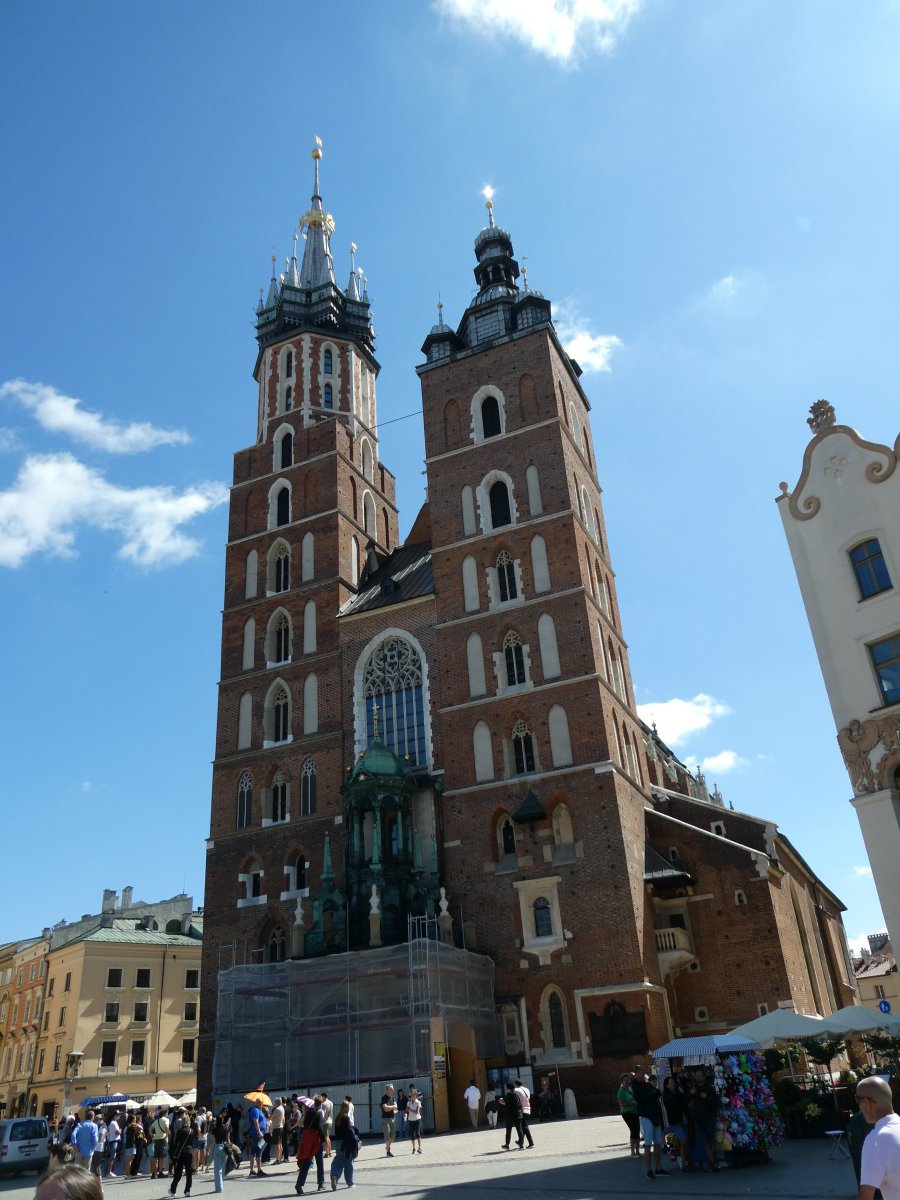
I forget the whole story, but two brothers who were in competition with each other, built significantly different towers.
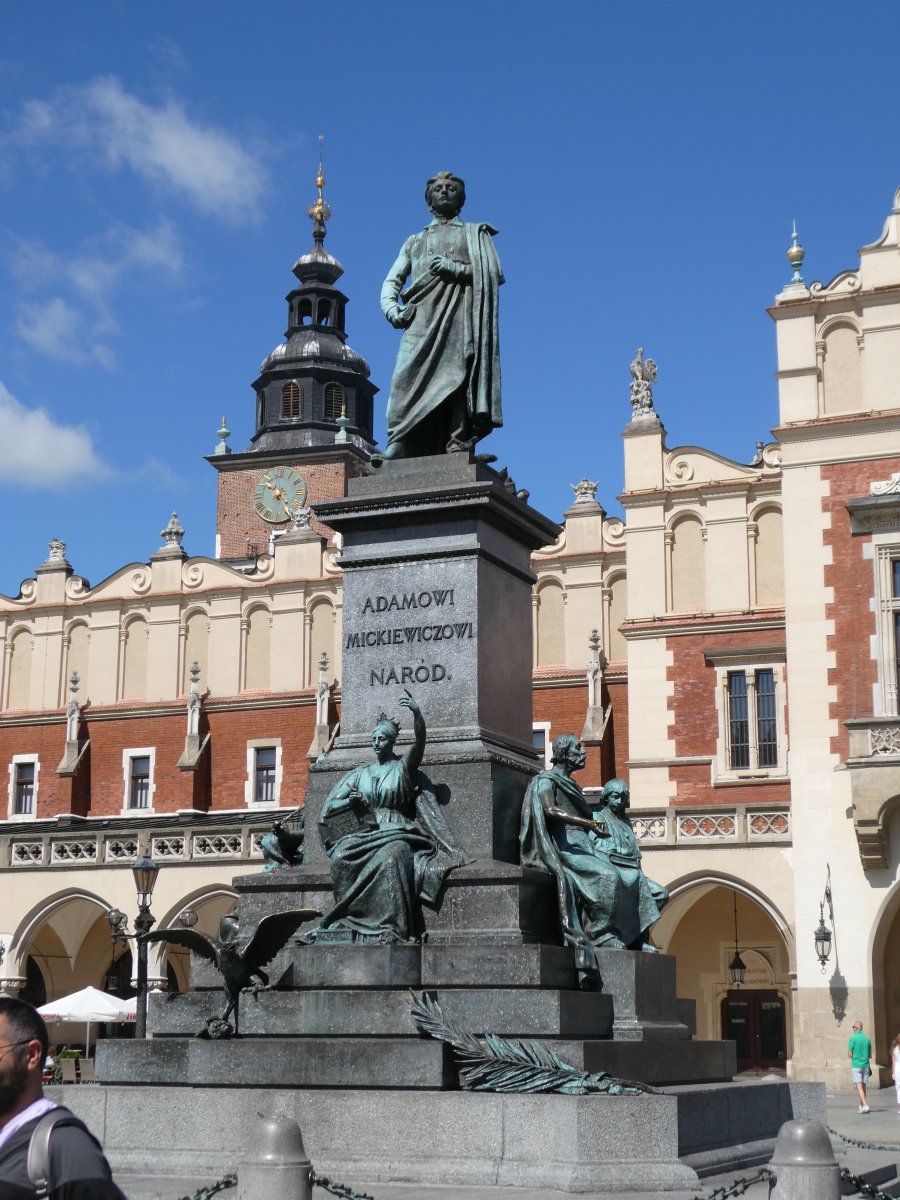
Adam Mickiewicz
Poland’s national poet.
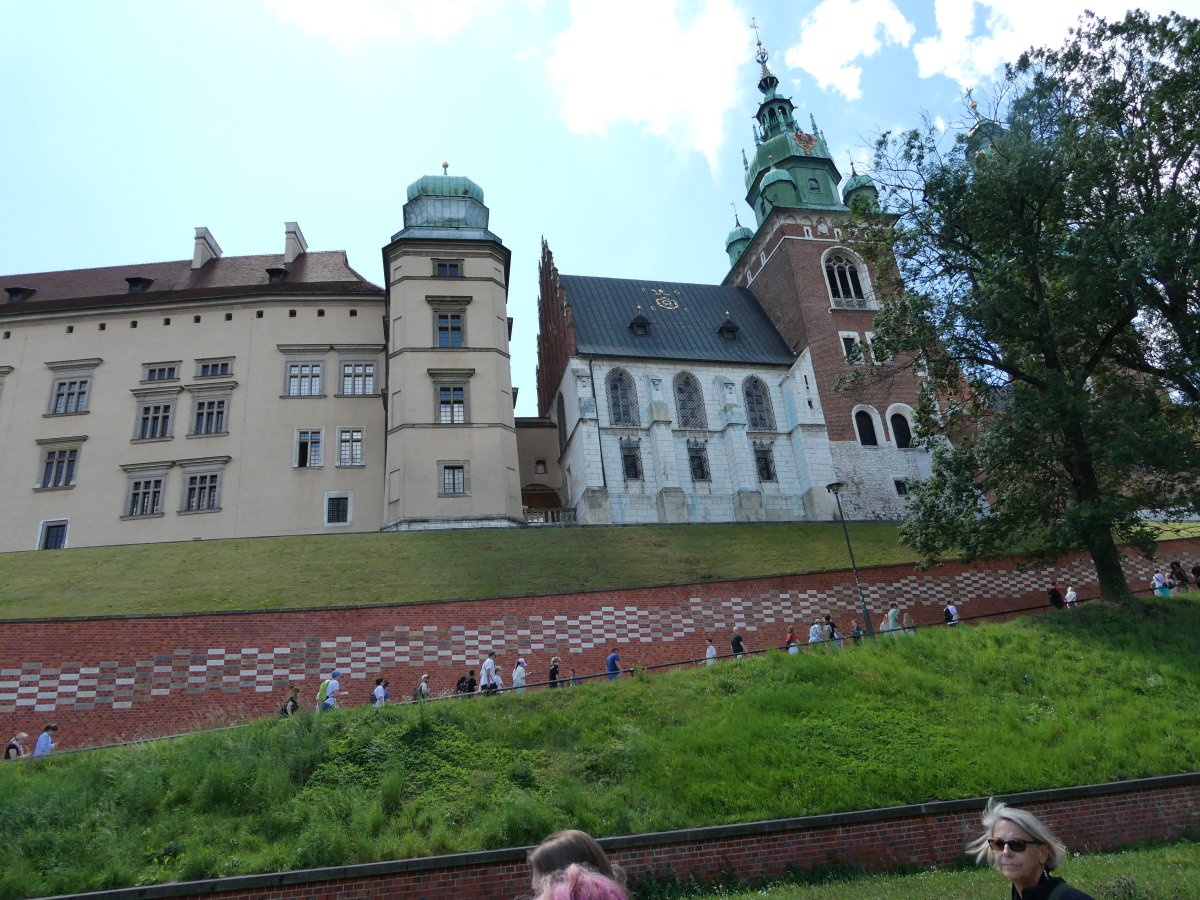
Wawel Castle
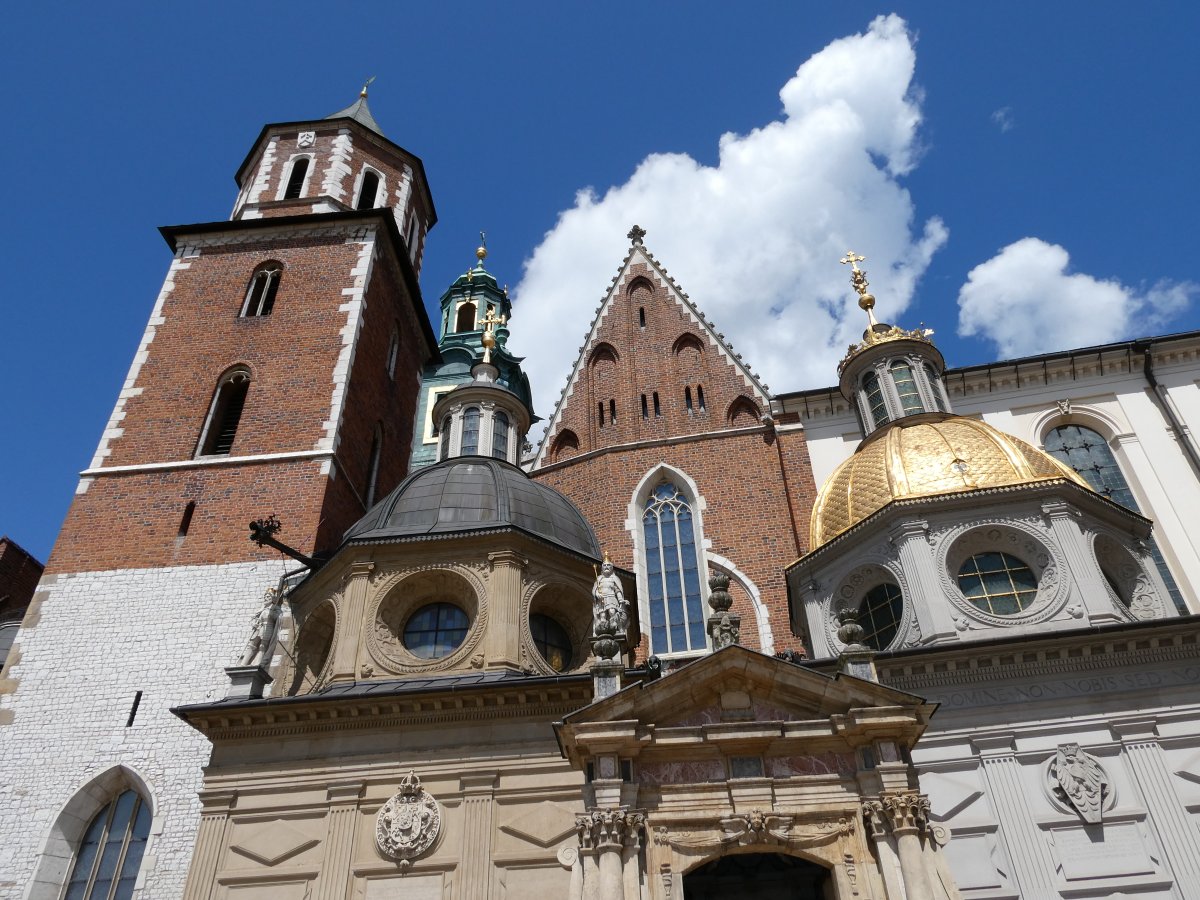
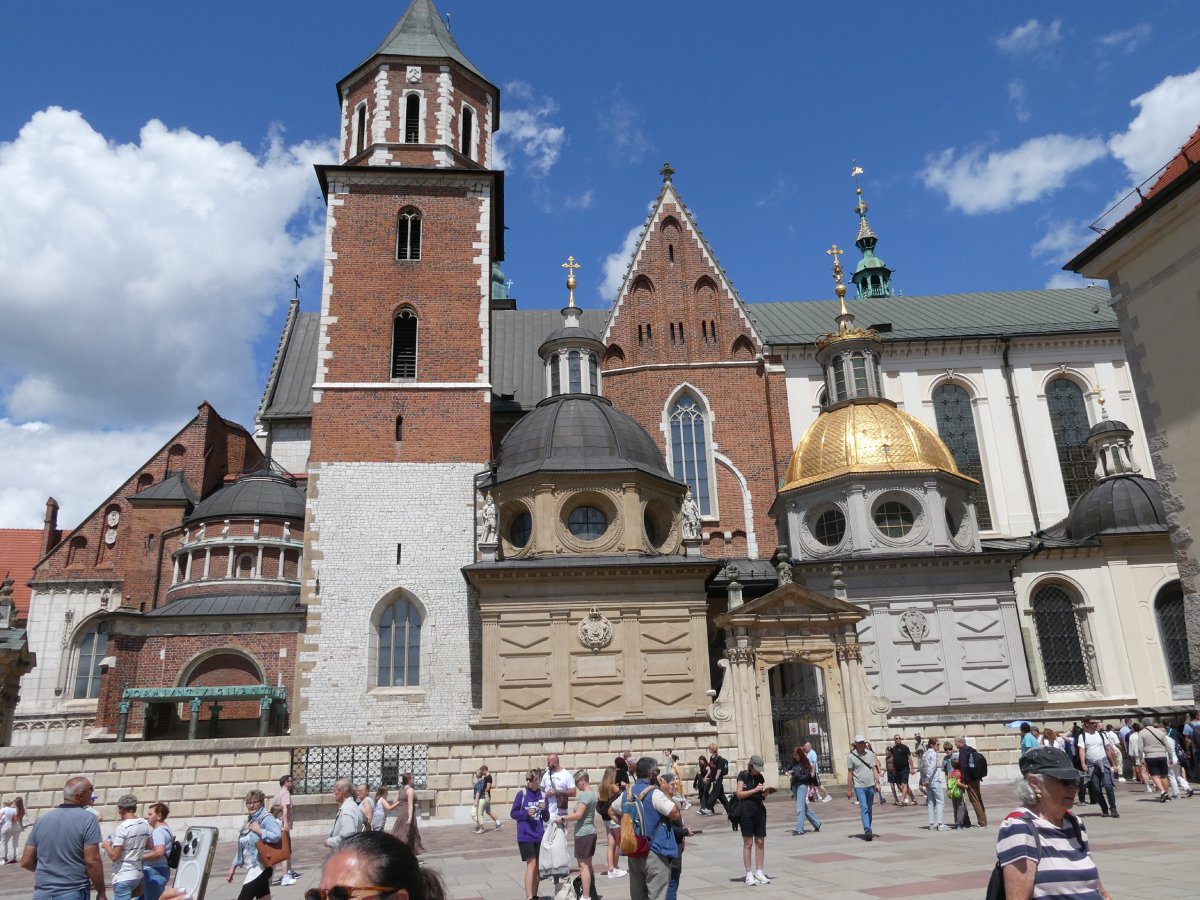
Here the various people of influence wanted to outdo the others, so there is a cacophony of styles
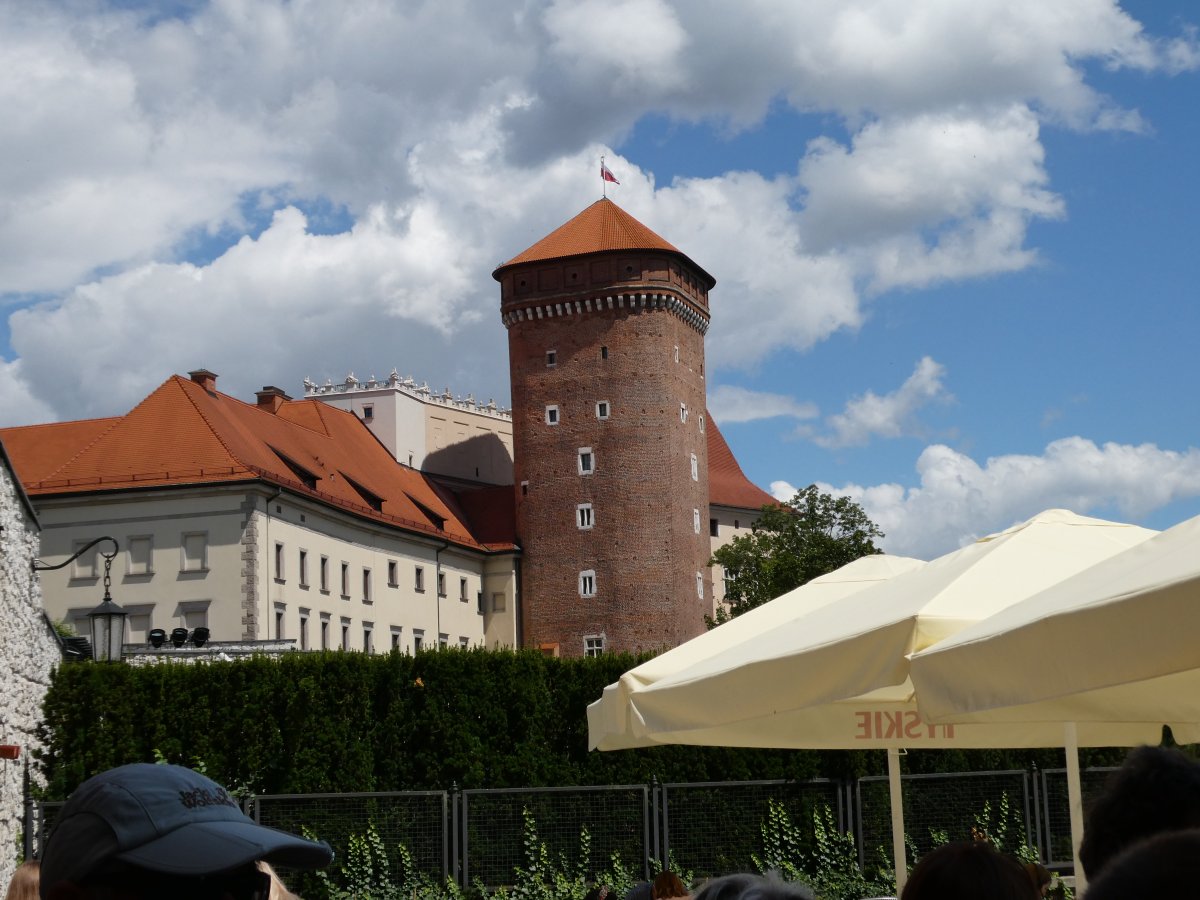
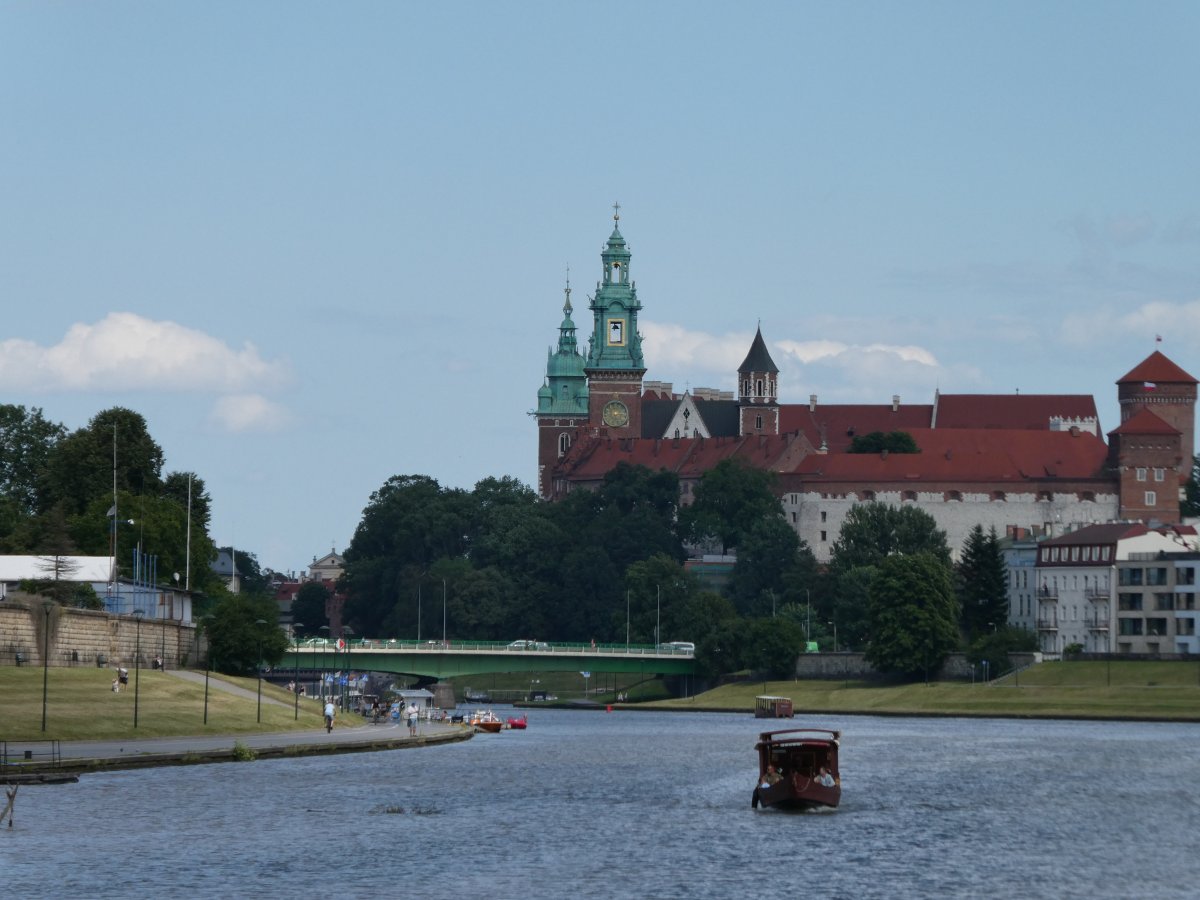
Vistula River
The longest river in Poland (over 1000 km)
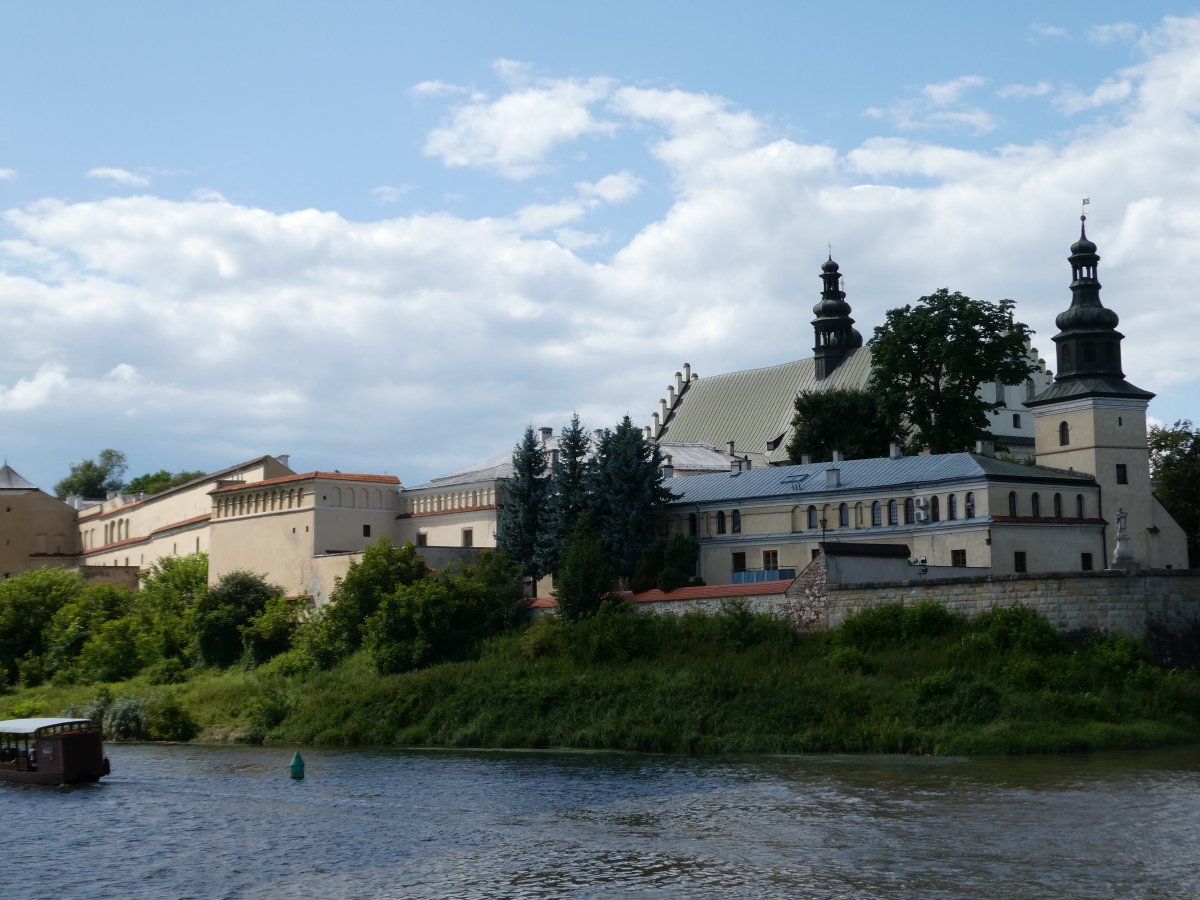
Nunnery
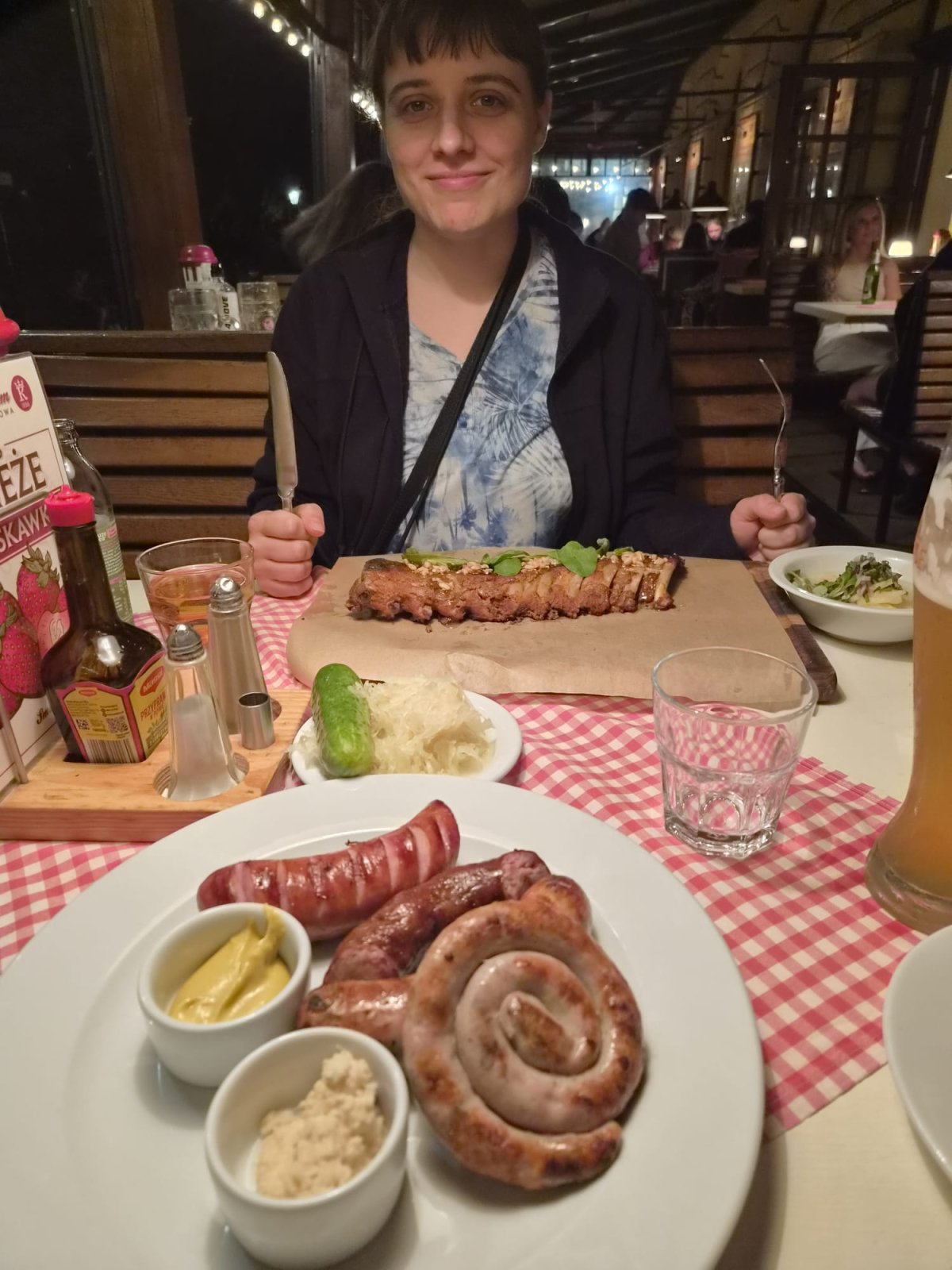
After a hard day of sightseeing, we had to regain our strength.
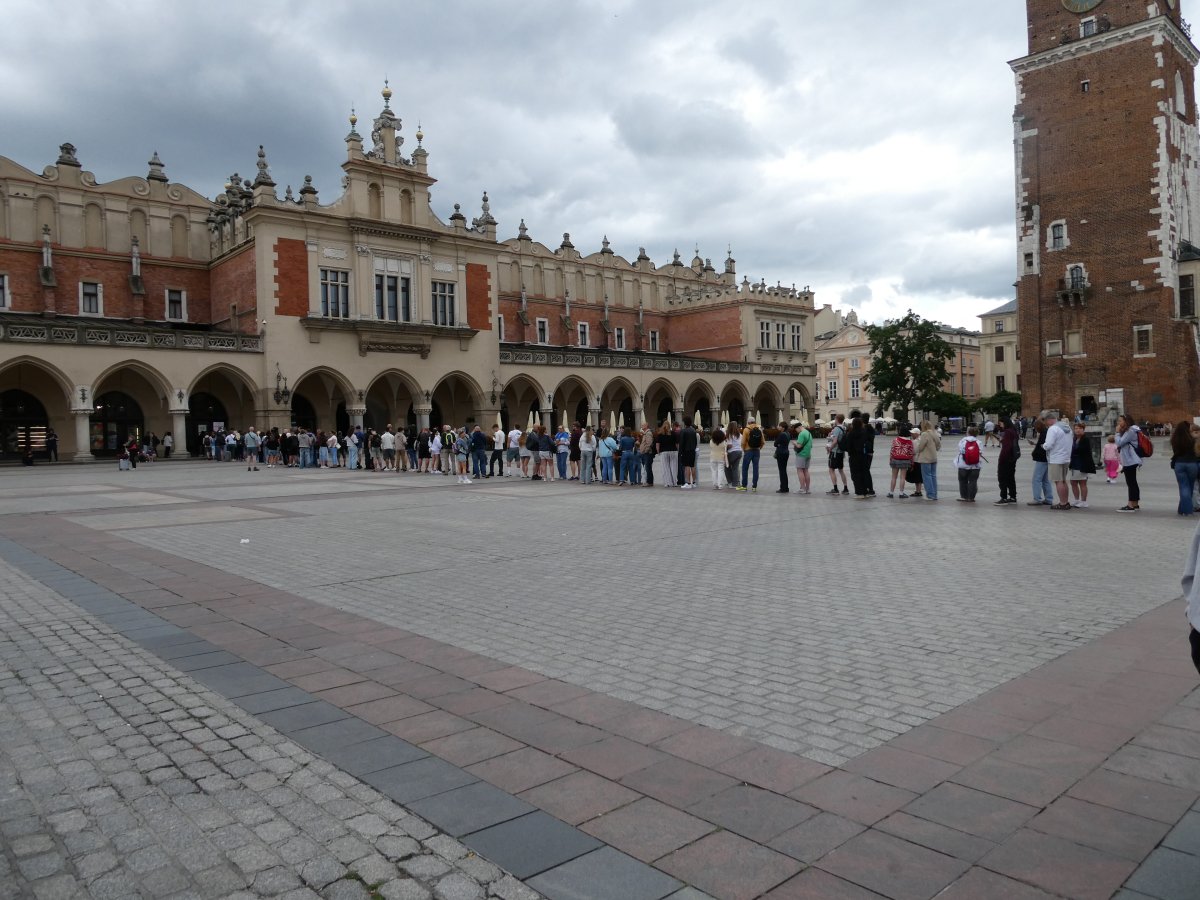
Underground Museum
In Krakow one of the more interesting museums seemed to be the Underground Museum. Basically what they did was dig downwards through various levels of muck, collecting all the odds and ends that acumulated over the centuries and put it in a museum.
I decided to have a look. Unfortunately, Tuesday is the day when this particular museum is free, but you still have to get a ticket and a time slot. When I got there a quarter of an hour before opening, there was a not insignificant queue waiting for the ticket doors to open. After about 40 minutes I got to the desk, only to understand that my slot would be 1 1/2hours later. I decided to cancel that plan.